
Kidney Stone Diet for Cats: Prevention & Management
Kidney Stone Diet for Cats: Prevention & Management
Feline kidney stones, also known as urolithiasis, are a painful and potentially life-threatening condition that can significantly impact a cat's quality of life. Understanding the role of diet in both preventing and managing these mineral formations is crucial for concerned cat owners. This comprehensive guide explores the intricacies of a diet for cats with kidney stones, delving into the underlying causes, the types of stones, the dietary principles involved, and practical strategies for implementation. By adopting the right nutritional approach, you can empower yourself to better support your feline companion's kidney health and alleviate the discomfort associated with these common urinary tract issues.
𝙲𝚘𝚗𝚝𝚎𝚗𝚝
- Understanding Feline Kidney Stones: Causes and Types
- The Cornerstone of a Diet for Cats with Kidney Stones: Hydration
- Dietary Principles for Struvite Stone Management
- Dietary Principles for Calcium Oxalate Stone Management
- Prescription Diets: The Gold Standard for a Diet for Cats with Kidney Stones
- Transitioning Your Cat to a New Diet
- Long-Term Management and Monitoring
- Beyond Diet: Other Supportive Measures
- In summary
Understanding Feline Kidney Stones: Causes and Types
Before diving into dietary recommendations, it's essential to grasp what feline kidney stones are and why they form. Kidney stones are solid masses made of minerals and salts that form in the urinary tract, including the kidneys and bladder. While the exact cause is often multifactorial, several factors contribute to their development:
- Concentrated Urine: When a cat's urine is highly concentrated, it increases the likelihood of minerals precipitating and forming crystals. This can be due to insufficient water intake, certain medical conditions, or dietary imbalances.
- Dietary Factors: The composition of a cat's diet plays a significant role. High levels of certain minerals (like phosphorus and magnesium) or proteins can predispose cats to stone formation.
- Genetics and Breed Predisposition: Some cat breeds may have a higher genetic susceptibility to developing certain types of stones.
- Urinary Tract Infections (UTIs): UTIs can alter the pH of the urine, creating an environment conducive to crystal and stone formation.
- Metabolic Disorders: Underlying metabolic diseases can also contribute to the formation of kidney stones.
- Obesity: Overweight cats are at a higher risk for various health issues, including urolithiasis.
The most common types of kidney stones found in cats are:
- Struvite Stones: These are formed from magnesium, ammonium, and phosphate. They are often associated with alkaline urine and can be influenced by diet and UTIs.
- Calcium Oxalate Stones: These are formed from calcium and oxalate. They are typically associated with acidic urine and can be influenced by dietary oxalate intake and calcium levels.
The Cornerstone of a Diet for Cats with Kidney Stones: Hydration
One of the most critical factors in preventing and managing kidney stones is ensuring your cat remains adequately hydrated. Concentrated urine is a breeding ground for mineral precipitation. Increasing your cat's water intake helps to dilute urine, making it less likely for crystals to form and easier for small crystals to be flushed out of the urinary tract.
Strategies to boost feline hydration:
- Provide Multiple Water Sources: Place water bowls in various locations throughout your home. Some cats prefer different types of bowls (ceramic, stainless steel, or glass) or find running water more appealing.
- Invest in a Pet Water Fountain: Many cats are attracted to the movement of water and will drink more from a fountain than a stationary bowl.
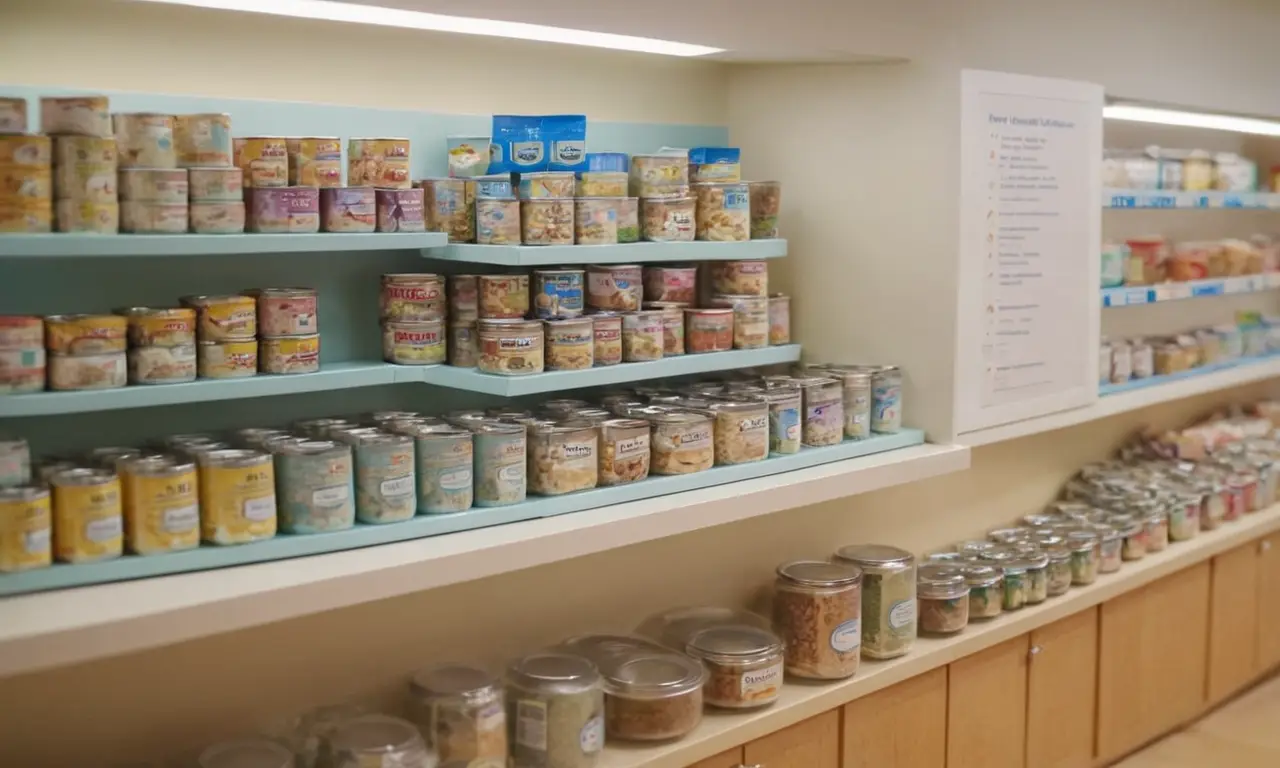
- Feed Wet Food: Canned or wet cat food has a significantly higher moisture content than dry kibble. Transitioning to a predominantly wet food diet is one of the most effective ways to increase your cat's fluid intake.
- Add Water to Food: Simply adding a tablespoon or two of water to your cat's wet food can further enhance hydration.
- Flavor Water (with caution): If your cat is particularly finicky, you can try adding a tiny amount of tuna juice (in water, not oil) or low-sodium chicken broth to their water. However, use this sparingly to avoid encouraging unhealthy dietary habits.
- Consider Ice Cubes: Some cats enjoy playing with or licking ice cubes, which can provide a small but consistent source of hydration.
Dietary Principles for Struvite Stone Management
For cats prone to struvite stones, the primary dietary goal is to create an environment that discourages struvite crystal formation. This typically involves:
1. Urine Acidification (Controlled pH)
Struvite stones form in alkaline urine. A diet for cats with kidney stones aimed at preventing struvite should help to slightly acidify the urine. This is a delicate balance, as excessively acidic urine can lead to calcium oxalate stone formation. Prescription diets are formulated to achieve a specific urinary pH range.
2. Controlled Mineral Levels
- Magnesium and Phosphorus Reduction: High levels of magnesium and phosphorus can contribute to struvite formation. Prescription diets for struvite stones are formulated with reduced amounts of these minerals.
- Sodium Content: While not directly involved in struvite formation, a controlled sodium level can encourage increased water intake.
3. High-Quality Protein
While protein is essential for cats, the type and amount can be important. Prescription diets often use highly digestible protein sources to minimize the amount of waste products that need to be excreted by the kidneys.
Liver Disease Dog Diet: Essential Nutrition Guide4. Added Nutrients
Certain additives in prescription diets can help prevent struvite crystal formation:
- Citrate: Citrate can bind to calcium, preventing it from binding with oxalate to form calcium oxalate stones, and can also help to keep minerals in solution, reducing crystal formation.
- Omega-3 Fatty Acids: These can have anti-inflammatory properties that may benefit overall kidney health.
Dietary Principles for Calcium Oxalate Stone Management
Calcium oxalate stones are more challenging to manage through diet alone, as they are less influenced by urine pH. However, dietary modifications can still play a significant role in their prevention and management.
1. Controlled Calcium and Oxalate Levels
- Moderate Calcium: While calcium is essential for cats, excessive amounts can contribute to calcium oxalate stone formation. Prescription diets aim for a controlled, but not drastically low, calcium level.
- Low Oxalate: Oxalate is found in many common cat food ingredients, including certain grains and vegetables. Diets for calcium oxalate stones will be formulated with lower oxalate-containing ingredients.
2. Urine Alkalinization (Controlled pH)
Unlike struvite stones, calcium oxalate stones can form in slightly acidic urine. Therefore, diets for calcium oxalate stones may aim to slightly alkalinize the urine.
3. Enhanced Hydration
As with struvite stones, increased water intake is paramount for flushing out potential crystals and diluting the urine.
4. Controlled Sodium
Similar to struvite stone diets, controlled sodium levels can encourage increased water consumption.
5. Antioxidants
Some research suggests that antioxidants may help to reduce oxidative stress, which can play a role in stone formation.
Prescription Diets: The Gold Standard for a Diet for Cats with Kidney Stones
The most effective and scientifically backed approach to managing kidney stones in cats is through specialized prescription diets formulated by veterinary nutritionists. These diets are meticulously designed to:
- Dissolve Existing Stones: Certain diets can help to dissolve existing struvite stones over time.
- Prevent Recurrence: They create a urinary environment that makes it difficult for new crystals and stones to form.
- Provide Balanced Nutrition: They ensure your cat receives all the essential nutrients while addressing the specific urinary issue.
It is crucial to emphasize that you should NOT attempt to create a homemade diet for a cat with kidney stones. Incorrect formulations can exacerbate the problem, leading to nutritional deficiencies or imbalances that can be detrimental to your cat's health. Always consult with your veterinarian regarding the best prescription diet for your cat's specific type of stone and individual needs.
Obese Cat Diet: Expert Tips for Healthy Weight LossYour veterinarian will likely recommend a diagnostic workup to determine the type of stone your cat has. This may involve:
- Urinalysis: To assess urine pH, crystal presence, and other indicators.
- Radiographs (X-rays): To visualize stones.
- Ultrasound: To further assess the urinary tract.
Based on these findings, your vet will prescribe a specific therapeutic diet. Common examples of prescription diets include Hill's Prescription Diet s/d, Hill's Prescription Diet c/d Multicare, Royal Canin Veterinary Diet S/O, and Purina Pro Plan Veterinary Diets UR Urinary.
Transitioning Your Cat to a New Diet
Switching your cat to a new food can sometimes be a challenge, especially if they are accustomed to their current diet. A gradual transition is key to minimizing digestive upset and encouraging acceptance of the new food.
Here's a recommended transition schedule:
- Days 1-3: 25% new food, 75% old food
- Days 4-6: 50% new food, 50% old food
- Days 7-9: 75% new food, 25% old food
- Day 10 onwards: 100% new food
Tips for a smoother transition:
- Mix Thoroughly: Ensure the new food is well-mixed with the old food.
- Warm Food Slightly: Warming wet food can enhance its aroma and palatability.
- Add a Little Gravy or Broth: A tiny amount of low-sodium broth can make the new food more appealing.
- Patience is Key: Some cats may take longer to adjust. Don't force them to eat if they refuse; try again with a slightly higher ratio of their old food if necessary.
- Consult Your Vet: If your cat shows persistent refusal or signs of illness, consult your veterinarian.
Long-Term Management and Monitoring
A diet for cats with kidney stones is a lifelong commitment for many cats. Even after stones have been treated or dissolved, a therapeutic diet is often necessary to prevent recurrence. Regular veterinary check-ups are crucial for monitoring your cat's progress and ensuring the diet remains effective.
Your veterinarian may recommend:
- Routine Urinalysis: Periodically checking your cat's urine can detect early signs of crystal formation or changes in urine pH.
- Radiographs: If there's a concern about recurrence, X-rays may be performed.
- Adjustments to Diet: In some cases, the prescription diet may need to be adjusted based on your cat's ongoing health status and response.
Beyond Diet: Other Supportive Measures
While diet is a cornerstone, other factors can complement a diet for cats with kidney stones:
Obese Dog Diet: Vet-Approved Weight Loss Strategies- Weight Management: If your cat is overweight, working with your veterinarian to achieve a healthy weight can significantly reduce their risk of various health issues, including urinary problems.
- Environmental Enrichment: Providing a stimulating environment can reduce stress, which may indirectly influence a cat's overall health and well-being.
- Regular Veterinary Care: Promptly addressing any signs of urinary discomfort, such as straining to urinate, increased frequency, or blood in the urine, is vital.
In summary
Feline kidney stones are a serious concern that requires a dedicated approach to management. A well-tailored diet for cats with kidney stones, primarily involving specialized prescription foods and a strong emphasis on hydration, is the most effective tool for preventing the formation of new stones and, in some cases, dissolving existing ones. Always partner with your veterinarian to diagnose the specific type of stone and formulate the optimal dietary and management plan for your beloved feline companion. With diligent care and the right nutritional strategies, you can significantly improve your cat's comfort and promote long-term urinary tract health.
Parrot Diet: Best Fruits and Vegetables for Your Bird

Festive Feasts: Top Christmas Recipes for Dogs
Dog Kidney Failure Diet: Homemade Solutions & Care Tips

Choosing the Best Dog Food: A Comprehensive Guide
Cat Hepatitis Diet: Essential Foods for Your Feline Friend
Understanding the Composition of Cat Food for Health
Related posts