

Obese Dog Diet: Vet-Approved Weight Loss Strategies
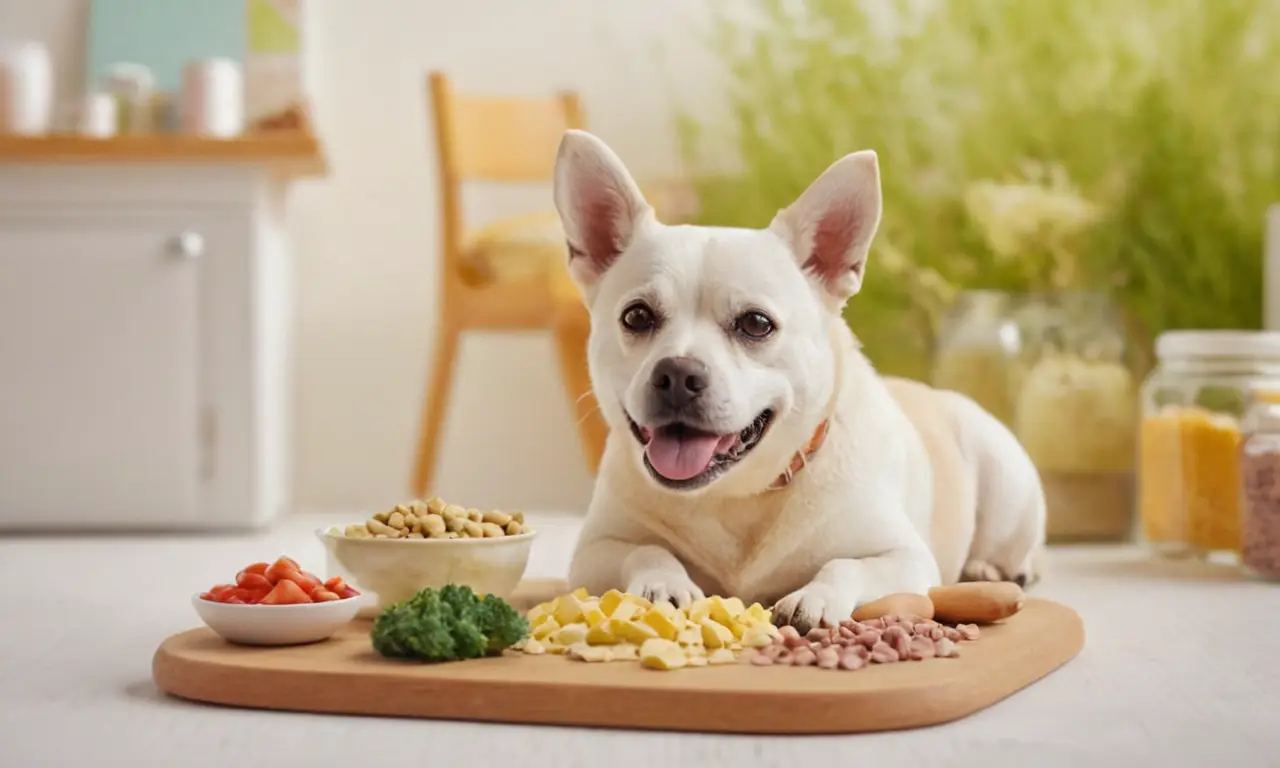
The Ultimate Guide to a Diet for Obese Dogs
Obesity in dogs is a growing concern, impacting their health, mobility, and overall lifespan. Fortunately, with a carefully planned diet for obese dogs and a commitment to exercise, your furry friend can achieve a healthier weight and a more vibrant life. This comprehensive guide will walk you through the essential steps, from understanding the risks to implementing sustainable dietary changes and beyond, all with a focus on your veterinarian's invaluable guidance.
𝙲𝚘𝚗𝚝𝚎𝚗𝚝
- Understanding the Dangers of Canine Obesity
- Consulting Your Veterinarian: The Cornerstone of Any Diet for Obese Dogs
- The Foundation of a Successful Diet for Obese Dogs: Food Choices
- Beyond Food: The Role of Exercise in a Diet for Obese Dogs
- Monitoring Progress and Making Adjustments
- Maintaining a Healthy Weight Long-Term
- Common Challenges and How to Overcome Them
Understanding the Dangers of Canine Obesity
Before diving into specific diet for obese dogs strategies, it's crucial to grasp why excess weight is so detrimental to our canine companions. Overweight dogs are at a significantly higher risk for a multitude of health problems, many of which can be painful and costly to manage.
- Joint Problems: The extra weight puts immense stress on your dog's joints, exacerbating conditions like osteoarthritis, hip dysplasia, and elbow dysplasia. This can lead to lameness, pain, and a reduced quality of life.
- Heart Disease: Canine obesity is strongly linked to an increased risk of heart disease. Excess fat can accumulate around the heart, leading to strained cardiac function and potential heart failure.
- Diabetes Mellitus: Overweight dogs are more prone to developing diabetes. This chronic condition affects their ability to regulate blood sugar, requiring lifelong management with diet and medication.
- Respiratory Issues: Extra body fat can put pressure on the lungs and diaphragm, making breathing more difficult, especially during exercise. This can worsen conditions like collapsing trachea or laryngeal paralysis.
- Liver Disease: Obesity can lead to hepatic lipidosis (fatty liver disease), which impairs the liver's essential functions.
- Reduced Lifespan: Studies consistently show that overweight dogs have a shorter lifespan compared to their leaner counterparts.
- Decreased Mobility and Quality of Life: Simple activities like playing fetch, going for walks, or even getting up and down can become challenging and painful for obese dogs, significantly impacting their enjoyment of life.
- Surgical Risks: An obese dog is a higher anesthetic risk. Weight loss prior to surgery can improve outcomes and reduce complications.
Consulting Your Veterinarian: The Cornerstone of Any Diet for Obese Dogs
This cannot be stressed enough: the absolute first step in addressing your dog's weight is a consultation with your veterinarian. They are your most valuable resource and will provide a personalized plan tailored to your dog's specific needs, breed, age, and health status. Attempting to put your dog on a restrictive diet for obese dogs without professional guidance can be dangerous and lead to nutritional deficiencies or other health complications.
During your vet visit, expect them to:
- Perform a Thorough Physical Examination: This will help assess your dog's overall health and identify any underlying medical conditions that might be contributing to weight gain or need to be considered in the weight loss plan.
- Determine Your Dog's Ideal Weight: Using body condition scoring charts and your dog's breed and frame, your vet will establish a target weight.
- Calculate Caloric Needs: Based on their ideal weight and activity level, your vet will determine the appropriate daily calorie intake for safe and effective weight loss. This is crucial, as simply cutting back on food without proper calculation can be detrimental.
- Discuss Potential Underlying Causes: In some cases, weight gain can be due to hormonal imbalances (like hypothyroidism) or other medical issues that need to be addressed.
- Recommend Specific Food Options: Your vet will likely suggest specially formulated veterinary therapeutic diets designed for weight loss. These diets are typically lower in calories and fat but higher in fiber to promote satiety.
- Outline an Exercise Plan: Diet is only half the battle. Your vet will advise on a safe and progressive exercise regimen.
The Foundation of a Successful Diet for Obese Dogs: Food Choices
Once you have your veterinarian's guidance, the next critical step is understanding the right food choices for your overweight dog. The goal is to reduce calorie intake while ensuring they still receive all the necessary nutrients for optimal health.
Veterinary Therapeutic Diets for Weight Loss
These specialized diets are formulated by veterinary nutritionists and are often the most effective starting point. They typically feature:
- Lower Calorie Density: Gram for gram, these foods contain fewer calories, allowing your dog to eat a larger volume of food and feel fuller.
- High Fiber Content: Fiber promotes satiety, helping your dog feel full for longer and reducing begging. It also aids in digestion.
- Reduced Fat Content: Fat is calorie-dense, so reducing it is a primary strategy for weight loss.
- Adequate Protein Levels: Sufficient protein is essential to maintain muscle mass during weight loss. Losing muscle along with fat is counterproductive.
- Balanced Nutrients: Despite being lower in calories, these diets are nutritionally complete and balanced, preventing deficiencies.
Your veterinarian will recommend a specific brand and type of therapeutic diet based on your dog's individual needs. It's important to adhere to their recommendation and not switch brands or types of food without consulting them.
Transitioning to a New Diet
Abruptly switching your dog's food can lead to digestive upset. A gradual transition is key:
- Day 1-3: Mix 25% new food with 75% old food.
- Day 4-6: Mix 50% new food with 50% old food.
- Day 7-9: Mix 75% new food with 25% old food.
- Day 10 onwards: Feed 100% new food.
Monitor your dog for any signs of diarrhea, vomiting, or changes in appetite during this transition.
DIY Dog Cake Recipes : Delicious & Healthy Homemade TreatsPortion Control: The Key to Success
Even with the best weight-loss food, overfeeding will hinder progress. Your veterinarian will provide precise portion sizes based on your dog's calculated daily calorie intake. It's crucial to:
- Measure Accurately: Use a standard measuring cup or, even better, a kitchen scale for accuracy. "Eyeballing" portions is unreliable.
- Feed in Scheduled Meals: Divide the daily portion into two or three meals. This helps with satiety and can prevent begging between meals.
- Avoid Free-Feeding: Leaving food out all day encourages constant grazing and makes it difficult to track intake.
Treats and Table Scraps: The Hidden Calorie Culprits
This is often the hardest part for pet owners. Treats and table scraps can add hundreds of extra calories to your dog's daily intake, derailing even the most carefully planned diet for obese dogs.
- Eliminate Table Scraps: Human food is often too fatty, salty, or spicy for dogs and can contain ingredients that are toxic to them. Make a firm rule: no human food for dogs.
- Rethink Treats:
- Calculate Treat Calories: If you do give treats, ensure they are factored into your dog's total daily calorie allowance.
- Low-Calorie Options: Opt for specially designed low-calorie dog treats or use small pieces of their kibble as rewards.
- Vegetable Rewards: Many dogs enjoy small pieces of carrots, green beans, or cucumber (ensure they are safe for dogs and given in moderation).
- Be Mindful of "Healthy" Treats: Even seemingly healthy treats can be high in calories. Read labels carefully.
- Verbalize "No": If family members or guests are tempted to feed your dog, educate them about the importance of the diet for obese dogs and politely request they refrain from giving any food.
Beyond Food: The Role of Exercise in a Diet for Obese Dogs
Weight loss is a two-pronged approach: diet and exercise. A tailored exercise plan is essential to burn calories, build muscle mass, and improve overall health.
Starting Slowly and Safely
For an obese dog, sudden strenuous exercise can be harmful and lead to injury. Your veterinarian will guide you on an appropriate starting point.
- Low-Impact Activities: Begin with gentle activities like short, slow walks on flat surfaces.
- Gradual Increase: Slowly increase the duration and intensity of walks as your dog's stamina improves.
- Frequency Over Intensity: Multiple short walks throughout the day can be more beneficial than one long, exhausting session.
Types of Exercise to Consider:
- Walking: The most accessible and often most effective form of exercise.
- Swimming: An excellent low-impact option for dogs with joint issues. Many dogs enjoy water!
- Fetch (Modified): Instead of long, strenuous sprints, opt for shorter tosses at a slower pace.
- Tug-of-War: A great way to engage your dog and build a bond, provided it's controlled and not overly aggressive.
- Interactive Toys: Puzzle feeders and treat-dispensing toys can provide mental stimulation and encourage activity.
Signs to Watch For:
Always monitor your dog for signs of overexertion:
- Excessive panting
- Lethargy
- Limping or stiffness
- Reluctance to continue
If you notice any of these, stop the exercise and allow your dog to rest. Consult your vet if symptoms persist.
Monitoring Progress and Making Adjustments
Weight loss is not always linear. There will be plateaus and fluctuations. Consistent monitoring and open communication with your veterinarian are key to success.
Regular Weigh-Ins:
- Veterinarian's Office: Your vet will schedule regular weigh-ins to track progress.
- Home Weigh-Ins (if possible): If you have access to a pet scale, you can weigh your dog at home between vet visits.
Body Condition Scoring (BCS):
Your veterinarian will also use BCS to assess your dog's body fat. This is often a more reliable indicator of progress than the scale alone. A BCS of 1-5 (or 1-9 depending on the scale used) is ideal, with 5 being overweight and 3 being ideal.
When to Adjust the Plan:
- No Weight Loss: If your dog isn't losing weight after several weeks, despite strict adherence to the diet and exercise plan, your vet may need to re-evaluate calorie intake or metabolic factors.
- Losing Weight Too Quickly: Rapid weight loss can be dangerous. If your dog is losing more than 1-2% of their body weight per week, consult your vet immediately.
- Changes in Health or Behavior: Any new symptoms, changes in appetite, or signs of discomfort should be reported to your vet.
Maintaining a Healthy Weight Long-Term
Once your dog reaches their ideal weight, the journey isn't over. The focus shifts to maintaining that healthy weight.
Do Dogs Get Bored of Croquettes? Exploring Canine Food FatigueTransitioning Off Therapeutic Diet:
Your veterinarian will guide you on how to transition your dog from a weight-loss diet to a maintenance diet. This is typically done gradually, similar to the initial transition.
Continued Portion Control:
Maintaining proper portion sizes is crucial for preventing weight regain.
Regular Exercise:
A consistent exercise routine is essential for keeping metabolism up and muscles strong.
Ongoing Monitoring:
Continue to monitor your dog's weight and body condition regularly. If you notice any signs of creeping weight gain, address it promptly by adjusting food intake or increasing exercise.
Educating the Entire Family:
Ensure everyone in the household understands the importance of the diet for obese dogs and the maintenance plan. Consistency is key.
Common Challenges and How to Overcome Them
Embarking on a weight loss journey for your dog can present challenges, but with understanding and perseverance, they can be overcome.
Begging and Demanding Food:
This is common, especially in the initial stages.
- Ignore Begging: Do not give in to pleading eyes. Rewarding begging reinforces the behavior.
- Distraction: Engage your dog in play, training, or offer a low-calorie chew toy when they start to beg.
- Scheduled Meals: Feeding at set times can help regulate their hunger.
- Increase Fiber: Ensure their diet is rich in fiber to promote satiety.
Boredom and Destructive Behavior:
A bored dog may seek attention through less desirable behaviors, including excessive barking or chewing.
- Mental Stimulation: Provide puzzle toys, interactive feeders, and training sessions.
- Increased Physical Activity: Ensure they are getting enough exercise to expend energy.
- Safe Chews: Offer appropriate chew toys to satisfy their natural urge to chew.
Medical Conditions Interfering with Weight Loss:
As mentioned, certain medical conditions can make weight loss difficult.
Dog Feeding By Age: A Comprehensive Guide- Hypothyroidism: This condition slows metabolism. Your vet can diagnose and treat it with medication, which can significantly aid in weight loss.
- Cushing's Disease: Another hormonal disorder that can cause weight gain. Treatment is available.
- Arthritis: Pain can make exercise difficult. Your vet can prescribe pain management to make your dog more comfortable and able to exercise.
Your Dog's "Diet" is Not Just About Food:
Remember, a diet for obese dogs is a lifestyle change that benefits their overall well-being. It's about providing them with the best possible health and a longer, happier life with you.
By working closely with your veterinarian, understanding the principles of canine nutrition, and committing to a comprehensive plan, you can successfully guide your furry friend towards a healthier weight and a brighter future.
Parrot Diet: Best Fruits and Vegetables for Your Bird

Festive Feasts: Top Christmas Recipes for Dogs

Dog Kidney Failure Diet: Homemade Solutions & Care Tips
Choosing the Best Dog Food: A Comprehensive Guide

Cat Hepatitis Diet: Essential Foods for Your Feline Friend

Understanding the Composition of Cat Food for Health
Related posts