

Persian vs. Angora Cats: Key Differences Explained
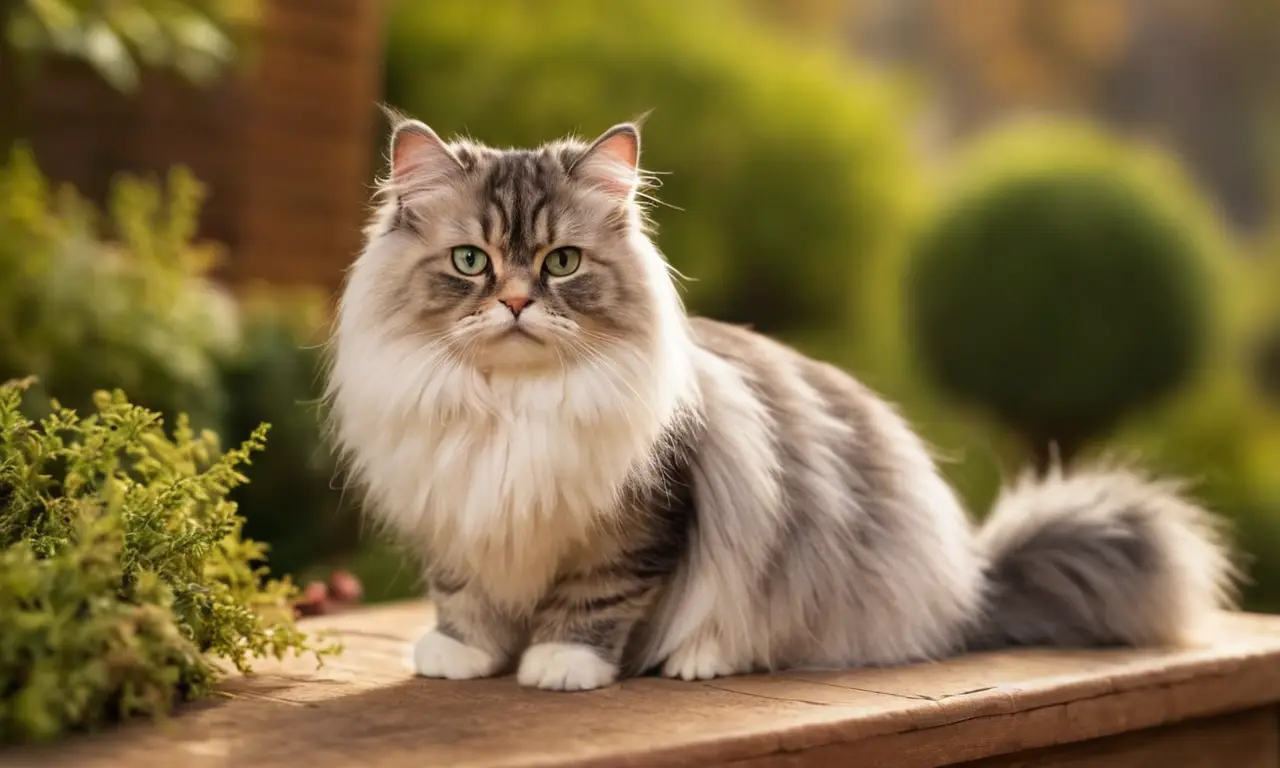
Persian vs. Angora Cats: Key Differences Explained
The world of feline companions offers a delightful array of breeds, each with its unique charm and characteristics. Among the most admired and popular are the Persian cat and the Turkish Angora. While both are renowned for their luxurious long coats and elegant demeanor, they possess distinct differences that set them apart. Understanding these variations is crucial for prospective owners to make an informed decision about which breed best suits their lifestyle and preferences. This article delves deep into the differences between a Persian cat and an Angora, exploring their physical traits, temperaments, care requirements, and historical backgrounds.
𝙲𝚘𝚗𝚝𝚎𝚗𝚝
- A Glimpse into Their Origins and History
- Physical Attributes: A Study in Contrasts
- Temperament and Personality: Gentle Giants vs. Playful Spirits
- Care and Maintenance: Grooming Demands and Health Considerations
- Choosing the Right Breed for You
- In summary: Two Beautiful Breeds, Different Personalities
A Glimpse into Their Origins and History
Both the Persian and the Turkish Angora boast ancient lineages, contributing to their regal presence. However, their journeys to global recognition are quite different.
The Majestic Persian: A Tale of Ancient Persia
The Persian cat, as its name suggests, hails from Persia, modern-day Iran. Its origins can be traced back to the 17th century when travelers brought long-haired cats from Persia to Europe. These cats quickly gained favor among royalty and the aristocracy due to their stunning appearance and docile nature. Over centuries, selective breeding has refined the Persian cat's features, leading to the distinct "peke-faced" or flat-faced Persian that is so popular today, though traditional or "doll-faced" Persians also exist. Their history is deeply intertwined with luxury and elegance, making them a symbol of sophisticated companionship.
The Graceful Turkish Angora: A Gem from Anatolia
The Turkish Angora, on the other hand, originates from the Ankara region of Turkey (historically known as Angora). This breed is considered one of the oldest naturally occurring breeds of long-haired cats. They were highly prized in their native land and were often gifted to royalty. In the early 20th century, the breed faced a decline, but dedicated breeding programs, particularly at the Ankara Zoo, helped preserve and revitalize the Turkish Angora. They are celebrated not only for their beauty but also for their intelligence and energetic spirit.
Physical Attributes: A Study in Contrasts
While both breeds share long, flowing coats, their specific physical characteristics reveal significant differences.
Alaskan Malamute vs. Siberian Husky: Key Differences ExplainedThe Persian Cat: The Epitome of Plushness
- Body Type: Persians are known for their sturdy, cobby (compact and muscular) build. They have a short, thick body with short legs, a broad chest, and a short, thick tail.
- Head: The most defining feature of the modern Persian is its round, broad head with a short, flat nose (brachycephalic). This characteristic gives them their characteristic "smushed" facial expression. Their large, round eyes are set far apart and can be a variety of colors, often matching their coat color.
- Coat: The Persian's coat is its crowning glory – long, thick, and flowing, with a dense undercoat. It requires extensive grooming to prevent matting and tangles. The coat comes in an astonishing array of colors and patterns, from solid hues to intricate tabby markings and pointed patterns.
- Ears: Small, rounded ears are set low on the head and widely spaced.
The Turkish Angora: Elegance in Motion
- Body Type: In stark contrast to the Persian's cobby build, the Turkish Angora is a graceful, slender, and elegant cat. They possess a long, lithe body, a fine-boned frame, and long, tapering legs. Their movements are often described as balletic.
- Head: The Angora's head is a more elongated, wedge-shaped profile with high cheekbones. Their muzzle is well-defined, and their nose is of medium length with a gentle curve. Their large, almond-shaped eyes are expressive and can be various colors, including blue, green, amber, and odd-eyed (one blue and one amber or green).
- Coat: The Turkish Angora's coat is also long but is considered semi-longhaired. It's less dense than the Persian's, with a silky texture and minimal undercoat, especially in warmer climates. This makes their coat less prone to severe matting. The most iconic coat color is pure white, but they also come in various other colors and patterns, excluding pointed colors like the Siamese.
- Ears: Large, pointed ears are set high on the head, continuing the graceful lines of their profile. A distinctive feature is the presence of tufts of fur within their ears.
Temperament and Personality: Gentle Giants vs. Playful Spirits
Beyond their physical appearances, the differences between a Persian cat and an Angora are profoundly evident in their personalities.
The Persian Cat: Calm and Content
Persians are generally known for their placid, sweet, and gentle disposition. They are not typically overly energetic or demanding.
- Affectionate: They are very affectionate and enjoy being close to their owners, often content to sit on a lap or sleep at their feet.
- Lap Cats: Persians are often described as "lap cats," relishing quiet companionship and gentle petting.
- Quiet: They tend to be quiet cats, not prone to excessive vocalization.
- Adaptable: They adapt well to indoor living and can be quite content with a calm environment.
- Less Playful: While they enjoy some play, they are not as boisterous or active as some other breeds. Their play style is often more subdued.
The Turkish Angora: Intelligent and Vivacious
Turkish Angoras are prized for their intelligence, playfulness, and lively personalities. They are more interactive and engaged with their environment and their human families.
- Playful and Energetic: They are active cats that enjoy playing games, chasing toys, and exploring their surroundings. They often retain their playful nature well into adulthood.
- Curious and Intelligent: Angoras are highly intelligent and curious. They enjoy interactive toys and can even be trained to do tricks. They are known for their problem-solving abilities.
- Sociable: They are generally very sociable and enjoy being part of the family's activities. They often follow their owners around the house and want to be involved in everything.
- Vocal: While not as vocal as some breeds, they can be more communicative than Persians, often using soft chirps and meows to express themselves.
- Agile: Their lithe bodies make them excellent climbers and jumpers, so they appreciate vertical spaces like cat trees.
Care and Maintenance: Grooming Demands and Health Considerations
The distinct physical characteristics of each breed translate into different care requirements.
Persian Cat Care: The Grooming Commitment
The Persian's luxurious coat is beautiful but requires significant daily attention.
Dog vs Bitch: Key Differences Explained for Owners- Grooming: Daily brushing is essential to prevent severe matting and tangles. Neglecting grooming can lead to skin problems and discomfort for the cat. Many owners opt for regular professional grooming or even a "lion cut" during warmer months.
- Eye Care: The flat-faced structure of the Persian can lead to tear staining. Owners need to gently wipe their cat's eyes daily with a soft cloth to keep the area clean and prevent irritation or infection.
- Dental Hygiene: Persians can be prone to dental issues, so regular dental checks and appropriate dental care are important.
- Health Concerns: Besides dental issues, Persians can be susceptible to Polycystic Kidney Disease (PKD), Hypertrophic Cardiomyopathy (HCM), and breathing difficulties due to their brachycephalic facial structure. Responsible breeders screen their cats for these conditions.
Turkish Angora Care: A More Manageable Routine
The Turkish Angora's coat is beautiful and requires less intensive grooming compared to the Persian.
- Grooming: While they have long fur, the lack of a dense undercoat means their grooming needs are less demanding. Brushing a few times a week is usually sufficient to keep their coat in good condition and prevent minor tangles.
- General Health: Turkish Angoras are generally a healthy breed. They can be predisposed to deafness, particularly white Angoras with blue eyes, though this is not exclusive to the breed. Responsible breeders test for genetic health issues.
- Activity: Providing opportunities for play and exercise is important to satisfy their energetic nature and prevent boredom.
Choosing the Right Breed for You
The differences between a Persian cat and an Angora extend to the type of owner who would best suit each breed.
Is a Persian Cat Right for You?
A Persian cat is an excellent choice for individuals or families who:
- Appreciate a calm, quiet, and affectionate companion.
- Have the time and dedication for daily grooming.
- Prefer a cat that is less demanding in terms of energy and play.
- Can provide a stable, indoor environment.
- Are prepared for potential health needs, particularly eye and dental care.
Is a Turkish Angora Right for You?
A Turkish Angora might be the perfect fit for you if you:
- Enjoy an intelligent, playful, and interactive cat.
- Have an active household or enjoy engaging your cat in play.
- Can provide ample space for exploration and climbing.
- Are looking for a more independent but still very affectionate companion.
- Prefer a cat with a less demanding grooming routine.
In summary: Two Beautiful Breeds, Different Personalities
While both the Persian and the Turkish Angora are stunning long-haired breeds, their differences between a Persian cat and an Angora are significant and impact everything from their physical appearance to their daily needs and personalities. The Persian offers a serene and plush presence, requiring dedicated grooming for its magnificent coat. The Turkish Angora, on the other hand, presents an image of agile grace and an energetic, intelligent spirit, with more manageable grooming requirements. By understanding these distinctions, potential cat owners can confidently select the breed that will bring joy and companionship into their lives for years to come. Whether you are drawn to the tranquil elegance of the Persian or the vivacious charm of the Turkish Angora, both breeds offer a unique and rewarding feline experience.
Male vs Female Parakeet: Spotting the Differences & Care
Cat Urinary Crystals: Types, Symptoms & Treatment Guide

Cat Weight: How Do I Know If My Cat Is Fat?

Encephalitis in Dogs: Symptoms, Causes & Treatment

Dog Cavities: Causes, Symptoms, and Treatment Options

Natural Flea Relief: Home Remedies for Fleas in Cats

Newborn Puppy Feeding Guide: From Birth to Weaning
Related posts