
Alaskan Malamute vs. Siberian Husky: Key Differences Explained
Alaskan Malamute vs. Siberian Husky: Key Differences Explained
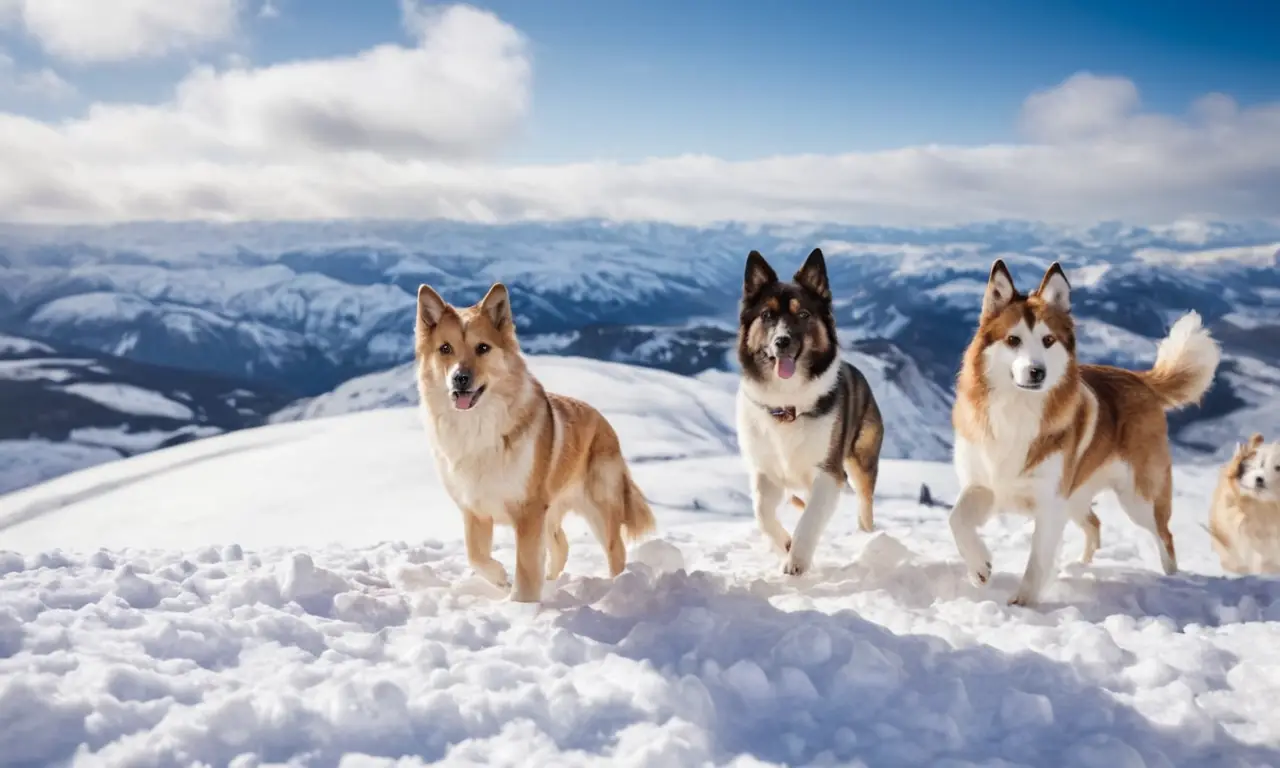
Choosing between an Alaskan Malamute and a Siberian Husky can be a delightful yet challenging decision for prospective dog owners. Both breeds are renowned for their striking good looks, their strength, and their intelligence, often leading to confusion for those not intimately familiar with their unique characteristics. While superficially similar with their wolf-like appearance, thick double coats, and origins in colder climates, the Differences between Alaskan Malamute and Siberian husky are significant, impacting their temperament, physical attributes, exercise needs, training approaches, and suitability for different lifestyles. Understanding these distinctions is crucial for making an informed choice that aligns with your capabilities and provides the best possible home for either of these magnificent breeds. This article delves deep into these differences, offering a comprehensive guide to help you differentiate between the Alaskan Malamute and the Siberian Husky.
𝙲𝚘𝚗𝚝𝚎𝚗𝚝
- Origins and Purpose: A Tale of Two Workhorses
- Physical Characteristics: Size, Build, and Facial Features
- Temperament and Personality: The Heart of the Breed
- Exercise Needs: A Matter of Stamina and Speed
- Training and Socialization: Consistency is Key
- Grooming Requirements: Managing the Double Coat
- Suitability for Different Lifestyles: Who is the Right Fit?
- Key Takeaways: Summarizing the Differences
- In summary: Making the Right Choice
Origins and Purpose: A Tale of Two Workhorses
The Alaskan Malamute and Siberian Husky, despite both hailing from Arctic regions, were developed for distinct purposes, shaping their inherent traits.
Alaskan Malamute: The Gentle Giant of the North
The Alaskan Malamute's history is deeply intertwined with the Mahlemut people of Alaska. Bred for endurance and strength, their primary role was to pull heavy loads over vast distances in harsh Arctic conditions. They were invaluable for transportation, hunting, and companionship. This demanding work required immense stamina, a calm demeanor, and the ability to work cooperatively in a team. Their ancestors were likely descendants of Spitz-type dogs brought to North America by early Arctic explorers. The breed's development focused on sheer power and resilience, rather than speed.
Siberian Husky: The Swift Messenger of the Tundra
In contrast, the Siberian Husky was developed by the Chukchi people of Siberia for much the same reasons but with a greater emphasis on speed and agility. These dogs were primarily used for pulling lighter loads over long distances, often for transporting people and goods between settlements. Their ability to travel swiftly and efficiently across the snow made them essential for communication and survival in their frigid homeland. This need for speed and endurance, coupled with a pack mentality for efficient travel, has influenced their energetic and sometimes more independent nature.
Physical Characteristics: Size, Build, and Facial Features
The most immediate distinctions between these breeds lie in their physical appearance. While both are Spitz breeds with double coats, their size, build, and facial features set them apart.
Size and Build: Power vs. Agility
- Alaskan Malamute: Malamutes are significantly larger and more powerfully built than Huskies. They are robust dogs, characterized by broad chests, sturdy bones, and a muscular physique. They are bred for strength and endurance.
- Height: Males typically stand 25-27 inches at the shoulder, while females are 23-25 inches.
- Weight: Males can weigh between 85-115 pounds, and females 75-100 pounds.
- Siberian Husky: Huskies are medium-sized dogs, built for speed and agility. They are leaner, more athletic, and possess a more elegant build.
- Height: Males typically stand 21-23.5 inches at the shoulder, while females are 20-22 inches.
- Weight: Males usually weigh 45-60 pounds, and females 35-50 pounds.
Facial Features: Expression and Ear Shape
- Alaskan Malamute: Malamutes have a broad head with a distinct stop, and their ears are medium-sized, triangular, and set wide apart, carried erect. Their eyes are almond-shaped and can be brown or blue. While they can have blue eyes, brown is more common and often preferred.
- Siberian Husky: Huskies have a more refined head with a moderate stop. Their ears are also triangular and erect, but they are set higher on the head and are often closer together than a Malamute's. Their eyes are a prominent feature, and they are famous for their striking blue eyes, though brown and bi-colored (one blue, one brown) eyes are also common.
Coat and Coloration: Similarities and Subtle Differences
Both breeds boast thick, double coats designed to protect them from extreme cold. This includes a dense, oily undercoat and a longer, coarser outer coat. They are heavy shedders, particularly during seasonal "blows."
- Alaskan Malamute: Their coat is typically longer and coarser than a Husky's, providing excellent insulation. Common colors include various shades of gray, black, sable, red, and white, often with distinctive markings.
- Siberian Husky: Their coat is dense but generally shorter and softer than a Malamute's. Their color palette is vast, including black, white, gray, red, and sable, often with intricate mask-like markings on their face.
Temperament and Personality: The Heart of the Breed
The Differences between Alaskan Malamute and Siberian husky are most profoundly observed in their temperaments and how they interact with people and other animals.
Dog vs Bitch: Key Differences Explained for OwnersMalamute: The Calm and Loyal Companion
Alaskan Malamutes are known for their gentle, affectionate, and dignified nature. They are loyal to their families and can be quite playful, especially with children, though their size necessitates supervision. They tend to be less vocal than Huskies, barking less but often "talking" or "wooing" to express themselves.
- Intelligence: Intelligent and eager to please, but can also be independent and strong-willed, requiring consistent training.
- Sociability: Generally good with children and other dogs, especially if socialized from a young age. However, their strength and size mean early socialization is paramount. They can be dominant with other dogs, particularly of the same sex.
- Energy Levels: While strong and capable of long endurance, their daily energy needs are generally moderate compared to a Husky's. They enjoy walks and playtime but are also content to relax with their families.
- Stubbornness: Can possess a stubborn streak, which means training requires patience, consistency, and positive reinforcement.
Husky: The Energetic and Outgoing Adventurer
Siberian Huskies are characterized by their outgoing, friendly, and mischievous personalities. They are often described as clowns of the dog world. They are social and thrive on interaction, both with humans and other dogs.
- Intelligence: Highly intelligent and curious, but also known for their independent streak. They can become bored easily, leading to destructive behaviors.
- Sociability: Exceptionally social and generally good with everyone, including strangers, children, and other dogs. They are pack animals and thrive in a social environment. Their prey drive can be high, however, so caution is advised with smaller animals like cats.
- Energy Levels: Extremely high energy. Huskies require significant daily exercise to prevent boredom and maintain their physical and mental well-being. Without adequate exercise, they can become destructive and vocal.
- Vocalization: Known for their "talking" and howling. They rarely bark in the typical sense but can be quite vocal with a range of sounds.
Exercise Needs: A Matter of Stamina and Speed
The differing physical capabilities and original purposes of these breeds directly translate to their exercise requirements.
Alaskan Malamute: Endurance Over Speed
Malamutes need regular, moderate exercise. Long walks, hikes, or vigorous play sessions are beneficial. They are not built for extreme speed bursts like Huskies but can maintain a steady pace for extended periods. Their strength makes them suitable for activities like sledding or skijoring, but at a more deliberate pace.
Siberian Husky: Boundless Energy for Speed and Distance
Huskies are built for endurance and speed. They require a substantial amount of daily exercise, ideally including opportunities for running. Activities like long runs, cycling alongside their owner, or participating in dog sports that involve speed and agility are ideal. Insufficient exercise can lead to behavioral problems such as chewing, digging, and excessive vocalization.
Training and Socialization: Consistency is Key
Both breeds are intelligent but can be strong-willed, making early and consistent training essential.
Malamute Training: Patience and Positivity
Training a Malamute requires patience, consistency, and a firm but fair approach. They respond well to positive reinforcement methods, such as treats, praise, and play. Early socialization is crucial to ensure they are well-adjusted and comfortable around other dogs and people, especially given their size. Due to their strength and potential for dominance, obedience training is non-negotiable.
Dogs vs. Cats: Key Differences You Need to KnowHusky Training: Engagement and Stimulation
Huskies are intelligent and quick learners, but their independent nature can sometimes make training a challenge. They can become bored with repetitive drills, so training sessions should be engaging and varied. Positive reinforcement is highly effective. Socialization from puppyhood is vital, as their inherent friendliness can sometimes lead them to be overly boisterous with strangers. Their strong prey drive requires careful management around smaller pets.
Grooming Requirements: Managing the Double Coat
Both breeds have demanding grooming needs due to their thick double coats.
Malamute Grooming: More Coarse, More Effort
The Malamute's longer, coarser coat requires regular brushing, ideally several times a week, to prevent matting and remove loose undercoat. During their seasonal shedding periods (usually twice a year), daily brushing is essential to manage the significant amount of hair shed. Baths should be given as needed, and ensuring they are thoroughly dried is important to prevent skin issues.
Husky Grooming: Dense and Shedding
Huskies also require regular brushing, especially during their shedding seasons. While their coat might be slightly shorter, it is very dense. Weekly brushing is generally recommended, increasing to daily during heavy shedding. Like Malamutes, they are prone to shedding heavily and require consistent grooming to keep their coat healthy and their living environment manageable.
Suitability for Different Lifestyles: Who is the Right Fit?
Considering the Differences between Alaskan Malamute and Siberian husky, their suitability for various lifestyles becomes clear.
Alaskan Malamute: Family Dog for Active Households
The Alaskan Malamute is best suited for experienced dog owners who lead active lifestyles and have the time and space to accommodate a large, strong dog. They thrive in homes with a securely fenced yard and can be excellent family pets, provided they receive proper training and socialization. They are not ideal for apartment living due to their size and potential for exercise needs.
Siberian Husky: For the Energetic and Committed
Siberian Huskies are better suited for active individuals or families who can provide them with ample daily exercise and mental stimulation. They do well in homes with securely fenced yards, as their energy and desire to roam can be significant. While they can adapt to apartment living if their exercise needs are met rigorously, it is challenging. Their high energy and vocal nature might not be ideal for apartment dwellers or those seeking a quiet companion.
Male vs Female Parakeet: Spotting the Differences & CareKey Takeaways: Summarizing the Differences
To reiterate the core Differences between Alaskan Malamute and Siberian husky:
- Size and Build: Malamutes are larger, more powerfully built dogs for strength; Huskies are medium-sized, leaner dogs built for speed and agility.
- Temperament: Malamutes are typically calmer, more dignified, and loyal; Huskies are more outgoing, energetic, and mischievous.
- Exercise Needs: Malamutes require moderate, consistent exercise; Huskies need extensive daily exercise, including opportunities for running.
- Vocalization: Malamutes bark less but "talk"; Huskies are known for their extensive "talking" and howling.
- Prey Drive: Both can have a prey drive, but Huskies are often noted for a higher drive towards smaller animals.
- Grooming: Both have demanding grooming needs due to their double coats, with Malamutes having a slightly longer and coarser coat.
In summary: Making the Right Choice
Both the Alaskan Malamute and the Siberian Husky are incredible breeds, each with its own unique charm and set of characteristics. The choice between them should not be taken lightly. It requires a thorough understanding of their Differences between Alaskan Malamute and Siberian husky, a realistic assessment of your lifestyle, and a commitment to meeting their specific needs. Whether you are drawn to the gentle strength of the Malamute or the boundless energy of the Husky, either breed promises a rewarding companionship for the right owner. Do your research, spend time with both breeds if possible, and choose the dog that best aligns with your life and abilities.
Cat Urinary Crystals: Types, Symptoms & Treatment Guide
Cat Weight: How Do I Know If My Cat Is Fat?

Encephalitis in Dogs: Symptoms, Causes & Treatment

Dog Cavities: Causes, Symptoms, and Treatment Options

Natural Flea Relief: Home Remedies for Fleas in Cats

Newborn Puppy Feeding Guide: From Birth to Weaning
Related posts