

Donkey vs. Donkey: Unveiling Key Differences
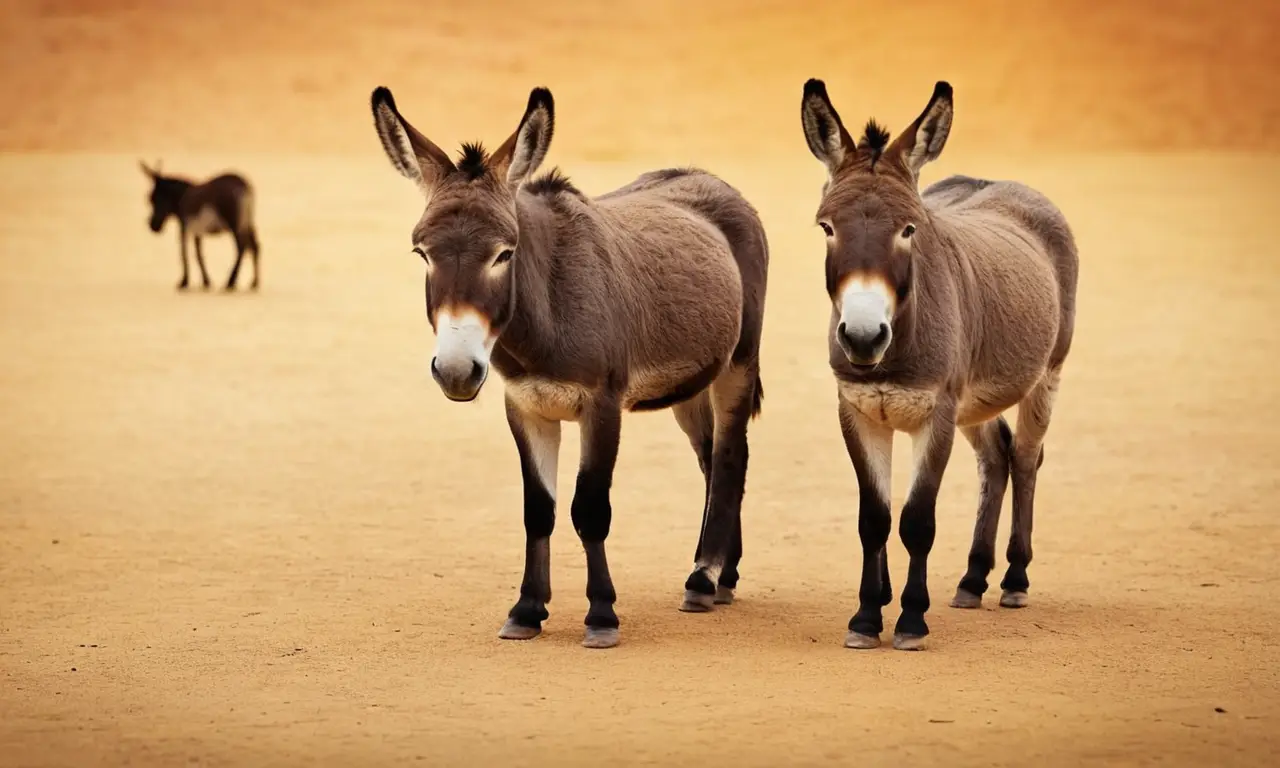
Donkey vs. Donkey: Unveiling Key Differences
The world of equines is vast and fascinating, and among its most charming inhabitants are donkeys. Often misunderstood and conflated with their horse cousins, donkeys themselves exhibit a surprising range of diversity. While the common understanding might lump all donkeys into a single category, a closer examination reveals distinct types, each with unique characteristics, historical roles, and care requirements. This article delves into the fascinating Differences between donkey and donkey, exploring their varied breeds, temperaments, physical attributes, and suitability for different purposes, aiming to provide a comprehensive understanding for anyone curious about these remarkable animals.
𝙲𝚘𝚗𝚝𝚎𝚗𝚝
The Donkey Family Tree: Understanding the Basics
Before we delve into the specific differences between various types of donkeys, it's essential to establish a baseline understanding of what a donkey is. Scientifically known as Equus africanus asinus, donkeys are domesticated members of the equid family, distinguished from horses by their characteristically long ears, their braying vocalization (distinct from a horse's whinny), and their sturdier, more resilient build. They are known for their intelligence, sure-footedness, and often, a stubborn streak that is more accurately described as strong self-preservation instincts.
Common Donkey Breeds: A Diverse Landscape
When we speak of the Differences between donkey and donkey, we are primarily referring to the variations found across different breeds. While there aren't as many recognized donkey breeds as there are horse breeds, the existing ones offer a rich tapestry of characteristics. Let's explore some of the most prominent:
1. The Standard Donkey (Domestic Donkey)
This is the most common type of donkey encountered globally. They are descended from the African wild ass and have been domesticated for thousands of years. Standard donkeys come in a variety of colors, with grey being the most prevalent, often displaying a dark dorsal stripe down their back and a shoulder stripe forming a cross.
- Physical Characteristics: Medium-sized, typically standing between 36 and 48 inches (91-122 cm) at the shoulder. They possess the characteristic long ears, a sturdy frame, and a mane that stands erect.
- Temperament: Generally good-natured, patient, and intelligent. They are known for their calm demeanor and can be very trainable, though their independent thinking can sometimes be misinterpreted as stubbornness.
- Historical Roles: Primarily used as beasts of burden, carrying loads and pulling carts in agricultural settings and for transportation across varied terrains. Their endurance and ability to thrive on sparse vegetation made them invaluable.
2. The Miniature Donkey
As the name suggests, miniature donkeys are significantly smaller than their standard counterparts. They were developed in Europe, with the Sardinian donkey and the Amiata donkey being foundational to many modern miniature breeds.
- Physical Characteristics: Exceptionally small, typically standing no taller than 36 inches (91 cm) at the shoulder, with many being much smaller. They retain all the classic donkey features, just in a miniature package. They often have softer coats and can come in a wider array of colors.
- Temperament: Often described as more playful and affectionate than standard donkeys. They can make excellent companions and are known for their gentle nature, making them suitable for children under supervision.
- Modern Roles: While still capable of light work, their primary roles today are as pets, therapy animals, and in parades or shows. Their manageable size and appealing looks contribute to their popularity.
3. The Mammoth Jackstock Donkey
This breed is the polar opposite of the miniature donkey, standing as the largest breed of donkey. Developed in the United States, they were originally bred for their size and strength to produce large, sturdy mules.
German vs Belgian Shepherd: Key Differences Explained- Physical Characteristics: Impressive stature, often standing 15 hands (60 inches or 152 cm) or more at the shoulder, with some exceeding 16 hands. They have a strong, muscular build, long legs, and the characteristic donkey ears, though often proportioned to their large heads.
- Temperament: While large, they generally retain the donkey's intelligence and patience. They can be very calm and steady, making them suitable for riding and driving when properly trained.
- Historical and Modern Roles: Bred to be the sire for mules, which are highly prized for their strength and stamina. Mammoth Jackstock are also used for driving, riding, and as impressive show animals.
4. The Andalusian Donkey
Originating from Andalusia, Spain, this breed is known for its distinct appearance and historical significance.
- Physical Characteristics: Medium to large in size, with a generally fine bone structure for a donkey. They often have a distinctive, silky coat and prominent, intelligent eyes. Colors can vary but are often shades of grey.
- Temperament: Renowned for their gentle, docile, and tractable nature. They are intelligent and eager to please, making them excellent for various forms of work and companionship.
- Historical Roles: Historically used in agriculture, for transport, and as a pack animal in the Andalusian region. They were also valued for their contribution to the development of other donkey breeds.
5. The Poitou Donkey (Baudet du Poitou)
This is one of the oldest and most distinctive donkey breeds, originating from the Poitou region of France. Sadly, it is also one of the rarest.
- Physical Characteristics: Large and robust, with a distinctive shaggy, often dark, curly coat that can appear almost woolly. They have a long, flowing mane and tail. They are typically quite tall, often over 14 hands.
- Temperament: Known for their calm and patient disposition. They are strong and hardy animals, well-suited to working in demanding conditions.
- Historical Roles: Primarily bred for their size and strength, and historically, their semen was highly valued for producing mules, particularly the Poitou mule, which was prized for its size and quality. Efforts are ongoing to conserve this critically endangered breed.
Key Differences between donkey and donkey Summarized
While the above breeds showcase a range of variations, we can distill the core Differences between donkey and donkey into several key areas:
1. Size and Build
This is perhaps the most obvious difference.
* Miniature Donkeys: Smallest, weighing between 150-400 lbs and standing under 36 inches.
* Standard Donkeys: Medium-sized, typically 400-700 lbs and 36-48 inches tall.
* Mammoth Jackstock: Largest, exceeding 1000 lbs and 15 hands (60 inches) tall.
* Poitou Donkeys: Large and robust, often over 14 hands.
* Andalusian Donkeys: Medium to large, with a finer bone structure.
2. Coat and Color
While grey is common across many breeds, there are notable distinctions:
* Standard Donkeys: Grey with dorsal stripe and shoulder cross are typical. Other colors exist.
* Miniature Donkeys: A wider range of colors including black, brown, sorrel, and spotted patterns are more common.
* Poitou Donkeys: Famous for their shaggy, dark, and often curly coat.
* Mammoth Jackstock: Can be various colors but often dark.
3. Temperament and Trainability
While all donkeys are intelligent, their propensities can differ slightly:
* Standard Donkeys: Patient, reliable, can be a bit more independent.
* Miniature Donkeys: Often more playful and demonstrative of affection, very gentle.
* Mammoth Jackstock: Calm, steady, can be very trainable for work and riding.
* Andalusian Donkeys: Particularly noted for their docility and willingness to please.
* Poitou Donkeys: Calm, patient, and hardy.
4. Vocalizations (Bray)
While all donkeys bray, the pitch and intensity can sometimes be perceived as different, though this is more anecdotal than scientifically classified by breed. The characteristic "hee-haw" is a universal donkey trait.
5. Purpose and Utility
Historically and in modern times, different breeds have been favored for specific roles:
* Beasts of Burden: Standard and Poitou donkeys excelled here due to their strength and endurance.
* Companionship/Pets: Miniature donkeys are ideal due to their size and gentle nature.
* Breeding Stock (Mules): Mammoth Jackstock are paramount for producing large, powerful mules.
* Riding and Driving: Mammoth Jackstock and well-trained standard donkeys can be ridden and driven.
* Therapy Animals: Miniature donkeys are increasingly popular for this role.
Caring for Different Donkey Types
Understanding the Differences between donkey and donkey also means understanding their distinct care needs.
Diet
All donkeys are efficient feeders and prone to obesity, especially if overfed rich pasture or given too much concentrated feed.
* All Donkeys: Primarily roughage (hay, good quality pasture). Access to fresh water is essential. Overgrazing should be managed.
* Miniature Donkeys: Require carefully managed grazing and portion control to prevent weight gain.
* Mammoth Jackstock: May require slightly more caloric intake due to their size and activity level, but still need a balanced diet focusing on forage.
Housing and Environment
Donkeys are hardy animals, but they benefit from appropriate shelter.
* All Donkeys: Need protection from extreme weather (hot sun, rain, wind, snow). A three-sided shelter is usually sufficient.
* Poitou Donkeys: Their shaggy coats can be prone to matting if not managed, especially in wet climates.
* Social Needs: Donkeys are social animals and generally do best with at least one other donkey or equine companion.
Health and Veterinary Care
Regular veterinary check-ups, hoof care, and deworming are crucial for all donkey breeds.
* Hoof Care: Donkeys have hard hooves that require regular trimming, often more frequently than horses.
* Dental Care: Like horses, donkeys need regular dental checks to ensure they can properly chew their food.
* Obesity Management: This is a significant health concern for all donkeys and requires diligent dietary management.
Training and Handling
The "stubbornness" attributed to donkeys is often a sign of intelligence and caution.
* Patience is Key: Positive reinforcement and understanding their thought process are vital.
* Early Socialization: Important for all breeds, especially miniatures, to ensure they are well-adjusted.
* Breed-Specific Training: Mammoth Jackstock may be trained for riding and driving, while miniatures are often trained for haltering and leading as pets.
In summary: Appreciating the Diversity
The Differences between donkey and donkey might seem subtle to the untrained eye, but they are significant. From the pocket-sized charm of the miniature donkey to the imposing presence of the Mammoth Jackstock, and the historical significance of breeds like the Poitou and Andalusian, each type offers a unique blend of characteristics. Whether one is seeking a sturdy working animal, a gentle companion, or a creature of impressive stature, there is a donkey breed to suit a multitude of needs and preferences. By understanding and appreciating these distinctions, we can better care for these intelligent and endearing animals and ensure their continued presence in our world.
Dog Color Vision: How Do Dogs Recognize & Distinguish Colors?
Fila Brasileiro: The Majestic Mastiff of Brazil Explored

Basenji: The Enigmatic Barkless Dog – Congo Terrier Facts
Dog Language & Calm Signals: The Complete Guide
The Enduring Bond: Dogs & Humans, 14,000 Years
Dalmatian Dog: History, Traits & Fun Facts
Related posts