
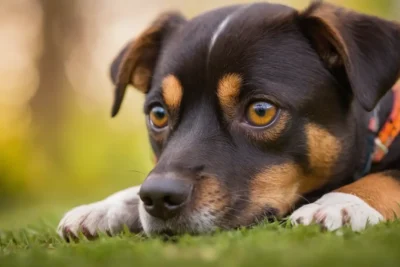
Do Dogs Like Kisses? Understanding Canine Affection Signals
Do Dogs Like Kisses? Understanding Canine Affection Signals
While humans associate kisses with love and affection, the way dogs perceive and respond to them can be quite different. Understanding their body language and individual personality is key to deciphering if your furry friend truly enjoys your smooches, or if they're simply tolerating them. This article delves into the nuances of canine communication regarding physical affection, exploring how to interpret your dog's reactions, the potential downsides of human kisses for dogs, and alternative ways to express your love that they'll truly appreciate. We'll also touch upon the evolutionary and behavioral aspects that shape how dogs experience human interaction.
𝙲𝚘𝚗𝚝𝚎𝚗𝚝
The Human Interpretation of Kisses
From a human perspective, a kiss is a powerful gesture of endearment, a sign of deep affection, trust, and intimacy. We plant kisses on our babies, our partners, our friends, and yes, our beloved pets. It’s an ingrained social behavior that signifies our emotional connection. When we kiss our dogs, we are projecting our human emotions and expectations onto them. We interpret their wagging tails, happy panting, and relaxed postures as reciprocation of our loving gestures. However, this anthropomorphic view can sometimes lead to misinterpretations of our canine companions' true feelings.
Canine Communication: A Different Language
Dogs communicate primarily through body language, vocalizations, and scent. Their world is a rich tapestry of subtle cues that we, as humans, often overlook or misinterpret. What we perceive as an affectionate gesture might, in their language, signal discomfort, confusion, or even a sense of being overwhelmed. The act of kissing, which involves direct facial contact and often close proximity, can be particularly ambiguous for a dog.
Are Monkeys Good Pets? Exploring the ComplexitiesBody Language: The Key to Understanding
To truly understand if your dog likes kisses, you need to become a keen observer of their body language. Here are some key indicators to watch out for:
- Relaxed Body: A relaxed dog will have a loose, fluid body. Their tail might be wagging in a relaxed, sweeping motion (not stiff or high-pitched). Their ears will be in a neutral or slightly forward position, and their mouth might be slightly open with a relaxed pant.
- Lip Licking: While sometimes a sign of anticipation, excessive or rapid lip licking can indicate stress or anxiety. If your dog licks their lips repeatedly when you lean in to kiss them, it’s a sign they might be uncomfortable.
- Yawning: A yawn can be a sign of fatigue, but it's also a common displacement behavior in dogs, used to de-escalate tension or express unease. If your dog yawns when you attempt to kiss them, they might be trying to signal that they need some space.
- Turning Away/Avoiding Eye Contact: A dog that turns its head away, ducks its head, or avoids direct eye contact when you approach to kiss them is often trying to avoid the interaction. This is a clear signal of discomfort.
- Whale Eye: This is when a dog shows the whites of their eyes. It's a sign of stress and anxiety, indicating that they feel cornered or threatened. If you see whale eye when you lean in for a kiss, stop immediately.
- Tucked Tail: A tail tucked between the legs is a universal sign of fear or submission. If your dog tucks their tail when you go to kiss them, it's a strong indicator of distress.
- Stiffening: A sudden stiffening of the body, with muscles tensed, is another sign that the dog is feeling anxious or defensive.
- Growling/Snapping: These are more extreme reactions and clear warnings that the dog wants you to stop. If your dog exhibits these behaviors, it’s crucial to respect their boundaries and create space.
Positive Signs of Enjoyment
Not all kisses are met with discomfort. Some dogs genuinely seem to enjoy the attention. If your dog exhibits these signs when you kiss them, they are likely enjoying the interaction:
- Leaning In: A dog that actively leans into your kiss or nudges you for more attention is usually a good sign.
- Tail Wagging: A happy, relaxed wagging tail is a positive indicator.
- Soft Eyes: Their eyes will appear soft and relaxed, not wide or staring.
- Happy Panting: A gentle, relaxed pant can indicate contentment.
- Licking Back: Some dogs will lick your face back in a reciprocal gesture of affection. This is often seen in puppies when interacting with their mothers.
Why Some Dogs Might Not Like Kisses
Several factors contribute to why a dog might not appreciate kisses:
Bee Diet Explained: Do You Know What Bees Eat?- Instinctual Prey Drive: For some dogs, especially those with a strong prey drive, being approached directly with a face close to theirs can be perceived as a predatory threat. This can trigger defensive or fearful reactions.
- Past Negative Experiences: If a dog has had a negative experience in the past where they were forced into close contact or experienced pain during an interaction involving kisses, they may develop an aversion.
- Individual Personality: Just like humans, dogs have individual personalities and preferences. Some dogs are naturally more reserved or independent, while others are cuddly and enjoy close contact.
- Sensory Overload: Dogs have a much more powerful sense of smell than humans. The strong scents of human perfumes, colognes, or even toothpaste can be overwhelming and unpleasant for them.
- Feeling Trapped: When you lean in for a kiss, you are often in close proximity, which can make some dogs feel trapped or cornered, especially if they are not comfortable with the interaction.
- Misinterpreting the Gesture: Dogs don't inherently understand the human concept of a "kiss" as a sign of love. They interpret it based on their own social cues and experiences.
When Kisses Can Be Problematic
Beyond a dog’s personal preference, there are other reasons why kissing your dog might not always be a good idea:
- Transmission of Germs: While most dog-owner germ exchanges are benign, there's a potential for transmission of bacteria and viruses in both directions. Some zoonotic diseases can be transmitted through saliva. Practicing good hygiene, like washing your hands after handling your dog, is always recommended.
- Hygiene Concerns: If your dog has a mouth infection or bad breath, your kiss might not be the most pleasant experience for you either.
- Encouraging Undesirable Behaviors: For some dogs, being kissed can escalate into jumping or demanding attention, which might not be the behavior you want to encourage.
Alternatives to Kisses: Showing Your Love
If your dog isn't a big fan of kisses, or if you want to ensure your affection is well-received, there are many other wonderful ways to show your love:
- Gentle Petting and Scratching: Most dogs adore a good belly rub, a scratch behind the ears, or a gentle stroke down their back. Pay attention to where they lean in and enjoy your touch.
- Playtime: Engaging in games like fetch, tug-of-war, or a good romp in the park is a fantastic way to bond and show your dog you care.
- Verbal Praise: Use a soft, happy tone of voice to praise your dog for good behavior. They understand tone and associate it with positive experiences.
- Training Sessions: Positive reinforcement training can be a great way to build a strong bond and communicate effectively with your dog.
- Treats and Positive Reinforcement: Occasional treats, especially during training or as a reward for good behavior, are a clear way to show your dog you appreciate them.
- Quiet Companionship: Sometimes, simply being present and sharing quiet time with your dog is enough. Sit with them, read a book, or watch TV together.
- Respecting Their Space: The most crucial way to show love is to respect your dog’s boundaries and their need for personal space.
Understanding Your Dog's Love Language
Every dog has a unique "love language." Your job as a responsible pet owner is to learn to speak it. This involves:
Dog Nudging: Does Your Dog Hit You With His Nose? What Does It Mean?- Observation: Pay close attention to your dog’s reactions in various situations. What makes them happy? What makes them uncomfortable?
- Patience: Learning your dog’s signals takes time and consistency.
- Respect: Always respect your dog’s cues. Never force an interaction that they are clearly trying to avoid.
- Individuality: Remember that every dog is an individual with their own preferences and experiences. What works for one dog might not work for another.
In summary: Kisses are Not Universal Canine Affection
In conclusion, while the question of "Do dogs like kisses?" doesn't have a universal yes or no answer, it's clear that the human interpretation of this gesture doesn't always align with canine communication. By understanding your dog's body language, respecting their boundaries, and offering affection in ways they understand and appreciate, you can build a stronger, more trusting, and loving relationship. Focus on what truly makes your dog happy, and you'll find countless ways to express your love that are far more meaningful to them than a human kiss. The most profound sign of affection you can offer your dog is to truly understand and respect them for who they are.
Dog Color Vision: How Do Dogs Recognize & Distinguish Colors?

Fila Brasileiro: The Majestic Mastiff of Brazil Explored
Basenji: The Enigmatic Barkless Dog – Congo Terrier Facts
Dog Language & Calm Signals: The Complete Guide
The Enduring Bond: Dogs & Humans, 14,000 Years
Dalmatian Dog: History, Traits & Fun Facts
Related posts