
Do Guinea Pigs Recognize Their Owners? Unveiling the Bond
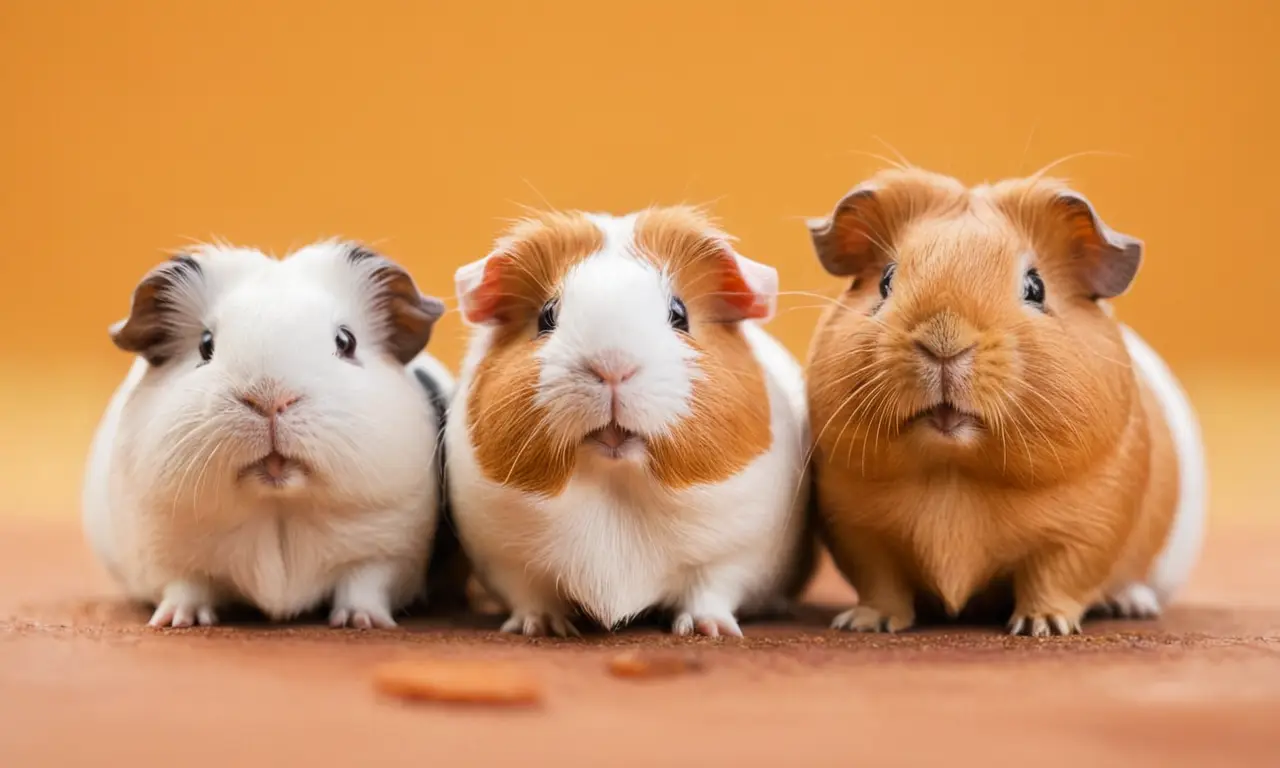
Do Guinea Pigs Recognize Their Owners? Unveiling the Bond
It's a question many guinea pig owners ponder: can these small, furry companions truly recognize and form a bond with the humans who care for them? The answer is a resounding yes, though their recognition and affection manifest in ways that might differ from what we observe in more conventionally domesticated animals like dogs or cats. Guinea pigs possess a remarkable capacity for social bonding, and with consistent interaction, positive reinforcement, and a deep understanding of their unique communication methods, they can absolutely learn to identify and cherish their owners. This article will delve into the fascinating world of guinea pig recognition, exploring the senses they use, the behaviors that indicate their acknowledgment of you, and how to foster a strong, loving relationship with your pet.
𝙲𝚘𝚗𝚝𝚎𝚗𝚝
The Sensory World of Guinea Pigs: How They Perceive Us
Guinea pigs navigate their world primarily through their senses of smell, hearing, and touch. While their eyesight isn't their strongest suit, it still plays a role in their recognition of familiar figures. Understanding these sensory inputs is crucial to comprehending how they learn to distinguish you from strangers.
The Power of Scent: A Guinea Pig's Olfactory Clues
Scent is arguably the most significant way guinea pigs identify individuals. Their olfactory bulbs are well-developed, allowing them to detect and remember a vast array of smells. From the unique aroma of your skin to the lingering scents of your clothing, these olfactory cues become deeply ingrained in their memory.
- Personal Scent: Your natural body odor is a primary identifier. As you handle your guinea pig regularly, your scent becomes associated with positive experiences like feeding, grooming, and gentle interaction.
- Clothing and Accessories: Even the smell of your favorite sweater or the distinct scent of your perfume can act as a signal that you are present.
- Food Association: When you are the one who consistently provides their favorite treats, your scent becomes linked with these enjoyable rewards.
The Melody of Your Voice: Auditory Recognition
Guinea pigs have sensitive hearing and can distinguish between different sounds, including the nuances of human voices. While they may not understand spoken words in the same way a dog does, they learn to associate specific vocalizations with particular individuals and situations.
- Familiar Tones: The pitch, tone, and rhythm of your voice will become familiar. They learn to differentiate your approach from the sounds of other people or potential threats.
- Specific Calls: You might notice your guinea pigs become more vocal or active when they hear you approaching or when you speak to them in a gentle, welcoming manner. This is a direct result of their auditory recognition.
- Your Footsteps: Over time, they can even learn to recognize the sound of your footsteps, anticipating your arrival with excitement.
The Gentle Touch: Tactile Familiarity
Physical contact plays a vital role in building trust and recognition. When you handle your guinea pig with care and gentleness, they begin to associate your touch with safety and comfort.
- Comforting Petting: Gentle strokes and scratches in their favorite spots become a signal of your affection and presence.
- Familiar Handling: The way you pick them up and hold them will become familiar and reassuring. Any sudden or rough movements can cause them to feel anxious.
- Grooming Sessions: Regular grooming sessions, where you brush their fur and check their nails, further solidify the tactile connection and recognition.
Visual Cues: What They See
While guinea pigs have a limited field of vision and are somewhat nearsighted, they can still recognize familiar shapes and movements. They may not discern intricate details of your face, but they will recognize your general silhouette and the way you move.
Your Guide to Common Pet Turtle Species- Familiar Shape: They associate your overall form with positive experiences.
- Movement Patterns: The way you walk or lean towards their enclosure can become a visual cue that you are coming to interact with them.
Behavioral Indicators: How Guinea Pigs Show They Recognize You
Once guinea pigs learn to recognize their owners, they exhibit a range of charming behaviors that signal their acknowledgment and affection. These are the subtle, yet significant, ways they communicate their comfort and bond with you.
Vocalizations of Recognition
Guinea pigs have a surprisingly diverse vocabulary of sounds, and certain vocalizations are often linked to recognizing their owner.
- Wheeking: This is perhaps the most famous guinea pig sound. While often associated with the anticipation of food, they will also "wheek" when they see their owner approaching, especially if it's a person who consistently provides them with treats and positive attention. It's a happy, excited sound.
- Purring (Chirping/Rumbling): This is a more nuanced sound. A soft, rumbling purr often indicates contentment and relaxation when being petted by a familiar person. A louder, more insistent purr can sometimes signal mild annoyance or a demand for attention. The context and your understanding of your guinea pig's personality are key to deciphering its meaning.
- Chuttering/Chattering: This sound can indicate excitement or even a mild form of territoriality or warning if they are unsure about something or someone new. However, when directed at their owner in a non-threatening context, it can signify playful interaction.
- Whistling: Some guinea pigs develop unique whistling sounds that they use to get their owner's attention.
Physical Affirmations of Trust
Beyond vocalizations, guinea pigs will display physical behaviors that demonstrate their comfort and recognition of their owner.
- Approaching the Cage Bars: When you approach their enclosure, a recognized owner will often be met with guinea pigs coming to the front, peering out, and sometimes even nudging the bars with their noses. This is a clear sign they are interested in interacting with you.
- Climbing on You: If your guinea pig is comfortable being held, they may climb onto your lap or even try to scale your arms and chest. This is a testament to their trust and their desire for close contact.
- Nuzzling and Licking: Gentle nuzzling against your hand or face is a sign of affection. Some guinea pigs may also give soft licks, which is their way of grooming and showing they consider you part of their social group.
- Relaxed Posture: When you are near, a recognized guinea pig will often exhibit a relaxed posture, lying down comfortably, stretching out, or even dozing. This indicates they feel safe and secure in your presence.
- Following You: Some guinea pigs, particularly those who are handled frequently and positively, may follow their owner around the room when they are allowed supervised floor time. This shows a strong bond and a desire to be near you.
- Popcorning: This is a sudden, joyful leap into the air, often accompanied by a twist. While not exclusively a sign of owner recognition, it's a strong indicator of happiness and contentment, which is often amplified when their favorite human is present.
Seeking Interaction
A guinea pig that recognizes its owner will actively seek out interaction. This can include:
- Pressing against your hand: When you reach into their cage or enclosure, they might press their bodies against your hand, encouraging you to pet them.
- Presenting their back for scratches: They may turn their back to you, indicating they want you to scratch their favorite spots.
- Becoming excited when you enter the room: You'll notice a change in their demeanor, with increased activity and vocalizations, when you are around.
Building and Strengthening the Bond: How to Foster Recognition
The process of a guinea pig recognizing its owner is built on consistent, positive interactions. It's about creating a safe and predictable environment where they learn to associate you with good things.
Consistency is Key
Regular interaction is paramount. Try to spend time with your guinea pigs daily, even if it's just for a short period.
Overweight Pets: Uncovering the Root Causes of Obesity- Daily Handling: Handle your guinea pigs gently and for increasing durations as they become more comfortable.
- Feeding Routine: Be the primary person to feed them, especially their favorite treats. This creates a strong association between you and positive rewards.
- Cleaning Routine: Even the act of cleaning their cage, if done calmly and without disturbing them excessively, can become a familiar part of your presence.
Positive Reinforcement
Guinea pigs respond very well to positive reinforcement. This means rewarding desired behaviors.
- Treats: Offer small, healthy treats like pieces of bell pepper, cucumber, or a tiny piece of apple when they approach you, allow you to pet them, or exhibit calm behavior.
- Verbal Praise: Use a soft, gentle tone of voice to praise them when they are behaving well or showing signs of affection.
- Gentle Petting: Focus on petting them in their favorite spots, such as behind the ears or along their back.
Respect Their Space and Pace
It's crucial to remember that guinea pigs are prey animals and can be easily startled. Always approach them calmly and let them come to you.
- Avoid Sudden Movements: Never make sudden loud noises or quick movements around them.
- Gentle Approach: When you reach into their enclosure, do so slowly and let them see your hand.
- Don't Force Interaction: If your guinea pig seems scared or unwilling to be held, don't force it. Let them come to you at their own pace. Over time, with consistent positive reinforcement, they will learn to trust you.
- Observe Body Language: Pay attention to their body language. If they are trying to escape, are tense, or are making warning noises, give them space.
Understanding Guinea Pig Personalities
Just like humans, every guinea pig has a unique personality. Some are naturally more outgoing and bolder, while others are shyer and take longer to warm up.
- Patience: Be patient with shy guinea pigs. It may take weeks or even months for them to fully trust you and show signs of recognition.
- Individual Preferences: Learn what each guinea pig enjoys. Some might love head scratches, while others prefer back rubs.
- Social Needs: Remember that guinea pigs are social animals and do best in pairs or groups. While they bond with their owners, their primary social bonds are with other guinea pigs.
Creating a Stimulating Environment
A stimulating environment can also contribute to their overall well-being and their engagement with you.
- Enrichment: Provide tunnels, hideouts, and safe chew toys to keep them entertained.
- Floor Time: Allow for supervised floor time in a safe, guinea-pig-proofed area. This gives them opportunities to explore and interact with you in a different setting.
The Difference Between Recognition and Deep Affection
It's important to distinguish between a guinea pig recognizing you and the deep, demonstrative affection we often see in dogs or cats. Guinea pigs are not as overtly emotional in their displays of affection. Their recognition is built on comfort, security, and association with positive experiences.
- No "Loyalty" in the Canine Sense: They won't necessarily defend you or show possessiveness. Their bond is more about mutual trust and the comfort of a consistent, benevolent presence.
- Subtle Signals: Their expressions of affection are often subtle – a soft nudge, a contented purr, or allowing you to hold them.
- Focus on Social Bonds: Their inherent social nature means they will also form strong bonds with other guinea pigs in their enclosure.
In summary: A Rewarding Connection
In conclusion, do guinea pigs recognize their owners? Absolutely. Through a combination of their keen senses of smell and hearing, coupled with gentle, consistent handling and positive reinforcement, guinea pigs form distinct bonds with their human companions. The signs of their recognition are woven into their vocalizations, their physical cues, and their willingness to engage. Building this relationship requires patience, understanding, and a commitment to providing a safe, loving, and stimulating environment. The reward for this effort is a unique and deeply satisfying connection with these charming and intelligent little creatures. Witnessing their trust grow and seeing them greet you with excitement is one of the most fulfilling aspects of guinea pig ownership.
Best Dog Breeds for Alzheimer's Patients: Companionship & Care
Cat Urinary Crystals: Types, Symptoms & Treatment Guide
Cat Weight: How Do I Know If My Cat Is Fat?
Encephalitis in Dogs: Symptoms, Causes & Treatment
Dog Cavities: Causes, Symptoms, and Treatment Options
Natural Flea Relief: Home Remedies for Fleas in Cats
Newborn Puppy Feeding Guide: From Birth to Weaning
Related posts