

Bee Diet Explained: Do You Know What Bees Eat?
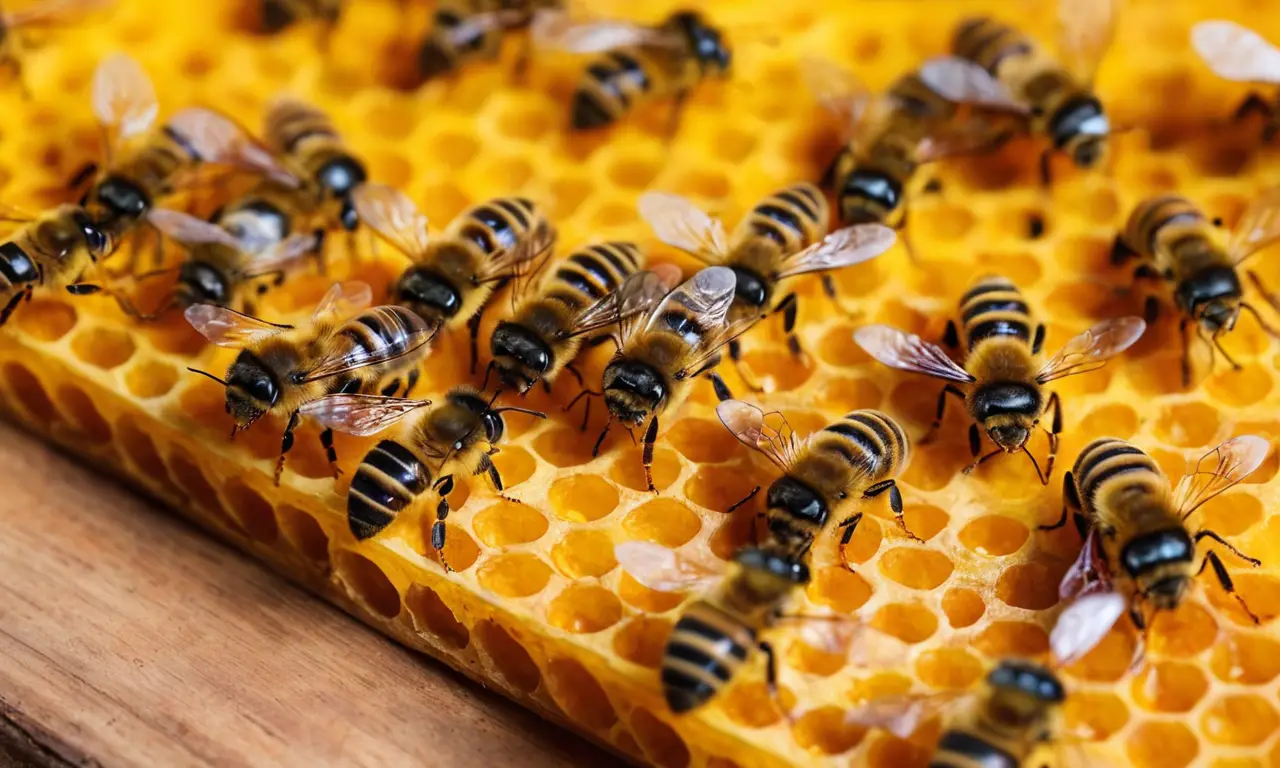
The Fascinating Diet of Bees: What Do They Actually Eat?
Bees, those indispensable pollinators, lead lives intricately tied to the floral world, and their sustenance is as diverse and specialized as their roles within the hive. Understanding do you know what bees eat? is crucial for appreciating their ecological importance and for supporting their dwindling populations. This article delves deep into the nutritional world of bees, exploring the primary food sources that fuel their tireless work, the intricate processes of pollen and nectar collection, and the vital role these components play in colony health and survival.
𝙲𝚘𝚗𝚝𝚎𝚗𝚝
The Pillars of Bee Nutrition: Nectar and Pollen
At the heart of a bee's diet lie two primary, yet distinct, components sourced directly from flowers: nectar and pollen. These are not interchangeable; each serves a unique and critical purpose in sustaining the individual bee and the entire colony.
Nectar: The Sweet Energy Source
Nectar is a sugary liquid produced by flowers in glands called nectaries. Its primary function from a plant's perspective is to attract pollinators. For bees, nectar is the main source of carbohydrates, providing the essential energy they need for flight, foraging, hive maintenance, and all their daily activities.
- Composition: Nectar is primarily composed of water and various sugars, predominantly sucrose, fructose, and glucose. The specific sugar composition can vary significantly between flower species, influencing the taste and energy content.
- Transformation into Honey: Upon returning to the hive, worker bees process nectar through a remarkable series of regurgitation and dehydration. Enzymes are added, and the water content is reduced, transforming the thin nectar into thick, stable honey. Honey is not only a food source for the bees but also their primary method of storing energy for leaner times, especially during winter.
- Energy for the Colony: The energy derived from nectar fuels the constant activity within the hive. A single bee might fly miles to collect enough nectar to produce a small amount of honey, highlighting the collective effort required for colony survival.
Pollen: The Protein Powerhouse
While nectar provides energy, pollen is the indispensable source of protein, fats, vitamins, and minerals for bees. It's essentially the "bread" of the bee world, vital for growth, development, and reproduction.
- Composition: Pollen grains are microscopic structures containing the male gametes of flowering plants. They are rich in amino acids, lipids, vitamins (like B vitamins and vitamin C), minerals (such as potassium, calcium, and magnesium), and antioxidants.
- Collection Process: Worker bees meticulously collect pollen using specialized structures on their hind legs called pollen baskets (corbiculae) or, in some species, by packing it into scopae (hair-like structures). They often mix pollen with a bit of nectar or their own saliva to form "bee bread."
- Nutritional Importance for Different Bee Stages:
- Larvae: Developing bee larvae are entirely dependent on pollen for their growth and metamorphosis into adult bees. A deficiency in pollen can lead to smaller, weaker bees or even the inability to develop properly.
- Adult Bees: While adult bees can subsist on nectar for energy, pollen is crucial for their overall health, immune function, and the development of their hypopharyngeal glands, which produce royal jelly.
- Queen Bees: Queen bees consume large quantities of royal jelly, a secretion from the hypopharyngeal glands of worker bees, which is itself made from pollen and nectar. Royal jelly provides the queen with the necessary nutrients to lay thousands of eggs daily.
- Variability in Pollen: Different floral sources offer pollen with varying nutritional profiles. A diverse diet of pollen from a wide range of flowers is essential for a healthy and robust bee colony.
Beyond Nectar and Pollen: Water and Other Needs
While nectar and pollen are the cornerstones of a bee's diet, they also require other essential elements for survival.
Water: The Unsung Hero
Water is as critical to bees as it is to any living organism. They use it for several vital functions:
Dog Nudging: Does Your Dog Hit You With His Nose? What Does It Mean?- Diluting Honey: Bees dilute honey with water to make it more digestible, especially for feeding the larvae.
- Regulating Hive Temperature: During hot weather, bees carry water into the hive and fan their wings to create airflow, facilitating evaporative cooling and maintaining a stable hive temperature crucial for brood development.
- Hydration: Like all creatures, bees need water to stay hydrated.
Bees typically find water sources at puddles, streams, or even dew drops on plants.
Royal Jelly: The Elite Food
Royal jelly is a special secretion produced by young worker bees (nurse bees) from their hypopharyngeal and mandibular glands. It's a highly nutritious, creamy substance fed exclusively to the queen bee and young larvae.
- Composition: Royal jelly is rich in proteins (including unique ones like royalactin), sugars, lipids, vitamins, minerals, and amino acids.
- Role in Queen Development: The exclusive diet of royal jelly for a few days is what triggers a female larva to develop into a queen bee, rather than a worker bee. It supports her rapid growth, fertility, and longevity.
- Nutrient Dense: Even for worker bee larvae, royal jelly provides superior nutrition compared to bee bread, promoting faster growth and better health.
How Bees Source Their Food: The Art of Foraging
The collection of nectar and pollen is a highly organized and efficient process driven by the foraging instinct of worker bees.
Foraging Behavior
- Scout Bees: Experienced worker bees, known as scout bees, venture out to find new and abundant food sources. They then return to the hive and perform a "waggle dance" to communicate the location, distance, and quality of the food source to other foragers.
- Foraging Flights: Once a food source is identified, thousands of worker bees will embark on foraging flights. They meticulously collect nectar in their honey stomachs and pollen in their pollen baskets.
- Flower Fidelity: Bees often exhibit "flower fidelity," meaning they will focus on one type of flower during a foraging trip. This behavior is beneficial for plant pollination and ensures a more concentrated collection of specific nectar and pollen types for the hive.
Factors Affecting Food Availability
The availability and quality of nectar and pollen are heavily influenced by various environmental factors:
- Climate and Weather: Droughts, excessive rain, or extreme temperatures can significantly reduce flower blooms and nectar production, impacting bee populations.
- Habitat Loss and Fragmentation: Urbanization, intensive agriculture, and habitat destruction reduce the diversity and abundance of flowering plants available to bees.
- Pesticide Use: Certain pesticides, particularly neonicotinoids, can be highly toxic to bees, impairing their navigation, foraging abilities, and overall health.
- Monoculture Farming: Large areas planted with a single crop provide a limited and short-lived food source, creating nutritional gaps for bees throughout the year.
Why Understanding Bee Diet is Crucial
Knowing do you know what bees eat? is not just an academic pursuit; it has profound implications for our environment and food security.
Pollination Services
Bees are the most important pollinators in many ecosystems. Approximately one-third of the food we eat relies on pollination by insects, with bees being the primary contributors. Fruits, vegetables, nuts, and seeds all depend on bee pollination for their production. A healthy bee population, fueled by a diverse and abundant diet, directly translates to a more secure food supply for humans.
Dog Language & Calm Signals: The Complete GuideBiodiversity
Bees play a vital role in maintaining biodiversity. By pollinating wild plants, they help these plants reproduce, which in turn supports other wildlife that depends on those plants for food and shelter.
Colony Health and Survival
For bees themselves, a balanced diet is paramount for colony health.
* Nutritional Deficiencies: A lack of diverse pollen can weaken a colony's immune system, making them more susceptible to diseases and parasites like the Varroa mite.
* Winter Survival: Honey produced from nectar is the bees' primary food source during the winter when flowers are scarce. Sufficient honey stores are crucial for the colony to survive the cold months.
How We Can Help Bees Thrive
Understanding what bees eat empowers us to take action to support their populations.
Planting Bee-Friendly Flowers
Creating bee-friendly habitats is one of the most effective ways to help. Planting a diverse range of native flowers that bloom at different times of the year provides a continuous food source. Consider plants like:
- Spring Bloomers: Willow, Crocus, Hyacinth, Dandelion
- Summer Bloomers: Lavender, Echinacea, Sunflower, Borage, Clover
- Autumn Bloomers: Asters, Goldenrod, Sedum
Reducing Pesticide Use
Opt for organic gardening practices and avoid using pesticides, especially during flowering seasons. If pesticides are necessary, choose bee-safe options and apply them in the late evening when bees are less active.
Providing Water Sources
A shallow dish of water with pebbles or small stones for bees to land on can be a lifesaver, especially during dry periods.
Basque Dog Names: Unique & Meaningful ChoicesSupporting Local Beekeepers
Purchasing local honey and beeswax products supports beekeepers who are working to maintain healthy bee populations.
In summary: A World Without Bees?
The question "do you know what bees eat?" leads us to a deeper appreciation for the complex relationship between bees and the plant world. Their reliance on nectar for energy and pollen for protein, coupled with their need for water, forms the foundation of their existence. As pollinators, they are the unsung heroes of our agricultural systems and natural ecosystems. By understanding their dietary needs and the challenges they face, we can collectively contribute to their conservation, ensuring a healthier planet for both bees and humans. The survival of these incredible insects is intrinsically linked to our own.
Dog Color Vision: How Do Dogs Recognize & Distinguish Colors?

Fila Brasileiro: The Majestic Mastiff of Brazil Explored
Basenji: The Enigmatic Barkless Dog – Congo Terrier Facts

Dog Language & Calm Signals: The Complete Guide

The Enduring Bond: Dogs & Humans, 14,000 Years

Dalmatian Dog: History, Traits & Fun Facts
Related posts