

Dog Nudging: Does Your Dog Hit You With His Nose? What Does It Mean?
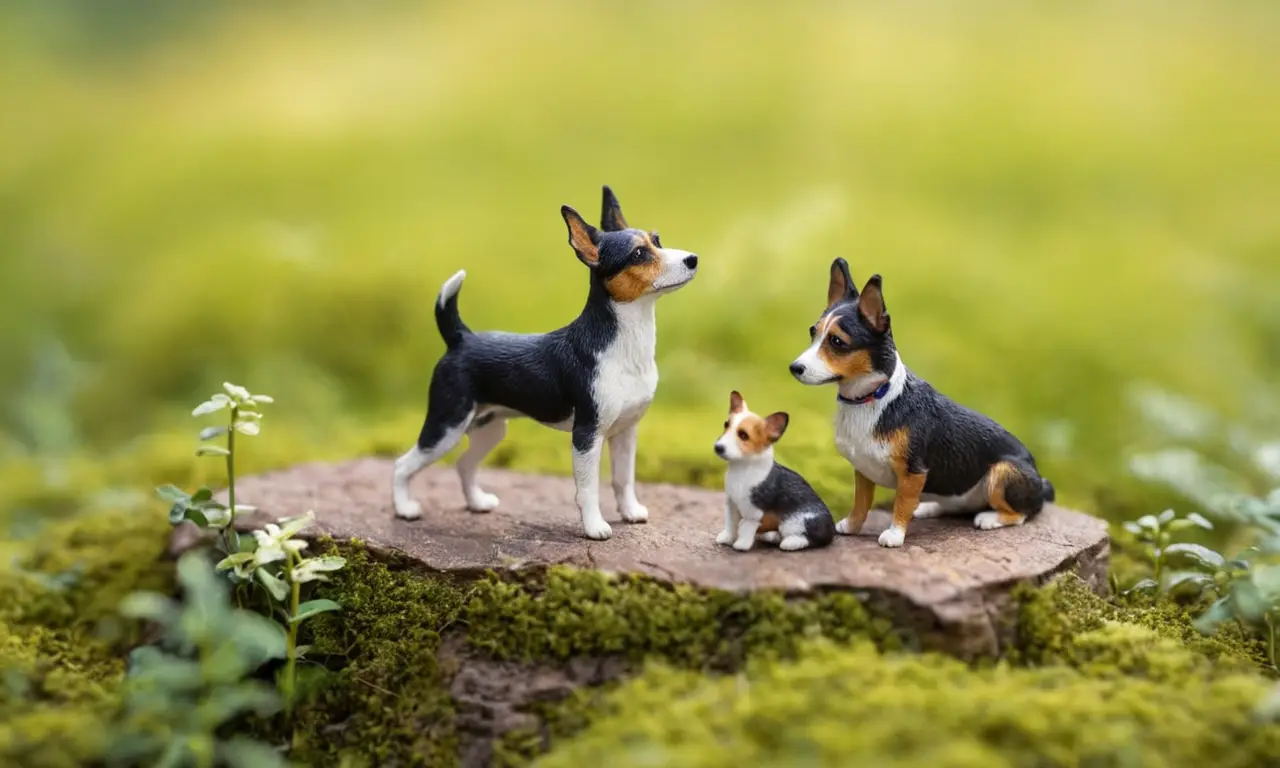
Dog Nudging: Does Your Dog Hit You With His Nose? What Does It Mean?
It's a common, and often endearing, behavior: your dog nudges you with their nose. While it might seem like a simple, affectionate gesture, understanding the underlying reasons behind this canine communication can significantly deepen your bond and help you respond more effectively to your furry friend's needs. This article will delve into the various meanings of a dog nudging you with its nose, exploring everything from requests for attention and food to expressions of affection and even anxiety, and offer practical advice on how to interpret and manage this prevalent behavior.
The Multitude of Meanings Behind a Dog's Nose Nudge
Canine communication is a complex tapestry woven with body language, vocalizations, and subtle physical interactions. A nose nudge, or "boop," is one of the more direct and easily observable forms of this communication. It’s rarely just one thing; the context, your dog's demeanor, and your relationship play crucial roles in deciphering its precise meaning.
1. The Plea for Attention and Affection
Perhaps the most frequent reason for a dog to nudge you with its nose is a simple desire for attention. Dogs are social creatures, and they thrive on interaction with their human companions. If you're engrossed in a book, staring at a screen, or otherwise seemingly unavailable, your dog might use a gentle nudge to remind you of their presence and their yearning for a pat, a scratch, or a bit of playtime.
- Significance: This is a healthy sign of your dog's attachment and their desire to be part of your life. They are actively seeking connection.
- How to Interpret: Observe your dog’s body language. Are their eyes soft and looking at you? Is their tail giving a gentle wag? If so, it's likely a call for attention.
- What to Do: Respond by giving them the attention they seek. A few minutes of petting, a short play session, or even just acknowledging them with a smile and a soft word can be enough. Over time, this reinforces their behavior as a positive way to interact.
2. The "I'm Hungry!" Signal
Food is a powerful motivator for most dogs, and a nudge can be their way of politely, or sometimes not so politely, reminding you that it's mealtime or that they believe it's treat time. This is particularly common if your dog has a regular feeding schedule and you’re deviating from it.
Dog Language & Calm Signals: The Complete Guide- Significance: This is a learned behavior. If nudging has previously resulted in food, your dog will continue to use it as a successful tactic.
- How to Interpret: This nudge might be accompanied by pacing towards their food bowl, looking expectantly at the kitchen, or even a more insistent nudging.
- What to Do: Stick to a consistent feeding schedule. If it’s not mealtime, and you’ve already provided adequate food and treats, you can redirect their behavior. Gently ignore the nudge or lead them to their bed for a moment of calm. Avoid rewarding the nudge with food if it’s not the appropriate time, as this will reinforce the behavior.
3. A Gentle Greeting and Welcome
When you return home after being away, even for a short period, your dog is often overjoyed to see you. A nose nudge can be part of their enthusiastic greeting, a way to physically reconnect and express their happiness at your return.
- Significance: This is a clear expression of joy and relief at your reappearance.
- How to Interpret: This nudge is typically part of a broader display of excitement, including tail wagging, jumping, whining, and possibly even playful mouthing.
- What to Do: Welcome your dog’s excitement with positive reinforcement. Greet them warmly, offer some physical affection, and let them know you're happy to be home too.
4. Seeking Comfort or Reassurance
Sometimes, a nose nudge can be an indicator that your dog is feeling anxious, uncertain, or seeking comfort. In unfamiliar environments, during loud noises (like fireworks or thunderstorms), or when feeling unwell, they might turn to you for a sense of security.
- Significance: This signifies trust. Your dog views you as their safe haven and is seeking emotional support.
- How to Interpret: Look for other signs of stress such as panting, yawning, lip licking, tucked tail, or whale eye (where the whites of their eyes are visible). The nudge might be more insistent or accompanied by whining.
- What to Do: Provide comfort and reassurance. Speak in a calm, soothing voice, offer gentle petting, and create a safe space for them. If the anxiety is persistent or severe, consult with a veterinarian or a certified professional dog trainer for strategies to manage their anxiety.
5. Playfulness and Invitation to Play
A playful nudge can be your dog’s way of initiating a game or inviting you to interact with them physically. This is especially true for younger dogs or those with high energy levels.
- Significance: This is a direct invitation to engage in fun activities.
- How to Interpret: The nudge is usually accompanied by a playful bow (front end down, rear end up), wagging tail, bright eyes, and possibly a soft play-growl.
- What to Do: Engage in play! Fetch, tug-of-war, or even just some roughhousing can satisfy their need for physical and mental stimulation. This is a great way to bond and tire them out.
6. Exploring and Investigating
Dogs use their noses extensively to explore the world around them. When they nudge you, they might also be subtly investigating something on your clothing or skin, or simply engaging in their natural exploratory behavior.
Basque Dog Names: Unique & Meaningful Choices- Significance: This is a normal part of a dog's sensory experience.
- How to Interpret: This type of nudge is often brief and might be followed by sniffing. It's less about soliciting a reaction from you and more about their own sensory input.
- What to Do: Generally, no action is required unless the nudging becomes overly persistent or bothersome.
7. Acknowledging and Validating
In some instances, a nose nudge can be a way for your dog to acknowledge your presence, agree with something you've said (in their own canine way), or simply to say "I hear you."
- Significance: This can be seen as a sign of attentiveness and connection.
- How to Interpret: This is often a subtle nudge that occurs when you're talking to your dog or interacting with them.
- What to Do: Continue to interact with your dog. This type of nudge reinforces the positive relationship you share.
8. Dominance or Assertiveness (Rare, but possible)
While less common with familiar, well-adjusted dogs, a more forceful or insistent nudge, especially when combined with other dominant body language (staring, stiff posture), could indicate a bid for dominance or an attempt to assert their will. This is more likely to be seen in dogs with behavioral issues or in situations where boundaries are unclear.
- Significance: This indicates a desire to control or influence a situation.
- How to Interpret: Look for a hard, pushing nudge, coupled with a stiff body, direct eye contact, and a high tail carriage. This is often directed at you when they want something and are not getting it through gentler means.
- What to Do: If you suspect this is the case, it's crucial to address it with consistent training and clear boundaries. Consult a professional dog trainer to help establish your leadership and reinforce polite behavior. Avoid rewarding this type of assertive nudge.
Factors Influencing the Meaning of a Nose Nudge
Several factors can help you pinpoint the exact meaning of your dog's nose nudge:
- Your Dog's Breed and Age: Younger dogs and breeds known for their high energy and social needs might nudge more frequently for attention and play. Older dogs might nudge for comfort or to get your attention if they are experiencing physical discomfort.
- Your Dog's Personality: Just like humans, dogs have unique personalities. Some are naturally more vocal and demonstrative, while others are more reserved.
- The Context of the Nudge: Where are you? What are you doing? What time of day is it? These details are vital. A nudge near the food bowl at 6 PM has a different meaning than a nudge while you’re watching TV at 9 PM.
- Your Dog's Body Language: This is paramount. A happy, relaxed dog nudging you is different from an anxious or tense dog doing the same.
- Your Relationship with Your Dog: A strong, positive relationship where your dog feels secure and understood will influence how they communicate with you.
When to Be Concerned About Nose Nudging
While nose nudging is usually benign, there are a few situations where it might warrant closer observation or professional intervention:
French Dog Names: A Chic Guide for Your Canine Companion- Sudden Increase in Nudging: If your dog suddenly starts nudging you much more frequently than usual, it could indicate discomfort, pain, or an underlying medical issue. Pay attention to any other changes in their behavior, appetite, or energy levels.
- Nudging Accompanied by Aggression: If the nudging is accompanied by growling, snapping, or any other aggressive signals, it’s a serious concern that requires immediate attention from a professional.
- Compulsive Nudging: If the nudging seems obsessive or your dog cannot be distracted from it, it might be a sign of anxiety or a compulsive disorder.
Training Your Dog to Communicate Effectively
Understanding your dog’s nudges is the first step. The next is ensuring they communicate their needs in ways that are comfortable for both of you.
- Reinforce Positive Communication: When your dog nudges you appropriately (e.g., for attention when you have free time), reward them with positive attention.
- Redirect Undesired Nudges: If your dog nudges you for food when it's not mealtime, redirect them to their bed or a favorite toy. If they nudge you to get you off the couch, ask them to do a simple command like "sit" before rewarding them with attention.
- Teach Alternative Cues: You can teach your dog other ways to ask for things. For example, you could train them to ring a bell to go outside or to bring you their leash for a walk.
- Establish Clear Boundaries: Consistency is key. If nudging is only rewarded sometimes, your dog will become confused. Decide what behaviors are acceptable and stick to them.
- Address Anxiety: If you suspect anxiety is driving the nudging, work on desensitization and counter-conditioning techniques, or seek professional help.
In summary
Does your dog hit you with his nose? What does it mean? It means your dog is communicating with you! This simple act is a rich form of canine language, carrying messages of affection, need, desire, and even a bit of anxiety. By paying close attention to your dog's body language, the context of the situation, and the nuances of their nudges, you can become a more astute interpreter of their needs. This deeper understanding not only enriches your relationship with your canine companion but also allows you to respond effectively, ensuring their happiness and well-being, and fostering an even stronger bond built on mutual understanding and trust. So the next time your dog nudges you with their nose, embrace it as a unique opportunity to connect and learn more about the fascinating world of your dog's inner life.
Dog Color Vision: How Do Dogs Recognize & Distinguish Colors?

Fila Brasileiro: The Majestic Mastiff of Brazil Explored

Basenji: The Enigmatic Barkless Dog – Congo Terrier Facts

Dog Language & Calm Signals: The Complete Guide

The Enduring Bond: Dogs & Humans, 14,000 Years

Dalmatian Dog: History, Traits & Fun Facts
Related posts