

Dog Destroys House: Causes & Solutions for Destructive Behavior
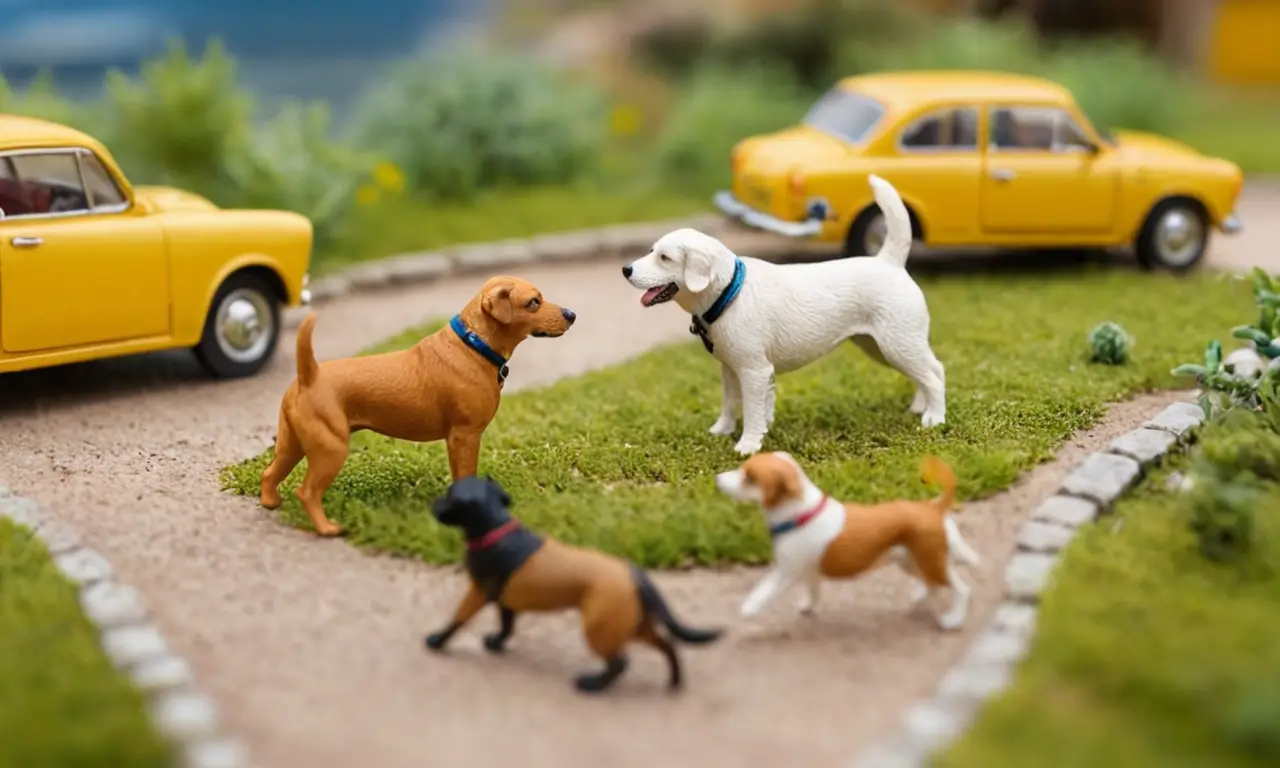
Dog Destroys the House: Causes and What to Do
Experiencing your beloved canine companion transforming into a furry wrecking ball can be disheartening and frustrating. When a Dog destroys the house: Causes and what to do becomes your primary concern, it's essential to understand the underlying reasons behind this destructive behavior and implement effective strategies to address it. This comprehensive guide will delve into the common triggers for destructive tendencies in dogs and provide actionable advice for owners seeking to restore peace and order to their homes.
The journey to understanding and mitigating your dog's destructive behavior begins with recognizing that it's rarely malicious. Instead, it's a communication tool, an outlet for pent-up energy, anxiety, or a response to unmet needs. By diligently observing your dog's actions, understanding their breed predispositions, and addressing their specific circumstances, you can effectively redirect their energy and foster a harmonious living environment. This article aims to equip you with the knowledge and tools necessary to tackle this common, yet often perplexing, issue.
𝙲𝚘𝚗𝚝𝚎𝚗𝚝
- Understanding the Root Causes of Destructive Behavior
-
Strategies to Address a Dog Destroys the House: Causes and What to Do
- 1. Adequate Exercise and Mental Stimulation
- 2. Managing Separation Anxiety
- 3. Puppy-Specific Solutions (Teething)
- 4. Addressing Fear and Phobias
- 5. Ruling Out Medical Issues
- 6. Positive Reinforcement for Good Behavior
- 7. Provide Appropriate Outlets for Chewing
- 8. Crate Training (When Done Correctly)
- 9. What NOT to Do
- When to Seek Professional Help
- In summary
Understanding the Root Causes of Destructive Behavior
Before you can effectively tackle a dog destroying your house, it's crucial to pinpoint why it's happening. Destructive behavior in dogs is rarely an isolated incident; it's usually a symptom of an underlying issue. Let's explore the most common culprits:
1. Boredom and Lack of Stimulation
This is arguably the most prevalent reason for a Dog destroys the house: Causes and what to do. Dogs are intelligent and energetic creatures. If they don't have enough mental and physical outlets, they will find their own, often with disastrous results for your belongings. This can manifest as chewing furniture, digging up carpets, or shredding pillows.
- Insufficient Exercise: A dog that isn't getting enough physical activity will have excess energy that needs to be expended. This can include walks, runs, playing fetch, or engaging in dog sports.
- Lack of Mental Stimulation: Just as important as physical exercise is mental engagement. Dogs need puzzles, training sessions, and interactive toys to keep their minds occupied. Without it, they'll invent their own "jobs."
- Breed Predispositions: Certain breeds were originally bred for tasks that required high energy levels and mental acuity (e.g., Border Collies, Huskies, Jack Russell Terriers). If these needs aren't met, they are more prone to destructive behaviors when bored.
2. Separation Anxiety
This is a common and distressing condition where dogs exhibit distress when separated from their owners. The destruction is often a manifestation of their panic and anxiety.
- Symptoms: Destructive behavior when alone, excessive barking or howling, pacing, house soiling, and even attempts to escape.
- Triggers: Sudden changes in routine, a new environment, a new family member, or past traumatic experiences.
- Severity: Separation anxiety can range from mild unease to severe panic attacks.
3. Teething in Puppies
Puppies explore the world with their mouths, and chewing is a natural part of their development, especially when they are teething. Their gums become sore and itchy, and chewing provides relief.
- Timeline: Teething typically occurs between 3 to 7 months of age.
- Behavior: They will chew on anything they can get their mouths on, including furniture legs, shoes, and toys.
- Distinction: While destructive, this is usually a temporary phase with proper management.
4. Fear and Phobias
Loud noises (thunderstorms, fireworks), unfamiliar environments, or even certain objects can trigger fear in dogs, leading to destructive behavior as they try to cope with their anxiety.
Dog Ear Mites: Symptoms, Treatment & Prevention Guide- Coping Mechanisms: Chewing, digging, or trying to escape are ways for a fearful dog to try and regain a sense of control or find a perceived safe space.
- Association: Dogs can develop phobias after a negative experience associated with a particular trigger.
5. Medical Conditions
While less common, certain medical issues can contribute to destructive behavior. Pain, discomfort, or cognitive dysfunction can alter a dog's behavior.
- Urinary Tract Infections: Can lead to accidents in the house, which may be mistaken for deliberate defiance.
- Gastrointestinal Issues: Can cause discomfort and stress, leading to chewing or other anxious behaviors.
- Cognitive Dysfunction Syndrome (CDS): Similar to dementia in humans, CDS can affect older dogs, leading to confusion, anxiety, and behavioral changes.
6. Attention Seeking
If a dog learns that destructive behavior gets them attention (even negative attention), they may repeat it. This is particularly true if they are feeling ignored or lonely.
- Learned Behavior: Dogs are smart and learn quickly what works to get a reaction from their owners.
- Cycle: The more you react to their destruction (yelling, scolding), the more they might learn that destruction equals attention.
Strategies to Address a Dog Destroys the House: Causes and What to Do
Once you have an idea of the potential cause, you can begin implementing targeted strategies. It's often a combination of approaches that yields the best results.
1. Adequate Exercise and Mental Stimulation
This is paramount for most dogs prone to destructive behavior.
- Daily Walks: Aim for at least two walks a day, varying the routes to keep things interesting. The length and intensity should be appropriate for your dog's breed, age, and health.
- Interactive Play: Games like fetch, tug-of-war (with rules!), and frisbee are excellent for burning energy and strengthening your bond.
- Puzzle Toys: Invest in a variety of puzzle feeders and interactive toys that dispense treats or kibble. This provides mental stimulation and keeps them occupied.
- Training Sessions: Short, consistent training sessions (5-10 minutes) using positive reinforcement can be incredibly mentally taxing and rewarding for your dog. Teach them new tricks or reinforce existing commands.
- Nose Work/Scent Games: Dogs have an incredible sense of smell. Hide treats around the house or yard and let them sniff them out. This is a highly engaging activity.
- Doggy Daycare or Dog Walker: If your schedule is demanding, consider a reputable doggy daycare a few times a week or hiring a dog walker for mid-day breaks.
2. Managing Separation Anxiety
This requires patience, consistency, and often professional guidance.
- Gradual Desensitization: Start by leaving your dog alone for very short periods (minutes) and gradually increase the duration.
- Practice Departures and Arrivals: Make your comings and goings as low-key as possible. Avoid overly enthusiastic greetings or lengthy goodbyes.
- Provide Distractions: Leave them with safe, long-lasting chew toys or a stuffed Kong filled with treats.
- Create a Safe Haven: A crate or a designated "den" area can provide a sense of security. Ensure it's a positive space, not a punishment.
- Calming Aids: Consider pheromone diffusers, calming supplements (consult your vet), or anxiety wraps.
- Consult a Professional: For moderate to severe separation anxiety, seek help from a certified professional dog trainer or a veterinary behaviorist.
3. Puppy-Specific Solutions (Teething)
This is a temporary phase, so management is key.
- Provide Appropriate Chew Toys: Offer a variety of textures and types of chew toys. Rotate them to keep them interesting.
- Redirect Chewing: If you catch your puppy chewing something inappropriate, calmly interrupt them and offer them an acceptable chew toy.
- Puppy-Proof Your Home: Remove tempting items from their reach. Secure electrical cords and valuable items.
- Bitter Sprays: For items you can't move, consider using a pet-safe bitter spray to deter chewing.
4. Addressing Fear and Phobias
This involves helping your dog feel more secure.
Dog Hair Types: Master Coat Care for Your Canine- Identify Triggers: Pay close attention to what causes your dog to become fearful.
- Create a Safe Space: Designate a quiet, comfortable area where your dog can retreat when scared.
- Counter-Conditioning and Desensitization: Gradually expose your dog to the trigger at a low intensity while pairing it with positive experiences (treats, praise). This is best done with professional guidance.
- White Noise or Music: Playing calming music or using a white noise machine can help mask frightening sounds.
- Consult Your Veterinarian: For severe phobias, your vet may prescribe anti-anxiety medication to complement behavioral modification.
5. Ruling Out Medical Issues
If destructive behavior is a new or sudden development, especially in an older dog, consult your veterinarian.
- Thorough Veterinary Exam: A physical examination and possibly diagnostic tests can help identify any underlying medical conditions.
- Discuss Behavioral Changes: Be sure to communicate all observed behavioral changes to your vet.
6. Positive Reinforcement for Good Behavior
Focus on rewarding your dog for desired behaviors, not punishing them for unwanted ones.
- Reward Calmness: Praise and reward your dog when they are relaxed and not engaging in destructive behavior.
- Teach "Leave It": This command is invaluable for redirecting your dog away from forbidden items.
- Reinforce "Place": Teach your dog to go to a specific mat or bed and stay there, especially during times when they might be tempted to be destructive.
7. Provide Appropriate Outlets for Chewing
Chewing is a natural and necessary behavior for dogs. Ensure they have plenty of acceptable things to chew on.
- Variety of Chew Toys: Offer different textures, sizes, and types of chew toys (e.g., Nylabones, KONGs, rope toys, natural chews like bully sticks - supervise all chews).
- Rotate Toys: Keep a selection of toys and rotate them regularly to maintain novelty and interest.
- Interactive Chewing: Stuff KONGs with peanut butter, yogurt, or wet food and freeze them for a long-lasting chewing challenge.
8. Crate Training (When Done Correctly)
A crate can be a valuable tool for management and safety, but it must be introduced positively.
- Never Use as Punishment: The crate should be a safe den, not a place of confinement for punishment.
- Gradual Introduction: Start with short periods and associate the crate with positive experiences (treats, meals).
- Appropriate Size: The crate should be large enough for your dog to stand up, turn around, and lie down comfortably.
- Supervised Use: Initially, only leave your dog in the crate for short periods while you are home to ensure they are comfortable.
9. What NOT to Do
It's just as important to know what actions to avoid when dealing with a Dog destroys the house: Causes and what to do.
- Punishment: Punishing your dog after the fact, especially for destruction that occurred while you were away, is ineffective and can create fear and anxiety. Dogs don't connect punishment to an action that happened hours ago.
- Yelling or Scolding: This can scare your dog and damage your relationship without addressing the root cause.
- Physical Discipline: This is never acceptable and can lead to aggression and fear.
- Ignoring the Problem: Destructive behavior rarely resolves itself. It typically escalates if left unaddressed.
When to Seek Professional Help
If you've tried various strategies and are still struggling with your dog's destructive behavior, don't hesitate to seek professional assistance.
- Certified Professional Dog Trainer (CPDT-KA/SA): A qualified trainer can assess your dog's behavior, identify the underlying causes, and develop a personalized training plan.
- Veterinary Behaviorist (DACVB): For complex behavioral issues, especially those related to anxiety or fear, a veterinary behaviorist is the most qualified professional to consult. They can diagnose and treat behavioral disorders, often involving medication in conjunction with behavioral modification.
In summary
Dealing with a Dog destroys the house: Causes and what to do can be challenging, but it's a solvable problem. By understanding the motivations behind your dog's actions, providing them with sufficient physical and mental stimulation, managing anxiety, and employing positive training methods, you can effectively redirect their energy and restore harmony to your home. Remember, patience, consistency, and a compassionate approach are your greatest allies in this journey. Your dog is relying on you to help them navigate their world, and by addressing their needs, you'll foster a stronger bond and a more peaceful co-existence.
Dog Insurance Spain: Costs, Types & Top Comparisons
Cat Urinary Crystals: Types, Symptoms & Treatment Guide

Cat Weight: How Do I Know If My Cat Is Fat?

Encephalitis in Dogs: Symptoms, Causes & Treatment

Dog Cavities: Causes, Symptoms, and Treatment Options

Natural Flea Relief: Home Remedies for Fleas in Cats

Newborn Puppy Feeding Guide: From Birth to Weaning
Related posts