

Essential Dog Socialization: A Happy, Well-Adjusted Pup
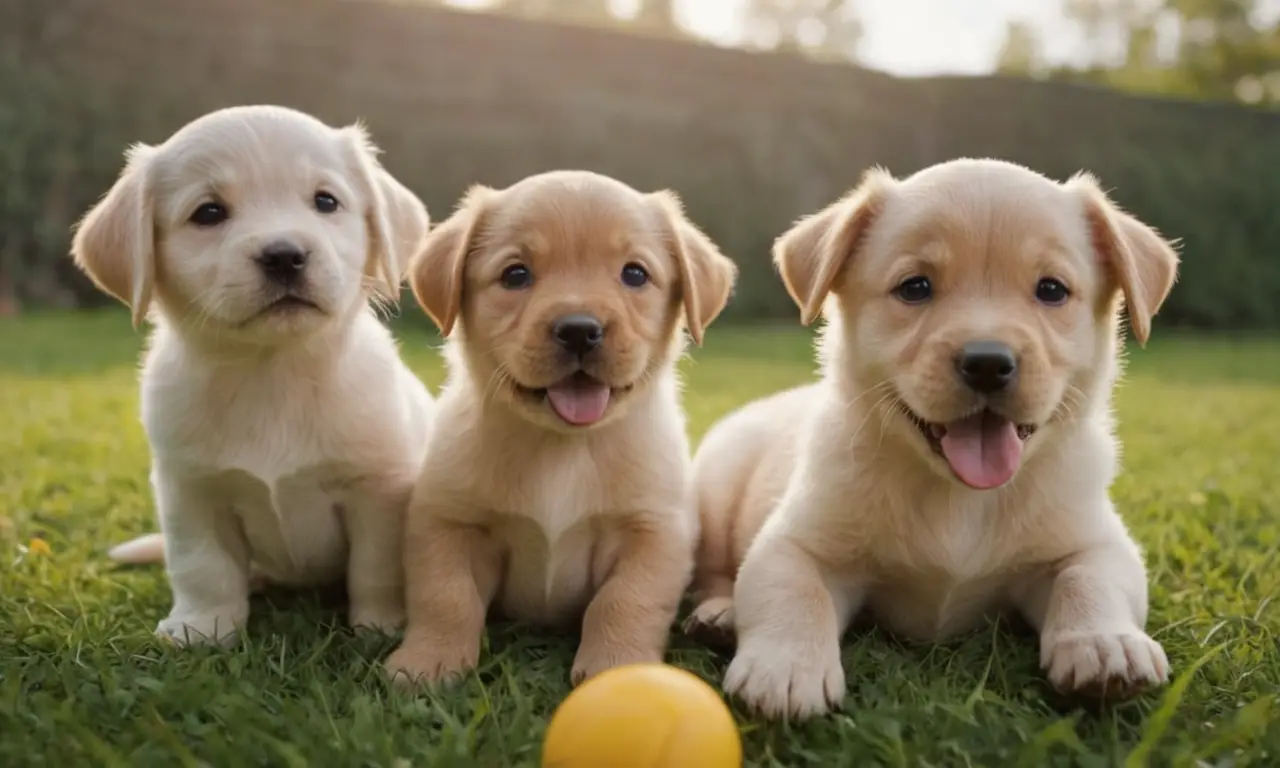
Essential Dog Socialization: A Happy, Well-Adjusted Pup
Welcoming a new dog into your life is an incredibly rewarding experience, but it also comes with significant responsibilities. Among the most crucial aspects of raising a well-behaved and confident canine companion is dog socialization. This isn't just about letting your puppy play with other dogs; it's a comprehensive process of exposing them to a wide variety of sights, sounds, people, and environments in a positive and controlled manner. Proper dog socialization during a dog's critical developmental periods, particularly between 3 and 16 weeks of age, lays the foundation for a lifetime of good behavior, reduced anxiety, and a greater capacity to cope with the complexities of the human world. Neglecting this vital stage can lead to fear-based aggression, excessive shyness, and a general lack of adaptability, making everyday life a challenge for both the dog and their owner. This article will delve deep into the importance of dog socialization, providing practical strategies and expert advice to ensure your furry friend blossoms into a confident and well-adjusted member of your family and community.
𝙲𝚘𝚗𝚝𝚎𝚗𝚝
- The Critical Window: Understanding Socialization's Prime Time
- Why is Dog Socialization So Crucial?
- Practical Strategies for Effective Dog Socialization
- The Role of a Responsible Owner
- What to Do If Your Dog is Already Anxious or Fearful
- Common Misconceptions About Dog Socialization
- In summary: The Gift of a Confident Companion
The Critical Window: Understanding Socialization's Prime Time
The early weeks of a puppy's life are a golden period for learning and development. This sensitive stage, often referred to as the "socialization window," is when puppies are most receptive to new experiences and form lasting impressions. During this time, their brains are rapidly developing, and they are forming associations with the world around them.
- Fear Imprint Period (8-10 weeks): This is a crucial sub-period within the broader socialization window. During this time, puppies are more likely to be frightened by new or overwhelming experiences. If a negative experience occurs during this period, it can have a profound and lasting impact. Therefore, it's vital to introduce new stimuli gradually and positively during these weeks.
- Beyond the Puppy Stage: While the most intense period of dog socialization occurs in puppyhood, it's important to remember that socialization is an ongoing process. Adult dogs can still benefit from continued exposure to new experiences, though it may require more patience and careful management.
Why is Dog Socialization So Crucial?
The benefits of early and ongoing dog socialization are far-reaching and contribute significantly to a dog's overall quality of life and their ability to integrate harmoniously into human society.
Preventing Behavioral Problems
One of the primary goals of dog socialization is to prevent common behavioral issues that can arise from fear and lack of exposure.
- Aggression: Fear is a common root cause of aggression in dogs. If a dog is not exposed to a variety of people, animals, and situations, they may perceive unfamiliar stimuli as threats, leading to defensive aggression.
- Anxiety and Fearfulness: Dogs who haven't been adequately socialized may develop generalized anxiety or specific phobias, such as fear of loud noises, strangers, or even certain types of environments.
- Resource Guarding: While not directly caused by lack of socialization, a lack of confidence can sometimes exacerbate resource guarding tendencies.
- Destructive Behavior: Boredom and frustration stemming from a lack of stimulation and social interaction can lead to destructive behaviors like chewing or digging.
Fostering Confidence and Adaptability
A well-socialized dog is a confident dog. They are more likely to approach new situations with curiosity rather than apprehension.
- Environmental Adaptability: Socialized dogs are better equipped to handle changes in their environment, such as moving to a new home, traveling, or visiting new places.
- Social Adaptability: They are more comfortable interacting with a diverse range of people, including children, the elderly, and individuals with different appearances or behaviors. They are also more likely to get along with other animals.
- Resilience: When faced with unexpected events, a well-socialized dog is better able to cope and recover, showing resilience rather than panic.
Improving the Human-Animal Bond
A dog that feels secure and confident in its environment is more likely to form a strong and positive bond with its owner.
Unleash Your Dog's Potential: A Guide to Dog Sports- Easier Training: Confident dogs are often more eager to learn and engage with their owners during training sessions.
- Reduced Stress for Owners: Dealing with a fearful or aggressive dog can be incredibly stressful. A well-socialized dog leads to a more enjoyable and less demanding pet ownership experience.
- Enhanced Quality of Life for the Dog: Ultimately, dog socialization contributes to a happier and more fulfilling life for your canine companion, allowing them to experience the world with joy and confidence.
Practical Strategies for Effective Dog Socialization
Dog socialization should be a positive and gradual process. The key is to introduce new experiences in a way that your dog can handle, ensuring they associate these experiences with good things.
Exposing Your Puppy to People
It's essential to expose your puppy to as many different types of people as possible in a positive way.
- Variety is Key: Introduce your puppy to people of different ages, genders, ethnicities, and those with unique characteristics (e.g., people wearing hats, using wheelchairs, with beards).
- Controlled Introductions: Start with brief, positive interactions. Have people offer treats or gentle petting. Avoid overwhelming your puppy.
- Children and Puppies: Supervise all interactions between children and puppies closely. Teach children how to interact gently and respectfully with the puppy.
Introducing Your Puppy to Other Dogs
Interacting with other well-behaved and vaccinated dogs is a cornerstone of dog socialization.
- Puppy Classes: Enrolling in a reputable puppy socialization class is highly recommended. These classes are typically run by experienced trainers and provide a safe environment for puppies to interact under supervision.
- Playdates with Known Dogs: Arrange playdates with friendly, vaccinated adult dogs or puppies that you know are well-socialized. Ensure these dogs are gentle and can handle a puppy.
- Avoid Dog Parks Until Fully Vaccinated and Confident: While tempting, dog parks can be unpredictable and potentially risky for unvaccinated puppies. Wait until your puppy is fully vaccinated and has built some confidence before venturing into these environments.
Environmental Exposure
Beyond people and other dogs, exposing your puppy to various sights, sounds, and textures is vital for building their confidence.
- Sights: Expose your puppy to different environments like parks, sidewalks, pet-friendly stores (once vaccinated), and even car rides.
- Sounds: Gradually introduce your puppy to common household noises (vacuum cleaner, blender) and outdoor sounds (traffic, lawnmowers) at a low volume and distance. You can also use desensitization recordings.
- Textures: Let your puppy walk on different surfaces like grass, pavement, gravel, wood, and even mats or shallow water.
Handling and Veterinary Visits
Getting your puppy used to being handled and to veterinary visits is an important part of dog socialization.
- Gentle Handling: Regularly handle your puppy's paws, ears, mouth, and tail. Reward them for calmly accepting this handling. This will make grooming and vet exams easier.
- Positive Veterinary Experiences: Make vet visits as positive as possible. Ask your vet for "happy visits" where the puppy just goes in for treats and praise, without any medical procedures.
The Role of a Responsible Owner
As an owner, your approach to dog socialization significantly impacts your dog's development.
Puppy Biting: Expert Tips for **Dog Teething** ReliefObservation and Responsiveness
Pay close attention to your dog's body language. Signs of stress or fear include lip licking, yawning, tail tucking, or attempting to escape. If you notice these signs, back off and give your dog space. Never force your dog into a situation they are clearly uncomfortable with.
Positive Reinforcement
Always use positive reinforcement techniques. Reward your dog with treats, praise, or toys when they exhibit calm and confident behavior in new situations. This helps them build positive associations.
Gradual Introduction
The key to successful dog socialization is gradual exposure. Don't rush the process. Allow your dog to adjust at their own pace.
Consistency
Be consistent with your approach. Regular, ongoing socialization efforts are more effective than sporadic attempts.
What to Do If Your Dog is Already Anxious or Fearful
If you've missed the prime socialization window or have a dog that exhibits anxiety or fearfulness, it's not too late to help.
- Consult a Professional: A certified professional dog trainer or a veterinary behaviorist can provide tailored guidance and behavior modification plans.
- Desensitization and Counter-Conditioning: These techniques involve gradually exposing your dog to their triggers at a low intensity while pairing it with positive experiences.
- Safe Spaces: Ensure your dog has a safe and comfortable retreat where they can go when feeling overwhelmed.
- Patience and Understanding: Be patient and understanding. Progress may be slow, but with consistent effort, you can help your dog build confidence and overcome their fears.
Common Misconceptions About Dog Socialization
There are several common misunderstandings about dog socialization that can hinder its effectiveness.
Dog Training Criteria: Essential Steps for a Well-Behaved Pup- "My dog will learn to socialize by going to the dog park whenever they want." While dog parks can be beneficial, they can also be overwhelming and even dangerous for inexperienced or fearful dogs. Unsupervised interactions with unfamiliar dogs can lead to negative experiences.
- "Puppies are too young to be socialized before their vaccinations are complete." This is a dangerous misconception. While unvaccinated puppies are vulnerable to disease, they can and should be socialized in safe, controlled environments. Reputable puppy classes are designed for this purpose, and short, positive exposures to people and vaccinated dogs are crucial.
- "Socialization is only for puppies." Socialization is an ongoing process. Adult dogs can benefit from continued exposure to new experiences, although it may require a different approach than with puppies.
- "My dog is naturally shy, so there's nothing I can do." While some breeds or individuals may have a more naturally reserved temperament, most dogs can learn to be more confident and adaptable with proper socialization and training.
In summary: The Gift of a Confident Companion
Investing time and effort into dog socialization is one of the most valuable gifts you can give your canine companion. It's not merely about preventing problems; it's about empowering your dog to live a happy, enriched, and fulfilling life. By understanding the critical developmental stages, employing practical strategies, and maintaining a patient and positive approach, you can help your dog navigate the world with confidence, becoming a well-adjusted, beloved member of your family and community. Remember, a well-socialized dog is a joy to own and a pleasure to be around.
Cat Leash Training: Your Step-by-Step Guide

Mastering Dog Training: Defense & Attack Techniques

Dog Behavior Expert: When Your Pet Needs Guidance
Stop Garden Holes: Effective Ways to Prevent Dog Digging

Overcoming Canine Insecurity & Fear: A Comprehensive Guide

Stop Male Dog Fights: Expert Tips for Harmony
Related posts