
Unleash Your Dog's Potential: A Guide to Dog Sports
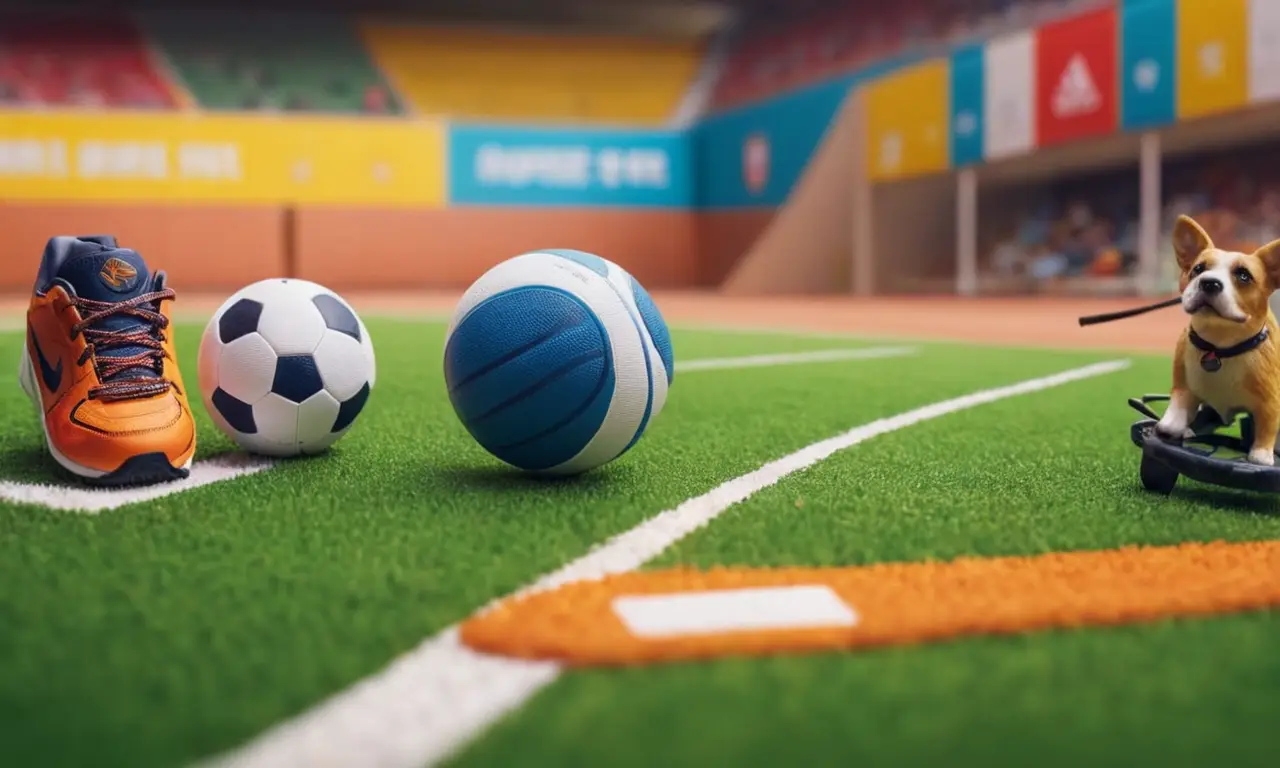
Unleash Your Dog's Potential: A Guide to Dog Sports
Embarking on the journey of dog sports is more than just a hobby; it's a profound way to deepen the bond with your canine companion, enhance their physical and mental well-being, and discover hidden talents you never knew they possessed. From exhilarating agility courses to the intricate challenges of scent work, dog sports offer a diverse range of activities that cater to every breed, temperament, and energy level. This comprehensive guide will explore the world of dog sports, providing insights into various disciplines, their benefits, how to get started, and tips for success. Whether you're looking for a fun way to exercise your energetic Labrador or seeking a mental challenge for your intelligent Border Collie, dog sports can be a transformative experience for both you and your dog.
𝙲𝚘𝚗𝚝𝚎𝚗𝚝
Why Engage in Dog Sports? The Multifaceted Benefits
Participating in dog sports offers a wealth of advantages that extend far beyond mere recreation. These activities are meticulously designed to stimulate a dog's natural instincts, provide essential physical exertion, and foster a strong working relationship between dog and owner.
- Enhanced Physical Health: Most dog sports require significant physical activity, leading to improved cardiovascular health, stronger muscles, and better joint mobility. Regular exercise helps maintain a healthy weight, reducing the risk of obesity-related health issues.
- Mental Stimulation and Enrichment: Beyond physical exercise, dog sports provide crucial mental stimulation. Activities like scent work, obedience, and even agility require dogs to think, solve problems, and make decisions, preventing boredom and reducing the likelihood of destructive behaviors.
- Strengthened Bond and Communication: The cooperative nature of dog sports necessitates clear communication and trust between dog and handler. This shared experience builds a deeper understanding, strengthens the bond, and fosters a more responsive and obedient dog.
- Socialization Opportunities: Many dog sports clubs and events provide excellent opportunities for dogs to interact with other dogs and people in a controlled and positive environment, promoting good social skills.
- Breed-Specific Instinct Fulfillment: Certain dog sports are tailored to tap into a breed's inherent working abilities. For example, herding breeds excel in herding trials, while retrievers shine in field trials, allowing them to express their natural talents.
- Behavioral Improvement: The discipline, focus, and energy outlet provided by dog sports can significantly improve a dog's behavior, addressing issues such as hyperactivity, anxiety, and reactivity.
Exploring the Diverse World of Dog Sports
The landscape of dog sports is vast and ever-expanding, offering something for every canine and handler. Here are some of the most popular and accessible disciplines:
1. Agility
Agility is perhaps one of the most visually dynamic dog sports. It involves a dog navigating an obstacle course with speed and accuracy, guided by their handler's commands. Obstacles typically include jumps, tunnels, weave poles, A-frames, and teeter-totters.
- What it involves: A handler directs their dog through a pre-defined sequence of obstacles. The dog must complete each obstacle correctly and without faults (like knocking down a bar or running off course) to achieve a good score.
- Ideal for: Energetic, intelligent, and agile dogs. Many breeds can excel, but particularly popular breeds include Border Collies, Australian Shepherds, Jack Russell Terriers, and Poodles.
- Getting started: Look for local agility clubs that offer introductory classes. Start with basic obedience and foundation skills before introducing more complex obstacles.
2. Obedience and Rally Obedience
Obedience trials test a dog's ability to perform a series of exercises precisely and with enthusiasm, demonstrating a strong understanding of commands. Rally obedience is a more relaxed version, where handlers are encouraged to talk to and praise their dogs as they navigate a course of signs indicating various exercises.
- What it involves:
- Obedience: Exercises can include heeling (walking on a leash beside the handler), stays, recalls, retrieves, and scent discrimination.
- Rally Obedience: A course of numbered signs, each instructing the handler and dog to perform a specific exercise, such as a simple sit-stay, a 360-degree turn, or a dumbbell retrieve.
- Ideal for: All breeds and temperaments. It's a fantastic way to build a solid foundation of communication and control with any dog.
- Getting started: Enroll in basic obedience classes. These will teach you the fundamentals of positive reinforcement training, which is crucial for success in both obedience and rally.
3. Flyball
Flyball is a fast-paced, team-based relay race for dogs. Two teams of four dogs compete simultaneously on adjacent courses. Each dog runs down the course, triggers a spring-loaded box to release a tennis ball, catches the ball, and races back to their handler.
- What it involves: A thrilling race against the clock and the opposing team. Requires speed, accuracy, and excellent ball drive.
- Ideal for: High-energy, driven dogs with a strong retrieving instinct and a love for fast-paced action. Breeds like Border Collies, Jack Russell Terriers, and mixed breeds with these traits often excel.
- Getting started: Find a local flyball club. These clubs often have dedicated training programs to teach dogs the mechanics of the flyball box and the racing aspect.
4. Scent Work and Nose Work
These dog sports are all about tapping into a dog's incredible sense of smell. Dogs are trained to detect and indicate specific target odors, often in a variety of environments and scenarios.
Puppy Biting: Expert Tips for **Dog Teething** Relief- What it involves: Dogs search for hidden target odors (such as birch, anise, or clove) in different search areas, which can include interior searches (rooms), exterior searches (open areas), and container searches (boxes or bags).
- Ideal for: Virtually all breeds and ages. It's a particularly great activity for older dogs or those with physical limitations, as it relies more on mental rather than physical exertion. It's also excellent for shy or anxious dogs as it builds confidence.
- Getting started: Many trainers offer beginner nose work classes. You can also start at home by hiding treats or toys for your dog to find.
5. Dock Diving (Dock Jumping)
Dock diving is an exciting water sport where dogs compete to see how far they can jump into a body of water from a dock. Dogs are typically enticed by a toy thrown into the water, and their distance is measured from the end of the dock to where their nose touches the water.
- What it involves: A thrilling display of athleticism and water enthusiasm. Dogs jump to retrieve a thrown toy.
- Ideal for: Water-loving breeds, but many dogs who enjoy swimming can learn to love dock diving. Labrador Retrievers, Golden Retrievers, and Portuguese Water Dogs are common participants.
- Getting started: Find a local dock diving club or facility that offers introductory sessions. Ensure your dog is comfortable and safe around water before participating.
6. Disc Dog (Frisbee)
Disc dog competitions showcase the incredible athleticism and teamwork between a dog and handler as they perform choreographed routines involving a frisbee. This can include long-distance throws, accuracy events, and freestyle performances.
- What it involves: A handler throws a frisbee, and the dog catches it, often performing impressive aerial maneuvers.
- Ideal for: Athletic, agile dogs with a strong prey drive and a love for catching. Border Collies, Australian Shepherds, and Whippets are often seen excelling.
- Getting started: Start with basic fetch and gradually introduce a safe, dog-specific frisbee. Look for local disc dog clubs for training and practice.
7. Lure Coursing
Lure coursing is a sport that simulates the chase of a fleeing prey animal. Dogs run a course in a straight line or a zigzag pattern, chasing a mechanical lure. This is particularly enjoyed by sighthounds.
- What it involves: A dog's natural instinct to chase is put to the test as they pursue a lure across a designated course.
- Ideal for: Sighthounds such as Greyhounds, Whippets, and Salukis, as well as other breeds with a strong prey drive.
- Getting started: Many breed-specific clubs or larger kennel clubs organize lure coursing events. Dogs are typically tested for suitability before competing.
Getting Started in Dog Sports: A Step-by-Step Approach
Embarking on your dog sports journey can seem daunting, but a systematic approach will make it enjoyable and successful.
1. Assess Your Dog's Temperament and Breed Predispositions
Consider your dog's personality, energy level, physical capabilities, and breed-specific traits. An extremely energetic and agile Border Collie might thrive in agility, while a calmer, scent-driven Basset Hound might prefer nose work.
2. Build a Solid Foundation: Basic Obedience is Key
Before diving into any specific dog sport, ensure your dog has a strong foundation in basic obedience. This includes reliable recall, a solid "stay," and good leash manners. Positive reinforcement methods are highly recommended for effective and enjoyable training.
3. Research Local Opportunities
Identify dog sports clubs, training facilities, and events in your area. Look for clubs that align with the sports you're interested in and that emphasize positive, humane training methods.
Dog Training Criteria: Essential Steps for a Well-Behaved Pup4. Start with Introductory Classes
Most dog sports clubs offer beginner or introductory classes. These classes are designed to introduce you and your dog to the sport in a safe and structured environment, often with experienced instructors who can guide you.
5. Be Patient and Positive
Every dog learns at their own pace. Celebrate small victories and avoid punishment. Maintain a positive and encouraging attitude, making training sessions fun and rewarding for your dog.
6. Invest in Appropriate Gear
Depending on the sport, you might need specific equipment such as a good quality leash, harness, training treats, or toys. For agility, comfortable, non-slip shoes for the handler are also important.
7. Prioritize Safety
Always ensure your dog is physically fit and healthy enough for the chosen sport. Warm up before and cool down after strenuous activity. Never push your dog beyond their capabilities, and be mindful of environmental conditions like heat or slippery surfaces.
8. Have Fun!
Ultimately, the most important aspect of dog sports is to enjoy the experience with your canine partner. It's a journey of learning, bonding, and celebrating your dog's unique abilities.
Training Tips for Success in Dog Sports
Whether you're aiming for the competitive circuit or just looking for a fun activity, these training tips will help you and your dog succeed:
- Keep Training Sessions Short and Engaging: Dogs have short attention spans, especially when they are young or new to a sport. Keep sessions brief (5-15 minutes) and varied to maintain their interest.
- Use High-Value Rewards: Find out what truly motivates your dog – whether it's a special treat, a favorite toy, or enthusiastic praise – and use it generously for desired behaviors.
- Break Down Complex Skills: Most dog sports involve complex sequences. Break them down into smaller, manageable steps and master each step before moving on to the next.
- Practice in Different Environments: Once your dog is proficient in a specific skill in a quiet, familiar setting, gradually introduce distractions and practice in new environments to generalize their understanding.
- Focus on Positive Reinforcement: Reward desired behaviors consistently and immediately. This builds confidence and strengthens the association between the action and the reward.
- Seek Professional Guidance: A good trainer can provide invaluable feedback, help you troubleshoot challenges, and ensure you are using effective and ethical training methods.
- Listen to Your Dog: Pay attention to your dog's body language. If they are showing signs of stress, fatigue, or frustration, it's time to take a break or end the session on a positive note.
- Be Consistent: Consistency in commands, cues, and expectations is crucial for clear communication and rapid learning.
The Future of Dog Sports
The popularity of dog sports continues to grow, with new disciplines emerging and existing ones evolving. The focus remains on promoting the well-being of dogs, fostering strong human-animal bonds, and celebrating the incredible capabilities of our canine companions. As more people discover the joy and benefits of participating in dog sports, the world of canine activities will only become richer and more diverse.
Essential Dog Training Equipment for SuccessIn conclusion, engaging in dog sports is a rewarding endeavor that offers unparalleled benefits for both dogs and their owners. It's an opportunity to unlock your dog's potential, build an unbreakable bond, and create lasting memories. So, find a sport that sparks your interest, gather your enthusiasm, and get ready to experience the thrilling world of dog sports!
Cat Leash Training: Your Step-by-Step Guide
Mastering Dog Training: Defense & Attack Techniques

Dog Behavior Expert: When Your Pet Needs Guidance
Stop Garden Holes: Effective Ways to Prevent Dog Digging

Overcoming Canine Insecurity & Fear: A Comprehensive Guide
Stop Male Dog Fights: Expert Tips for Harmony
Related posts