

Basenji: The Enigmatic Barkless Dog – Congo Terrier Facts
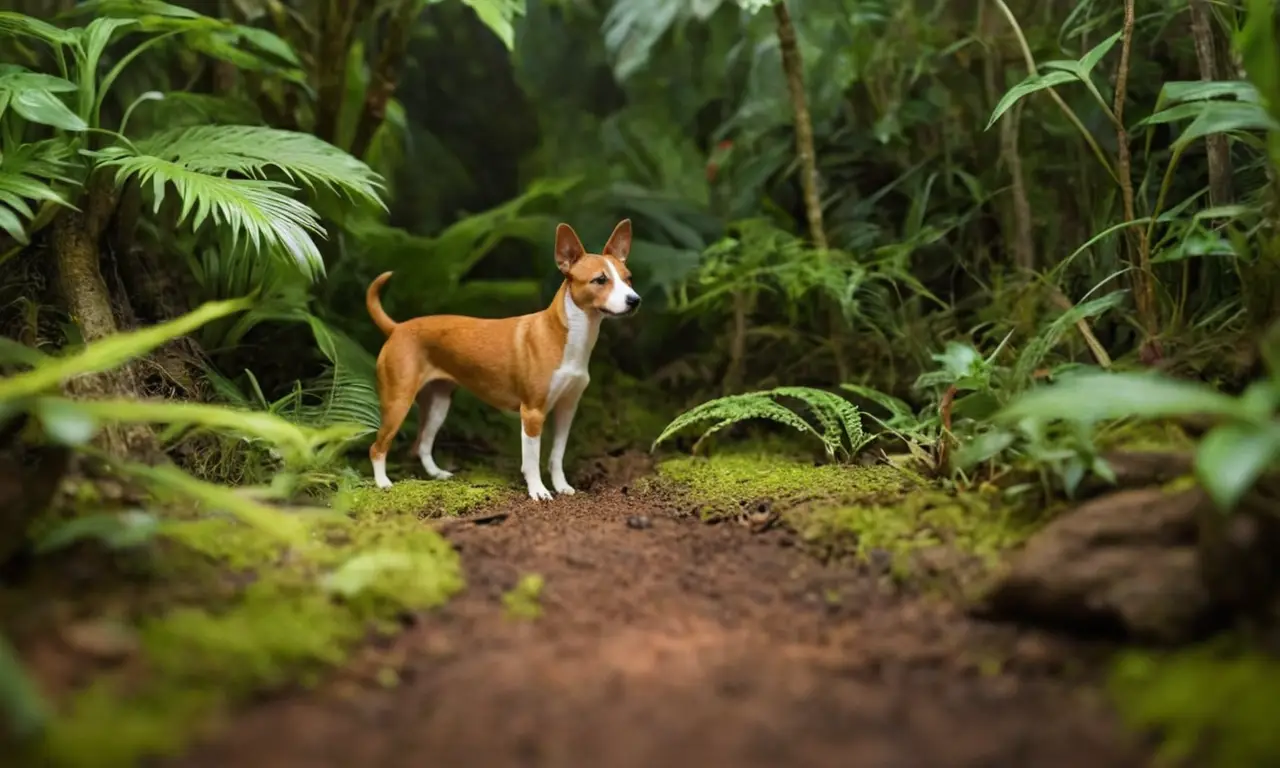
The Enigmatic Basenji: Exploring the Dog That Does Not Bark
The Basenji – Congo Terrier is a fascinating breed known for its distinctive lack of barking, a trait that sets it apart from almost every other canine companion. This ancient African dog, originating from the Congo Basin, possesses a unique vocalization repertoire and a captivating history. Beyond their silent nature, Basenjis are intelligent, independent, and athletic, making them a rewarding but challenging pet for the right owner. This article delves deep into the world of the Basenji, exploring their origins, characteristics, care requirements, and why they are often referred to as the "barkless dog."
𝙲𝚘𝚗𝚝𝚎𝚗𝚝
- Unveiling the Origins: Ancient Roots of the Basenji – Congo Terrier
- The Enigma of the Barkless Dog: Understanding Basenji Vocalizations
- Physical Characteristics: A Snapshot of the Basenji's Appearance
- Temperament and Personality: Independent, Intelligent, and Alert
- Health Considerations: Keeping Your Basenji Healthy
- Training and Socialization: A Unique Approach to the Basenji – Congo Terrier
- Exercise Needs: An Athletic Companion
- Living with a Basenji: Is it the Right Breed for You?
- The Basenji in History and Culture
Unveiling the Origins: Ancient Roots of the Basenji – Congo Terrier
The Basenji's lineage traces back thousands of years to the heart of Central Africa, specifically the Congo Basin. For centuries, these dogs lived alongside indigenous tribes, serving as hunting companions. Their unique abilities, including their silent stalking and keen senses, made them invaluable in flushing out game for their human partners. Archaeological evidence and ancient Egyptian hieroglyphs have suggested the presence of dogs resembling Basenjis in depictions dating back to the pharaohs, hinting at a long and storied relationship with humans. The breed was largely unknown to the Western world until the early 20th century when explorers and travelers brought them back to Europe and North America. The initial introductions were met with considerable curiosity, primarily due to their distinctive silence. These early imports laid the foundation for the breed's recognition and development outside of their native land.
The Enigma of the Barkless Dog: Understanding Basenji Vocalizations
Perhaps the most defining characteristic of the Basenji – Congo Terrier is its inability to bark in the conventional sense. Instead of a full-throated bark, Basenjis are known for their unique vocalizations, often described as a "yodel" or a "chortle." This distinctive sound is produced by a peculiarly shaped larynx, which differs from that of most other dog breeds. While they don't bark, Basenjis are far from silent. They communicate through a variety of other sounds, including whimpers, yelps, growls, and those characteristic yodels. These sounds can express excitement, distress, contentment, or a warning. Understanding these subtle nuances is key to effectively communicating with your Basenji. Their lack of barking doesn't mean they are quiet; it simply means their "voice" is expressed differently. This can be a significant advantage for apartment dwellers or those sensitive to noise, but it's important to remember they are still vocal communicators.
Physical Characteristics: A Snapshot of the Basenji's Appearance
The Basenji is a medium-sized, elegant dog with a compact and muscular build. They are often described as "a dog in a hurry" due to their graceful, almost regal gait. Key physical traits include:
- Size: Males typically stand 17 inches at the shoulder, while females are slightly smaller at 16 inches. They usually weigh between 22 and 24 pounds.
- Head: A finely chiseled head with a wrinkled forehead, almond-shaped, dark, and obliquely set eyes that give them an alert and intelligent expression. Their ears are erect, small, and set well forward on the head, adding to their distinctive appearance.
- Body: The body is square in proportion, with a short back, deep chest, and a tucked-up abdomen. They possess a distinctively high-set tail that is carried tightly curled over the hip.
- Coat: The coat is short, fine, and dense, lying flat against the body. It can be found in several recognized colors:
- Red and White
- Black and White
- Brindle and White
- Tricolor (Black, White, and Tan)
The white markings are typically found on the feet, chest, and tip of the tail, and sometimes on the face.
- Tail: The tail is a signature feature of the Basenji. It is tightly curled, often with two or three distinct coils, and carried high over the back. This curled tail is a breed hallmark and contributes to their overall unique silhouette.
Temperament and Personality: Independent, Intelligent, and Alert
The Basenji – Congo Terrier is renowned for its independent and intelligent nature. They are often described as "cat-like" in their demeanor, possessing a curious and sometimes aloof personality. This independence can translate into a strong will, making them less eager to please than some other breeds. However, this doesn't mean they aren't affectionate; they form strong bonds with their families and can be very loving companions. Their intelligence makes them quick learners, but they can also be mischievous and prone to getting into trouble if not sufficiently stimulated.
Dog Valentine's Day: Do Pups Feel Love? The ScienceOther key temperament traits include:
- Alertness: Basenjis are naturally alert and make good watchdogs, not because they bark incessantly, but because they are highly observant and will often vocalize with their unique sounds to alert their owners to anything unusual.
- Cleanliness: They are meticulously clean dogs, often grooming themselves like cats. This fastidiousness contributes to their low odor and makes them generally easy to keep in a clean household.
- Playfulness: Despite their independence, Basenjis can be very playful and energetic. They enjoy interactive toys and games, especially those that challenge their minds.
- Curiosity: Their inquisitive nature means they need to explore their surroundings. Secure fencing is essential, as they are known escape artists.
Health Considerations: Keeping Your Basenji Healthy
While Basenjis are generally a healthy breed, like all purebred dogs, they are prone to certain genetic health issues. Responsible breeders will screen their breeding stock for these conditions. Common health concerns include:
- Fanconi Syndrome: This is a kidney disorder that affects the reabsorption of glucose, amino acids, and other substances in the kidneys. Early detection and management are crucial.
- Progressive Retinal Atrophy (PRA): A group of genetic diseases that affect the retina of the eye, leading to gradual vision loss and eventual blindness.
- Hip Dysplasia: A common skeletal condition in many dog breeds where the hip joint is malformed, leading to lameness and arthritis.
- Hypothyroidism: A condition where the thyroid gland does not produce enough thyroid hormone, affecting metabolism.
- Hemolytic Anemia (related to Fanconi Syndrome): A condition where red blood cells are destroyed faster than they can be made.
Regular veterinary check-ups, a balanced diet, and appropriate exercise are essential for maintaining a Basenji's overall health and well-being.
Training and Socialization: A Unique Approach to the Basenji – Congo Terrier
Training a Basenji requires patience, consistency, and positive reinforcement methods. Due to their independent nature, they may not respond as readily to harsh correction or repetitive drills as some other breeds.
- Early Socialization: It is crucial to socialize Basenji puppies from a young age. Exposing them to various sights, sounds, people, and other animals will help them grow into well-adjusted adults.
- Positive Reinforcement: Using treats, praise, and play as rewards is highly effective for Basenjis. They respond best to methods that make training fun and engaging.
- Consistency is Key: Establish clear rules and boundaries from the outset and stick to them. This helps your Basenji understand expectations.
- Short Training Sessions: Basenjis can have short attention spans. Keep training sessions brief and varied to maintain their interest.
- Puzzle Toys and Mental Stimulation: Their intelligence means they can become bored easily. Puzzle toys, obedience training, and agility work can provide excellent mental stimulation and prevent destructive behaviors.
- Leash Training: Due to their strong prey drive and curiosity, leash training is essential for their safety and for enjoyable walks.
Socializing them with other dogs is important, though some Basenjis may exhibit a certain aloofness or even territoriality towards unfamiliar dogs. Introductions should be handled carefully and in controlled environments.
Dog's Smell: Mysteries, Curiosities & Fun ExercisesExercise Needs: An Athletic Companion
The Basenji – Congo Terrier is an energetic breed that requires regular exercise to stay physically and mentally healthy. They are naturally athletic and enjoy activities that allow them to run and explore.
- Daily Walks: At least two brisk walks per day are recommended.
- Off-Leash Opportunities: If you have a securely fenced area, allow them time to run freely. They are excellent jumpers and climbers, so fences need to be tall and secure.
- Interactive Play: Games of fetch or tug-of-war can be great ways to burn off energy.
- Agility and Other Dog Sports: Their intelligence and athleticism make them well-suited for dog sports like agility, flyball, or lure coursing.
Over-exercising young Basenjis can be detrimental to their developing joints, so it's important to gauge their stamina and avoid pushing them too hard, especially during puppyhood.
Living with a Basenji: Is it the Right Breed for You?
The Basenji is not a breed for everyone. Their unique traits – the lack of barking, independence, intelligence, and sometimes strong prey drive – mean they require a specific type of owner.
Ideal Owners:
- Experienced Dog Owners: Those familiar with independent or challenging breeds.
- Active Individuals or Families: People who can provide ample exercise and mental stimulation.
- Patient and Consistent Trainers: Owners who understand positive reinforcement and can commit to consistent training.
- Those Seeking a Unique Companion: Individuals who appreciate the distinctiveness of the Basenji.
- People with Secure Environments: Due to their escape artistry, a well-fenced yard is a must.
Considerations:
The Enduring Bond: Dogs & Humans, 14,000 Years- Not a "Lap Dog": While affectionate, they can be more reserved and less prone to constant cuddling than some other breeds.
- Potential for Destructive Behavior: If bored or under-stimulated, they can be mischievous and destructive.
- Strong Prey Drive: They may chase small animals, so careful introductions are needed if you have other pets.
- Grooming Needs: While their coat is short, they do shed moderately and benefit from regular brushing.
The Basenji in History and Culture
The Basenji's historical significance is undeniable. Their role as hunting companions in Africa cemented their place in tribal cultures for millennia. The breed's unique vocalizations and intelligence have long captivated those who encountered them. The breed's journey from its African homeland to international recognition is a testament to its enduring appeal. The Basenji – Congo Terrier continues to fascinate dog enthusiasts worldwide, a living link to ancient canine traditions, all while offering the quiet companionship of a dog that does not bark.
In conclusion, the Basenji is a truly remarkable breed. Their absence of barking, coupled with their intelligence, elegance, and intriguing history, makes them a captivating choice for the right owner. Understanding their unique needs and characteristics is paramount to ensuring a harmonious and fulfilling life together with this extraordinary dog.
Dog Color Vision: How Do Dogs Recognize & Distinguish Colors?

Fila Brasileiro: The Majestic Mastiff of Brazil Explored

Dog Language & Calm Signals: The Complete Guide

The Enduring Bond: Dogs & Humans, 14,000 Years

Dalmatian Dog: History, Traits & Fun Facts
Can You Have a Monkey as a Pet? The Truth About Primate Companions
Related posts