

Essential Dog Training Equipment for Success
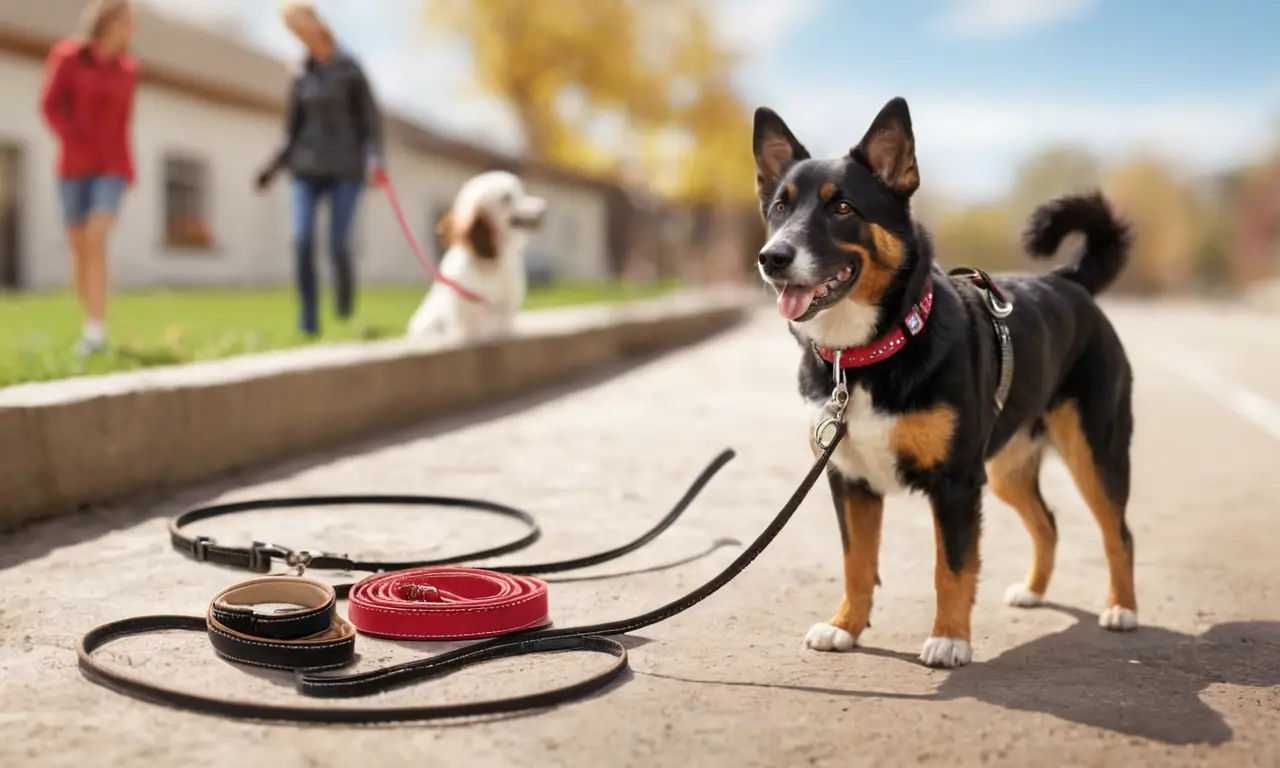
The Ultimate Guide to Essential Dog Training Equipment
Choosing the right dog training equipment is crucial for effective and enjoyable training sessions. This guide will explore a comprehensive range of tools designed to aid in teaching your canine companion basic obedience, advanced tricks, and good behavior. From foundational items like leashes and collars to specialized tools for specific training needs, understanding what each piece does and how to use it will empower you to build a strong bond with your dog and achieve training goals efficiently. We will delve into the benefits of various dog training equipment, considerations for different breeds and temperaments, and how to select the safest and most effective options for your furry friend.
𝙲𝚘𝚗𝚝𝚎𝚗𝚝
- Understanding the Basics: Why Dog Training Equipment Matters
- Foundational Dog Training Equipment for Every Owner
- Intermediate Dog Training Equipment for Specific Skills
- Advanced and Specialized Dog Training Equipment
- Choosing the Right Dog Training Equipment for Your Dog
- In summary: Building a Stronger Bond Through Smart Choices
Understanding the Basics: Why Dog Training Equipment Matters
Training your dog is an investment in their well-being and your relationship. Dog training equipment isn't about punishment or dominance; rather, it's about providing clear communication, consistent reinforcement, and a safe environment for learning. Properly chosen equipment can:
- Enhance Communication: Tools like clickers and treat pouches help you deliver precise cues and rewards, making your commands understood more clearly by your dog.
- Ensure Safety: A well-fitting harness or leash prevents escapes and allows you to manage your dog's behavior in potentially distracting or dangerous situations.
- Motivate and Reward: Treats, toys, and positive reinforcement tools are essential for making training a positive and rewarding experience, fostering a willingness to learn.
- Address Specific Behaviors: From leash reactivity to recall issues, specialized dog training equipment can offer solutions and support for overcoming common challenges.
- Build Confidence: When a dog understands what's expected of them and is rewarded for success, their confidence grows, leading to a happier and more well-adjusted pet.
Foundational Dog Training Equipment for Every Owner
Every dog owner embarking on the training journey will benefit from these essential pieces of dog training equipment. They form the backbone of most training approaches and are versatile enough for a wide range of applications.
1. Leashes: Your Connection to Control and Freedom
The leash is arguably the most fundamental piece of dog training equipment. It's your primary tool for guiding, restraining, and keeping your dog safe during walks and training exercises.
- Standard Flat Leashes: Typically made of nylon or leather, these are the most common type.
- Length: 4-6 feet is ideal for most training. Shorter leashes offer more control, while slightly longer ones provide a bit more freedom.
- Width: Consider the size and strength of your dog. Thicker leashes are more durable for larger breeds.
- Material: Nylon is affordable and weather-resistant. Leather is durable and aesthetically pleasing but requires more care.
- Martingale Leashes (or Slip Leads): These leashes create a gentle tightening loop when the dog pulls, discouraging pulling without choking. They are excellent for dogs that slip out of traditional collars.
- Retractable Leashes: While offering freedom, these are generally not recommended for serious training. They provide inconsistent tension, can be dangerous if they malfunction, and offer less control in critical situations.
2. Collars and Harnesses: Comfort, Safety, and Communication
The choice between a collar and a harness depends on your dog's anatomy, behavior, and your training goals.
- Flat Buckle Collars: Basic collars with a buckle closure. Ensure a proper fit – two fingers should fit snugly between the collar and your dog's neck.
- Martingale Collars (or Greyhound Collars): Similar to martingale leashes, these are designed to prevent dogs from slipping out of their collars. They have two loops, with the smaller loop tightening when the dog pulls.
- Head Halters (e.g., Gentle Leader, Halti): These fit around the dog's muzzle and behind the ears, providing steering control from the head. They are highly effective for strong pullers and dogs with head-shy tendencies. It's crucial to introduce head halters gradually and positively.
- Front-Clip Harnesses: These harnesses have a leash attachment point on the chest. When the dog pulls, the leash gently redirects them back towards you, discouraging pulling without pressure on their neck. This is a humane and effective option for many dogs.
- Back-Clip Harnesses: The leash attaches to a ring on the dog's back. These are good for providing freedom of movement and are less likely to interfere with a dog's natural gait. They are not as effective for managing pulling as front-clip harnesses.
- No-Pull Harnesses: This is a broad category that includes front-clip and other designs specifically engineered to reduce or eliminate pulling.
3. Treat Pouches: Rewarding Success Instantly
Immediate positive reinforcement is key in dog training. A treat pouch allows you to have high-value rewards readily accessible.
Mastering Dog Training: Defense & Attack Techniques- Features to Look For:
- Easy Access: A magnetic or clip-closure opening allows for quick retrieval of treats.
- Compartments: Some pouches have separate pockets for treats, toys, and even your phone or keys.
- Washable Material: Essential for hygiene, especially with moist treats.
- Secure Attachment: Clips or belt loops that attach firmly to your waistband or belt.
4. Clickers: Precise Communication Tools
A clicker is a small device that makes a distinct clicking sound. When paired with a reward (like a treat), the click becomes a marker signal indicating to your dog that they have performed the desired behavior correctly.
- How to Use a Clicker:
- Charging the Clicker: Before using it for training, "charge" the clicker by clicking and immediately giving your dog a treat, repeating this several times. This helps them associate the sound with a positive outcome.
- Marking Behavior: Click the exact moment your dog performs the desired action.
- Rewarding: Immediately follow the click with a treat. The click marks the behavior, and the treat reinforces it.
5. High-Value Treats: Fueling Motivation
Not all treats are created equal when it comes to training. "High-value" treats are special, highly palatable rewards that your dog finds irresistible.
- Examples of High-Value Treats:
- Small pieces of cooked chicken, cheese, or hot dogs.
- Commercial training treats specifically designed for dogs.
- Freeze-dried liver.
- Considerations:
- Size: Keep treats small to avoid overfeeding.
- Dietary Needs: Be mindful of any allergies or dietary restrictions your dog may have.
- Portion Control: Factor training treats into your dog's overall daily food intake.
Intermediate Dog Training Equipment for Specific Skills
Once basic obedience is established, you might want to introduce dog training equipment designed for more advanced training or to address specific behavioral challenges.
1. Long Lines: Building Reliable Recall
A long line is a lighter, longer version of a regular leash, typically 15-50 feet. It's invaluable for practicing recall (coming when called) in a safe, controlled environment.
- Benefits:
- Allows your dog freedom to explore while still maintaining a connection.
- Prevents a runaway situation if your dog is distracted.
- Gives you time to react and cue your dog before they get too far.
- Tips for Use:
- Start in a quiet area.
- Avoid letting the line drag on the ground unnecessarily, as it can be a tripping hazard or get tangled.
- Use it for positive reinforcement – reward your dog when they come to you.
2. Training Dummies and Fetch Toys: Enhancing Play and Retrieval
For dogs that love to retrieve, specialized training dummies and toys can be excellent dog training equipment.
- Fetch Dummies: Often made of durable canvas or rubber, these are designed to be thrown for your dog to fetch. Some float, making them ideal for water retrieval training.
- Scent Work Tools: For scent training, specific dummies or scent articles can be used to teach your dog to find and retrieve particular items.
3. Agility Equipment: For Active and Intelligent Dogs
If you're looking to engage your dog physically and mentally, agility equipment offers a fun and challenging outlet.
Comprehensive Dog Training Manual in PDF for Beginners- Tunnels: Soft or rigid tunnels for your dog to run through.
- Jumps: Adjustable bars for practicing jumps.
- Weave Poles: A series of poles that dogs navigate through.
- A-Frames and Dogwalks: Inclined ramps for your dog to traverse.
- Important Note: Agility training should be introduced gradually and with proper technique to prevent injuries, especially in young or aging dogs.
Advanced and Specialized Dog Training Equipment
For owners tackling more complex behavioral issues or seeking to excel in specific dog sports, a range of specialized dog training equipment is available.
1. Muzzles: Safety and Management
Muzzles are often misunderstood. When properly fitted and introduced, they are a vital safety tool for dogs that may have bite histories, exhibit fear aggression, or require veterinary procedures where they might otherwise become stressed.
- Types of Muzzles: Basket muzzles are generally the most comfortable and allow dogs to pant and drink.
- Introduction: It's crucial to introduce a muzzle positively, associating it with good things like treats and praise, so the dog doesn't fear it. This is a process that takes time and patience.
2. Anti-Bark Collars: Use with Caution and Expert Guidance
Anti-bark collars are a controversial category of dog training equipment. They are designed to deter excessive barking through various means, such as vibration, citronella spray, or static stimulation.
- Considerations:
- Root Cause: These collars address the symptom (barking) but not the underlying cause. It's essential to identify why your dog is barking excessively.
- Humane Application: If considering such a device, opt for vibration or citronella-based collars over static stimulation.
- Professional Guidance: It is highly recommended to consult with a qualified professional dog trainer or behaviorist before using any anti-bark device. They can help diagnose the root cause of barking and recommend more humane and effective training strategies.
3. Remote/Electronic Collars: Ethical Considerations and Expert Use
Remote or electronic collars, often called e-collars, deliver a stimulation to the dog's neck via a remote control. These are advanced tools that require significant knowledge and ethical application.
- Ethical Use:
- Not for Beginners: These are not beginner dog training equipment.
- Understanding the Dog: The handler must have a deep understanding of canine behavior and body language.
- Purpose-Driven: They are typically used in specific scenarios, such as advanced off-leash training in distracting environments or for certain working dogs.
- Low-Level Stimulation: The goal is to use the lowest effective level of stimulation for communication, not punishment.
- Professional Guidance is Paramount: Their use should ideally be guided by an experienced, certified professional trainer who prioritizes positive reinforcement and ethical practices.
Choosing the Right Dog Training Equipment for Your Dog
When selecting dog training equipment, always prioritize your dog's safety, comfort, and well-being. Consider the following:
- Your Dog's Breed and Size: A Great Dane will require sturdier equipment than a Chihuahua.
- Your Dog's Temperament: A nervous dog might benefit from a gentle head halter, while a strong puller might need a front-clip harness.
- Your Training Goals: Are you focusing on basic obedience, agility, or a specific behavioral modification?
- Quality and Durability: Invest in well-made dog training equipment that will last.
- Comfort: Ensure any collars or harnesses fit properly and don't cause chafing or discomfort.
- Ease of Use: The equipment should be easy for you to handle and adjust.
- Positive Reinforcement Focus: Whenever possible, choose tools that facilitate positive reinforcement methods.
In summary: Building a Stronger Bond Through Smart Choices
The right dog training equipment is a facilitator, not a solution in itself. It empowers you to communicate effectively, manage safely, and reinforce positively, all of which are essential for building a strong, trusting bond with your canine companion. By understanding the purpose and application of various tools, and by making informed choices that prioritize your dog's welfare, you are setting yourself up for successful and rewarding training experiences. Remember, consistent training, patience, and a deep understanding of your dog's needs are the most important ingredients for a well-behaved and happy dog.
Mastering Dog Training Techniques: A Comprehensive Guide
Cat Leash Training: Your Step-by-Step Guide
Mastering Dog Training: Defense & Attack Techniques

Dog Behavior Expert: When Your Pet Needs Guidance

Stop Garden Holes: Effective Ways to Prevent Dog Digging

Overcoming Canine Insecurity & Fear: A Comprehensive Guide

Stop Male Dog Fights: Expert Tips for Harmony
Related posts