
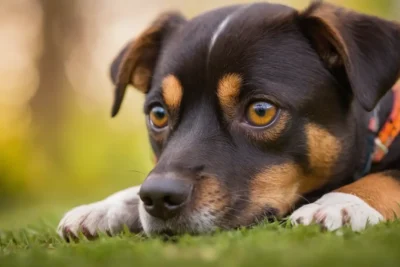
Dogs vs. Wolves: Brain Differences from Domestication
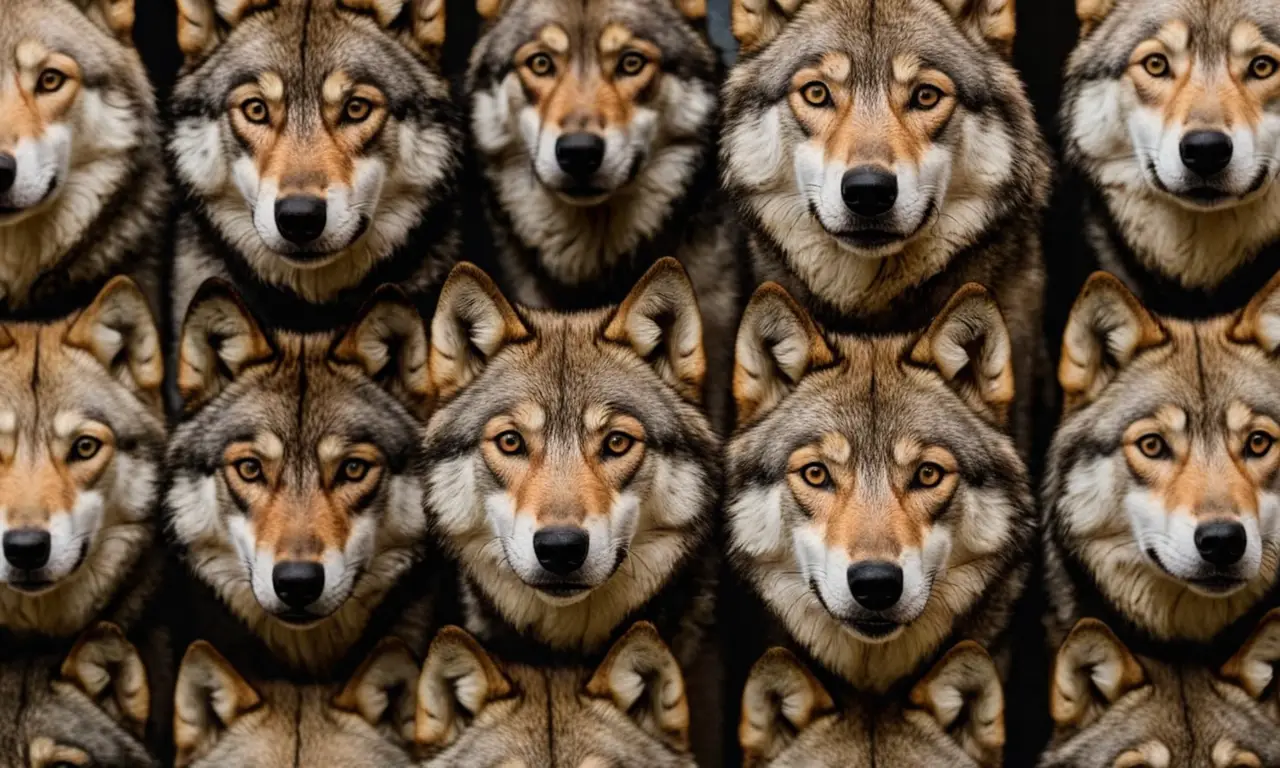
Dogs vs. Wolves: Unraveling Brain Differences Fueled by Domestication
The age-old question of how dogs became man's best friend, diverging so distinctly from their wolf ancestors, is a story etched not just in behavior and physical form, but also, fundamentally, in their brains. Domestication, a process spanning tens of thousands of years, has acted as a powerful evolutionary sculptor, subtly yet profoundly reshaping the canine brain. This article delves into the fascinating world of Dogs and wolves – Differences in the brain due to domestication, exploring the neurological underpinnings of these transformations and what they reveal about the unique bond between humans and dogs.
𝙲𝚘𝚗𝚝𝚎𝚗𝚝
- The Dawn of Domestication: A Rewiring of the Brain
- Structural Brain Adaptations: Size Matters, But How?
- Neurological Pathways and Neurotransmitter Systems: The Chemical Symphony
- Cognitive Differences: Understanding and Interaction
- Breed Variations: A Spectrum of Domestication Effects
- The Future of Understanding: Neuroimaging and Behavioral Studies
The Dawn of Domestication: A Rewiring of the Brain
The domestication of the wolf, a gradual and complex process, wasn't a single event but rather a series of adaptations that occurred as wolves began to associate with human settlements. Early humans likely tolerated or even encouraged wolves that were less fearful and more amenable to scavenging around their camps. This selective pressure, whether intentional or not, favored individuals with temperaments that were more tolerant of humans, less aggressive, and more responsive to human cues. These behavioral shifts, observed in the earliest domesticated animals, are rooted in underlying neurological changes.
Researchers theorize that the initial stages of domestication may have involved a reduction in the "fight or flight" response, a primitive survival mechanism. Wolves, as wild predators, are inherently cautious and reactive to novel stimuli. For a wolf to become a companion, it needed to overcome this innate wariness and develop a tolerance for the constant presence and unpredictable nature of human life. This likely involved changes in the amygdala, the brain's fear center, and the neurotransmitter systems that regulate stress and anxiety.
Structural Brain Adaptations: Size Matters, But How?
One of the most debated aspects of canine brain evolution is the overall size. While some studies suggest dogs have smaller brains than wolves relative to their body size, this isn't a straightforward indicator of intelligence or capability. Instead, it points to a specialization driven by domestication. The canine brain has been reallocated, with certain areas becoming more developed or sensitive, while others may have reduced in size due to less reliance on certain ancestral survival skills.
Olfactory Bulbs: A Wolf's Superior Sense, a Dog's Diluted Focus
Wolves possess incredibly acute senses of smell, crucial for hunting, communication, and navigating their environment. Their olfactory bulbs, the brain regions responsible for processing scent, are proportionally larger and more developed than those of most dog breeds. This is because scent is their primary tool for survival and social interaction in the wild.
Dogs, while still possessing a remarkable sense of smell, have a different relationship with it. Their reliance on scent for survival has been supplemented by their ability to read human cues and communicate through other means. This doesn't mean dogs have lost their sense of smell; rather, the neurological resources dedicated to it may have been slightly diminished or re-prioritized in favor of other cognitive functions that are more beneficial in a human-centric environment.
Visual Cortex and Social Cognition: The Human Connection
Conversely, evidence suggests that the visual cortex and areas associated with social cognition have undergone significant development in dogs. This is directly linked to their co-evolution with humans. Dogs have become adept at interpreting human body language, facial expressions, and vocalizations. This ability to "read" humans is a cornerstone of their success as companions and working partners.
Dogs Sense Negativity: How Canines Read Human AttitudesStudies employing fMRI (functional magnetic resonance imaging) have shown distinct patterns of brain activity in dogs when they are exposed to human faces or voices compared to wolves. Dogs exhibit heightened activation in areas related to social processing and reward, indicating that interaction with humans is intrinsically motivating and rewarding for them. This "social brain" enhancement is a hallmark of domestication.
Neurological Pathways and Neurotransmitter Systems: The Chemical Symphony
Beyond structural changes, domestication has also influenced the underlying neurological pathways and neurotransmitter systems in dogs. These chemical messengers play a crucial role in regulating mood, behavior, and cognitive function.
Dopamine and the Reward System: A Sweet Reliance on Humans
Dopamine, a neurotransmitter associated with pleasure and reward, plays a significant role in the enhanced social bonding observed in dogs. Research indicates that dogs experience a surge of oxytocin (often referred to as the "love hormone") and dopamine during positive interactions with their owners, similar to the bonding that occurs between human parents and children. This suggests that dogs have evolved a neurochemical system that actively seeks out and thrives on human companionship.
This is in contrast to wolves, whose reward system is primarily driven by hunting success, territorial defense, and pack dynamics. While wolves can form bonds within their pack, their reliance on external social rewards, particularly from humans, is far less pronounced.
Serotonin and Cortisol: Dampening the Wild Instincts
Changes in serotonin and cortisol levels are also implicated in the domestication process. Serotonin, a neurotransmitter involved in mood regulation and impulse control, may be altered in dogs, contributing to their generally calmer and more docile temperament compared to wolves.
Cortisol, the primary stress hormone, is also believed to be regulated differently in dogs. While wolves possess a robust stress response crucial for survival in the wild, dogs may have evolved a more tempered response, allowing them to better tolerate the often-novel and sometimes stressful environments of human homes. This reduced reactivity to perceived threats from humans is a key trait that facilitated their integration into human society.
Cognitive Differences: Understanding and Interaction
The neurological changes translate into observable cognitive differences between dogs and wolves, particularly in their ability to understand and interact with humans.
Ranger: Dwarf Dog Captivates US as Eternal PuppyTheory of Mind: A Glimpse of Understanding Others' Minds
While the full extent of "theory of mind" (the ability to attribute mental states – beliefs, intentions, desires – to oneself and others) in dogs is still a subject of ongoing research, there's growing evidence that they possess a rudimentary form of this ability when it comes to humans. Dogs are remarkably adept at following human pointing gestures, understanding gaze direction, and responding to vocal cues in ways that suggest they are inferring human intentions.
Wolves, while highly intelligent and capable of complex social interactions within their own species, do not exhibit the same level of sensitivity to human communicative signals. Their focus is on deciphering signals within their wolf pack, not on understanding the potentially ambiguous signals of a different species.
Problem-Solving and Independence: Wolves' Self-Reliance
When faced with novel problems, wolves often demonstrate a more independent and persistent approach to finding solutions. They rely on their innate hunting and survival instincts. Dogs, on the other hand, are more likely to look to humans for assistance or guidance when faced with a challenging task. This "learned helplessness" in problem-solving situations can be seen as a consequence of their dependence on humans for resources and direction throughout domestication.
However, this doesn't imply a lack of intelligence in dogs. Their intelligence is simply oriented towards a different set of skills and priorities shaped by their unique evolutionary path.
Breed Variations: A Spectrum of Domestication Effects
It's crucial to acknowledge that Dogs and wolves – Differences in the brain due to domestication are not uniform across all dog breeds. The extensive selective breeding by humans for specific traits – from herding and guarding to companionship and hunting – has further refined and diversified these neurological differences.
- Herding Breeds: May exhibit enhanced sensitivity to subtle human cues and a strong drive to follow direction.
- Guard Dog Breeds: Might show differences in their reactivity to perceived threats and their territorial instincts.
- Companion Breeds: Often display pronounced social bonding behaviors and a heightened ability to seek comfort and attention from humans.
These breed-specific variations underscore the continuous and multifaceted nature of canine evolution under human influence.
The Future of Understanding: Neuroimaging and Behavioral Studies
The ongoing research into the Dogs and wolves – Differences in the brain due to domestication is a testament to the power of scientific inquiry. Advanced neuroimaging techniques, such as fMRI and PET scans, combined with sophisticated behavioral experiments, are allowing scientists to peer deeper into the canine brain than ever before.
Eagle Owl Feeding: Diet, Habits, and CareFuture research will likely continue to unravel the intricate genetic and molecular mechanisms underlying these differences. Understanding these neurological distinctions not only sheds light on the fascinating journey of domestication but also offers valuable insights into canine behavior, cognition, and welfare, ultimately strengthening the unique and enduring bond we share with our canine companions. The subtle rewiring of the wolf's brain, a silent revolution over millennia, has given us the loyal, loving, and remarkably understanding dog we know today.
The journey from wild wolf to devoted dog is a remarkable story of adaptation, and at its heart lie profound and fascinating Dogs and wolves – Differences in the brain due to domestication. These neurological shifts have shaped their behavior, their social interactions, and their unique place in the human world, proving that evolution, guided by companionship, can forge extraordinary bonds.
Dog Color Vision: How Do Dogs Recognize & Distinguish Colors?

Fila Brasileiro: The Majestic Mastiff of Brazil Explored
Basenji: The Enigmatic Barkless Dog – Congo Terrier Facts
Dog Language & Calm Signals: The Complete Guide
The Enduring Bond: Dogs & Humans, 14,000 Years
Dalmatian Dog: History, Traits & Fun Facts
Related posts