

Dogs Sense Negativity: How Canines Read Human Attitudes
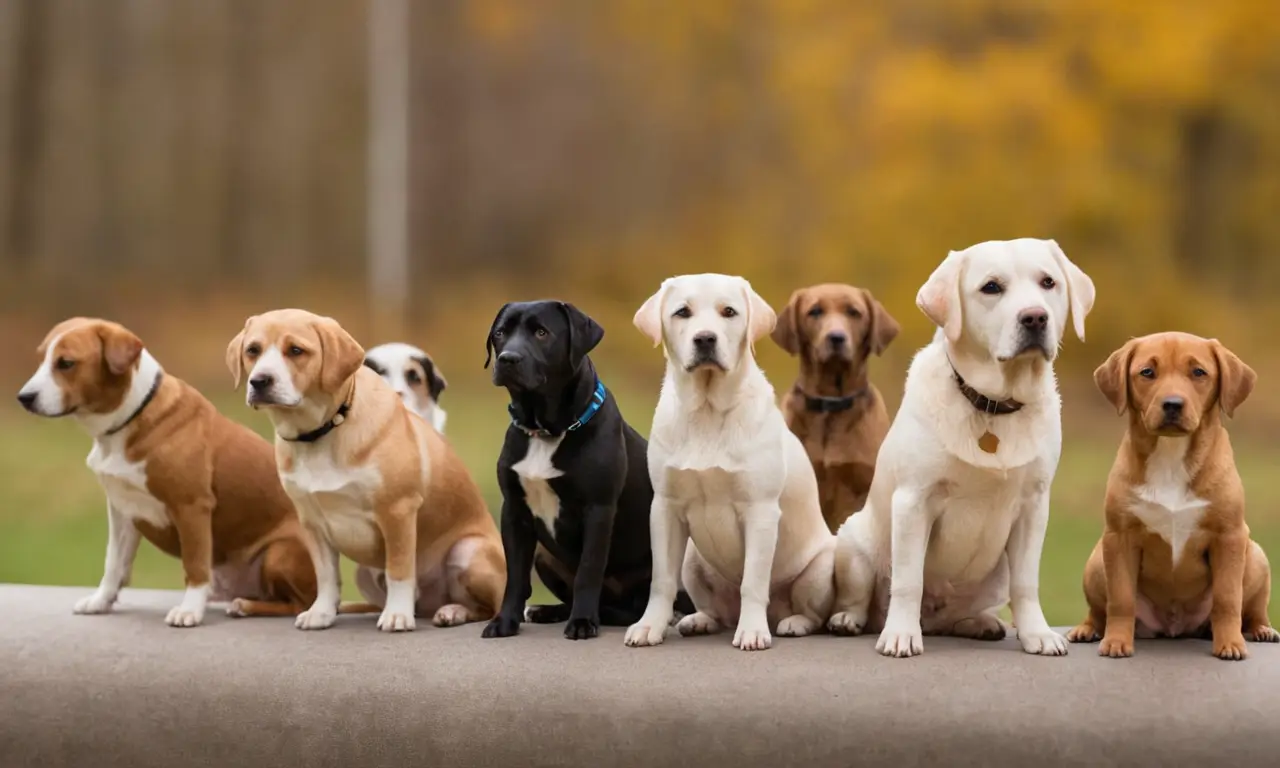
Dogs Sense Negativity: How Canines Read Human Attitudes
Dogs, our loyal companions, possess an uncanny ability to decipher human emotions, even those that are subtly conveyed. This remarkable sensitivity extends to their perception of negative attitudes, allowing them to react distinctly to individuals who exhibit hostility, fear, or displeasure. Understanding how dogs recognize people with negative attitudes offers profound insights into their cognitive abilities and the intricate bond we share with them. This article delves into the scientific evidence and observable behaviors that support this phenomenon, exploring the sensory cues dogs utilize, the underlying psychological mechanisms, and the practical implications for human-animal interactions.
𝙲𝚘𝚗𝚝𝚎𝚗𝚝
The Science Behind Canine Empathy: A Deeper Look
For centuries, dog owners have anecdotally reported their pets' ability to sense when someone is "off" or uncomfortable. Recent scientific research is now validating these observations, revealing that dogs are far more attuned to human emotional states than previously understood. Studies employing controlled experiments have demonstrated that dogs can distinguish between happy and angry human faces, and even react differently to voices expressing positive versus negative emotions. This suggests a sophisticated processing of social cues that goes beyond simple learned responses.
Olfactory Clues: The Scent of Emotion
One of the primary ways dogs "read" us is through our sense of smell. Humans, like other mammals, release volatile organic compounds (VOCs) into the air, which can carry subtle chemical signals related to our physiological and emotional states. When we experience stress, fear, or anger, our bodies produce different hormonal profiles, leading to changes in our scent. Dogs, with their vastly superior olfactory senses, are capable of detecting these minute chemical variations. Research has shown that dogs can differentiate between the sweat and breath samples of individuals who have undergone stressful situations compared to those who have not. This olfactory detection of stress hormones like cortisol provides a direct biochemical link to a person's emotional state, allowing dogs to pick up on negative attitudes even before overt behavioral cues are apparent. This "scent of fear" or "scent of anger" can be a powerful trigger for a dog's own emotional and behavioral responses.
Visual Cues: Reading the Body Language
Beyond scent, dogs are masterful interpreters of visual cues. Their keen eyesight, though not as color-rich as ours, is highly adept at detecting subtle shifts in body posture, facial expressions, and micro-movements. They can observe a person's gait, the tension in their muscles, the tightness of their jaw, and the direction of their gaze. A person with a negative attitude often exhibits a more rigid, guarded, or withdrawn body language. Their shoulders might be hunched, their movements abrupt, or their eyes may dart nervously. Dogs are particularly sensitive to these signals because, in the wild, understanding the intentions of other animals, especially those exhibiting aggression or fear, is crucial for survival. They have evolved to be hyper-vigilant to any sign of potential threat or unease.
Auditory Clues: The Tone of Voice
The pitch, tone, and rhythm of a human voice convey a wealth of emotional information. Dogs are highly attuned to these auditory cues. They can easily distinguish between a playful, gentle tone and a harsh, commanding, or threatening one. A person with a negative attitude might speak in a clipped, sharp, or unusually high-pitched voice, or conversely, in a low, rumbling, and menacing tone. Dogs can differentiate between a friendly greeting and a scolding, even if the words themselves are similar. This auditory processing allows them to assess the emotional valence of an interaction, influencing how they approach or respond to an individual.
Ranger: Dwarf Dog Captivates US as Eternal PuppyBehavioral Manifestations: How Dogs React to Negativity
When dogs recognize people with negative attitudes, their reactions can be varied and are often an attempt to either de-escalate the situation, protect themselves, or signal their own discomfort.
Signs of Apprehension and Avoidance
One of the most common responses is a display of apprehension or avoidance. This can manifest as:
- Lip licking: A subtle sign of stress or uncertainty.
- Yawning: Even when not tired, dogs may yawn to signal their discomfort or to try and defuse a tense situation.
- Turning the head away: A non-confrontational way to avoid direct eye contact, which can be perceived as a challenge.
- Moving away or backing up: The dog may try to create physical distance from the perceived source of negativity.
- Freezing: A dog might become temporarily still, assessing the situation and deciding on a course of action.
- Ears pinned back: This can indicate fear or anxiety.
Signals of Discomfort and Warning
In some cases, dogs may exhibit more direct signals of discomfort or warning:
- Growling: A clear vocalization indicating displeasure and a warning to back off.
- Showing teeth: A more assertive warning signal.
- Stiffening of the body: A sign of increased tension and alertness.
- Whale eye: Where the whites of the eyes become visible, often indicating fear or stress.
- Pacing or restlessness: Signs of an inability to relax or feel safe.
Increased Alertness and Vigilance
Dogs might also become more alert and vigilant around individuals they perceive as negative. This could involve:
- Staring intently: While direct eye contact can be challenging, in this context, it's often a way of assessing a potential threat.
- Increased barking: To alert their owner or to try and deter the perceived negative individual.
- Protective behaviors: Towards their owner or other family members.
The Role of Past Experiences and Learning
While dogs possess an innate ability to read human emotions, their responses are also heavily shaped by past experiences. A dog that has had a negative encounter with a person exhibiting a particular type of negative attitude (e.g., a loud, aggressive individual) may generalize that experience to future encounters with similar individuals. This learned association reinforces their sensitivity and can lead to a more pronounced reaction. Conversely, positive interactions with a wide range of people, even those who might sometimes display mild negativity, can help a dog develop resilience and a more nuanced understanding.
Eagle Owl Feeding: Diet, Habits, and CareSocialization: A Crucial Factor
Early and comprehensive socialization is paramount in helping dogs develop balanced emotional responses. Exposure to diverse people, environments, and situations during their critical developmental periods teaches them that not all humans or interactions are threats. This allows them to better differentiate between genuine danger and mild human discomfort. A well-socialized dog is more likely to approach a stranger with curiosity rather than immediate suspicion, even if that stranger is having a bad day.
Individual Differences and Breed Tendencies
It's important to acknowledge that individual dogs, like humans, have unique personalities and temperaments. Some dogs are naturally more sensitive and reactive than others. Breed predispositions can also play a role. Certain breeds have been historically bred for guarding or protection, which might enhance their vigilance towards perceived threats. However, responsible breeding and training are essential to ensure these traits are managed appropriately and do not lead to unwarranted aggression.
Implications for Human-Animal Interaction
The ability of dogs recognize people with negative attitudes has significant implications for how we interact with them and how they perceive us.
For Dog Owners
- Be mindful of your own emotional state: Dogs are highly attuned to their owners' emotions. If you are stressed or anxious, your dog is likely to pick up on it and may become anxious themselves.
- Introduce your dog to new people calmly: When introducing your dog to someone new, especially if that person is feeling a bit reserved or anxious, ensure the introduction is calm and positive. Encourage the new person to avoid direct, prolonged eye contact initially and to speak in a soft, gentle tone.
- Respect your dog's signals: If your dog is showing signs of discomfort around a particular person, don't force the interaction. Give your dog space and try to understand why they are reacting that way.
For Visitors and Strangers
- Approach dogs calmly and respectfully: When meeting a dog for the first time, avoid sudden movements or loud noises. Let the dog approach you.
- Offer your hand to sniff: Extend a closed fist or the back of your hand at dog-nose level for them to investigate.
- Speak in a gentle tone: Use a soft, friendly voice when interacting with a dog.
- Avoid prolonged, direct eye contact initially: This can be perceived as a challenge by some dogs.
- Be aware of your body language: Try to appear relaxed and non-threatening.
In Professional Settings (e.g., veterinary clinics, shelters)
Professionals working with dogs must be particularly attuned to their ability to sense negativity. A calm, predictable, and reassuring demeanor is crucial when handling anxious or fearful animals. Understanding that a dog's negative reaction might stem from a person's own internal state can help professionals adjust their approach and create a safer, more comfortable environment for both the animal and themselves.
In summary: A Two-Way Street of Emotional Understanding
The capacity for dogs recognize people with negative attitudes is a testament to their sophisticated social intelligence and deep connection with humans. They are not merely reacting to our commands or our treats; they are actively interpreting our emotional landscape. This understanding is a two-way street. As humans, we can learn to be more mindful of our own emotional expressions and body language, and by doing so, foster even stronger, more positive relationships with our canine companions. By respecting their ability to sense our feelings and by approaching them with calm and kindness, we can ensure our interactions are built on a foundation of trust and mutual understanding. This innate ability to "read" us enriches the human-dog bond, making them not just pets, but truly intuitive members of our families.
Ancient Egyptian Cat Names: Unleash Their Divine Side
Fila Brasileiro: The Majestic Mastiff of Brazil Explored

Basenji: The Enigmatic Barkless Dog – Congo Terrier Facts
Dog Language & Calm Signals: The Complete Guide
The Enduring Bond: Dogs & Humans, 14,000 Years
Dalmatian Dog: History, Traits & Fun Facts

Can You Have a Monkey as a Pet? The Truth About Primate Companions
Related posts