
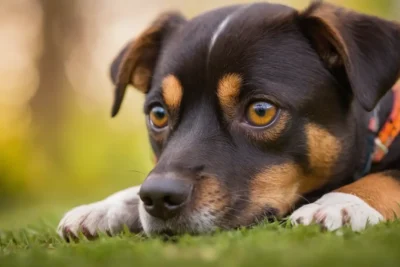
Dog's Smell: Mysteries, Curiosities & Fun Exercises

The Incredible World of a Dog's Sense of Smell
A dog's sense of smell is far more than just a way to identify their surroundings; it's a rich, complex sensory experience that shapes their entire perception of the world. It's an organ of intense exploration, communication, and even emotion. This article delves deep into the fascinating realm of a dog's olfactory capabilities, exploring Dog's smell - What it is like, curiosities and stimulation exercises, to help you better understand and engage with your canine companion's most powerful sense.
𝙲𝚘𝚗𝚝𝚎𝚗𝚝
Unveiling the Powerhouse: How a Dog's Nose Works
The sheer magnitude of a dog's olfactory prowess is astounding, dwarfing human capabilities by an astonishing margin. This remarkable ability stems from a combination of anatomical and physiological adaptations that are finely tuned for scent detection.
The Anatomical Advantage: More Than Just a Wet Nose
At first glance, a dog's nose might seem simple, but it's an intricate piece of biological engineering. The external structure, the rhinarium (the wet, leathery part of the nose), plays a crucial role. Its moisture helps trap scent particles, allowing them to dissolve and be more readily detected by the olfactory receptors within. When a dog sniffs, they don't just inhale; they also exhale through slits on the sides of their nostrils. This exhalation creates tiny eddies of air that help to carry scent molecules back into the nasal cavity, allowing for continuous sampling and analysis of the environment.
Beneath the surface lies the true marvel: the olfactory epithelium. This specialized tissue, lining the nasal cavity, is where the magic happens. While humans have a few million olfactory receptors, dogs possess tens of millions, and in some breeds, even hundreds of millions. This vastly increased number directly translates to a heightened ability to detect and differentiate an enormous range of scents.
Furthermore, the surface area of this olfactory epithelium is significantly larger in dogs due to the presence of turbinate bones. These delicate, scroll-like structures increase the surface area, allowing for more scent molecules to come into contact with the receptors. Imagine the difference between a flat piece of paper and a crumpled sheet – the crumpled sheet has a much larger surface area for interaction.
The Enduring Bond: Dogs & Humans, 14,000 YearsThe Vomeronasal Organ: The Secret Sense of Pheromones
Beyond the main olfactory system, dogs possess a secondary scent-detecting organ called the vomeronasal organ, also known as Jacobson's organ. Located in the roof of the mouth, this organ is specifically designed to detect pheromones – chemical signals released by animals that influence social behavior, reproduction, and even emotional states. When a dog "tastes" a scent by flicking their tongue or making a characteristic "chattering" motion, they are actually drawing scent particles into their vomeronasal organ for analysis. This allows them to gather information about other dogs, their reproductive status, stress levels, and even fear, in ways that are largely imperceptible to humans.
The Olfactory World: What Does It Feel Like for a Dog?
Translating a dog's scent experience into human terms is challenging, as it’s a fundamentally different way of perceiving reality. However, we can draw analogies and understand the qualitative differences.
A World of Odor Maps and Trails
For a dog, the world is not primarily a visual landscape, but an olfactory one. They don't just see a tree; they smell its history, its inhabitants, and the messages left by other animals. Each scent tells a story, building a rich tapestry of information. They can detect specific compounds at incredibly low concentrations, often parts per trillion, which is like finding a single grain of sugar in two Olympic-sized swimming pools.
Imagine walking into a room. You might notice the furniture, the colors, the people. A dog, however, would instantly pick up on who has been in that room, when they were there, their emotional state, and even what they might have eaten. They can differentiate between individuals by their unique scent profiles, much like humans recognize faces.
When a dog follows a scent trail, they aren't just moving forward; they are navigating an invisible map. They can distinguish between fresh and old scents, follow a specific individual's path through a multitude of other smells, and even identify if the scent is coming from above, below, or at ground level. This ability is so refined that they can detect subtle changes in the earth's surface caused by a creature's passage, even if no visible trace remains.
Dogs' Nose: Can They Smell Thermal Energy?The Emotional and Communicative Power of Scent
Scent is deeply intertwined with a dog's emotions and social interactions. A particular smell can evoke joy, fear, curiosity, or comfort. They use scent as a primary form of communication. Urine marking, for example, isn't just about territorial claims; it's a sophisticated way of leaving messages for other dogs – broadcasting their presence, health, and social status.
When dogs greet each other, much of their interaction is conducted through scent. Sniffing each other's hindquarters is a vital part of this olfactory exchange, allowing them to gather a wealth of information about the other dog's identity, mood, and even recent activities.
Fascinating Curiosities About Dog's Smell
The canine olfactory system is a source of endless fascination, with many surprising and intriguing aspects.
- Memory and Scent: A dog's sense of smell is intimately linked to their memory. A particular scent can transport them back to a specific time and place, triggering vivid recollections. This is why familiar smells can be so comforting to dogs.
- Scent Discrimination: Dogs can differentiate between thousands of different smells. They can be trained to detect specific substances, such as explosives, drugs, and even certain medical conditions in humans like cancer and diabetes.
- The "Wet Dog" Smell: This distinctive odor is primarily caused by a combination of oils produced by the dog's skin and the growth of bacteria and yeast on their fur, which multiply in a damp environment.
- "Smell Blindness": While rare, some dogs can have reduced olfactory capabilities due to genetics, illness, or injury to the nasal passages.
- The Power of a Whiff: A single sniff for a dog can contain an astonishing amount of information. They can detect components of a scent individually and piece them together, much like a detective solving a complex case.
- Scent "Overload": In highly stimulating environments with a multitude of strong scents, dogs can sometimes become overwhelmed, leading to anxiety or disoriented behavior.
Stimulating Your Dog's Olfactory Sense: Exercises for a Smarter, Happier Dog
Engaging your dog's sense of smell is not just about enrichment; it's a fundamental aspect of their well-being and a powerful tool for training and mental stimulation. By providing opportunities for olfactory exploration, you can strengthen your bond, reduce boredom, and improve their overall cognitive function.
Here are some exercises and tips to stimulate your dog's Dog's smell - What it is like, curiosities and stimulation exercises:
Dogs vs. Wolves: Brain Differences from Domestication1. Scent Games and Treasure Hunts
- The "Find It" Game: This is a classic for a reason. Start by hiding a favorite toy or a high-value treat in a simple, obvious location while your dog watches. Once hidden, say "Find it!" and encourage them to seek it out. As they get better, increase the difficulty by hiding it in more challenging spots, behind furniture, under blankets, or even in different rooms. You can also use scented items like a small piece of fabric that has your scent on it.
- Snuffle Mats: These are specially designed mats with numerous fabric strips or pockets where you can hide kibble or small treats. Your dog uses their nose to push and move the fabric to find the hidden food, providing excellent mental stimulation and encouraging natural foraging behaviors.
- Kongs and Puzzle Toys: Stuffing Kongs or other treat-dispensing puzzle toys with kibble, wet food, or a mixture of both, and then freezing them, provides a long-lasting challenge that engages their scent and problem-solving skills.
2. Scent Walks and Environmental Enrichment
- Let Them Sniff: On walks, resist the urge to constantly hurry your dog along. Allow them ample time to explore and sniff their surroundings. This is their primary way of gathering information about the world. Let them linger at interesting spots, and don't pull them away too quickly.
- Vary Your Walking Routes: Introducing new environments exposes your dog to a wider array of scents, keeping their olfactory system engaged and preventing monotony. Explore different parks, trails, or even just new neighborhoods.
- Introduce New Smells (Safely): Bring back interesting, safe objects from your walks for your dog to investigate at home. This could be a fallen leaf with a unique scent, a small, clean piece of bark, or even a scent from a different animal that has naturally been left behind. Always ensure these items are safe and free from anything potentially harmful.
3. Scent Discrimination Training
- Teaching Scent Names: Once your dog has a good grasp of the "Find It" game, you can begin to teach them the names of specific scents. Start with one or two distinct scents (e.g., a specific toy, a certain type of treat). Present them with a few containers, one of which contains the target scent. Reward them when they correctly identify and "find" it.
- "Leave It" with Scents: You can also use scent to reinforce the "Leave It" command. Place a desirable treat on the floor, cover it with a scent object your dog isn't allowed to have (e.g., a specific toy they’re not supposed to chew), and then give the "Leave It" command. Reward them when they resist the temptation.
4. Pheromone Exploration (for Social Dogs)
- Safe Encounters: While not a direct stimulation exercise, allowing your dog to safely sniff other dogs during greetings can be a form of social olfactory information gathering. Ensure these interactions are positive and supervised.
5. Scent Balls and Tug Toys with a Twist
- Scented Toys: You can add a little of your own scent to a favorite tug toy or ball by holding it for a while before giving it to your dog. This can increase their desire to play and engage with it.
By understanding the incredible power of a dog's Dog's smell - What it is like, curiosities and stimulation exercises, and by actively incorporating olfactory enrichment into their daily lives, you are not only providing them with a mentally stimulating and deeply satisfying experience but also fostering a stronger, more harmonious relationship built on a deeper understanding of their unique sensory world.
Dog Color Vision: How Do Dogs Recognize & Distinguish Colors?

Fila Brasileiro: The Majestic Mastiff of Brazil Explored
Basenji: The Enigmatic Barkless Dog – Congo Terrier Facts
Dog Language & Calm Signals: The Complete Guide
The Enduring Bond: Dogs & Humans, 14,000 Years
Dalmatian Dog: History, Traits & Fun Facts
Related posts