
Dwarf Rabbit Feeding: Essential Guide for Healthy Bunnies
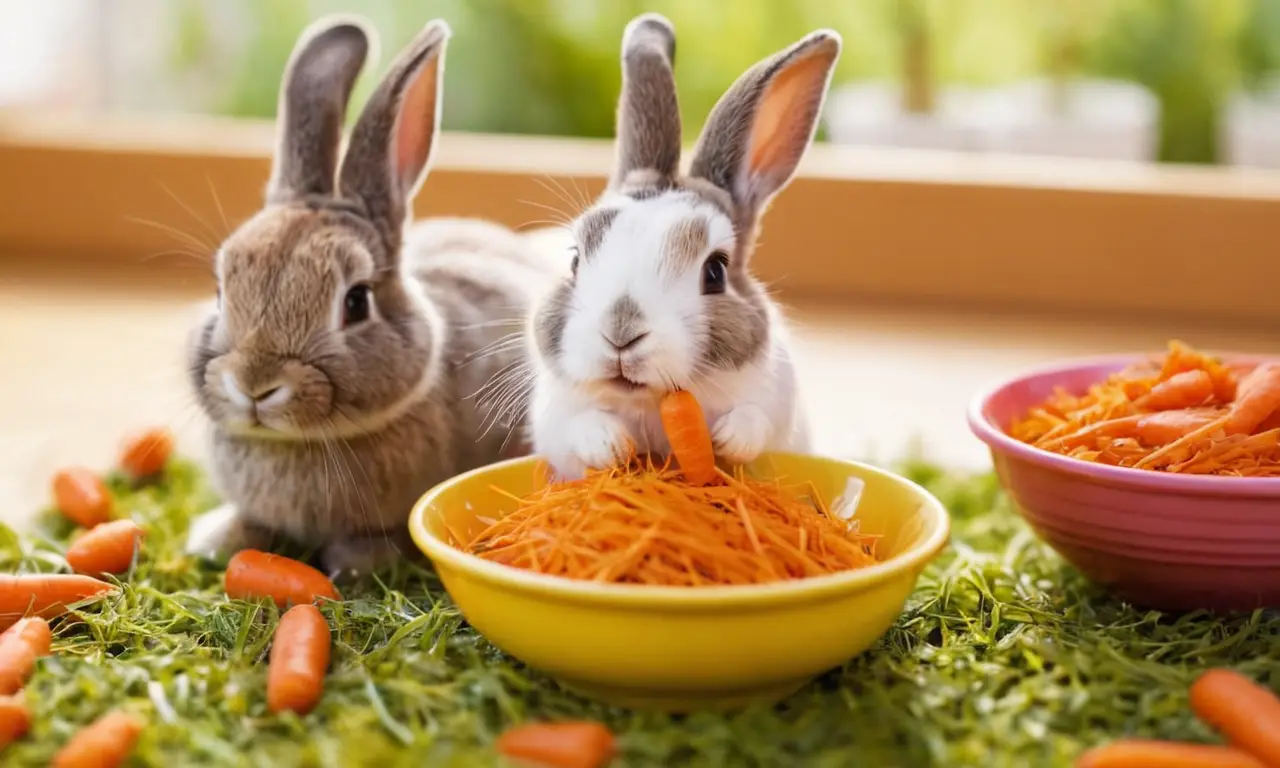
Dwarf Rabbit Feeding: The Ultimate Guide to a Healthy Bunny Diet
Understanding the proper dietary needs of your dwarf rabbit is paramount for their overall health, longevity, and happiness. Unlike their larger counterparts, dwarf breeds have specific nutritional requirements that, when met, can prevent common health issues and ensure a vibrant life. This comprehensive guide will delve into every aspect of dwarf rabbit feeding, from the essential components of their diet to what to avoid, ensuring you're equipped to provide the best possible nutrition for your furry friend.
The Cornerstones of Dwarf Rabbit Nutrition
The diet of a dwarf rabbit should mimic, as closely as possible, what they would consume in the wild. This means a diet rich in fiber, with a carefully balanced intake of protein, carbohydrates, and essential vitamins and minerals. The three primary components of a healthy dwarf rabbit diet are hay, fresh vegetables, and a small amount of high-quality pellets.
1. The Indispensable Role of Hay
Hay is, without a doubt, the most critical element in dwarf rabbit feeding. It should constitute approximately 80-90% of their daily intake. Timothy hay is the most recommended type for adult dwarf rabbits due to its high fiber content and relatively low protein and calcium levels. Alfalfa hay, while nutritious, is richer in protein and calcium and is best suited for young, growing rabbits (under 6 months) or pregnant/nursing does.
Why is hay so important?
- Digestive Health: Rabbits have a continuously growing digestive system. The high fiber in hay is crucial for moving food through their gut, preventing gastrointestinal stasis (GI stasis), a potentially fatal condition where the digestive system slows down or stops. Chewing on hay also helps to wear down their constantly growing teeth, preventing dental problems.
- Hydration: While fresh water is essential, hay also contributes to their overall fluid intake.
- Enrichment: The act of foraging for and chewing hay provides mental stimulation and helps prevent boredom, which can lead to destructive behaviors.
Types of Hay and When to Use Them:
- Timothy Hay: The gold standard for adult rabbits. It's widely available and has a balanced nutritional profile.
- Orchard Grass: Another excellent, palatable option for adult rabbits.
- Oat Hay: Higher in fiber and lower in protein than timothy, a good choice for some rabbits.
- Meadow Hay: A mix of various grasses, often very palatable but nutritional content can vary.
- Alfalfa Hay: High in protein and calcium. Primarily for young rabbits (under 6 months) or nursing mothers. Excessive calcium can lead to bladder stones in adult rabbits.
How Much Hay?
An adult dwarf rabbit should have unlimited access to fresh hay at all times. Ensure it's dry, fragrant, and free from mold or dust.
2. Fresh Vegetables: A Vital Source of Nutrients
Fresh vegetables should make up about 10-15% of your dwarf rabbit's diet. They provide essential vitamins, minerals, and additional fiber. Introduce new vegetables gradually and in small quantities to avoid digestive upset.
Recommended Vegetables:
A good rule of thumb is to offer a variety of dark, leafy greens daily. Aim for at least three different types of vegetables each day, with one being a dark leafy green.
Emergency Puppy Formula: Homemade Recipes for Health- Leafy Greens: Romaine lettuce, red leaf lettuce, green leaf lettuce, kale (in moderation due to high calcium and oxalates), spinach (in moderation due to oxalates), cilantro, parsley, dill, mint, basil, bok choy, dandelion greens (ensure they are pesticide-free).
- Other Vegetables: Carrot tops, bell peppers (seeds removed), cucumber, zucchini, celery (cut into small pieces), broccoli rabe.
What to Introduce Slowly:
- Cruciferous Vegetables: Broccoli, cauliflower, cabbage, Brussels sprouts. These can cause gas in some rabbits.
- Root Vegetables: Carrots (high in sugar, offer sparingly as a treat), parsnips.
Portion Control:
For an average dwarf rabbit, aim for about 1 packed cup of mixed greens per 2 pounds of body weight per day, divided into one or two servings.
What to Avoid in Vegetables:
- Iceberg Lettuce: Lacks nutritional value and can cause diarrhea due to its high water content.
- Onion Family: Leeks, chives, onions, garlic. These are toxic to rabbits.
- Potatoes: Can be toxic and are too starchy.
- Rhubarb: Toxic.
- Avocado: Toxic.
3. High-Quality Pellets: A Supplement, Not a Staple
Pellets should make up only about 5% of your dwarf rabbit's diet. They are a concentrated source of nutrients and are often fortified with vitamins and minerals. However, an overabundance of pellets can lead to obesity, dental problems, and a reduction in hay consumption.
Choosing the Right Pellets:
- Fiber Content: Look for pellets with a minimum of 18-20% fiber.
- Protein Content: For adult rabbits, aim for 12-14% protein. Younger rabbits may need slightly higher protein.
- Fat Content: Keep it low, around 1-3%.
- Ingredients: Choose plain, timothy-based pellets with no added seeds, nuts, corn, or artificial colors. These are often found in "muesli" style mixes and are detrimental to a rabbit's health.
Portion Control for Pellets:
- Adult Rabbits: Approximately 1/8 to 1/4 cup of pellets per 5 pounds of body weight per day. This is a general guideline and may need adjustment based on your rabbit's individual needs and activity level.
- Young Rabbits (under 6 months): May need more, but gradually transition to adult portions as they mature.
Transitioning to New Pellets:
If you need to switch your rabbit's pellets, do so gradually over a week to avoid digestive upset. Mix a small amount of the new pellets with the old, slowly increasing the proportion of new pellets while decreasing the old.
Treats and Fresh Water: Essential Extras
1. Treats: Occasional Indulgences
Treats should be given sparingly and should not form a significant part of the dwarf rabbit feeding plan. They are best used for training or bonding.
Belgian Malinois Diet: Optimal Feeding for Your Active DogHealthy Treat Options:
- Small pieces of rabbit-safe fruits: Apple (seeds removed), banana, berries (strawberries, blueberries, raspberries), melon. Offer these in very small quantities due to their high sugar content.
- Small pieces of safe vegetables not offered daily: Carrot, sweet potato (cooked and plain, very sparingly).
- Commercial rabbit treats: Choose those made with natural ingredients, low in sugar and fat, and specifically designed for rabbits. Avoid anything with artificial colors, flavors, or preservatives.
How Often and How Much?
A pea-sized portion of fruit or a very small piece of a safe vegetable a few times a week is sufficient. Overfeeding treats can lead to digestive issues, obesity, and dental problems.
2. Fresh Water: The Lifeline
Clean, fresh water must be available to your dwarf rabbit at all times. Water is crucial for digestion, nutrient absorption, and overall bodily functions.
Watering Methods:
- Ceramic Bowl: Many rabbits prefer to drink from a bowl, as it's more natural. Ensure the bowl is heavy enough not to be tipped over and is cleaned daily.
- Water Bottle: While convenient, some rabbits find it difficult to get enough water from bottles, and they can become clogged or contaminated. If using a bottle, check it daily to ensure it's working correctly and clean it regularly.
Monitoring Water Intake:
It's important to monitor your rabbit's water intake. A sudden decrease or increase in drinking can indicate a health problem.
Common Dwarf Rabbit Feeding Mistakes to Avoid
- Overfeeding Pellets: This is a very common error that leads to obesity and health problems.
- Relying too much on "Muesli" Mixes: These often contain unhealthy fillers and are not balanced for rabbits.
- Not enough Hay: This is the leading cause of GI stasis and dental issues.
- Sudden Diet Changes: Always introduce new foods gradually.
- Feeding toxic foods: Many common household foods are dangerous for rabbits.
- Lack of fresh water: Dehydration is a serious threat.
Special Considerations for Dwarf Rabbits
Dwarf rabbits, due to their smaller size, can be more susceptible to certain health issues related to diet. Their sensitive digestive systems require careful attention.
- Dental Health: Dwarf rabbits, like all rabbits, have continuously growing teeth. The abrasive nature of hay is crucial for wearing them down. A diet lacking in hay can lead to overgrown incisors and molars, causing pain, difficulty eating, and abscesses.
- GI Stasis: This condition is often triggered by improper diet, stress, or dehydration. A high-fiber diet is the best preventative measure. Symptoms include loss of appetite, lethargy, and a lack of droppings. This is a medical emergency, and immediate veterinary attention is required.
- Obesity: Overfeeding pellets and treats can lead to obesity, which puts extra strain on their organs and joints, and can exacerbate other health conditions.
- Bladder Stones: Diets too high in calcium, often from excessive alfalfa hay or certain leafy greens like kale and spinach, can contribute to bladder stones.
Creating a Balanced Daily Feeding Plan
Here's a sample daily feeding plan for an adult dwarf rabbit:
- Unlimited fresh Timothy hay: Available at all times.
- Morning: A generous serving of mixed dark leafy greens and other safe vegetables (approx. 1/2 cup per 2 lbs body weight).
- Evening: Another serving of mixed greens and vegetables.
- Pellets: A small, measured portion (e.g., 1/8 cup per 5 lbs body weight).
- Fresh Water: Replenished daily.
- Treats: Given very sparingly, only a few times a week.
Remember to adjust portions based on your individual rabbit's age, activity level, and body condition. A veterinarian can provide personalized dietary recommendations.
German Shepherd Puppy Feeding Guide: Best Nutrition for GrowthSigns of a Healthy Dwarf Rabbit Diet
- Bright, alert eyes and energetic behavior.
- Consistently firm, round droppings. The quantity of droppings is also an indicator of a healthy digestive system.
- Healthy appetite for hay.
- Good coat condition.
- Appropriate weight for their size.
When to Consult Your Veterinarian
It's essential to have a rabbit-savvy veterinarian who can advise on dwarf rabbit feeding and monitor their health. You should consult your vet if you notice any of the following:
- Loss of appetite.
- Lethargy or decreased activity.
- Changes in droppings (small, misshapen, watery, or absent).
- Weight loss or gain.
- Dental problems (difficulty chewing, drooling).
- Signs of GI stasis (abdominal discomfort, hunched posture).
By understanding and implementing these dwarf rabbit feeding principles, you can provide your beloved pet with a foundation for a long, healthy, and happy life. Prioritizing fiber, offering a variety of fresh vegetables, and using pellets and treats judiciously are the keys to a well-nourished dwarf rabbit.
Parrot Diet: Best Fruits and Vegetables for Your Bird

Festive Feasts: Top Christmas Recipes for Dogs
Dog Kidney Failure Diet: Homemade Solutions & Care Tips

Choosing the Best Dog Food: A Comprehensive Guide
Cat Hepatitis Diet: Essential Foods for Your Feline Friend
Understanding the Composition of Cat Food for Health
Related posts