

Eagle Owl Feeding: Diet, Habits, and Care
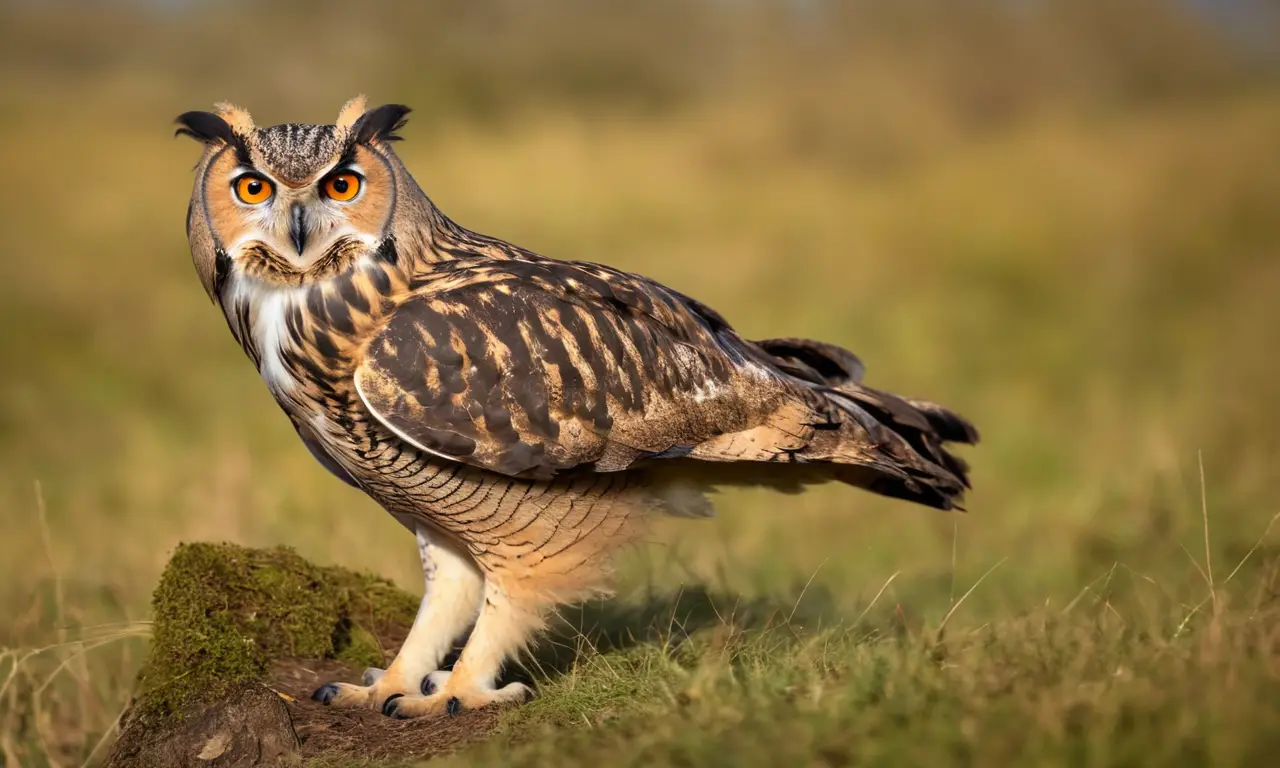
Eagle Owl Feeding: A Comprehensive Guide to Diet, Habits, and Care
The majestic eagle owl, a creature of immense power and grace, captivates observers with its imposing presence and keen hunting prowess. Understanding the intricacies of eagle owl feeding is crucial for anyone involved in their conservation, rehabilitation, or even aspiring to observe them in their natural habitat. This article delves deep into the dietary habits, hunting strategies, and essential care considerations for these magnificent birds of prey, providing a comprehensive resource for enthusiasts and professionals alike.
𝙲𝚘𝚗𝚝𝚎𝚗𝚝
- The Eagle Owl's Place in the Avian World
- Dietary Staples: What Do Eagle Owls Eat?
- Hunting Strategies: The Art of the Stalk
- Factors Influencing Eagle Owl Feeding Habits
- Eagle Owl Feeding in Captivity: Considerations for Caretakers
- The Importance of Eagle Owl Feeding for Conservation
- Common Misconceptions about Eagle Owl Feeding
- In summary: A Testament to Nature's Ingenuity
The Eagle Owl's Place in the Avian World
Eagle owls, belonging to the genus Bubo, are among the largest owl species on Earth. Their imposing size, characterized by large ear tufts, powerful talons, and a distinctive facial disc, sets them apart from their smaller owl cousins. Found across vast geographical regions, from Europe and Asia to Africa, their adaptability to diverse environments is a testament to their evolutionary success. Their predatory nature is intrinsically linked to their role as apex predators within their ecosystems, influencing prey populations and maintaining ecological balance.
Dietary Staples: What Do Eagle Owls Eat?
The diet of an eagle owl is varied and opportunistic, reflecting its broad hunting capabilities and habitat. It is not uncommon for these owls to consume a wide array of prey items, depending on availability.
Mammalian Prey: The Primary Source
Mammals form the cornerstone of the eagle owl feeding regimen. This category includes a wide range of species:
- Rodents: Voles, mice, and rats are frequently targeted. Their small size and abundance make them an accessible food source.
- Rabbits and Hares: Larger owls can tackle young rabbits and hares, providing a substantial meal.
- Squirrels: Both ground and tree squirrels can fall prey to the eagle owl's swift attack.
- Hedgehogs: Despite their defensive spines, hedgehogs are not immune to the eagle owl's specialized hunting techniques.
- Bats: Nocturnal hunting flights may sometimes result in the capture of bats.
- Foxes and Other Carnivores: In some instances, particularly when opportunities arise, eagle owls have been documented preying on smaller carnivorous mammals, showcasing their predatory dominance.
Avian Prey: A Significant Component
Birds also constitute a significant portion of the eagle owl's diet. Their ability to hunt in low-light conditions gives them an advantage over many diurnal birds.
- Doves and Pigeons: Common targets due to their widespread presence in various habitats.
- Crows and Magpies: Intelligent and wary birds, but still susceptible to the owl's stealth and power.
- Ducks and Other Waterfowl: Especially during the non-breeding season, waterfowl can become a food source.
- Smaller Owls and Birds of Prey: In a stark display of the food chain, eagle owls may occasionally prey on smaller owl species or even young raptors.
- Ground-Nesting Birds: Species that nest on the ground are particularly vulnerable during their nesting periods.
Other Prey Items
While mammals and birds are the primary food sources, eagle owls are known to supplement their diet with other creatures:
- Reptiles: Snakes and lizards can be caught, especially in warmer climates.
- Amphibians: Frogs and toads may be consumed opportunistically.
- Insects: Larger insects can be a minor part of the diet, particularly for younger owls.
- Fish: In areas with proximity to water bodies, eagle owls have been observed to catch fish.
Hunting Strategies: The Art of the Stalk
The eagle owl feeding strategy is a masterclass in predatory efficiency. These owls employ a variety of techniques honed by millennia of evolution to secure their meals.
Silent Flight and Keen Senses
- Silent Flight: The specialized structure of their feathers allows for nearly silent flight, enabling them to approach prey undetected. This is a crucial advantage, especially when hunting wary animals.
- Exceptional Hearing: Large facial discs act like satellite dishes, funneling sound to their asymmetrically placed ear openings. This allows them to pinpoint the exact location of prey, even beneath snow or dense vegetation.
- Superior Vision: Despite the common misconception that owls hunt solely by sound, their eyesight is incredibly acute, particularly in low-light conditions. Their large eyes are adapted to gather maximum light.
Ambush and Pursuit
- Perch Hunting: The most common strategy involves the owl perching on a high vantage point, such as a tree branch or rocky outcrop, scanning the landscape for movement. Once prey is spotted, it launches a swift, silent dive.
- Ground Hunting: Eagle owls are also adept at hunting on the ground, using their powerful legs to run down or pounce on unsuspecting prey.
- Aerial Pursuit: While less common, they can engage in short aerial pursuits if prey attempts to flee in the open.
The Role of Talons and Beak
Upon successful capture, the eagle owl utilizes its formidable weaponry:
Ancient Egyptian Cat Names: Unleash Their Divine Side- Talons: Their exceptionally strong talons are designed to grip and crush prey. The sharp talons can deliver a fatal blow even before the beak is used.
- Beak: The hooked, powerful beak is used for tearing flesh and dismembering prey.
Factors Influencing Eagle Owl Feeding Habits
Several environmental and ecological factors significantly influence what and how eagle owls feed:
Prey Availability and Seasonality
The primary driver of an eagle owl's diet is the availability of prey species. During breeding seasons of various animals, certain prey might become more abundant. For instance, young rabbits may be more prevalent in spring, influencing the owl's diet during that time. Seasonal changes can also affect prey mobility; for example, in winter, rodents might be more concentrated in specific areas, making them easier targets.
Habitat and Geographical Location
The type of habitat an eagle owl inhabits plays a crucial role.
- Woodlands and Forests: Offer abundant rodents, birds, and smaller mammals.
- Open Countryside and Farmland: Provide access to rabbits, hares, and ground-nesting birds.
- Rocky Outcrops and Cliffs: Can be hunting grounds for various small mammals and birds.
- Wetlands and Rivers: May lead to opportunistic feeding on amphibians and fish.
Geographical location dictates the specific species of prey available. An eagle owl in Scandinavia will have a different dietary composition than one in the Middle East.
Competition with Other Predators
Eagle owls often share their territories with other predators, such as foxes, martens, and other birds of prey. This competition can influence their hunting success and the types of prey they target. They may learn to avoid areas where larger competitors are dominant or focus on prey that is less frequently targeted by others.
Weather Conditions
Extreme weather conditions can impact hunting success. Heavy snowfall might make it difficult to locate prey on the ground, while strong winds can hinder silent flight. Conversely, mild weather might increase the activity of prey species, making them more accessible.
Eagle Owl Feeding in Captivity: Considerations for Caretakers
For those involved in the care of eagle owls in zoos, rehabilitation centers, or as falconry birds, understanding their dietary needs is paramount for their health and well-being.
Diet Composition
The captive diet should closely mimic the natural diet as much as possible. Whole prey is essential to provide a balanced intake of nutrients, including bones, organs, and feathers.
Ancient Egyptian Dog Names & Their Meanings- Rodents: Laboratory-bred mice and rats are commonly used.
- Rabbits: Whole rabbits can be provided for larger owls.
- Quail and Chickens: These are often used as supplements or alternatives to rodents.
Feeding Frequency and Quantity
The amount of food provided depends on the owl's age, activity level, and physiological state (e.g., breeding, molting).
- Adult Owls: May be fed 1-2 times per week with a suitable prey item.
- Young Owls (Owlets): Require more frequent feeding, often daily, with smaller prey items.
- Quantity: A general guideline for an adult eagle owl might be 10-20% of its body weight per feeding.
Nutritional Supplements and Water
While whole prey provides a good nutritional base, veterinarians may recommend supplements for specific deficiencies, especially in rehabilitating birds. Fresh, clean water must always be available for drinking and bathing.
Presentation of Food
Food can be offered whole, or if necessary, it can be presented in a way that encourages natural hunting behavior, such as hanging it or hiding it slightly. It's important to observe the owl's eating habits to ensure it is consuming the food properly and not experiencing any difficulties.
The Importance of Eagle Owl Feeding for Conservation
Understanding the feeding ecology of eagle owls is not merely an academic pursuit; it is vital for effective conservation efforts.
Habitat Preservation
Knowing what eagle owls eat and where they hunt helps in identifying and protecting critical habitats that support their prey populations. Preserving these areas ensures a sustainable food supply for the owls.
Prey Management
In areas where prey populations are declining due to habitat loss, pollution, or overhunting, conservationists may need to implement strategies to support these prey species. This can involve habitat restoration or controlling invasive species that compete with owl prey.
Human-Wildlife Conflict Mitigation
In some regions, eagle owls may prey on livestock or game birds, leading to human-wildlife conflict. Understanding their feeding preferences can help in developing mitigation strategies that protect both the owls and human interests, such as providing alternative food sources or implementing deterrents in sensitive areas.
Rehabilitation and Release Programs
For injured or orphaned eagle owls, a thorough understanding of their natural diet is essential for successful rehabilitation and eventual release back into the wild. Providing a nutritionally appropriate diet ensures they regain their strength and hunting skills.
El Naveño: Extremadura's Enigmatic Native Dog Breed?Common Misconceptions about Eagle Owl Feeding
Despite their widespread presence, several myths surround the feeding habits of eagle owls.
- They only eat mice: As detailed above, their diet is far more diverse.
- They are aggressive hunters: While powerful, they are patient and stealthy hunters, relying more on surprise than brute force.
- They can eat anything: While opportunistic, their digestive system is specialized for the types of prey they naturally consume. Feeding them inappropriate items can cause severe health problems.
In summary: A Testament to Nature's Ingenuity
The eagle owl feeding habits are a remarkable testament to nature's ingenuity. Their diverse diet, sophisticated hunting strategies, and adaptability make them a formidable and successful predator. By delving into the intricacies of their feeding ecology, we gain a deeper appreciation for these magnificent creatures and a clearer understanding of how to best protect them for generations to come. Whether in the wild or in managed care, ensuring the right food and environment is paramount for the survival and thriving of the eagle owl.
Dog Color Vision: How Do Dogs Recognize & Distinguish Colors?

Fila Brasileiro: The Majestic Mastiff of Brazil Explored

Basenji: The Enigmatic Barkless Dog – Congo Terrier Facts

Dog Language & Calm Signals: The Complete Guide
The Enduring Bond: Dogs & Humans, 14,000 Years

Dalmatian Dog: History, Traits & Fun Facts
Related posts