
Ectropion in Dogs: Causes, Symptoms & Treatments
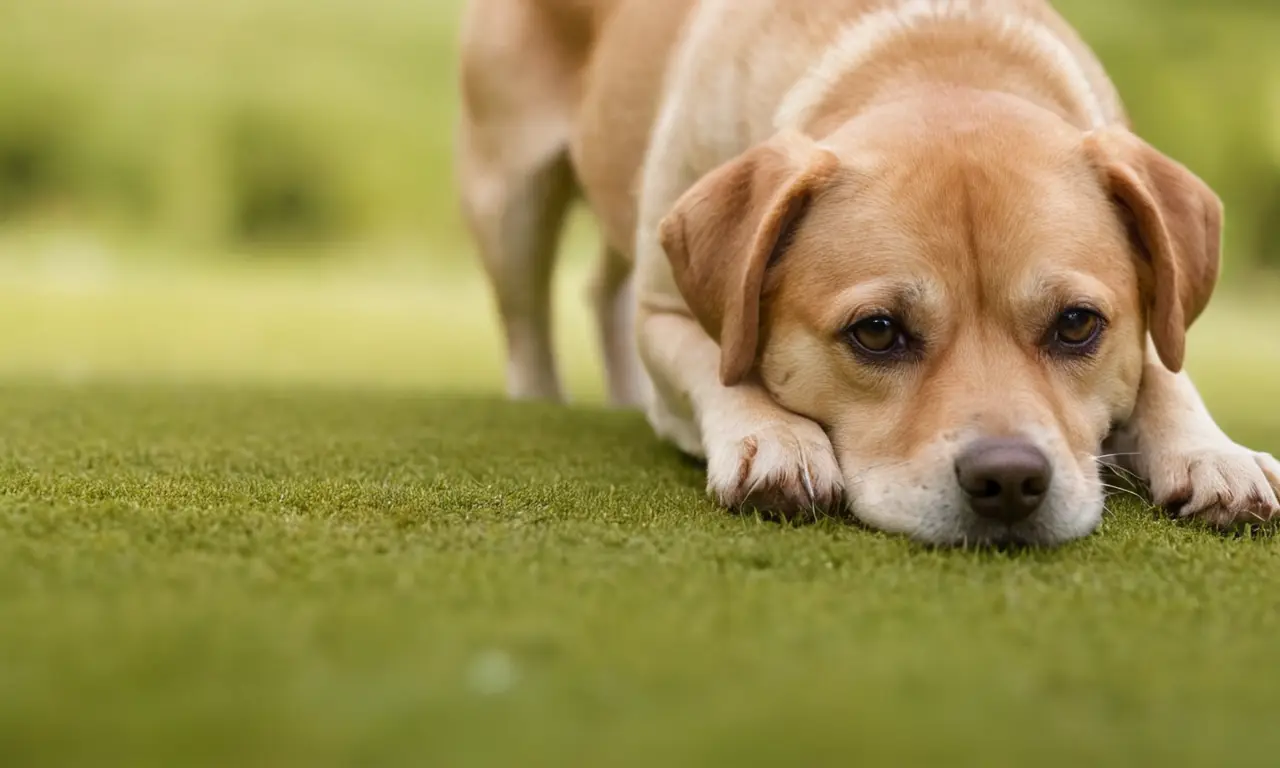
Ectropion in Dogs: Causes, Symptoms & Treatments
Ectropion is a condition in dogs where the eyelid, typically the lower one, turns outward, exposing the sensitive conjunctival surface of the eye. This outward rolling can lead to a variety of eye issues, ranging from discomfort and irritation to serious infections and vision impairment. Understanding the causes, recognizing the symptoms, and knowing the available treatment options are crucial for any dog owner to ensure their pet's ocular health and well-being. This comprehensive guide will delve into the intricacies of Ectropion in dogs, providing valuable insights for concerned owners.
𝙲𝚘𝚗𝚝𝚎𝚗𝚝
What is Ectropion in Dogs?
At its core, Ectropion in dogs is a conformational defect of the eyelid. Instead of resting snugly against the eyeball, the eyelid margin droops or rolls away from the eye's surface. While it most commonly affects the lower eyelid, it can occasionally involve the upper eyelid, or both. This malposition leaves the eye vulnerable to environmental irritants, drying out, and bacterial contamination.
Anatomy of the Eyelids
To fully grasp ectropion, a basic understanding of eyelid anatomy is helpful. Dogs have two eyelids, the upper and lower, which meet at the corners (canthi) to form the palpebral fissure. The inner surface of the eyelids is lined with a thin, moist membrane called the conjunctiva, which also covers the white part of the eyeball (sclera). The eyelid margin contains eyelashes and is supported by a cartilaginous plate called the tarsus. Muscles and ligaments work in concert to control eyelid movement and ensure proper eye closure. In ectropion, this delicate balance is disrupted.
Types of Ectropion
- Congenital Ectropion: This is the most common form and is present from birth. It's often linked to genetic factors and is more prevalent in certain breeds.
- Acquired Ectropion: This type develops later in a dog's life due to various factors such as trauma, scarring, facial nerve paralysis, orbital tumors, or severe inflammation around the eye.
Causes of Ectropion in Dogs
The root causes of Ectropion in dogs can be broadly categorized into genetic predisposition and acquired factors.
Genetic Predisposition and Breed Factors
Many breeds are genetically predisposed to ectropion due to their facial structure and skull conformation. These are often breeds with loose facial skin, heavy jowls, or brachycephalic (short-nosed) features. Some of the most commonly affected breeds include:
- Basset Hounds: Famous for their droopy facial features, Basset Hounds are highly prone to ectropion.
- Bloodhounds: Similar to Basset Hounds, their loose skin contributes to the condition.
- Mastiffs and Bulldogs: These breeds often have excessive facial skin that can lead to eyelid malformation.
- Cocker Spaniels and Springer Spaniels: While not as pronounced as in scent hounds, these breeds can also exhibit ectropion.
- Saint Bernards: Their large size and prominent jowls increase the risk.
- Newfoundland Dogs: Similar to other large breeds with loose facial skin.
- Chow Chows: Their characteristic facial structure can predispose them.
In these breeds, the ectropion is often a result of excessive skin around the eye, a larger orbital socket, or an underdeveloped eyelid muscle. This is why responsible breeding practices are essential to minimize the incidence of such heritable conditions.
Acquired Causes
While genetics plays a significant role, Ectropion in dogs can also develop later in life due to:
- Trauma: Injuries to the face or eye area, such as from fights with other animals or accidents, can damage eyelid structures and lead to ectropion.
- Scarring: Severe inflammation, infection, or surgical procedures in the periocular region can result in scar tissue formation, which can contract and pull the eyelid away from the eye.
- Facial Nerve Paralysis: Damage to the facial nerve can weaken the muscles that control eyelid tone, causing the eyelid to droop. This can be a symptom of underlying neurological conditions.
- Orbital Tumors: Masses growing within or around the eye socket can exert pressure and distort eyelid position.
- Weight Loss: Sudden and significant weight loss can cause the skin around the face and eyes to sag, potentially leading to acquired ectropion.
- Eye Infections and Inflammation: Chronic or severe conjunctivitis or keratitis can sometimes lead to secondary changes that affect eyelid support.
Symptoms of Ectropion in Dogs
The outward rolling of the eyelid makes the eye more exposed and susceptible to problems. Owners should be vigilant for the following signs:
Elbow Dysplasia in Dogs: Symptoms & Treatment Guide- Visible Lower Eyelid: The most obvious symptom is the lower eyelid drooping or turning away from the eyeball, revealing the pink inner lining (conjunctiva).
- Redness and Inflammation: The exposed conjunctiva can become inflamed and red due to irritation and lack of lubrication. This is often referred to as conjunctivitis.
- Excessive Tearing (Epiphora): When the lower eyelid is rolled out, the puncta (drainage openings for tears) can be mispositioned, leading to tears spilling over the eyelid margin and down the face.
- Eye Discharge: The exposed eye is more prone to dryness and irritation, which can stimulate increased mucus production, leading to a thick, sometimes colored, discharge.
- Dry Eye (Keratoconjunctivitis Sicca): The exposed surface of the eye dries out more easily, which can damage the cornea and lead to discomfort, pain, and even corneal ulcers.
- Squinting or Excessive Blinking (Blepharospasm): Dogs may squint or blink frequently to try and protect their irritated or painful eye.
- Rubbing or Pawing at the Eye: Discomfort and irritation can cause the dog to repeatedly rub its eye with its paw or against furniture.
- Pale or Dull Cornea: In severe or chronic cases, the cornea may lose its normal clarity and appear cloudy or dull due to damage.
- Changes in Eye Appearance: The eye may appear "sad" or have a perpetually watery look.
It's important to note that the severity of symptoms can vary greatly depending on the degree of ectropion and whether secondary complications like infection or dry eye have developed.
Diagnosis of Ectropion in Dogs
Diagnosing Ectropion in dogs is typically straightforward and is usually performed by a veterinarian during a routine physical examination.
Veterinary Examination
The veterinarian will begin by observing the dog's eyes and eyelids. They will look for the characteristic outward rolling of the eyelid and assess the overall health of the eye. A thorough physical examination will include:
- Visual Inspection: Noting the degree of ectropion, any redness, discharge, or signs of corneal damage.
- Palpation: Gently feeling the eyelids and surrounding tissues for any abnormalities.
- Schirmer Tear Test: This simple test measures tear production. Dogs with ectropion are prone to dry eye, so this test is crucial to assess tear film adequacy.
- Fluorescein Stain: A special dye is applied to the eye to highlight any corneal abrasions or ulcers. This helps determine if the ectropion has already caused damage to the cornea.
- Slit Lamp Examination: If available, a slit lamp allows for magnified viewing of the cornea, conjunctiva, and deeper structures of the eye to detect subtle changes or signs of infection.
In some cases, especially if acquired ectropion is suspected, further diagnostic tests might be recommended to identify the underlying cause. This could include blood work, neurological assessments, or imaging studies like X-rays or ultrasounds.
Treatment Options for Ectropion in Dogs
The goal of treatment for Ectropion in dogs is to correct the eyelid malposition, protect the eye from further damage, and alleviate discomfort. Treatment approaches vary depending on the severity of the ectropion, the presence of secondary complications, and the dog's overall health.
Medical Management
For mild cases where there are no significant secondary complications, medical management might be sufficient. This typically involves:
- Lubricating Eye Drops or Ointments: These help to keep the exposed conjunctiva and cornea moist and protected from drying out and environmental irritants. Artificial tears and ophthalmic ointments are commonly prescribed.
- Antibiotic Ointments/Drops: If there are signs of secondary bacterial infection, antibiotic medications will be used to clear the infection and reduce inflammation.
- Anti-inflammatory Medications: Oral or topical anti-inflammatory drugs may be prescribed to reduce swelling and discomfort.
Medical management is often a lifelong commitment for dogs with significant ectropion, focusing on symptom management and prevention of complications.
Surgical Correction
For moderate to severe cases of ectropion, or when medical management is insufficient to prevent complications, surgical correction is usually the recommended treatment. The primary goal of surgery is to reposition the eyelid to its normal anatomical location, ensuring it rests snugly against the eyeball.
Dogs and Seniors: A Powerful Bond Against LonelinessThe most common surgical procedure is a tarsoconjunctival blepharoplasty. This involves:
- Anesthesia: The dog will be under general anesthesia for the procedure.
- Incision and Resection: A small amount of excess eyelid skin and conjunctiva is carefully removed. The exact technique and amount of tissue removed will depend on the individual dog's anatomy and the severity of the ectropion.
- Suturing: The remaining eyelid edges are then meticulously sutured together to create a stable eyelid margin that is correctly positioned against the globe.
- Post-operative Care: After surgery, the owner will need to administer eye medications (antibiotics and anti-inflammatories) and prevent the dog from rubbing or scratching the surgical site. An Elizabethan collar (cone) is usually essential for this purpose.
There are various surgical techniques, and the veterinary surgeon will choose the most appropriate one based on the specific case. Some procedures aim to tighten the eyelid muscles, while others focus on removing excess skin or repositioning the tarsal plate.
Timing of Surgery
For congenital ectropion, surgery is often delayed until the dog is fully grown, typically between 6 to 12 months of age, to allow for final facial development. However, if the ectropion is causing significant discomfort, corneal damage, or frequent infections, earlier intervention may be necessary.
Prognosis After Surgery
The prognosis for surgical correction of Ectropion in dogs is generally good. Most dogs experience significant improvement in their symptoms and a reduction in the risk of complications. However, it's important to understand that:
- Recurrence: In some cases, especially in very young dogs where the facial structure is still developing, some degree of ectropion may recur.
- Scarring: As with any surgery, some scarring will occur.
- Need for ongoing care: Even after successful surgery, some dogs may still benefit from occasional use of lubricating eye drops, especially in dry climates or if they have a history of dry eye.
Lifestyle Adjustments and Home Care
Beyond medical and surgical treatments, owners can implement certain lifestyle adjustments and home care practices to help manage ectropion:
- Regular Eye Cleaning: Gently clean around the dog's eyes with a damp cloth or pet-safe eye wipes to remove any discharge and prevent matting.
- Environmental Control: Minimize exposure to dust, wind, and smoke, which can further irritate the eyes.
- Diet: Ensure the dog is on a high-quality diet that supports overall health, which can indirectly contribute to better tissue health.
- Regular Veterinary Check-ups: Routine visits to the veterinarian are crucial for monitoring the dog's eye health and catching any developing issues early.
Complications of Untreated Ectropion
Ignoring or delaying treatment for Ectropion in dogs can lead to a cascade of serious complications:
- Chronic Conjunctivitis: Persistent inflammation of the conjunctiva due to exposure.
- Keratitis: Inflammation of the cornea.
- Corneal Ulcers: Open sores on the cornea, which can be very painful and lead to scarring or even perforation if left untreated.
- Secondary Infections: Bacteria can easily invade the exposed and irritated eye tissues, leading to painful infections.
- Pigmentary Keratitis: A condition where pigment deposits on the cornea, which can impair vision.
- Vision Loss: Severe corneal damage, scarring, or infection can ultimately lead to partial or complete vision loss.
- Chronic Pain and Discomfort: The constant irritation and inflammation can cause significant and ongoing pain for the dog.
Prevention and Responsible Breeding
While it's impossible to prevent congenital ectropion entirely, responsible breeding practices can significantly reduce its incidence in predisposed breeds. Breeders should screen their breeding stock for common genetic conditions, including eyelid abnormalities, and avoid breeding dogs with known ectropion or other conformational defects that could be passed on.
For owners of breeds prone to ectropion, early recognition of symptoms and prompt veterinary consultation are key to ensuring the best possible outcome for their pet.
Puppy Flea Elimination: A Comprehensive GuideIn summary
Ectropion in dogs is a common eyelid malformation that, while often genetic, can also be acquired. It poses a risk to a dog's ocular health by exposing the eye to irritation, dryness, and infection. Recognizing the signs, understanding the causes, and seeking timely veterinary diagnosis and treatment are paramount. Whether through medical management of mild cases or surgical correction of more severe ones, the goal is always to protect the dog's vision and ensure their comfort and quality of life. By being an informed and attentive pet owner, you can effectively manage this condition and keep your canine companion's eyes healthy and happy.
Cat Urinary Crystals: Types, Symptoms & Treatment Guide
Cat Weight: How Do I Know If My Cat Is Fat?
Encephalitis in Dogs: Symptoms, Causes & Treatment
Dog Cavities: Causes, Symptoms, and Treatment Options
Natural Flea Relief: Home Remedies for Fleas in Cats
Newborn Puppy Feeding Guide: From Birth to Weaning
Related posts