
Afghan Hound Training: Your Guide to Educating a Dignified Breed
Afghan Hound Training: Your Guide to Educating a Dignified Breed
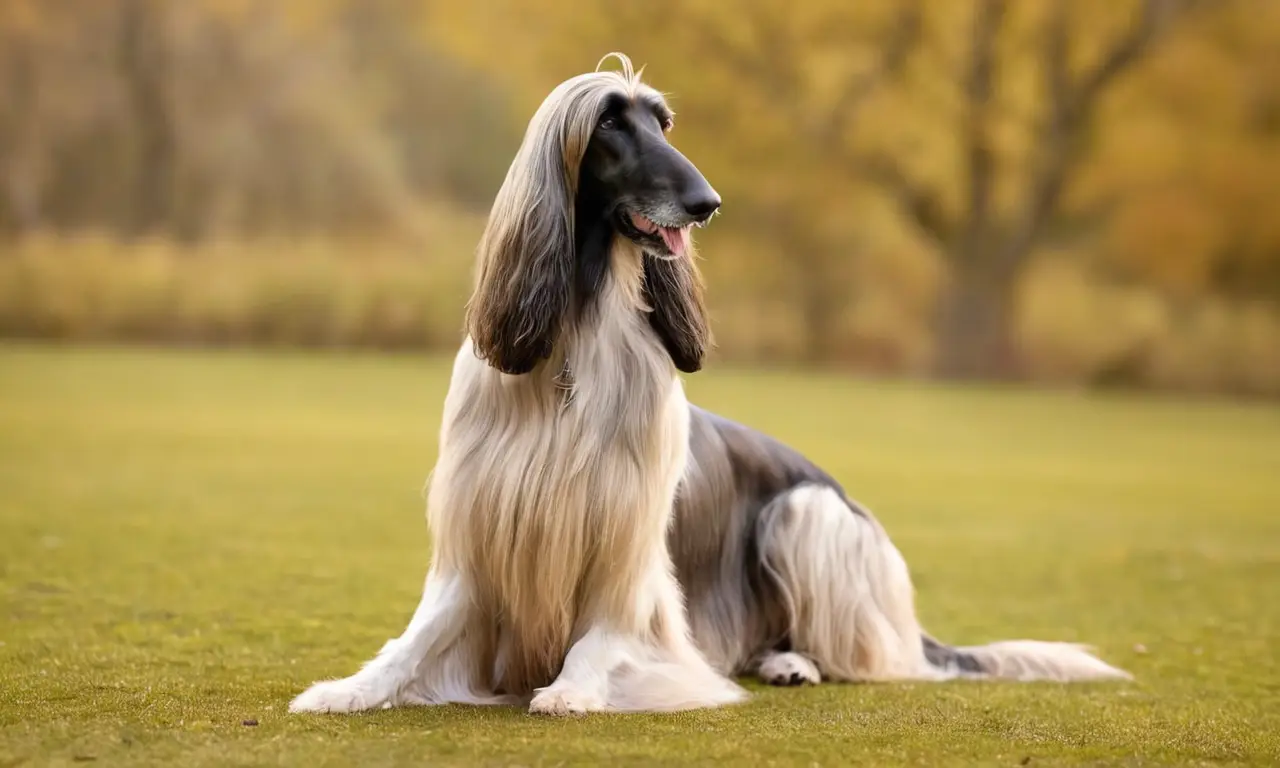
The Afghan Hound, with its majestic bearing, flowing coat, and independent spirit, presents a unique training challenge. Unlike more eager-to-please breeds, the Afghan Hound's intelligence is often coupled with a strong sense of self-preservation and a tendency towards stubbornness. However, with patience, consistency, and an understanding of their inherent nature, it is absolutely possible to successfully educate an Afghan hound. This comprehensive guide will delve into the nuances of Afghan Hound training, from early socialization to advanced obedience, empowering you to build a strong bond and manage this striking breed effectively.
Understanding the Afghan Hound's Temperament
Before embarking on any training journey, it's crucial to grasp the core characteristics of the Afghan Hound. Bred for hunting in rugged terrains, they possess exceptional eyesight, a lightning-fast sprint, and a keen hunting instinct. This translates into a breed that can be easily distracted by moving objects (squirrels, cyclists, other dogs) and may have a high prey drive. Their independence means they aren't naturally inclined to follow commands blindly. Instead, they are intelligent observers who analyze situations and often decide whether a command is worth their effort. This doesn't mean they are untrainable; it simply means training requires a different approach – one that appeals to their intelligence and respects their dignity.
Key temperament traits to consider:
- Independent: They often think for themselves and may not be as responsive to commands as other breeds.
- Dignified: They possess a regal air and can be sensitive to harsh corrections.
- Intelligent: They learn quickly but also learn what they want to learn.
- Distractible: Their strong eyesight and prey drive can make them easily sidetracked.
- Sensitive: Positive reinforcement methods are crucial for success.
- Loyal: Despite their independence, they form deep bonds with their families.
Early Socialization: The Foundation of a Well-Adjusted Afghan
The most critical period for socializing any puppy, including an Afghan Hound, is between 3 and 16 weeks of age. During this window, expose your Afghan puppy to a wide variety of positive experiences. This includes different people of all ages, genders, and appearances, as well as other well-behaved, vaccinated dogs. Introduce them to various sights, sounds, and textures in a controlled and positive manner. This early exposure will help prevent fear-based aggression and anxiety later in life, making them more adaptable and confident.
What to include in your socialization plan:
- People: Friends, family, delivery people, children (under supervision).
- Dogs: Friendly, vaccinated adult dogs, and other puppies in a controlled environment.
- Environments: Parks, quiet streets, pet-friendly stores, car rides.
- Sounds: Vacuum cleaner, doorbells, traffic, thunderstorms (played at low volume initially).
- Surfaces: Grass, pavement, carpet, tile, gravel.
Remember to keep these experiences positive. If your puppy seems overwhelmed, retreat to a comfortable distance and gradually reintroduce them. Reward calm behavior with treats and praise.
Basic Obedience Training: Building Communication and Trust
Once your Afghan Hound puppy has settled in, you can begin with basic obedience. The key to training an Afghan Hound is to make it a positive and engaging experience. Harsh corrections will likely backfire, leading to a withdrawn or even defiant dog. Instead, focus on positive reinforcement.
1. House Training:
Patience is paramount. Establish a consistent routine for potty breaks, taking your puppy out first thing in the morning, after waking from naps, after meals, and before bedtime. Praise and reward them enthusiastically when they eliminate in the designated spot. Clean up accidents thoroughly with an enzymatic cleaner to eliminate odors that might attract them back to the same spot. Crate training can be an invaluable tool for house training, as dogs are naturally inclined not to soil their sleeping area.
Top Exercises for Hyperactive Dogs: Fun & Fatigue2. Leash Training:
Afghan Hounds can be prone to pulling due to their strength and desire to explore. Start by introducing the collar and leash indoors. Let them wear the collar for short periods, associating it with positive experiences like treats and play. Once they are comfortable, attach the leash and let them drag it around under supervision. Begin walking indoors, rewarding them for walking beside you without pulling. If they pull, stop walking and wait for the leash to slacken before continuing. Gradually move to outdoor walks, always reinforcing loose-leash walking.
3. "Sit" Command:
Hold a treat near your Afghan Hound's nose and move it upwards and slightly back over their head. As their nose follows the treat, their rear end will naturally lower. As soon as they sit, say "Sit" and give them the treat and praise. Repeat this many times in short, fun sessions.
4. "Stay" Command:
Once your Afghan Hound reliably sits on command, you can introduce "Stay." Ask them to sit, then hold your hand out in a flat palm towards them and say "Stay." Take one step back, and if they remain seated, immediately return and reward them. Gradually increase the distance and duration of the stay. If they break the stay, gently lead them back to their original spot and try again.
5. "Come" Command (Recall):
This is arguably the most important command for an Afghan Hound. Start in a quiet, enclosed area. Get excited and call your dog's name followed by "Come!" When they run to you, reward them with high-value treats and enthusiastic praise. Never punish your dog if they don't come, as this will make them hesitant to come to you in the future. Always make coming to you the most rewarding thing they can do.
Addressing Specific Afghan Hound Challenges
The unique nature of the Afghan Hound means you'll likely encounter specific training hurdles.
Master Canine Obedience: Your Guide to a Well-Behaved Dog1. The Prey Drive:
Managing their prey drive requires a multi-pronged approach.
- Strong Recall: As mentioned, a reliable recall is paramount. Practice this daily in various environments.
- Leash Management: Always use a secure leash and collar or harness. Consider a hands-free leash for better control.
- Environmental Management: When in unfenced areas, ensure your dog is on a leash at all times. Avoid off-leash opportunities unless in a secure, designated dog park where you are confident in their recall.
- "Leave It" Command: Teach your Afghan Hound to disengage from tempting items or stimuli. When they are focused on something, distract them with a treat and say "Leave it." Reward them when they look away from the object and focus on you.
2. The Independent Streak:
Afghan Hounds are not robots. They have their own opinions. To combat this:
- Make Training Fun: Use games, toys, and varied rewards to keep them engaged.
- Keep Sessions Short: Several short, positive training sessions throughout the day are more effective than one long, tedious one.
- High-Value Rewards: Discover what truly motivates your Afghan Hound. This might be special treats, a favorite toy, or a game of fetch.
- Patience and Consistency: Never give up. Every interaction is a training opportunity.
3. Grooming and Handling:
While not strictly obedience training, desensitizing your Afghan Hound to grooming and handling is vital. Their long, flowing coat requires regular brushing to prevent matting.
- Introduce Brushing Gradually: Start with short sessions, rewarding your dog for calm behavior.
- Positive Association: Pair brushing with treats and praise.
- Handle Paws and Ears: Gently touch their paws and ears regularly, rewarding them for tolerance. This will make vet visits and nail trims much easier.
Advanced Training and Mental Stimulation
Once your Afghan Hound has mastered the basics, you can explore more advanced training and activities to keep their intelligent minds stimulated.
- Agility: Afghan Hounds can excel in agility due to their athleticism and speed. The course challenges their problem-solving skills and physical capabilities.
- Scent Work: Their keen sense of smell makes them natural candidates for scent-based activities.
- Trick Training: Teaching tricks can be a fun way to reinforce basic commands and strengthen your bond.
- Canine Good Citizen (CGC) Program: This program tests a dog's good manners in real-world situations and is an excellent goal for any owner.
The Importance of Positive Reinforcement
At the core of successfully educate an Afghan hound is the unwavering application of positive reinforcement training methods. This involves rewarding desired behaviors with treats, praise, toys, or affection. This approach builds trust and a positive association with training, making your Afghan Hound more eager to participate.
What positive reinforcement looks like:
Classical Conditioning in Dogs: A Training Guide- Timing is Key: Reward the desired behavior immediately (within 1-2 seconds) so your dog understands what they are being rewarded for.
- High-Value Rewards: Use treats that are extra special and only given during training sessions.
- Enthusiastic Praise: A happy, encouraging tone of voice can be a powerful motivator.
- Clicker Training: A clicker can be an effective tool to mark the exact moment a desired behavior occurs, followed by a reward.
When to Seek Professional Help
While many Afghan Hound owners can successfully train their dogs at home, there are times when professional guidance is invaluable. If you are struggling with specific behavioral issues, such as excessive barking, resource guarding, or severe anxiety, or if you are a first-time dog owner, consider consulting a certified professional dog trainer who has experience with sighthounds. They can provide tailored advice and support, ensuring you and your Afghan Hound achieve your training goals.
In conclusion, educate an Afghan hound is a rewarding journey that requires understanding, patience, and a commitment to positive training methods. By recognizing their unique temperament, focusing on early socialization, building a strong communication system through consistent basic obedience, and addressing their specific needs, you will foster a well-behaved, confident, and deeply connected companion who will bring years of joy and elegance into your life. Their dignified presence is a testament to their breed, and with the right approach, they will be a magnificent addition to any home.
Cat Leash Training: Your Step-by-Step Guide
Mastering Dog Training: Defense & Attack Techniques
Dog Behavior Expert: When Your Pet Needs Guidance
Stop Garden Holes: Effective Ways to Prevent Dog Digging
Overcoming Canine Insecurity & Fear: A Comprehensive Guide
Stop Male Dog Fights: Expert Tips for Harmony
Related posts