
Equine Encephalitis: Symptoms, Treatment & Prevention Guide
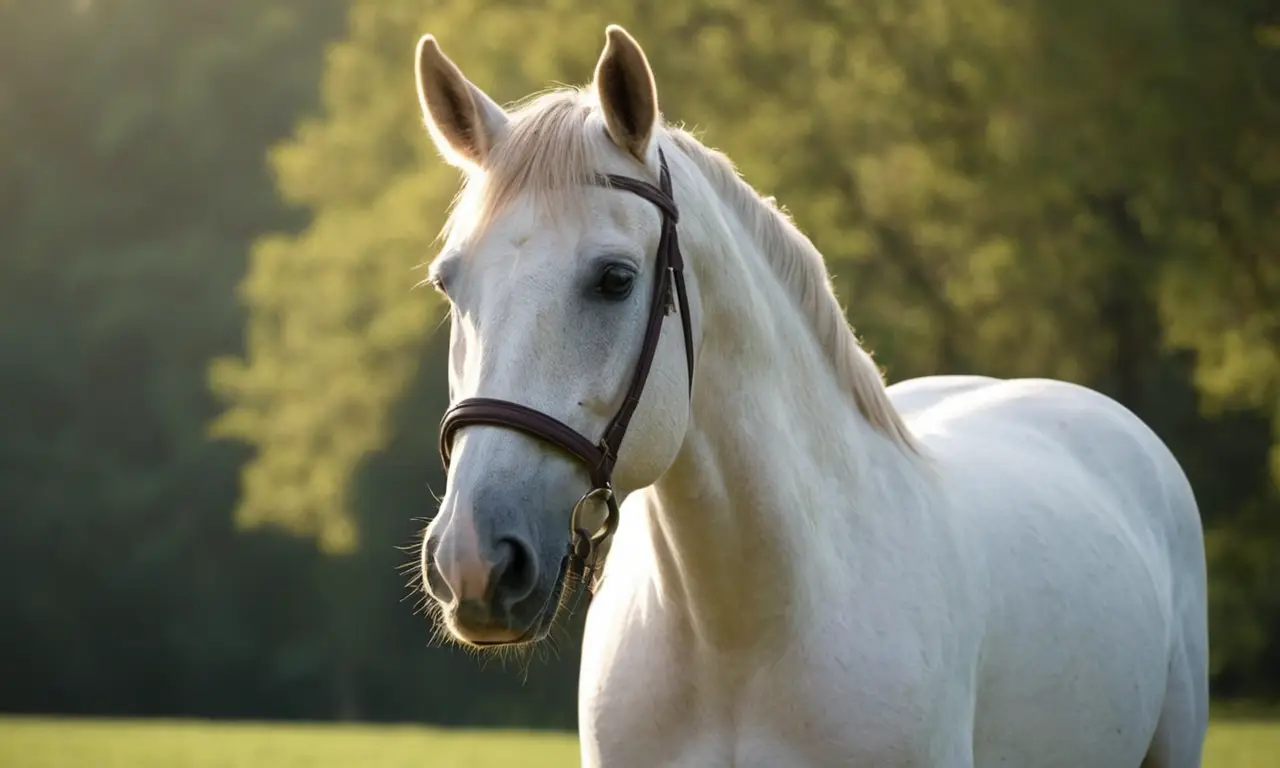
Understanding Equine Encephalitis: Symptoms, Treatment, and Prevention
Equine encephalitis is a serious and often fatal neurological disease affecting horses, characterized by inflammation of the brain. This complex condition demands swift recognition, appropriate veterinary intervention, and diligent preventive measures to safeguard equine populations. This comprehensive guide delves into the nuances of equine encephalitis, exploring its diverse symptoms, current treatment protocols, and the crucial strategies for prevention, all while emphasizing the importance of early detection and informed management for affected animals and their caretakers.
𝙲𝚘𝚗𝚝𝚎𝚗𝚝
- What is Equine Encephalitis?
- The Culprits: Viruses Causing Equine Encephalitis
- Recognizing the Signs: Equine Encephalitis - Symptoms and Treatment
- Diagnostic Approaches: Confirming Equine Encephalitis
- Managing the Crisis: Equine Encephalitis - Symptoms and Treatment
- The Best Defense: Prevention is Key
- The Human Connection: Equine Encephalitis and Public Health
- In summary: Vigilance and Proactive Care for Equine Health
What is Equine Encephalitis?
Equine encephalitis, also known as sleeping sickness, is a viral infection that targets the central nervous system of horses. The disease is primarily transmitted by mosquitoes that have previously fed on infected birds or rodents. Once the virus enters the horse's bloodstream, it can travel to the brain, causing inflammation and damage. There are several distinct types of equine encephalitis, each caused by a specific virus, but they share many common clinical signs and are often grouped together due to their similar presentation and impact on equine health. The most common forms include Eastern Equine Encephalitis (EEE), Western Equine Encephalitis (WEE), and Venezuelan Equine Encephalitis (VEE). While all are serious, EEE is generally considered the most virulent and has the highest mortality rate in horses.
The Culprits: Viruses Causing Equine Encephalitis
The different strains of equine encephalitis are caused by arboviruses, which are viruses transmitted by arthropod vectors, in this case, mosquitoes. Understanding the specific viruses is important for both diagnosis and understanding geographic prevalence.
- Eastern Equine Encephalitis (EEE): This is the most dangerous form, with a very high mortality rate, often exceeding 90% in unvaccinated horses. It is prevalent in the eastern United States, but cases have been reported in other regions as well. The virus circulates primarily in wild birds and is transmitted to horses and humans by mosquitoes.
- Western Equine Encephalitis (WEE): While less deadly than EEE, WEE still has a significant mortality rate, particularly in foals. It is common in the western and central United States and Canada. Like EEE, it involves a bird-mosquito-horse transmission cycle.
- Venezuelan Equine Encephalitis (VEE): This strain is particularly concerning due to its potential for widespread outbreaks and its ability to cause significant economic losses. VEE is found in South America and Central America and can affect humans with severe illness. Its transmission cycle can involve rodents and horses, and it is highly contagious among horses.
Less common, but still important, strains can include Japanese Encephalitis Virus (JEV) in parts of Asia and Australia, and Murray Valley Encephalitis Virus (MVEV) in Australia.
Recognizing the Signs: Equine Encephalitis - Symptoms and Treatment
The manifestation of equine encephalitis can vary depending on the specific virus, the age and immune status of the horse, and the stage of the disease. However, early recognition of neurological signs is paramount for initiating timely and effective treatment. The initial symptoms are often non-specific and can be mistaken for other common equine ailments.
Equine Glanders: Symptoms & Diagnosis - A Comprehensive GuideEarly and Subtle Signs:
- Fever: A sudden onset of elevated body temperature is often one of the first indicators.
- Lethargy and Depression: Affected horses may appear unusually tired, uninterested in their surroundings, and generally withdrawn.
- Loss of Appetite: A decreased or absent desire to eat is a common symptom across many illnesses, including encephalitis.
- Muscle Tremors: Slight, involuntary shaking of the muscles, particularly in the head and neck, can be an early neurological sign.
- Hind Limb Weakness: Horses might show a noticeable weakness or unsteadiness in their hindquarters, leading to stumbling or difficulty standing.
Progressive Neurological Symptoms:
As the virus progresses and inflammation in the brain intensifies, more severe and characteristic neurological signs emerge. These are the hallmark symptoms that strongly suggest a diagnosis of equine encephalitis.
- Behavioral Changes: This can range from extreme irritability and aggression to profound depression and a vacant stare. Some horses may become disoriented, wander aimlessly, or press their heads against stable walls or fences.
- Ataxia (Incoordination): This is a critical symptom. Horses will exhibit a lack of voluntary coordination of muscle movements. This can manifest as:
- Stumbling and falling, especially when turning.
- Wide-based stance.
- Difficulty lifting the legs, leading to a characteristic shuffling gait.
- Inability to stand or difficulty getting up.
- Head Pressing: A classic sign where the horse continuously presses its head against solid objects. This is indicative of brain pressure and damage.
- Facial Paralysis: Drooping of the lips, eyelids, or ears on one or both sides of the face.
- Difficulty Swallowing (Dysphagia): This can lead to drooling, choking, or aspiration pneumonia if food or water enters the lungs.
- Seizures or Convulsions: In severe cases, horses may experience uncontrolled muscle contractions, foaming at the mouth, and loss of consciousness.
- Blindness or Vision Impairment: Some horses may show signs of blindness, such as bumping into objects or a lack of menace response.
- Coma: In the most advanced stages, the horse may become unresponsive and fall into a coma.
It is crucial to remember that not all horses will display all of these symptoms. The progression and severity can be rapid, with some horses deteriorating within hours.
Diagnostic Approaches: Confirming Equine Encephalitis
A definitive diagnosis of equine encephalitis relies on a combination of clinical signs, a history of potential exposure, and laboratory tests. Veterinarians will conduct a thorough physical and neurological examination to assess the severity of the condition and rule out other possible causes of neurological disease in horses, such as rabies, West Nile virus, or EHV-1 myeloencephalopathy.
Key Diagnostic Tools:
- Blood Tests:
- Serological Tests: These tests detect antibodies produced by the horse's immune system in response to the virus. They can identify recent or past infections but may not confirm active disease.
- PCR (Polymerase Chain Reaction) Tests: These tests can detect the presence of the viral RNA in blood or cerebrospinal fluid (CSF), providing a more definitive diagnosis of an active infection.
- Cerebrospinal Fluid (CSF) Analysis: A sample of CSF, obtained through a spinal tap, can reveal elevated white blood cell counts and the presence of antibodies specific to the encephalitis virus, indicating inflammation of the central nervous system.
- Post-Mortem Examination: In fatal cases, a necropsy can confirm the presence of characteristic brain lesions and allow for viral isolation and identification.
Managing the Crisis: Equine Encephalitis - Symptoms and Treatment
Unfortunately, there is no specific cure for equine encephalitis. The treatment is primarily supportive, aiming to manage the symptoms, prevent secondary complications, and support the horse's body in fighting off the infection. The prognosis is highly dependent on the strain of the virus, the severity of the neurological damage, and the speed at which treatment is initiated.
Supportive Care: The Cornerstone of Treatment
- Fluid Therapy: Intravenous fluids are crucial to maintain hydration, especially if the horse is unable to drink due to difficulty swallowing or depression. Electrolytes may also be supplemented.
- Nutritional Support: If the horse is not eating, a nasogastric tube may be used to administer liquid feed and ensure adequate calorie intake.
- Pain Management: Non-steroidal anti-inflammatory drugs (NSAIDs) may be used to reduce fever and inflammation, providing some comfort.
- Sedation and Tranquilization: In cases of extreme agitation or aggression, sedatives may be administered to prevent the horse from injuring itself or its handlers.
- Anticonvulsant Medications: If seizures occur, anticonvulsant drugs will be administered to control them.
- Antibiotics: While encephalitis is viral, bacterial secondary infections can occur, particularly due to compromised immune systems or aspiration pneumonia. Antibiotics may be prescribed to treat these.
- Nursing Care: This is paramount. Horses with severe neurological signs require intensive nursing care. This includes:
- Keeping them clean and dry.
- Assisting them to stand or providing supportive slings if they are unable to support their own weight.
- Turning them regularly to prevent pressure sores.
- Monitoring vital signs closely.
The Role of Antivirals: Limited Efficacy
While research into antiviral medications for equine encephalitis is ongoing, there are currently no universally effective antiviral drugs that can reverse the damage caused by these viruses. In some cases, experimental treatments might be considered under veterinary guidance, but their efficacy is often limited.
Equine Influenza: Symptoms, Treatment & Prevention GuideThe Best Defense: Prevention is Key
Given the severity and often fatal outcome of equine encephalitis, prevention is undoubtedly the most effective strategy. Fortunately, there are proven methods to significantly reduce the risk of infection in horses.
Vaccination: The First Line of Defense
Vaccination is the cornerstone of preventing equine encephalitis. Vaccines are available for EEE, WEE, and VEE. The specific vaccination schedule will depend on the geographic location, the horse's age and health status, and the risk factors present.
- Initial Vaccination Series: Young horses typically require an initial series of two or three vaccinations, spaced a few weeks apart, to establish immunity.
- Booster Vaccinations: Annual booster vaccinations are essential to maintain adequate protection. In areas with a high risk of mosquito-borne diseases, or during periods of increased disease activity, veterinarians may recommend more frequent boosters (e.g., every 4-6 months).
- Pregnant Mares: Vaccinating pregnant mares can provide passive immunity to their foals through colostrum.
It is vital to discuss an appropriate vaccination protocol with your veterinarian.
Mosquito Control: Disrupting the Transmission Cycle
Mosquitoes are the primary vectors for the encephalitis viruses. Therefore, controlling mosquito populations around equine facilities is crucial for preventing transmission.
- Eliminate Standing Water: Mosquitoes breed in stagnant water. Regularly drain or eliminate water sources such as:
- Buckets and troughs that are not regularly cleaned.
- Old tires, containers, and clogged gutters.
- Water features that cannot be maintained.
- Pond and Waterway Management: If ponds are unavoidable, consider introducing mosquito-eating fish.
- Barn and Paddock Management:
- Keep stables clean and free of manure buildup, which can attract mosquitoes.
- Repair screens on barn windows and doors to prevent mosquitoes from entering.
- Consider using fans in stables to create airflow, which can deter mosquitoes.
- Insect Repellents: While not a foolproof solution, using veterinarian-approved insect repellents on horses can offer some protection, especially during peak mosquito activity. These should be applied according to product instructions.
- Timing of Turnout: If possible, avoid turning horses out during dawn and dusk, which are peak mosquito feeding times.
Environmental Management and Awareness
- Monitor Local Disease Activity: Stay informed about any reported cases of equine encephalitis or West Nile virus in your area. Local health departments and veterinary organizations often provide this information.
- Minimize Bird and Rodent Populations: While not directly causing encephalitis in horses, these can serve as reservoirs for the viruses, thus supporting mosquito populations that can then infect horses.
The Human Connection: Equine Encephalitis and Public Health
It is important to note that some forms of equine encephalitis, particularly VEE and EEE, can also infect humans. While horses are often considered "dead-end hosts" for EEE and WEE (meaning they don't transmit the virus to humans), VEE can circulate between humans and horses. Therefore, when dealing with suspected or confirmed cases of equine encephalitis, human safety precautions should be taken. This includes wearing gloves and using insect repellent when handling affected horses and being aware of mosquito bite prevention.
Equine Piroplasmosis: Symptoms, Treatment, and PreventionIn summary: Vigilance and Proactive Care for Equine Health
Equine encephalitis remains a significant threat to equine health worldwide. The Equine encephalitis - Symptoms and treatment demand a proactive and informed approach from horse owners and veterinarians alike. By understanding the complex nature of this disease, recognizing the diverse symptoms, and implementing robust preventive measures, particularly vaccination and diligent mosquito control, the risk of devastating outbreaks can be significantly mitigated. The ultimate goal is to protect our equine companions from this potentially fatal neurological condition, ensuring their health and well-being through vigilance and consistent, evidence-based care.
Cat Weight: How Do I Know If My Cat Is Fat?
Encephalitis in Dogs: Symptoms, Causes & Treatment
Dog Cavities: Causes, Symptoms, and Treatment Options
Natural Flea Relief: Home Remedies for Fleas in Cats

Newborn Puppy Feeding Guide: From Birth to Weaning
FIP in Cats: Symptoms, Causes, and Treatment Options
Related posts