

German Shepherd Exercise: The Ultimate Guide to a Happy Dog
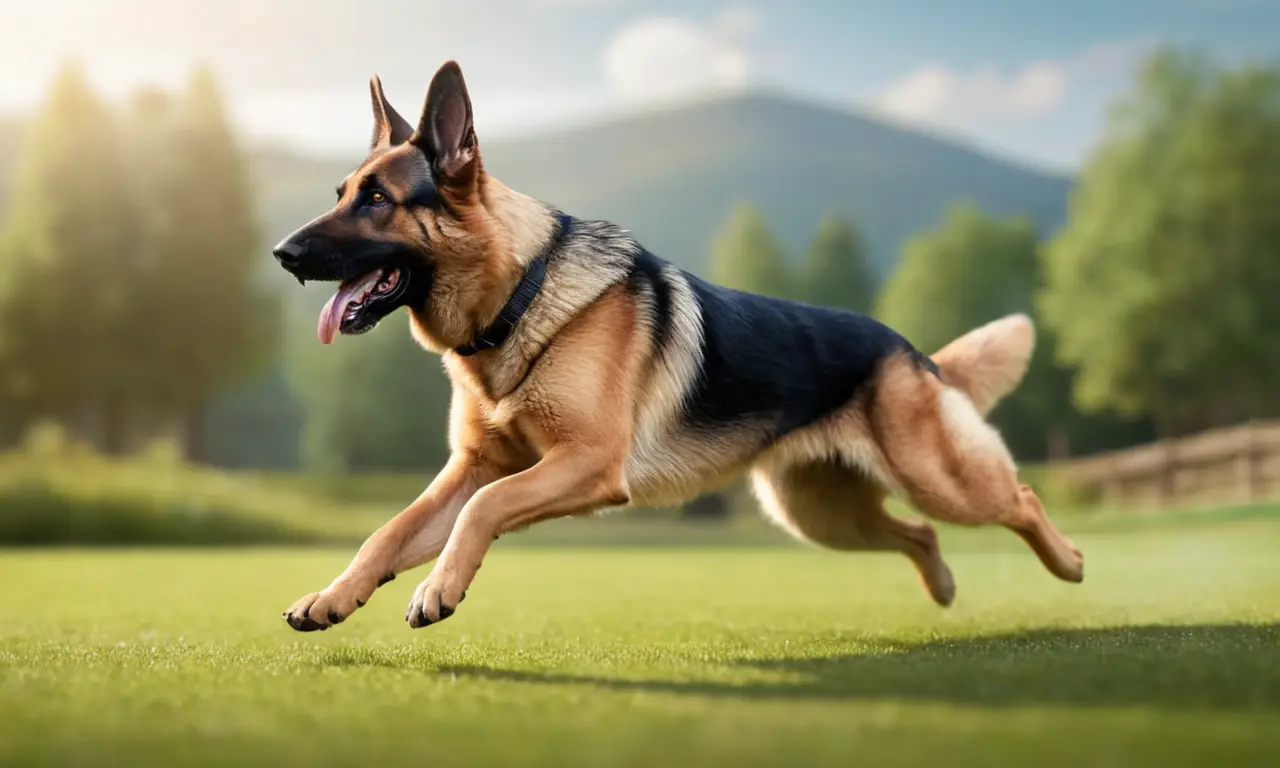
German Shepherd Exercise: The Ultimate Guide to a Happy Dog
German Shepherds are renowned for their intelligence, loyalty, and athletic prowess. These highly energetic dogs thrive on activity and mental stimulation, and proper Exercise of a German Shepherd is not merely a suggestion, but a fundamental requirement for their physical and psychological well-being. A well-exercised German Shepherd is a happy, well-behaved, and healthy companion, whereas a bored or under-exercised one can develop behavioral issues and become prone to health problems. This comprehensive guide will delve into the multifaceted aspects of exercising your German Shepherd, from understanding their specific needs to implementing a varied and engaging routine.
𝙲𝚘𝚗𝚝𝚎𝚗𝚝
Understanding the German Shepherd's Energy Levels and Needs
German Shepherds were originally bred as herding and working dogs, tasks that demanded stamina, intelligence, and a strong work ethic. This heritage means they possess a significant amount of energy that needs to be channeled constructively. Their energy levels can vary slightly based on age, genetics, and individual temperament, but as a general rule, expect a high-energy dog that requires at least 60-90 minutes of vigorous exercise daily. This doesn't mean a single long walk; rather, it encompasses a combination of physical exertion and mental engagement.
Age-Specific Exercise Requirements
The Exercise of a German Shepherd needs to adapt as they grow.
- Puppies (Up to 12 months): While puppies are bundles of energy, their developing joints and bones are susceptible to damage from excessive or high-impact exercise. Short, frequent play sessions are ideal. Avoid long, strenuous walks or jumping from heights. Focus on controlled play, short walks, and gentle training. Rule of thumb: 5 minutes of structured exercise per month of age, twice a day.
- Adult German Shepherds (1-7 years): This is when their energy levels are at their peak. They can handle longer walks, jogging, hiking, swimming, and more intense play sessions. Consistency is key during these years to maintain their fitness and prevent boredom.
- Senior German Shepherds (7+ years): While their energy levels will naturally decrease, seniors still require regular, albeit gentler, exercise. Shorter, slower walks, swimming (if they enjoy it), and gentle play can help maintain muscle mass, joint health, and mental acuity. Pay close attention to their body language and any signs of fatigue or discomfort.
The Pillars of Effective German Shepherd Exercise
Effective Exercise of a German Shepherd is built upon three crucial pillars: physical activity, mental stimulation, and proper socialization. Neglecting any one of these can lead to a frustrated or unbalanced dog.
1. Physical Activity: More Than Just a Walk
While daily walks are a cornerstone of their exercise routine, they are just the beginning. German Shepherds need varied physical challenges to keep their bodies and minds engaged.
Types of Physical Exercise:
- Walking and Hiking: This is a fundamental part of their routine. Aim for brisk walks that allow them to explore their surroundings and sniff. Hiking in varied terrain provides additional challenges for their bodies.
- Running/Jogging: Once your German Shepherd is physically mature (around 18-24 months), you can incorporate jogging or running into their routine. Ensure they are accustomed to the pace and distance gradually.
- Fetch and Retrieve Games: These are excellent for their prey drive and energy release. Use durable toys and ensure they understand the command to "drop it."
- Swimming: Many German Shepherds love water. Swimming is a low-impact exercise that provides a full-body workout and is excellent for their joints. Always supervise your dog around water.
- Agility Training: This is a fantastic way to combine physical and mental exercise. Obstacles like jumps, tunnels, weave poles, and A-frames challenge their coordination, agility, and problem-solving skills.
- Tug-of-War: This can be a great way to burn energy and reinforce obedience commands. Ensure you have clear rules and that your dog releases the toy when asked.
- Cycling with your Dog: If your dog is well-trained and conditioned, you can consider cycling with them. Use appropriate gear like a bike leash and ensure they are running at a safe pace.
2. Mental Stimulation: A Bored Brain is a Problem Brain
German Shepherds are highly intelligent and will find ways to entertain themselves if left to their own devices. This often leads to destructive behaviors like chewing furniture, digging, or excessive barking. Mental stimulation is as crucial as physical exercise.
Beagle Exercise Guide: Fun & Engaging ActivitiesMethods for Mental Engagement:
- Training Sessions: Regular obedience training, trick training, or advanced commands keep their minds sharp. Short, consistent training sessions (10-15 minutes) are more effective than long, infrequent ones.
- Puzzle Toys and Treat Dispensing Toys: These toys challenge your dog to figure out how to get to the treats inside, providing hours of mental engagement.
- Nose Work and Scent Games: German Shepherds have an incredible sense of smell. Hide treats or toys around the house or yard and encourage your dog to find them. This taps into their natural instincts.
- New Environments and Experiences: Exposing your dog to new sights, sounds, and smells in a controlled and positive manner is mentally stimulating. Visit different parks, go on car rides, or introduce them to new, calm people.
- Interactive Play: Games that require problem-solving, like hiding a toy and asking your dog to find it, are excellent mental workouts.
3. Socialization: Building a Well-Adjusted Companion
While not strictly "exercise" in the physical sense, proper socialization is integral to a well-rounded and happy German Shepherd. Early and ongoing socialization helps them become comfortable and confident around other dogs, people, and various environments.
- Positive Interactions: Arrange playdates with well-behaved, vaccinated dogs. Introduce them to people of all ages and backgrounds in a controlled and positive manner.
- Exposure to Different Environments: Gradually expose them to busy streets, different types of transportation, and various noises.
- Puppy Classes: These are invaluable for early socialization and learning basic obedience in a controlled group setting.
Creating a Balanced Exercise Routine
A consistent and varied routine is key to ensuring your German Shepherd receives adequate Exercise of a German Shepherd.
Sample Weekly Routine (Adult Dog):
Monday:
* Morning: Brisk 30-minute walk, followed by a 15-minute training session.
* Afternoon: 30 minutes of fetch in the yard.
* Evening: 30-minute exploratory walk.
Tuesday:
* Morning: 45-minute hike or brisk jog.
* Afternoon: 20 minutes of puzzle toy challenge.
* Evening: 30-minute casual walk.
Wednesday:
* Morning: 30-minute training session focusing on new tricks or advanced obedience.
* Afternoon: 30 minutes of supervised free play in a secure yard.
* Evening: 30-minute walk with opportunities for sniffing.
Thursday:
* Morning: 60-minute swimming session or agility practice.
* Afternoon: 15 minutes of scent games.
* Evening: 30-minute walk.
Friday:
* Morning: 45-minute walk exploring a new route.
* Afternoon: 30 minutes of tug-of-war.
* Evening: 30-minute casual walk.
Saturday:
* Morning: Longer adventure! A 1-2 hour hike or visit to a dog-friendly park.
* Afternoon: Relaxed playtime or a short training session.
* Evening: Short, gentle walk.
Sunday:
* Morning: 30-minute walk, focusing on obedience commands in a public setting.
* Afternoon: 20 minutes of puzzle toys.
* Evening: 30-minute casual walk.
Important Considerations:
- Weather: Adjust exercise intensity and duration based on weather conditions. Avoid strenuous activity during extreme heat or cold.
- Health: Consult your veterinarian before starting any new exercise program, especially if your dog has any underlying health conditions.
- Breed Specifics: While this guide is for German Shepherds, remember that individual dogs within the breed can have varying needs.
- Listen to Your Dog: Pay attention to your dog's body language. If they seem tired, reluctant, or show signs of pain, stop the activity and rest. Overexertion can be as detrimental as under-exertion.
- Consistency: Regularity is more important than intensity. A consistent routine, even if it's slightly less intense on some days, is better for long-term health and behavior.
Common Issues of Under-Exercised German Shepherds
When the Exercise of a German Shepherd is neglected, a cascade of problems can arise:
- Destructive Behavior: Chewing, digging, excessive barking, and property damage are common outlets for pent-up energy and frustration.
- Anxiety and Fear: Boredom can lead to increased anxiety and nervousness.
- Aggression: While not always the case, frustration and lack of proper outlets can contribute to aggressive tendencies, especially if combined with poor socialization.
- Obesity: Lack of physical activity is a primary contributor to weight gain, which can lead to numerous health issues like joint problems, heart disease, and diabetes.
- Repetitive Behaviors: Some dogs may develop compulsive behaviors like tail-chasing or excessive licking as a way to self-soothe.
- Lack of Focus: An under-exercised dog will have difficulty settling down and concentrating, making training and obedience challenging.
The Rewards of a Well-Exercised German Shepherd
Investing time and effort into your German Shepherd's Exercise of a German Shepherd routine will yield immense rewards:
Labrador Dog Exercises: Playful Activities for a Healthy Dog- A Happy and Content Companion: A tired dog is a good dog. They are more likely to be relaxed and content.
- Improved Behavior: Reduced destructive tendencies, less barking, and a more obedient dog.
- Enhanced Bond: Shared activities strengthen the bond between you and your dog.
- Better Physical Health: A healthy weight, strong muscles, and good cardiovascular health.
- Increased Mental Acuity: A mentally stimulated dog is less prone to cognitive decline in old age.
- A Well-Adjusted Social Butterfly: Proper socialization, combined with consistent positive experiences, leads to a confident and friendly dog.
In conclusion, the Exercise of a German Shepherd is a vital component of responsible pet ownership. By understanding their inherent needs, providing a balanced mix of physical activity and mental stimulation, and ensuring consistent routines, you will foster a happy, healthy, and well-behaved companion for years to come. Remember, a German Shepherd's greatest joy often lies in actively participating in life with their human family.
Cat Urinary Crystals: Types, Symptoms & Treatment Guide

Cat Weight: How Do I Know If My Cat Is Fat?

Encephalitis in Dogs: Symptoms, Causes & Treatment

Dog Cavities: Causes, Symptoms, and Treatment Options

Natural Flea Relief: Home Remedies for Fleas in Cats

Newborn Puppy Feeding Guide: From Birth to Weaning
Related posts