

Famotidine for Dogs: Dosage & Uses - Your Guide
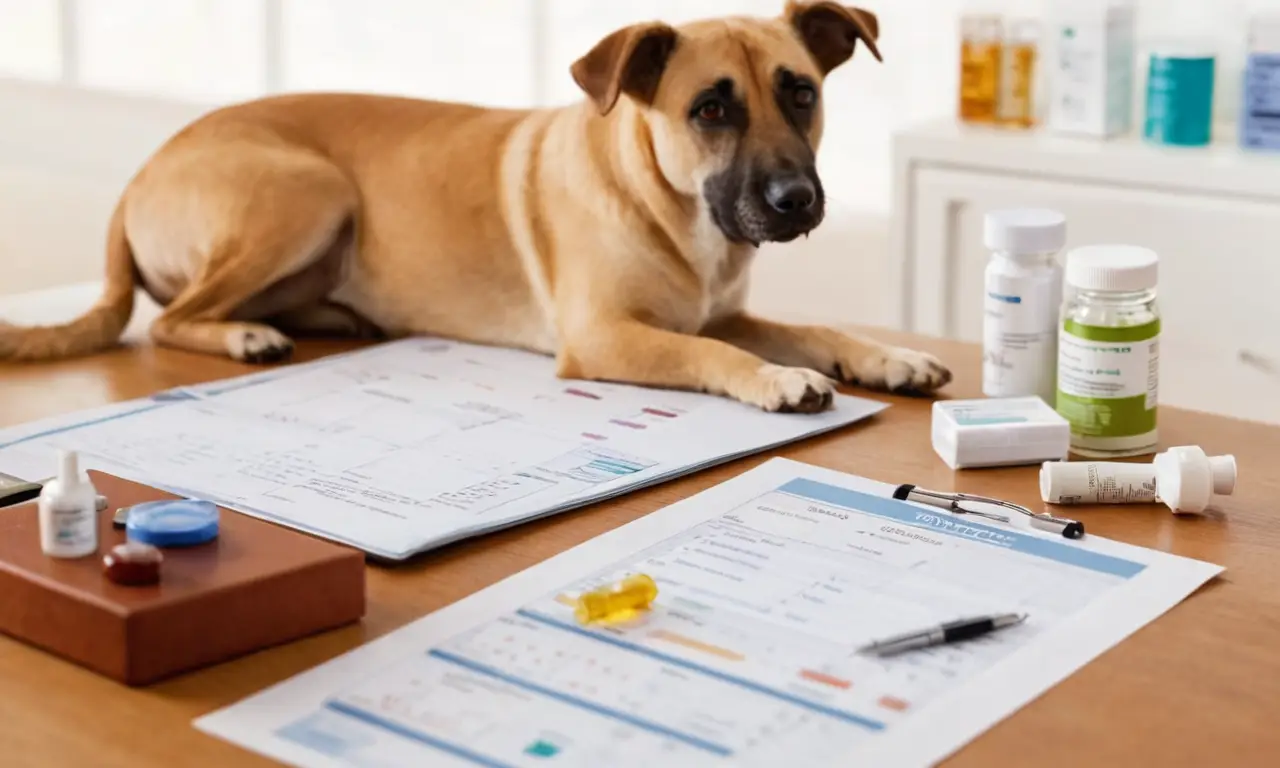
Famotidine for Dogs: Dosage and What It Is For
Famotidine, commonly known by brand names like Pepcid AC, is a medication primarily recognized for its use in humans to reduce stomach acid production. However, its application extends to veterinary medicine, where it can be a valuable tool for managing various gastrointestinal issues in dogs. Understanding Famotidine for dogs - Dosage and what it is for is crucial for pet owners seeking effective and safe treatment options for their canine companions. This article delves into the mechanisms of famotidine, its therapeutic uses in dogs, appropriate dosages, potential side effects, and important considerations for its administration.
𝙲𝚘𝚗𝚝𝚎𝚗𝚝
Understanding Famotidine: A Histamine H2 Blocker
Famotidine belongs to a class of drugs called histamine H2-receptor antagonists. Histamine is a natural chemical produced by the body that plays a role in various physiological processes, including the stimulation of acid secretion in the stomach. The parietal cells in the stomach lining have H2 receptors. When histamine binds to these receptors, it signals the parietal cells to produce hydrochloric acid (HCl), the primary component of stomach acid.
Famotidine works by selectively blocking these H2 receptors. By preventing histamine from binding, famotidine effectively reduces the amount of acid produced by the stomach. This reduction in acidity can alleviate symptoms associated with excess stomach acid, such as heartburn, indigestion, and discomfort. For dogs, this translates to relief from conditions that cause gastrointestinal upset due to excessive acid.
What is Famotidine Used For in Dogs?
The primary utility of famotidine in veterinary medicine stems from its ability to decrease gastric acid secretion. This makes it effective in treating and managing several gastrointestinal conditions in dogs:
1. Gastroesophageal Reflux Disease (GERD) and Esophagitis
GERD occurs when stomach contents, including acid, flow back into the esophagus. This can cause inflammation of the esophageal lining, known as esophagitis, leading to pain, vomiting, and difficulty swallowing. By reducing stomach acid, famotidine helps to minimize the damage to the esophagus caused by reflux, thereby alleviating symptoms and promoting healing.
2. Gastric and Duodenal Ulcers
Ulcers are open sores that can form in the stomach or the upper part of the small intestine (duodenum). These can be caused by various factors, including stress, certain medications (like NSAIDs), and infections. Excessive stomach acid can exacerbate ulcer pain and hinder the healing process. Famotidine's acid-reducing properties are vital in allowing the ulcerated tissues to repair and reducing discomfort.
3. Zollinger-Ellison Syndrome
This is a rare condition characterized by the development of tumors (gastrinomas) that produce excessive amounts of gastrin. Gastrin stimulates the stomach to produce large quantities of acid, leading to severe and recurrent ulcers. Famotidine can be a critical part of the management plan for dogs with Zollinger-Ellison syndrome, helping to control the overwhelming acid production.
Fatty Liver in Dogs: Symptoms, Causes & Treatment Guide4. Easing Upset Stomach and Gastric Irritation
Sometimes, dogs experience general gastric irritation or upset stomachs for less specific reasons, which might be compounded by mild acid excess. Famotidine can provide symptomatic relief by reducing the acidity, making the stomach environment less irritating. This is often used for short-term relief of mild discomfort.
5. Concurrent Therapy with Other Medications
Famotidine may be prescribed alongside other medications, particularly non-steroidal anti-inflammatory drugs (NSAIDs) like carprofen or meloxicam. These drugs can sometimes irritate the stomach lining and increase the risk of ulcers. Famotidine can be given concurrently to protect the stomach and mitigate these potential side effects.
6. Anesthesia and Surgical Procedures
In some veterinary practices, famotidine might be administered to dogs before anesthesia or surgery. The rationale is to reduce the risk of aspiration pneumonia, which can occur if stomach contents are regurgitated and inhaled into the lungs during a procedure. By decreasing the volume and acidity of stomach contents, the potential harm from regurgitation is lessened.
Famotidine for Dogs - Dosage and Administration
Determining the correct dosage of famotidine for a dog is paramount and should always be done in consultation with a veterinarian. Dosages are typically based on the dog's weight and the specific condition being treated.
General Dosage Guidelines
The typical dosage range for famotidine in dogs is generally between 0.5 mg to 1 mg per kilogram of body weight, administered once or twice a day.
- For a 10 kg (22 lb) dog: The dose might range from 5 mg to 10 mg.
- For a 20 kg (44 lb) dog: The dose might range from 10 mg to 20 mg.
- For a 30 kg (66 lb) dog: The dose might range from 15 mg to 30 mg.
It is crucial to note that these are general guidelines. A veterinarian will consider the dog's overall health, the severity of the condition, and the presence of any other medical issues when prescribing the exact dosage.
Available Formulations
Famotidine is available in several forms that can be used for dogs:
Febantel for Cats: Dosage, Uses, Side Effects- Tablets: These are the most common form. Human generic famotidine tablets are often used, typically in strengths of 10 mg or 20 mg.
- Chewable Tablets: Some formulations are designed for easier administration to pets.
- Oral Suspensions: Liquid formulations may be available or can be compounded by a veterinary pharmacy for easier dosing, especially for smaller dogs or those that have difficulty swallowing pills.
How to Administer
- With or Without Food: Famotidine can usually be given with or without food. However, some veterinarians may recommend giving it with a small amount of food to help with absorption or to reduce the chance of stomach upset from the medication itself.
- Consistency is Key: Administer the medication at the same times each day to maintain consistent levels of the drug in the dog's system.
- Complete the Full Course: If prescribed for a specific duration (e.g., for ulcer healing), ensure your dog completes the entire course of medication, even if symptoms improve before then.
Potential Side Effects of Famotidine in Dogs
Famotidine is generally considered safe for dogs when used as prescribed. However, like all medications, it can have potential side effects. Most side effects are mild and uncommon.
- Gastrointestinal Upset: Ironically, some dogs might experience mild nausea, vomiting, or diarrhea as a side effect of famotidine. This is usually temporary.
- Lethargy or Drowsiness: In some cases, dogs may become more tired or drowsy.
- Appetite Changes: A decrease or, less commonly, an increase in appetite can occur.
- Headache: While difficult to directly assess in dogs, behavioral changes suggesting discomfort might be observed.
- Allergic Reactions: Although rare, any medication can cause an allergic reaction, which could manifest as hives, facial swelling, or difficulty breathing. Seek immediate veterinary attention if you suspect an allergic reaction.
It's important to monitor your dog closely after starting famotidine and report any unusual or concerning symptoms to your veterinarian.
Precautions and Important Considerations
Before administering famotidine to your dog, several precautions should be taken:
1. Always Consult Your Veterinarian
Never administer famotidine to your dog without a veterinary diagnosis and prescription. Self-treating can mask more serious conditions and lead to improper treatment. Your vet will determine if famotidine is the appropriate medication for your dog's symptoms and rule out other potential causes.
2. Inform Your Vet About Other Medications and Health Conditions
- Drug Interactions: Famotidine can interact with other medications. It is crucial to inform your veterinarian about all other medications, supplements, or herbal remedies your dog is currently taking. For example, famotidine can affect the absorption of certain drugs that require an acidic environment for absorption.
- Kidney and Liver Function: Dogs with significant kidney or liver disease may require dosage adjustments. Your veterinarian will assess your dog's overall health status.
- Pregnancy and Lactation: The safety of famotidine in pregnant or lactating dogs has not been definitively established. Use with caution and under strict veterinary supervision.
3. Use Human Formulations Cautiously
While generic human famotidine tablets (like Pepcid AC) are often used in veterinary medicine, ensure you are using the pure famotidine product. Many over-the-counter human medications contain multiple active ingredients (e.g., antacids, simethicone). Always use the single-ingredient famotidine product and confirm the strength with your veterinarian. Never give your dog formulations containing other active ingredients unless specifically directed by your vet.
4. Storage
Store famotidine at room temperature, away from moisture and heat. Keep it out of reach of children and pets.
5. When to Seek Veterinary Care Immediately
- If your dog experiences severe vomiting or diarrhea.
- If your dog shows signs of dehydration (e.g., sunken eyes, dry gums, lethargy).
- If your dog shows signs of severe pain or distress.
- If you suspect an allergic reaction.
- If symptoms do not improve after a few days of treatment or worsen.
Alternatives and Complementary Therapies
While famotidine is a valuable medication, it's not always the sole solution. Depending on the underlying cause, your veterinarian might recommend:
Papilleros Feeding Guide: Step-by-Step Care for Chicks- Dietary Changes: For some digestive issues, a change in diet to a more easily digestible food or a hypoallergenic diet can be beneficial.
- Probiotics: These can help restore the balance of beneficial bacteria in the gut, aiding digestion and reducing inflammation.
- Other Acid Reducers: If famotidine isn't effective, your vet might consider other medications like omeprazole (a proton pump inhibitor, which is a stronger acid reducer).
- Surgery: In severe cases of conditions like chronic GDV or certain types of obstructions, surgery might be necessary.
In summary
Famotidine for dogs - Dosage and what it is for highlights its significant role in managing a range of gastrointestinal ailments by effectively reducing stomach acid. From soothing esophagitis and healing ulcers to providing relief for general gastric upset, famotidine can greatly improve a dog's quality of life. However, responsible use is paramount. Always prioritize veterinary consultation for accurate diagnosis, appropriate dosage, and safe administration. By understanding how famotidine works, its indications, and potential side effects, pet owners can partner effectively with their veterinarians to ensure their canine companions receive the best possible care for their digestive health.
Cat Urinary Crystals: Types, Symptoms & Treatment Guide

Cat Weight: How Do I Know If My Cat Is Fat?

Encephalitis in Dogs: Symptoms, Causes & Treatment

Dog Cavities: Causes, Symptoms, and Treatment Options

Natural Flea Relief: Home Remedies for Fleas in Cats

Newborn Puppy Feeding Guide: From Birth to Weaning
Related posts