
Feeding Kangaroos: A Guide to Proper Nutrition
Feeding Kangaroos: A Guide to Proper Nutrition
Feeding kangaroos responsibly is crucial for their health, well-being, and the preservation of their natural populations. While it might seem endearing to offer a snack to these iconic marsupials, understanding their dietary needs is paramount. This article delves into the complexities of feeding kangaroos, exploring what they eat in the wild, the dangers of improper feeding, and guidelines for responsible interactions, emphasizing that direct feeding is generally discouraged in most natural habitats.
𝙲𝚘𝚗𝚝𝚎𝚗𝚝
Understanding the Kangaroo Diet in the Wild
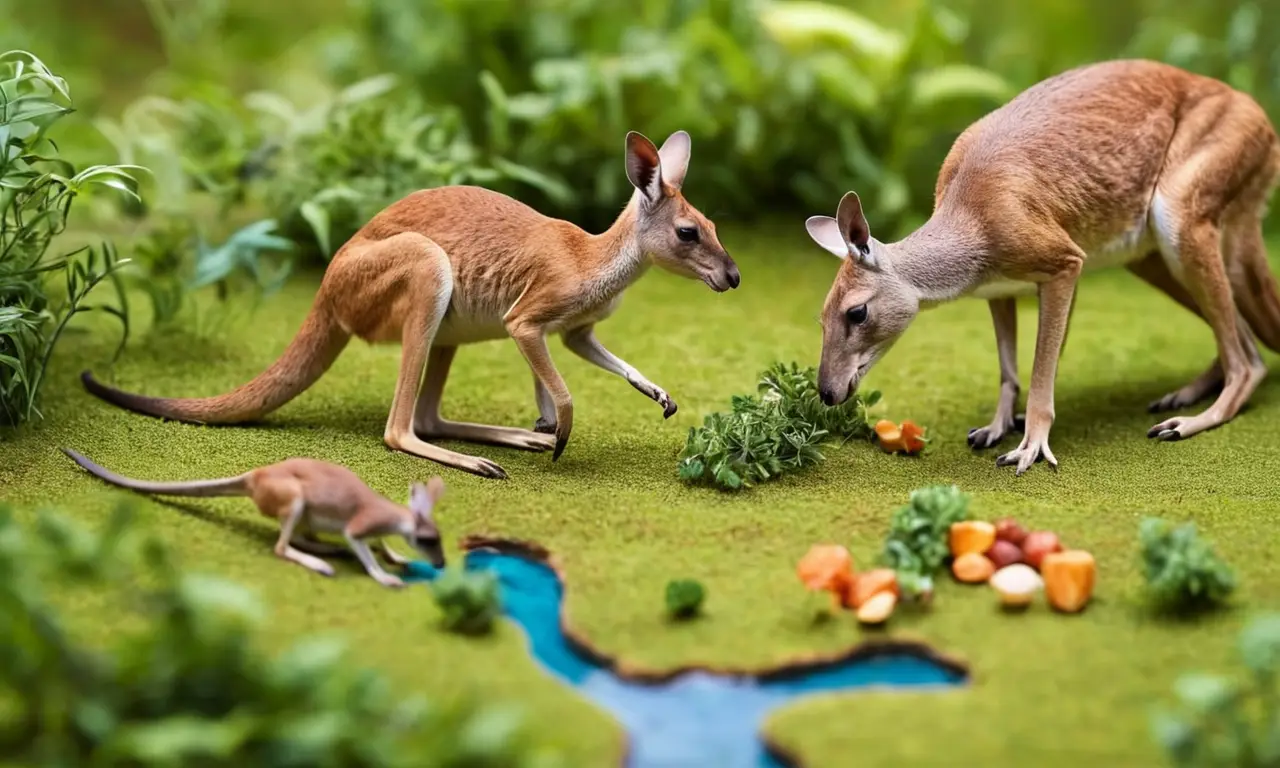
Kangaroos are herbivores, meaning their diet consists solely of plant matter. In their natural Australian environment, their food sources are diverse and depend on the specific species and the region they inhabit. The vast majority of kangaroos are grazers, with their primary food source being grasses. However, their diet can also include:
- Grasses: This is the staple of most kangaroo diets. They are particularly fond of a variety of native grasses, and their digestive system is highly adapted to processing cellulose, a tough component of grass.
- Leaves: While less common than grass, kangaroos will also consume the leaves of various shrubs and trees, especially during drier periods when grasses are scarce.
- Forbs: These are non-grassy herbaceous flowering plants. They can provide essential nutrients and moisture, supplementing the grasses.
- Herbs: Similar to forbs, various wild herbs contribute to a balanced intake of vitamins and minerals.
- Shoots and Buds: Young, tender shoots and buds of plants can be a valuable source of nutrition, particularly in the spring.
- Bark and Roots (occasionally): In times of extreme scarcity, kangaroos might resort to consuming bark and roots, though this is not a typical part of their diet.
The Australian landscape offers a rich variety of these food items, and kangaroos have evolved over millennia to thrive on this natural buffet. Their complex digestive system, featuring a large cecum and foregut fermentation similar to ruminants, allows them to break down tough plant material efficiently.
Newborn Puppy Feeding Guide: From Birth to WeaningThe Dangers of Improper Feeding
Despite the temptation to interact with kangaroos by offering them food, it poses significant risks to both the animals and humans. Understanding these dangers is key to responsible wildlife management and conservation.
Health Risks for Kangaroos
- Digestive Upset: Kangaroos have a highly specialized digestive system. Introducing human food, processed snacks, or even unsuitable vegetation can lead to severe digestive disturbances, including bloating, colic, and potentially fatal gut impaction. Their gut microbiome is finely tuned to break down specific plant fibers, and foreign substances can disrupt this delicate balance.
- Nutritional Imbalance: Human foods are often high in sugar, salt, and processed ingredients that are completely alien to a kangaroo's natural diet. Even seemingly healthy options like carrots or apples can cause problems. For instance, an excess of sugar can lead to dental issues and metabolic disorders. Over time, reliance on hand-fed food can lead to malnutrition as they don't receive the full spectrum of nutrients they need from natural sources.
- Obesity: Just like in humans, feeding kangaroos high-calorie, inappropriate foods can lead to obesity. This puts a strain on their joints, affects their mobility, and increases their susceptibility to diseases. Overweight kangaroos are less agile, making them more vulnerable to predators and less able to forage effectively for natural food.
- Disease Transmission: Feeding can facilitate the transmission of diseases between humans and kangaroos, and between different kangaroo populations. A sick animal could spread illness to healthy ones through shared feeding areas, and humans can contract zoonotic diseases from sick animals.
- Loss of Natural Foraging Skills: When kangaroos become accustomed to being fed by humans, they can lose their natural foraging instincts and abilities. This makes them dependent on human handouts, which is detrimental to their long-term survival and their ability to thrive in the wild. They may stop seeking out natural food sources, impacting their ability to survive during lean periods.
Risks to Humans
- Aggression and Injury: While kangaroos are often perceived as gentle creatures, they can become aggressive, especially when competing for food or feeling threatened. Females with joeys can be particularly protective. Bites and kicks from a kangaroo can cause serious injuries, including deep lacerations, broken bones, and puncture wounds. The perception of them being docile can lead to dangerous underestimation of their strength and defensive capabilities.
- Rabies and Other Diseases: Although rare in Australia, the possibility of disease transmission from wildlife, including kangaroos, to humans exists. Close contact during feeding increases this risk.
- Disruption of Natural Behavior: Human feeding can alter the natural social dynamics and behaviors of kangaroo mobs. They may congregate in unusual areas, leading to increased conflict with humans and domestic animals, and impacting their natural territorial ranges.
Guidelines for Responsible Wildlife Viewing and Feeding Kangaroos
Given the risks associated with direct feeding, the most responsible approach is to admire kangaroos from a safe distance and avoid offering them food. However, in specific, managed environments where feeding is permitted and carefully controlled, there are guidelines to follow.
When Direct Feeding is Discouraged (Most Public Areas)
- Observe from a Distance: The best way to appreciate kangaroos is to watch them in their natural habitat without interfering. Maintain a respectful distance.
- Do Not Feed: This is the golden rule. Resist the urge to offer any food, even if the kangaroos appear to be begging.
- Secure Your Food: If you are picnicking in an area where kangaroos are present, keep your food securely stored and out of reach.
- Educate Others: If you see people feeding kangaroos, politely inform them of the risks and encourage responsible behavior.
- Report Injured or Sick Kangaroos: If you encounter a kangaroo that appears to be injured, sick, or in distress, do not approach it. Contact a local wildlife rescue organization or relevant authority immediately. They have the expertise to handle and treat wildlife safely.
When Feeding Might Be Permitted (Managed Sanctuaries, Zoos, Rehabilitation Centers)
In certain controlled environments, such as wildlife sanctuaries, zoos, or licensed rehabilitation centers, trained professionals may engage in controlled feeding programs. If you are a visitor in such a facility and feeding is permitted, always adhere strictly to the provided instructions:
Water Turtle Feeding Guide: Diet, Health & Tips- Use Only Approved Food: The facility will specify exactly what food items are safe and appropriate for the kangaroos. This is usually a limited selection of specially formulated pellets, certain types of leaves, or specific vegetables.
- Follow Feeding Instructions Precisely: Staff will guide you on how to offer the food, the quantity, and the correct technique. This might involve placing food on the ground or using specific feeding apparatus.
- Do Not Overfeed: Even with approved food, overfeeding can be detrimental. Follow the given portion sizes.
- Observe Kangaroo Behavior: Pay attention to the kangaroos' reactions. If they seem stressed, agitated, or uninterested, do not force interaction.
- Maintain Hygiene: Wash your hands thoroughly before and after any interaction that involves feeding, as advised by the facility.
What is NOT Appropriate Food for Kangaroos
It is critical to reiterate what should never be offered to kangaroos:
- Bread and Baked Goods: These are highly detrimental. They are low in nutritional value, high in carbohydrates and sugars, and can cause serious digestive issues, including a painful condition called "lumpy jaw" (a bacterial infection that causes swelling in the jaw).
- Carrots, Apples, and Other Sugary Fruits/Vegetables: While seemingly healthy to humans, the high sugar content can lead to digestive problems, metabolic disorders, and dental decay in kangaroos.
- Chips, Crackers, and Processed Snacks: These are laden with salt, sugar, and artificial ingredients that are toxic to kangaroos.
- Meat or Dairy Products: Kangaroos are strict herbivores. These products are completely indigestible and harmful.
- Lettuce and other watery greens: While green, they lack the necessary fiber and can cause diarrhea.
The Role of Conservation and Habitat Preservation
Ultimately, the best way to ensure the health and survival of kangaroos is through conservation efforts that focus on protecting their natural habitats and ensuring they have access to their natural food sources.
- Habitat Protection: Preserving large, connected areas of natural bushland is vital. This provides kangaroos with the diverse range of grasses, forbs, and shrubs they need to thrive.
- Minimizing Human Impact: Reducing habitat fragmentation, controlling invasive species that compete for food resources, and managing bushfires are all crucial conservation strategies.
- Education and Awareness: Raising public awareness about the importance of not feeding wildlife and the ecological role of kangaroos is essential for long-term success.
In summary
While the idea of feeding kangaroos might stem from a place of kindness, it is imperative to understand that this action can have severe negative consequences for their health, well-being, and survival. Kangaroos are wild animals with complex dietary needs perfectly adapted to their natural environment. Responsible interaction means observing them from a distance, respecting their space, and never offering them food. In managed environments, follow all guidelines strictly. By prioritizing their natural diet and habitat, we contribute to the continued existence of these magnificent marsupials for generations to come. The most profound way to care for kangaroos is to let them be kangaroos, foraging and living as nature intended.
Nurturing Premature Puppies: A Guide to Feeding
Cat Urinary Crystals: Types, Symptoms & Treatment Guide

Cat Weight: How Do I Know If My Cat Is Fat?

Encephalitis in Dogs: Symptoms, Causes & Treatment

Dog Cavities: Causes, Symptoms, and Treatment Options

Natural Flea Relief: Home Remedies for Fleas in Cats

Newborn Puppy Feeding Guide: From Birth to Weaning
Related posts