

Feeding the Czechoslovakian Wolfdog: A Comprehensive Guide
Feeding the Czechoslovakian Wolfdog: A Comprehensive Guide
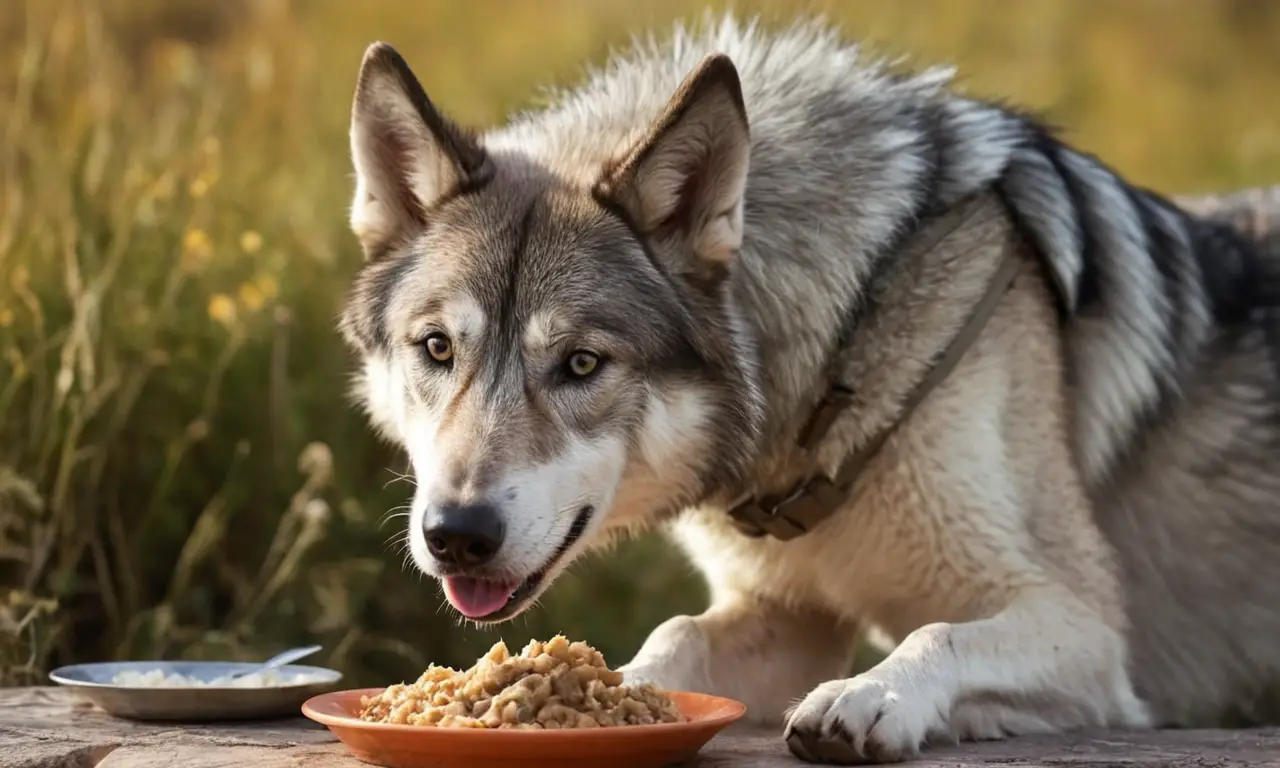
The Czechoslovakian Wolfdog, a striking breed born from a wolf and dog cross, possesses unique dietary needs that reflect its wild heritage. Understanding how to properly nourish these intelligent and energetic animals is paramount to their health, well-being, and longevity. This comprehensive guide delves into the intricacies of Feeding the Czechoslovakian Wolfdog, covering everything from fundamental nutritional requirements to specific considerations for different life stages and health conditions. By grasping the nuances of their diet, owners can ensure their wolfdog thrives, channeling its inherent vigor and sharp intellect into a balanced and fulfilling life.
𝙲𝚘𝚗𝚝𝚎𝚗𝚝
Understanding the Czechoslovakian Wolfdog's Ancestry and Diet
The Czechoslovakian Wolfdog's lineage traces back to a German Shepherd and Carpathian wolf cross, a deliberate experiment in the 1950s aimed at creating a dog with the temperament of a German Shepherd and the stamina, strength, and keen senses of a wolf. This hybrid nature directly influences their dietary requirements. While domesticated dogs have adapted to a wider range of foods, the Czechoslovakian Wolfdog retains a predisposition towards a diet that mirrors what their wolf ancestors would consume in the wild. This typically means a diet rich in protein and fat, with a moderate carbohydrate intake. Their digestive systems are more efficient at processing animal-based nutrients than those of many other dog breeds.
The Importance of High-Quality Protein
Protein is the cornerstone of any dog's diet, but for the Czechoslovakian Wolfdog, its quality and source are particularly critical. Protein provides the building blocks for muscles, tissues, and enzymes, and it plays a vital role in their energy levels and overall health.
- Animal-Based Protein Sources: Prioritize diets that list a named animal protein as the first ingredient. This could include chicken, lamb, beef, fish, or venison. These sources are more bioavailable and contain the essential amino acids that wolves and thus, Czechoslovakian Wolfdogs, are biologically programmed to utilize efficiently.
- Digestibility: Look for protein sources that are highly digestible. This ensures that your wolfdog's body can effectively absorb and utilize the nutrients, minimizing waste and potential digestive upset.
- Amino Acid Profile: A balanced amino acid profile is crucial. The combination of different protein sources can help ensure all essential amino acids are present.
Essential Fats for Energy and Health
Fats are another vital component of the Czechoslovakian Wolfdog's diet, providing a concentrated source of energy and supporting numerous bodily functions.
- Omega Fatty Acids: Essential fatty acids, particularly Omega-3 and Omega-6, are crucial for skin and coat health, reducing inflammation, and supporting cognitive function. Sources include fish oil, flaxseed, and various animal fats.
- Energy Density: Fats are more calorie-dense than carbohydrates, making them an excellent energy source for highly active breeds like the Czechoslovakian Wolfdog. This is particularly important during periods of intense activity or growth.
- Absorption of Vitamins: Fats are necessary for the absorption of fat-soluble vitamins (A, D, E, and K).
Carbohydrates: A Moderate Approach
While not as critical as protein and fats, carbohydrates still play a role in a balanced diet, providing fiber for digestive health and some energy.
- Complex Carbohydrates: Opt for complex carbohydrates over simple sugars. Sources like sweet potatoes, brown rice, and oats are generally preferred. These are digested more slowly, providing sustained energy release.
- Limited Use: Due to their ancestral diet, some Czechoslovakian Wolfdogs may not tolerate high levels of carbohydrates as well as other breeds. Monitoring your dog's response is key.
- Digestive Health: Fiber from digestible carbohydrate sources aids in promoting healthy gut bacteria and regular bowel movements.
Life Stage Considerations for Feeding the Czechoslovakian Wolfdog
The nutritional needs of a Czechoslovakian Wolfdog change significantly throughout its life, from puppyhood to seniority.
Puppyhood (Up to 18-24 Months)
Puppies require a diet that supports rapid growth, bone development, and immune system maturation.
Feeding the Lion: Mastering Big Cat Nutrition & Care- High-Calorie, Nutrient-Dense Food: Choose a high-quality puppy food specifically formulated for large breeds. This will have the appropriate calcium and phosphorus ratio to support healthy bone and joint development and prevent developmental orthopedic diseases.
- Frequent Feedings: Puppies have small stomachs and high energy needs, so they should be fed multiple times a day. Typically, this involves 3-4 meals per day for young puppies, gradually reducing to 2 meals per day as they approach adulthood.
- Monitoring Growth: It's crucial to monitor your puppy's growth to ensure they are not growing too quickly, which can put undue stress on their developing joints. Consult your veterinarian if you have concerns.
- Transitioning to Adult Food: A gradual transition to adult food should begin around 18-24 months of age, depending on the individual dog's development.
Adulthood (2-7 Years)
Adult Czechoslovakian Wolfdogs require a balanced diet to maintain their energy levels, muscle mass, and overall health.
- High-Quality Adult Food: Select an adult maintenance food that meets the standards for high-quality protein and fat. The specific formula should align with their activity level.
- Portion Control: Avoid overfeeding, which can lead to obesity and related health issues. Follow the feeding guidelines on the food packaging as a starting point, but adjust based on your dog's individual metabolism and activity level.
- Feeding Schedule: Two meals a day is generally recommended for adult dogs to help manage digestion and prevent bloat, a condition that can affect deep-chested breeds.
- Activity Level: Adjust food intake based on their daily exercise. A highly active wolfdog will require more calories than a sedentary one.
Senior Years (7+ Years)
As Czechoslovakian Wolfdogs age, their metabolism slows down, and their nutritional needs evolve.
- Lower Calorie, Higher Digestibility: Senior formulas often have reduced calories to prevent weight gain and increased levels of easily digestible ingredients.
- Joint Support: Look for foods that contain joint-supporting nutrients like glucosamine and chondroitin sulfate, which can help manage arthritis and maintain mobility.
- Omega-3 Fatty Acids: Increased Omega-3s can help reduce inflammation and support cognitive function in older dogs.
- Hydration: Ensure access to fresh water at all times, as older dogs can be more prone to dehydration.
Dietary Approaches for Feeding the Czechoslovakian Wolfdog
There are several popular dietary approaches for Feeding the Czechoslovakian Wolfdog, each with its own set of benefits and considerations.
Kibble (Dry Food)
Kibble is a convenient and widely available option for many dog owners.
- Pros: Long shelf life, easy to store and serve, can aid in dental hygiene by scraping plaque.
- Cons: Can be highly processed, quality varies significantly between brands, may contain fillers or artificial ingredients.
- Choosing Kibble: When selecting kibble, prioritize brands with high-quality, named animal protein as the first ingredient, minimal grains, and no artificial colors, flavors, or preservatives. Look for formulas specifically designed for large breeds.
Wet Food (Canned Food)
Wet food offers a higher moisture content and is often more palatable.
- Pros: Higher moisture content can aid in hydration, generally more palatable, can be useful for dogs with dental issues.
- Cons: Shorter shelf life once opened, can be more expensive, less beneficial for dental health compared to kibble.
- Choosing Wet Food: Opt for high-quality wet foods with a high percentage of meat and fewer fillers. It can be used as a complete meal or as a topper for kibble.
Raw Diet (BARF - Biologically Appropriate Raw Food)
A raw diet aims to mimic the ancestral diet of wolves and dogs.
- Pros: Can lead to improved coat quality, increased energy levels, and better digestion for some dogs.
- Cons: Requires careful planning to ensure nutritional completeness, risk of bacterial contamination, can be more expensive and time-consuming.
- Key Components: Typically includes raw muscle meat, organ meats, bones, and sometimes small amounts of fruits and vegetables.
- Important Considerations: If considering a raw diet, consult with a veterinary nutritionist to ensure it is balanced and safe. Proper handling and storage are crucial to prevent foodborne illnesses for both the dog and the humans in the household.
Homemade Diet
Preparing your dog's food at home allows for complete control over ingredients.
FirstMate Dog Food: Unveiling Its Composition & Benefits- Pros: Complete control over ingredients, can be tailored to specific dietary needs or allergies.
- Cons: Requires significant knowledge of canine nutrition to ensure a balanced diet, can be time-consuming and expensive.
- Professional Guidance: It is highly recommended to work with a veterinary nutritionist when formulating a homemade diet to avoid nutritional deficiencies or excesses.
Common Nutritional Challenges and Solutions
Despite best efforts, some Czechoslovakian Wolfdogs may encounter dietary challenges.
Food Allergies and Sensitivities
Like any breed, Czechoslovakian Wolfdogs can develop allergies or sensitivities to certain ingredients.
- Symptoms: Common signs include itching, skin irritations, digestive upset (vomiting, diarrhea), and ear infections.
- Identification: An elimination diet, guided by a veterinarian, is the best way to identify the offending ingredient.
- Solutions: Once identified, switch to a hypoallergenic or novel protein diet.
Digestive Upset
Certain ingredients or feeding practices can lead to digestive issues.
- Causes: Rapid eating, changes in diet, poor quality food, or sensitivities.
- Solutions: Slow feeders, smaller and more frequent meals, transition to a more digestible food, or a diet with added probiotics.
Weight Management
Maintaining a healthy weight is crucial for preventing a host of health problems.
- Overweight: Reduce calorie intake, increase exercise, and avoid excessive treats.
- Underweight: Increase calorie intake with high-quality, nutrient-dense food, and consult with your vet to rule out underlying medical conditions.
Supplements and Treats
While a high-quality diet should provide most necessary nutrients, some supplements and treats can be beneficial.
Supplements
- Probiotics: Can aid in digestive health and immune function.
- Omega-3 Fatty Acids: Especially beneficial for skin, coat, and joint health.
- Glucosamine and Chondroitin: For joint support, particularly in older dogs.
Always consult with your veterinarian before introducing any new supplements to your dog's diet.
Treats
- Moderation is Key: Treats should not exceed 10% of your dog's daily caloric intake.
- Healthy Options: Opt for high-value, low-calorie treats, freeze-dried meat, or small pieces of cooked lean meat.
- Avoid Harmful Ingredients: Steer clear of treats containing artificial colors, flavors, and excessive sugar.
The Importance of Water
Access to fresh, clean water is non-negotiable. Ensure your Czechoslovakian Wolfdog always has a readily available water source. Dehydration can lead to serious health issues.
Baby Iguana Diet: Essential Foods & Nutrition GuideIn summary
Feeding the Czechoslovakian Wolfdog requires a thoughtful and informed approach. By understanding their unique ancestral needs, considering their life stage, and choosing the right dietary strategy, owners can provide their intelligent and spirited companions with the nutrition they need to lead healthy, happy, and long lives. Regular consultation with a veterinarian or a veterinary nutritionist is always recommended to ensure optimal dietary choices for your individual Czechoslovakian Wolfdog.
Festive Feasts: Top Christmas Recipes for Dogs

Dog Kidney Failure Diet: Homemade Solutions & Care Tips

Choosing the Best Dog Food: A Comprehensive Guide

Cat Hepatitis Diet: Essential Foods for Your Feline Friend

Understanding the Composition of Cat Food for Health
Obese Dog Diet: Vet-Approved Weight Loss Strategies
Related posts