
Optimal Ferret Feeding: A Complete Guide for Healthy Pets
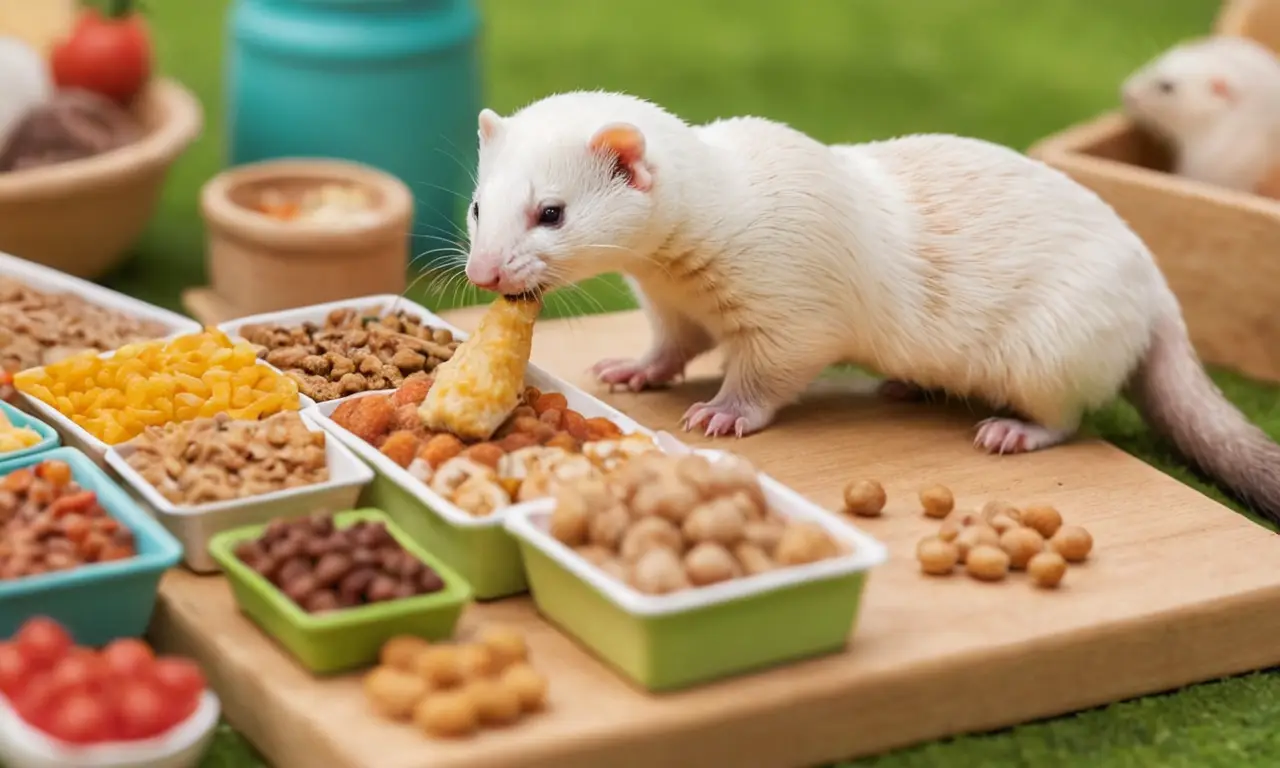
Optimal Ferret Feeding: A Complete Guide for Healthy Pets
Providing your ferret with the right nutrition is paramount to their overall health, vitality, and longevity. Ferrets are obligate carnivores, meaning their digestive systems are specifically adapted to process and thrive on a diet rich in animal protein and fat. Understanding their unique dietary needs is crucial for any ferret owner, and this comprehensive guide will delve into the intricacies of Ferret feeding, ensuring your furry companion receives the best possible care. From the ideal macronutrient balance to common feeding mistakes to avoid, we'll cover all aspects to empower you in making informed decisions for your ferret's well-being.
𝙲𝚘𝚗𝚝𝚎𝚗𝚝
- Understanding the Ferret's Digestive System: Obligate Carnivores Explained
- The Pillars of a Ferret Diet: Protein, Fat, and Essential Nutrients
- Feeding Schedules and Portions: How Much and How Often?
- Treats and Supplements: What's Safe and What's Not?
- Common Ferret Feeding Mistakes and How to Avoid Them
- Transitioning Your Ferret to a New Diet
- Age-Specific Ferret Feeding Needs
- The Importance of Hydration
- In summary: Prioritizing Ferret Nutrition for a Happy, Healthy Life
Understanding the Ferret's Digestive System: Obligate Carnivores Explained
The term "obligate carnivore" is key to understanding Ferret feeding. Unlike omnivores or herbivores, ferrets possess a short digestive tract designed for efficient processing of animal-based nutrients. Their bodies are not equipped to break down and extract significant energy from plant matter, such as fruits, vegetables, or grains. This means that a diet high in carbohydrates and fiber, commonly found in many commercial pet foods for other animals, can be detrimental to a ferret's health, leading to digestive issues and nutrient deficiencies.
Key characteristics of a ferret's digestive system include:
- Short Intestinal Tract: This allows food to pass through quickly, maximizing the absorption of nutrients from animal protein and fat.
- High Protein and Fat Requirements: Their bodies are geared towards metabolizing these macronutrients for energy.
- Limited Carbohydrate Tolerance: Ferrets have a low tolerance for complex carbohydrates and cannot effectively digest them.
- Inability to Synthesize Certain Nutrients: They rely on obtaining specific vitamins and minerals directly from their animal-based diet.
This evolutionary adaptation dictates that the foundation of any successful Ferret feeding plan must be animal protein.
The Pillars of a Ferret Diet: Protein, Fat, and Essential Nutrients
When considering Ferret feeding, the macronutrient breakdown is critical. A high-quality ferret diet should consist of:
- High Animal Protein (30-50%): The primary source of protein should be animal-based. This includes muscle meat, organs, and bone. Look for diets where the first few ingredients are identifiable animal proteins like chicken, turkey, lamb, or beef. Avoid diets with plant-based proteins like corn gluten meal or pea protein as the primary protein source.
- High Fat (18-30%): Fat is an essential energy source for ferrets. Animal fats provide vital fatty acids that are crucial for skin and coat health, as well as overall bodily functions. The fat content should be derived from animal sources, not plant oils.
- Low Carbohydrates (Less than 20%): As mentioned, ferrets cannot efficiently digest carbohydrates. High carbohydrate levels can lead to obesity, diabetes, and other health problems.
- Essential Vitamins and Minerals: While protein and fat are the primary energy sources, a balanced diet must also provide all necessary vitamins and minerals in appropriate amounts. These are typically present in good quality commercial ferret foods or can be supplemented through a carefully curated raw diet.
High-Quality Commercial Ferret Foods
For many owners, commercial ferret kibble is the most accessible and convenient option for Ferret feeding. However, not all kibbles are created equal. When choosing a commercial food, scrutinize the ingredient list and the guaranteed analysis.
What to look for in a good commercial ferret food:
- First ingredients are animal-based proteins: Look for chicken, turkey, lamb, or beef as the primary ingredients.
- High protein content: Aim for a guaranteed analysis of at least 30-40% protein.
- High fat content: Look for a guaranteed analysis of 18-30% fat.
- Low fiber content: Ideally, fiber should be less than 3%.
- No artificial colors, flavors, or preservatives: These offer no nutritional value and can be harmful.
- Avoid grains and corn as primary ingredients: While small amounts of certain grains might be acceptable in some formulations, they should not be the primary source of carbohydrates.
- Species-specific formulation: Ensure the food is specifically designed for ferrets, not cats or dogs, as their nutritional needs differ significantly.
Brands to consider (research current formulations as ingredients can change):
- Orijen (often recommended for its high meat content, though some formulations may be too high in protein for some ferrets; consult with a vet)
- Wysong Feline Dietary supplement (often used as a supplement or part of a rotation due to its high nutrient density, but should not be the sole food)
- Several reputable ferret-specific brands that prioritize high animal protein and fat.
It's highly recommended to rotate between 2-3 high-quality kibbles to ensure a wider range of nutrients and to prevent your ferret from becoming overly picky, which can be a significant problem if one food becomes unavailable.
Lost Dog: Your Guide to Finding a Lost Dog QuicklyThe Raw Diet Debate: Pros and Cons of Ferret Feeding with Raw Meats
The raw food diet for ferrets, often referred to as the "BARF" (Biologically Appropriate Raw Food) diet, is a popular alternative for many owners. This approach aims to mimic the natural diet of ferrets in the wild.
Components of a raw ferret diet typically include:
- Whole Prey: This can include commercially available whole mice or chicks.
- Muscle Meat: Raw, boneless cuts of meat like chicken, turkey, lamb, or beef.
- Organ Meats: Heart, liver, and gizzards are crucial for providing essential vitamins and minerals.
- Bone-in Meat: This provides calcium and phosphorus in the correct ratio.
- Small amounts of certain fish: (e.g., sardines, but should be limited due to thiaminase content).
Pros of a raw diet:
- Mimics Natural Diet: Closely aligns with a ferret's biological needs.
- Improved Digestion: Can lead to smaller, firmer stools.
- Shinier Coat and Healthier Skin: The natural fats and nutrients contribute to a lustrous coat.
- Dental Health: Chewing on raw bones can help keep teeth clean.
- Reduced Odor: Some owners report less "ferret smell" with a raw diet.
Cons of a raw diet:
- Risk of Bacterial Contamination: Handling raw meat requires strict hygiene to prevent salmonella and other pathogens, which can affect both the ferret and the humans in the household.
- Nutritional Imbalance: It can be challenging to formulate a perfectly balanced raw diet without expert knowledge, potentially leading to deficiencies or excesses.
- Time and Effort: Preparing and storing raw food can be time-consuming.
- Cost: Depending on the source, raw food can be more expensive than kibble.
- Availability: Sourcing appropriate raw ingredients can be difficult in some areas.
If you choose to feed a raw diet, it is imperative to:
- Consult with a veterinarian or a ferret nutritionist to ensure a balanced diet.
- Practice impeccable hygiene when handling and storing raw meat.
- Start slowly and transition gradually to avoid digestive upset.
- Be aware of potential risks and take necessary precautions.
Feeding Schedules and Portions: How Much and How Often?
Ferrets have a fast metabolism and short digestive tracts, which means they eat frequently and digest food quickly. This influences their feeding schedule and the amount they should consume.
Key considerations for Ferret feeding schedules:
- Free-Feeding: Many owners choose to free-feed their ferrets, meaning they leave a bowl of food out at all times. This allows the ferret to eat as much as they need, when they need it. This is often the most practical approach, especially when using kibble.
- Portion Control for Raw Diets: If feeding a raw diet, portioning is more deliberate, and feeding may be done a few times a day to manage freshness and prevent spoilage.
- Quantity: The amount a ferret eats will vary based on their age, activity level, metabolism, and the type of food. A general guideline is that a ferret will eat about 5-10% of their body weight in food per day. However, it's best to monitor your ferret's body condition rather than strictly adhering to a measured amount.
- Monitoring Body Condition: You should be able to feel your ferret's ribs without seeing them. If they are too thin, increase their food intake. If they are overweight, reduce their intake or consult your vet.
- Water Access: Always ensure fresh, clean water is available at all times, regardless of the food type. Water bottles are common, but many ferrets also appreciate a heavy ceramic bowl to prevent tipping.
Treats and Supplements: What's Safe and What's Not?
While a high-quality diet should provide all the necessary nutrients, occasional treats can be a part of Ferret feeding and a great way to bond with your pet. However, it's crucial to choose treats wisely.
Safe and recommended treats:
Unidentified Dogs: Fines Up to €5,000 for Owners- Small pieces of cooked or raw meat: Unseasoned chicken, turkey, or lamb.
- Freeze-dried meat treats: Many brands offer ferret-specific freeze-dried meat snacks.
- Small amounts of cooked egg: A healthy protein source.
- Specialty ferret treats: Look for treats with high animal protein and low sugar/carbohydrate content.
Treats to avoid or give only in extreme moderation:
- Fruits and vegetables: Ferrets cannot digest these effectively and they are too high in sugar and fiber. This includes grapes, raisins, carrots, broccoli, etc.
- Dairy products: Ferrets are often lactose intolerant and can suffer from digestive upset.
- Sweets and sugary foods: Highly detrimental to their health and can lead to diabetes.
- Chocolate: Toxic to ferrets.
- Nuts and seeds: Difficult to digest and can pose a choking hazard.
- Processed human foods: These are generally not suitable for ferrets.
Supplements:
In most cases, a high-quality commercial ferret food or a well-balanced raw diet will provide all the necessary vitamins and minerals. However, in specific situations, a veterinarian may recommend supplements. Never give supplements without consulting your veterinarian. Over-supplementation can be just as harmful as deficiencies.
Common Ferret Feeding Mistakes and How to Avoid Them
Despite the best intentions, many owners inadvertently make mistakes when it comes to Ferret feeding. Being aware of these common pitfalls can help you provide the best nutrition for your ferret.
Common Mistakes:
- Feeding Cat or Dog Food: While some cat foods might have a higher protein content, they are not formulated for the specific nutritional needs of ferrets. Dog food is typically too low in protein and fat and too high in carbohydrates.
- Including Too Much Plant Matter: Feeding fruits, vegetables, or grains is a common mistake. These ingredients are poorly digested by ferrets and can lead to health problems.
- Low-Quality Kibble: Choosing a kibble with poor ingredients (e.g., corn as the first ingredient, excessive fillers) will not provide adequate nutrition, even if it's marketed for ferrets.
- Inconsistent Diet/Not Rotating Kibble: Ferrets can become finicky eaters. Not rotating kibble can lead to refusal if a preferred brand becomes unavailable.
- Overfeeding Treats: Excessive treats can lead to obesity and disrupt the balance of their primary diet.
- Ignoring Body Condition: Relying solely on a fixed amount of food without monitoring your ferret's weight and body condition can lead to malnutrition or obesity.
- Lack of Fresh Water: Dehydration is a serious risk. Always ensure constant access to clean water.
- Unsanitary Handling of Raw Food: This poses a significant risk to both the ferret and the humans in the household.
How to Avoid These Mistakes:
- Educate Yourself: Thoroughly research ferret nutrition.
- Read Ingredient Labels: Become an expert at deciphering ingredient lists and guaranteed analyses.
- Consult Your Veterinarian: Your vet is your best resource for personalized advice.
- Observe Your Ferret: Pay attention to their energy levels, coat condition, stool consistency, and body weight.
- Practice Good Hygiene: Especially if feeding raw.
- Be Patient and Consistent: Transitioning diets should be done gradually.
Transitioning Your Ferret to a New Diet
Changing a ferret's diet can be a delicate process, as they can be resistant to new foods, especially if they have been eating the same thing for a long time. A gradual transition is key to preventing digestive upset and ensuring acceptance.
Steps for a smooth diet transition:
- Start Gradually: Mix a small amount of the new food with their current food. Begin with a 10% new food to 90% old food ratio.
- Increase Gradually: Over several days to a week, slowly increase the proportion of the new food while decreasing the old food.
- Monitor for Upset: Watch for any signs of digestive distress, such as vomiting, diarrhea, or loss of appetite. If these occur, slow down the transition or revert to the previous ratio.
- Introduce new kibble gradually with existing kibble: If rotating kibble, you can simply start offering the new kibble alongside the old, allowing them to choose. Over time, they will naturally incorporate it.
- Patience is Key: Some ferrets may take longer than others to accept a new food. Don't give up too quickly, but also be mindful of their health. If your ferret is not eating at all after several days of transition, consult your veterinarian.
Age-Specific Ferret Feeding Needs
The nutritional requirements of ferrets can change throughout their lifespan.
Fipronil for Cats: Uses, Dosage & Side Effects Explained- Kits (Young Ferrets): Kits have high energy demands for growth and development. They benefit from highly digestible, nutrient-dense foods. Many high-quality kitten foods with appropriate protein and fat levels can be used as part of their diet or as a transition food before switching to a specialized ferret diet, but a dedicated ferret food is always ideal.
- Adult Ferrets: Adult ferrets require a balanced diet to maintain their health and energy levels. The high protein and fat content is crucial during this stage.
- Senior Ferrets: As ferrets age, their metabolism may slow down, and they may develop health issues. While they still require a high-protein diet, they might benefit from a slightly easier-to-digest food or supplements recommended by a vet. Monitor their weight and adjust food intake as needed.
The Importance of Hydration
Water is essential for all life, and ferrets are no exception. Ensuring your ferret has constant access to fresh, clean water is a critical component of Ferret feeding.
- Water Bottles: These are commonly used and hygienic. Check them daily to ensure they are not clogged and that the water is fresh.
- Ceramic Bowls: Some ferrets prefer to drink from a bowl, and a heavy ceramic bowl is less likely to be tipped over. Ensure the water is changed daily.
- Monitoring Intake: Observe your ferret's drinking habits. A sudden increase or decrease in water intake can be a sign of a health issue.
In summary: Prioritizing Ferret Nutrition for a Happy, Healthy Life
Proper Ferret feeding is not a one-size-fits-all approach, but a commitment to understanding your ferret's unique biological needs. By prioritizing high-quality, animal-based protein and fat, avoiding inappropriate ingredients, and making informed choices about their diet, you are investing in their long-term health and happiness. Regular monitoring, a watchful eye for any changes in behavior or physical condition, and open communication with your veterinarian will ensure your ferret thrives. Remember, a well-nourished ferret is a vibrant, playful, and beloved companion for years to come.
Cat Urinary Crystals: Types, Symptoms & Treatment Guide

Cat Weight: How Do I Know If My Cat Is Fat?

Encephalitis in Dogs: Symptoms, Causes & Treatment

Dog Cavities: Causes, Symptoms, and Treatment Options
Natural Flea Relief: Home Remedies for Fleas in Cats

Newborn Puppy Feeding Guide: From Birth to Weaning
Related posts