

Lost Dog: Your Guide to Finding a Lost Dog Quickly
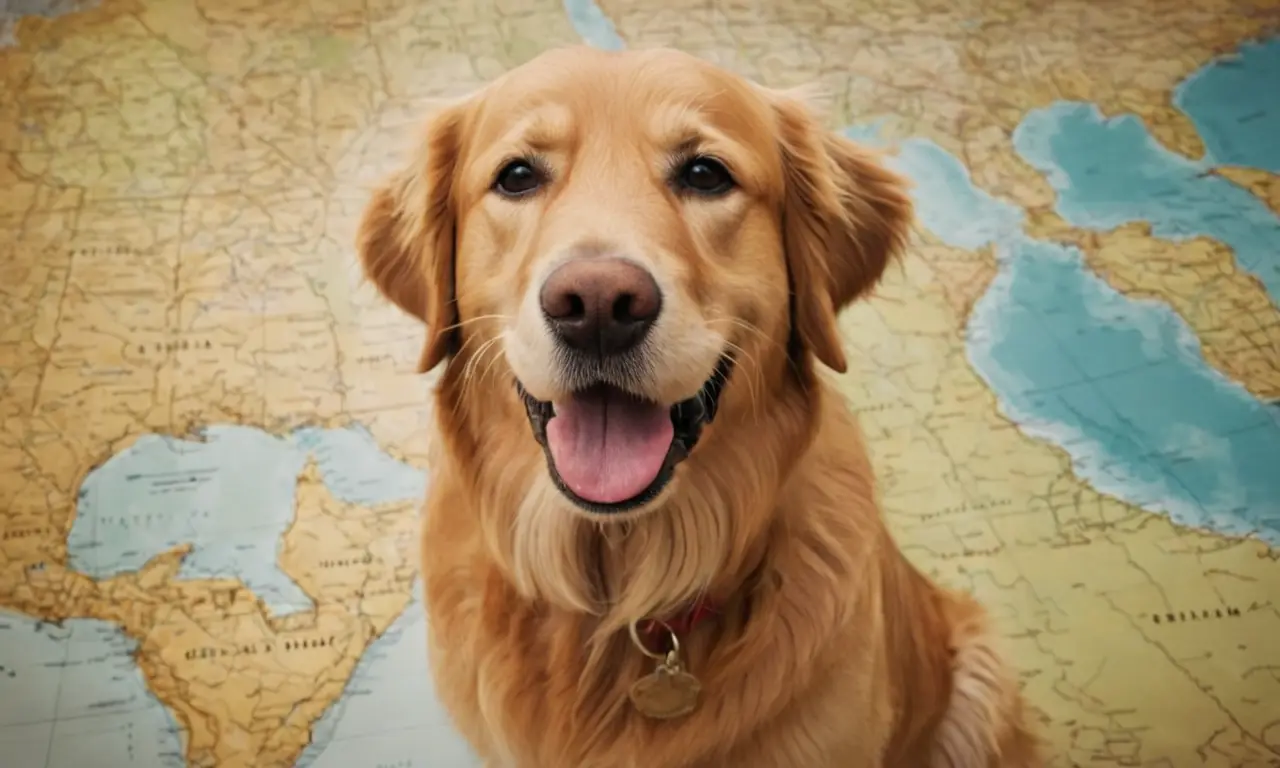
Finding a Lost Dog: What to Do If a Dog Is Lost?
Losing a beloved pet is a deeply distressing experience for any owner. The fear, anxiety, and helplessness that wash over you when your dog goes missing can be overwhelming. However, in these critical moments, panic is your enemy. A calm, systematic, and proactive approach significantly increases your chances of a successful reunion. This comprehensive guide will walk you through the essential steps to take when your dog is lost, providing actionable advice and strategies to maximize your efforts in Finding a lost dog: What to do if a dog is lost?
The first few hours are crucial. The sooner you can act, the better. Your immediate response will dictate the direction and intensity of your search. Remember, your dog is likely scared, disoriented, and trying to find their way back. By understanding their potential behavior and employing smart tactics, you can turn a desperate situation into a happy reunion.
𝙲𝚘𝚗𝚝𝚎𝚗𝚝
Immediate Actions: The First Crucial Steps
The moment you realize your dog is missing, it's vital to act quickly and decisively. Don't waste precious time hoping they'll just reappear.
1. Secure Your Property and Alert Your Household
- Check thoroughly: Before assuming they've gone far, do a comprehensive search of your home, yard, and any outbuildings. Dogs can sometimes get accidentally locked in sheds, garages, or even closets.
- Inform everyone: Make sure every member of your household knows the dog is missing and what to do. Designate specific roles if possible (e.g., one person to call shelters, another to print flyers).
- Secure exits: If you have a yard, check gates and doors to ensure they are properly closed. You don't want another pet to escape while you're searching for the first.
2. Search Your Immediate Surroundings
- Call their name: Go out and call your dog's name in a calm, reassuring voice. Avoid shouting in panic, as this can frighten them further.
- Bring familiar items: Carry their favorite squeaky toy or a bag of their favorite treats. The sound or smell might attract them.
- Check usual spots: Think about places your dog enjoys going on walks or where they might be attracted to. This could include parks, wooded areas, or even a neighbor's yard.
- Enlist help: If you have neighbors nearby, ask them to help you search their properties and immediate vicinity.
3. Contact Local Authorities and Organizations Immediately
Time is of the essence when it comes to contacting official bodies that handle lost and found pets.
Unidentified Dogs: Fines Up to €5,000 for Owners- Animal Shelters and Rescues:
- Call every local animal shelter, humane society, and animal control facility within a significant radius of your home. Provide a detailed description of your dog and your contact information.
- Visit these shelters in person daily or every other day. Descriptions can sometimes be misinterpreted, and seeing the animals yourself is the most reliable way to identify your dog.
- Veterinarian Offices:
- Notify all local vet clinics. Sometimes, injured stray animals are brought directly to vets. Provide them with a flyer and your contact details.
- Police Department:
- Inform your local police department. While they may not actively search, they often receive calls about found animals or suspicious activity.
- Microchip Company:
- If your dog is microchipped (which they absolutely should be!), contact the microchip registry company. Ensure your contact information is up-to-date. They can then flag your dog as missing.
Expanding Your Search: Strategies for Wider Reach
Once you've covered your immediate area and contacted the primary organizations, it's time to broaden your efforts. The more eyes looking for your dog, the better.
1. Create and Distribute "Lost Dog" Flyers
A well-designed flyer is one of the most effective tools for finding a lost dog.
- Essential Information:
- Large, clear photo: Use a recent, high-quality, color photograph of your dog.
- "LOST DOG" in large, bold letters: Make it immediately obvious.
- Breed and gender: Be specific.
- Color and markings: Note any unique or distinguishing features (e.g., a specific spot, a limp, a unique collar).
- Size: Large, medium, small.
- Temperament: Is your dog friendly, shy, or fearful? This helps people know how to approach them.
- Last seen location and date/time: Be precise.
- Your contact information: Include your phone number (consider a Google Voice number if you're concerned about privacy) and email address.
- Offer a reward: This can incentivize people to actively look. Even a small reward can be motivating.
- Distribution:
- High-traffic areas: Post flyers at busy intersections, community bulletin boards, grocery stores, pet supply stores, veterinary clinics, grooming salons, dog parks, and local businesses.
- Neighborhoods: Distribute flyers door-to-door in your neighborhood and surrounding areas. Go as far as you can realistically cover.
- Utilize social media: Post on local lost pet Facebook groups, Nextdoor, Craigslist, and any other relevant online community forums.
2. Leverage the Power of Social Media and Online Resources
In today's digital age, social media can be an incredibly powerful tool.
- Local Lost Pet Groups: Search for and join local "Lost and Found Pets" groups on Facebook. Post your dog's information and photo prominently. Share the post frequently.
- Nextdoor: This platform connects you with your immediate neighbors. Post about your lost dog to alert your local community.
- Craigslist: Post in the "Lost & Found" and "Pets" sections.
- Dedicated Lost Pet Websites: Many websites are specifically designed for lost and found pets. Register your dog on these platforms.
3. Utilize Scent and Familiarity
Dogs rely heavily on their sense of smell. You can use this to your advantage.
Essential First Aid for Cats: Be Prepared for Emergencies- Leave scent items: Place items with your scent (e.g., an unwashed t-shirt, socks) or your dog's scent (e.g., their bedding, a favorite blanket) on your porch or near where they were last seen. The familiar smell might help guide them home.
- Unusual scent placement: Some people suggest leaving their dog's "pee" on a tree or post at the edge of their property to mark their territory and help them find their way back, though this is more anecdotal.
4. Get Out and Search Strategically
While flyers and online posts are crucial, physical searching remains vital.
- Search at dawn and dusk: These are often the times when lost dogs are most active and less likely to be hiding due to heat or traffic.
- Bring their favorite person: If your dog has a favorite person in the family, have them join the search. Their voice and presence might be more comforting.
- Drive slowly through neighborhoods: Keep an eye out for your dog. Many people will not stop for a stray unless they know it's lost from a specific home.
- Scout areas where your dog might seek shelter: Look under porches, in bushes, in garages, and any other secluded spots.
- Don't chase: If you spot your dog, do not chase them. They may be scared and run further away. Instead, try to lure them with treats, their favorite toy, or a familiar voice. Sit down, turn away, and speak softly.
What to Do If You Find Your Lost Dog
The relief of spotting your lost dog is immense, but it's important to remain calm and approach them carefully.
1. Approach Slowly and Calmly
- Avoid sudden movements: A scared dog can react unpredictably.
- Get down to their level: Sitting or crouching can make you seem less intimidating.
- Speak in a soft, reassuring tone: Use their name and familiar commands.
- Offer treats or a toy: Positive reinforcement can help calm them.
2. Secure Them Safely
- Leash them immediately: If you have a leash, secure it as soon as possible.
- Check for injuries: Once they are safe, assess them for any injuries or signs of distress.
- Provide water and food: Once you're home, offer them fresh water and some food.
3. Seek Veterinary Care
Even if your dog appears unharmed, it's a good idea to have them examined by a veterinarian.
- Check for microchip: They can scan for a microchip if you weren't aware they had one.
- Assess overall health: They can check for injuries, dehydration, or any illnesses they may have contracted.
- Update vaccinations: Ensure their vaccinations are up-to-date.
What to Do If Someone Finds Your Dog
Having your dog found by someone else is a common and positive outcome.
Dog First Aid: Essential Guide for Pet Owners1. Be Grateful and Cooperative
- Express sincere thanks: The person who found your dog has likely gone out of their way to help.
- Offer a reward (if promised): Fulfill your promise of a reward.
- Verify ownership: The finder might ask for proof that the dog is yours (e.g., photos, vet records, microchip information).
- Provide detailed information: Share any relevant details about your dog's temperament or medical needs.
2. Consider a "Thank You" Gesture
- A small gift: A gift basket or a donation to a local animal shelter in their name can be a thoughtful way to show appreciation.
Prevention: The Best Strategy for Finding a lost dog: What to do if a dog is lost?
While this guide focuses on what to do when your dog is lost, the best strategy is always prevention.
1. Microchipping and ID Tags
- Microchip: Ensure your dog is microchipped and that the registration information is always current. This is the most reliable form of permanent identification.
- ID Tags: A sturdy ID tag on your dog's collar with your phone number and address is essential. Check that the information is legible and up-to-date.
2. Secure Fencing and Gates
- Regular checks: Inspect your fences and gates regularly for any weaknesses or gaps.
- Secure latches: Ensure all gates have secure latches that your dog cannot easily open.
3. Training and Recall
- Reliable recall: Train your dog with a strong "come" or "recall" command. Practice this regularly in various environments.
- Leash obedience: Ensure your dog is comfortable on a leash and doesn't pull excessively.
4. Supervision
- Never leave unattended: Don't leave your dog unsupervised in the yard for extended periods, especially if there's a risk of them digging under or jumping over fences.
- Leash use in public: Always use a leash in public places unless you are in a designated, safe off-leash area.
5. Be Prepared for Emergencies
- Have a recent photo: Keep a current, high-quality photo of your dog easily accessible on your phone.
- Know local shelters: Have a list of local animal shelters and their contact information readily available.
Losing a dog is a frightening experience, but by acting swiftly, systematically, and with a clear plan, you significantly improve your chances of a safe and happy reunion. The collective efforts of your community, combined with your diligent search, can bring your furry friend back home where they belong. Remember, hope and perseverance are your greatest allies.
Cat Urinary Crystals: Types, Symptoms & Treatment Guide

Cat Weight: How Do I Know If My Cat Is Fat?

Encephalitis in Dogs: Symptoms, Causes & Treatment
Dog Cavities: Causes, Symptoms, and Treatment Options

Natural Flea Relief: Home Remedies for Fleas in Cats

Newborn Puppy Feeding Guide: From Birth to Weaning
Related posts