

Fipronil for Cats: Uses, Dosage & Side Effects Explained
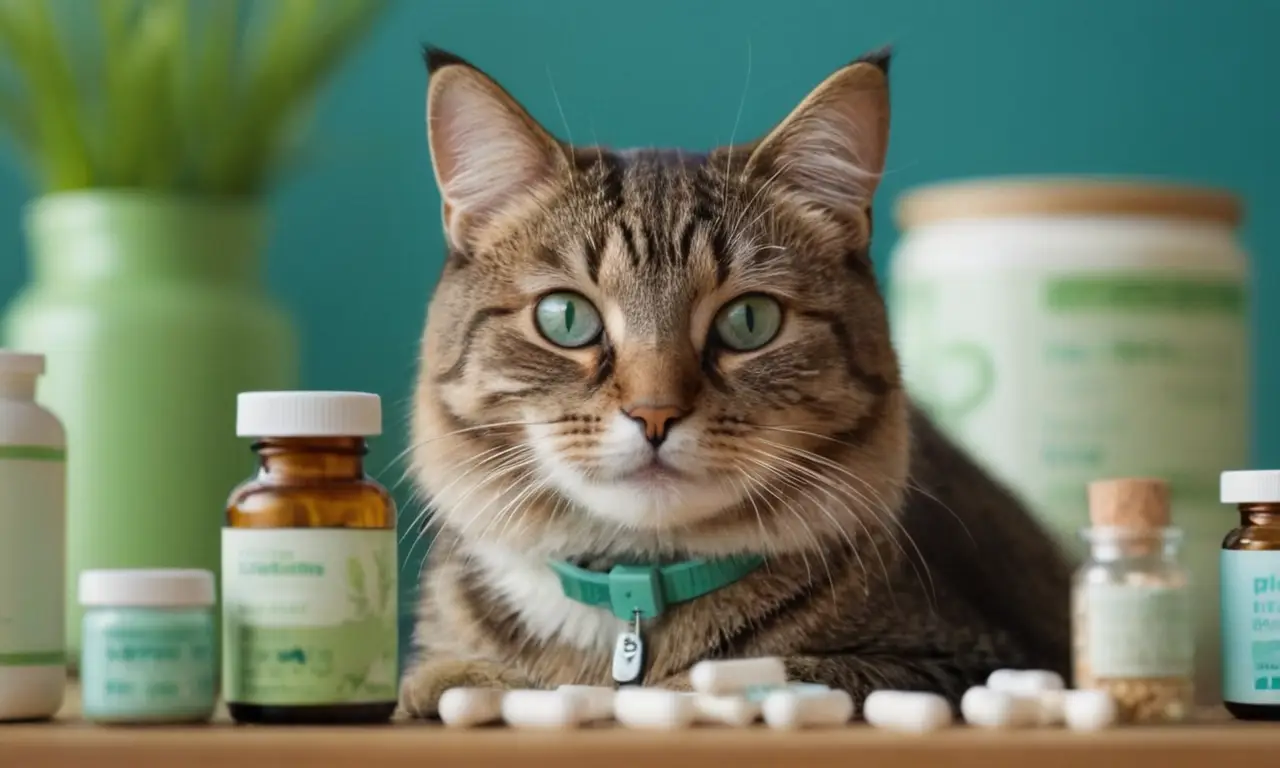
Fipronil for Cats: A Comprehensive Guide to Uses, Dosage, and Side Effects
Fipronil is a widely recognized and effective ingredient in many popular flea and tick control products for cats. This article delves deep into Fipronil for cats - What it is for, dosage and side effects, providing a thorough understanding for cat owners seeking to protect their beloved companions from external parasites. We will explore the mechanism of action, the various applications of fipronil in cat care, recommended dosages, potential side effects, and important considerations for safe and effective use.
𝙲𝚘𝚗𝚝𝚎𝚗𝚝
Understanding Fipronil: How it Works
Fipronil is a broad-spectrum insecticide belonging to the phenylpyrazole class. Its primary mode of action is by disrupting the central nervous system of insects and arachnids, including fleas and ticks. Specifically, fipronil works by blocking the GABA-gated chloride channels and glutamate-gated chloride (GluCl) channels in the nervous system of these parasites. These channels are crucial for nerve signal transmission. By inhibiting them, fipronil causes an overexcitation of the insect's nerves and muscles, leading to paralysis and eventual death.
One of the key advantages of fipronil is its selective toxicity. It has a much higher affinity for insect GABA receptors than for mammalian ones, meaning it is significantly less toxic to cats (and humans) than to the target pests. This selective action is a cornerstone of its widespread use in veterinary medicine.
Fipronil is typically formulated in topical solutions, commonly known as spot-on treatments. Once applied to the cat's skin, usually between the shoulder blades, the fipronil is distributed over the surface of the skin and hair follicles. It is then slowly released from these reservoirs, providing continuous protection against fleas and ticks for a significant period, often up to a month. It does not enter the bloodstream in significant amounts, which contributes to its safety profile.
What is Fipronil for Cats Used For?
The primary use of Fipronil for cats - What it is for, dosage and side effects is the prevention and treatment of infestations by external parasites. These parasites not only cause discomfort and itching to cats but can also transmit serious diseases.
Canine Emergency: First Aid Before Processionary DangerFlea Control
Fleas are a common nuisance for cats, causing intense itching, skin irritation, allergic dermatitis (flea allergy dermatitis - FAD), and even anemia in severe cases, especially in kittens. Fipronil is highly effective at killing adult fleas on contact and preventing their eggs and larvae from developing. This multi-stage attack on the flea life cycle makes it a crucial tool in managing and eradicating flea infestations.
- Killing Adult Fleas: Fipronil directly targets adult fleas that are feeding on the cat's blood.
- Breaking the Life Cycle: It also affects flea eggs and larvae, preventing them from maturing into biting adults. This is vital for long-term control, as the majority of the flea population exists in immature stages in the environment.
Tick Control
Ticks are external parasites that can latch onto a cat's skin and feed on its blood. They are not only irritating but are also vectors for several dangerous diseases that can affect both cats and humans, such as Lyme disease, ehrlichiosis, and anaplasmosis. Fipronil-based treatments kill ticks before they have a significant opportunity to transmit these pathogens.
- Killing Various Tick Species: Fipronil is effective against common tick species that parasitize cats, including Ixodes (deer ticks), Rhipicephalus (brown dog ticks), and Amblyomma (lone star ticks).
- Preventing Tick-Borne Diseases: By killing ticks promptly after they attach, fipronil significantly reduces the risk of disease transmission.
Other Potential Uses
While fleas and ticks are the primary targets, fipronil can also be effective against other external parasites in some formulations, though these are less commonly advertised or emphasized for cats. These might include:
- Lice: Some fipronil products may also help control chewing lice infestations in cats.
- Mites: Certain mite infestations, like ear mites, might be addressed by some fipronil-based treatments, but specific formulations are usually recommended for this purpose.
Dosage and Application of Fipronil for Cats
Administering Fipronil for cats - What it is for, dosage and side effects correctly is paramount for efficacy and safety. Fipronil is typically available in a concentrated liquid solution designed for topical application.
General Application Guidelines
- Read the Product Label Carefully: Always follow the specific instructions provided by the manufacturer of the fipronil product you are using. Different brands and formulations may have slightly different application methods and frequency recommendations.
- Separate Your Cat: It is advisable to treat your cat in an area where it can be easily contained and prevented from grooming or ingesting the product from other treated animals. If you have multiple cats, treat them individually and keep them separated for a period (usually 24-48 hours) after application to allow the product to dry and distribute.
- Part the Fur: Gently part the fur on your cat's back, between the shoulder blades (the area often referred to as the "withers"). This creates a small, exposed area of skin.
- Apply Directly to Skin: Squeeze the contents of the applicator (tube or vial) directly onto the exposed skin. Do not rub the product in; allow it to spread naturally via the skin's oils. The product will spread over the cat's body over the next 24-48 hours.
- Avoid Sensitive Areas: Do not apply fipronil to open wounds, irritated skin, or directly on the face, ears, or eyes.
- Dosage Based on Weight: Fipronil products are typically dosed according to the cat's weight. Ensure you are using a product specifically formulated for cats and that the dosage corresponds to your cat's current weight. Overdosing or underdosing can lead to ineffectiveness or increased risk of side effects.
- Frequency of Application: Most fipronil spot-on treatments provide protection for approximately one month. Reapply as directed by the product label, typically every 30 days. Do not apply more frequently than recommended.
Specific Considerations for Dosage
- Kittens: Fipronil products are generally not recommended for very young kittens. Most labels specify a minimum age, usually around 8 weeks old. Always check the product information for age restrictions.
- Pregnant or Lactating Cats: Consult your veterinarian before using fipronil on pregnant or lactating cats, as the safety of the active ingredient in these situations may vary depending on the formulation.
- Sick or Debilitated Cats: Cats that are ill, underweight, or recovering from surgery may be more susceptible to adverse reactions. It's best to consult your veterinarian before applying any parasiticides to such animals.
- Combination Products: Many fipronil products are combined with other active ingredients, such as insect growth regulators (IGRs) like (S)-methoprene. These combinations offer enhanced protection by not only killing adult parasites but also preventing the development of eggs and larvae. The dosage recommendations for these combination products are usually similar, but always refer to the specific label.
Potential Side Effects of Fipronil in Cats
While fipronil is generally considered safe when used as directed, like any medication or topical treatment, there is a potential for side effects. Understanding these is crucial for cat owners. The risk of side effects is generally low, and many cats tolerate fipronil well.
Betta Fish Tank Mates: Find Compatible CompanionsCommon and Mild Side Effects
These are usually transient and resolve on their own.
- Temporary Skin Irritation: Some cats may experience mild redness, itching, or flaking at the application site. This usually subsides within a day or two.
- Greasy or Clumped Fur: The application site may appear greasy or have slightly clumped fur for a short period after application.
Less Common but More Serious Side Effects
These require veterinary attention.
- Vomiting or Diarrhea: In rare cases, cats may experience gastrointestinal upset.
- Lethargy or Behavioral Changes: Some cats might become unusually tired, disoriented, or exhibit altered behavior after application.
- Neurological Signs: Although rare, if fipronil is ingested in large quantities (e.g., if a cat licks the application site before it dries, or grooms another treated cat), it can lead to neurological symptoms such as tremors, seizures, or incoordination. This is more likely with accidental overdosing or ingestion.
- Allergic Reactions: In very rare instances, a cat might have an allergic reaction to fipronil or other ingredients in the formulation, manifesting as severe itching, hives, facial swelling, or difficulty breathing. Immediate veterinary care is essential if you suspect an allergic reaction.
Factors Increasing Risk of Side Effects
- Overdosing: Applying too much product or applying it too frequently.
- Using a Product for the Wrong Species: Using a dog-specific fipronil product on a cat can be dangerous due to differences in metabolism.
- Application on Compromised Skin: Applying to open wounds or severely inflamed skin.
- Ingestion: If the cat licks the application site or grooms another treated animal before the product has dried and distributed.
- Underlying Health Conditions: Cats with pre-existing health issues may be more sensitive.
Important Considerations and Precautions
When using Fipronil for cats - What it is for, dosage and side effects, several precautions should be observed to ensure the well-being of your cat and other household members.
Safe Use Practices
- Use Only Cat-Specific Products: Never use fipronil products intended for dogs on cats. Dogs and cats metabolize drugs differently, and a dog product could be toxic to a cat.
- Handle with Care: Avoid direct contact with the liquid product. Wash your hands thoroughly with soap and water after applying the treatment.
- Keep Treated Cats Separate: If you have multiple pets, keep treated cats separated from other pets, especially dogs and cats that have not been treated or are too young/old for treatment, for at least 24-48 hours. This prevents them from licking the application site and ingesting the product.
- Monitor Your Cat: After application, observe your cat for any unusual behavior or signs of adverse reactions. If you notice anything concerning, contact your veterinarian immediately.
- Environmental Control: While fipronil is effective on the pet, it's also crucial to manage the environment to prevent re-infestation. This includes regular vacuuming of carpets and upholstery, washing pet bedding in hot water, and potentially using environmental flea treatments.
- Consult Your Veterinarian: Always discuss the best parasite control strategy for your cat with your veterinarian. They can recommend the most appropriate products based on your cat's age, health status, lifestyle, and the prevalence of parasites in your area. They can also advise on managing potential side effects and any contraindications.
What to Do in Case of Accidental Ingestion or Overdose
If you suspect your cat has ingested a significant amount of fipronil or is showing severe adverse reactions, contact your veterinarian or an animal poison control center immediately. Provide them with the product name and details of the exposure.
Resistance Concerns
While fipronil remains effective for most cats, there have been anecdotal reports and some scientific studies suggesting that flea populations in certain areas may be developing resistance to fipronil and other common insecticides. If you find that your fipronil treatment is no longer as effective as it used to be, discuss alternative or rotational parasite control strategies with your veterinarian.
Guppy Tank Mates: The Best Fish Compatible With GuppiesIn summary
Fipronil for cats - What it is for, dosage and side effects is a critical component of modern flea and tick prevention for feline companions. Its mechanism of action, targeting the nervous systems of parasites, combined with its selective toxicity, makes it a valuable tool for keeping cats healthy and comfortable. By understanding its uses, adhering strictly to recommended dosages and application instructions, and being aware of potential side effects and precautions, cat owners can effectively protect their pets from the detrimental effects of fleas and ticks. Always prioritize consulting with your veterinarian to ensure the safest and most effective parasite control plan for your individual cat.
Cat Urinary Crystals: Types, Symptoms & Treatment Guide

Cat Weight: How Do I Know If My Cat Is Fat?

Encephalitis in Dogs: Symptoms, Causes & Treatment

Dog Cavities: Causes, Symptoms, and Treatment Options

Natural Flea Relief: Home Remedies for Fleas in Cats

Newborn Puppy Feeding Guide: From Birth to Weaning
Related posts