
Guppy Tank Mates: The Best Fish Compatible With Guppies
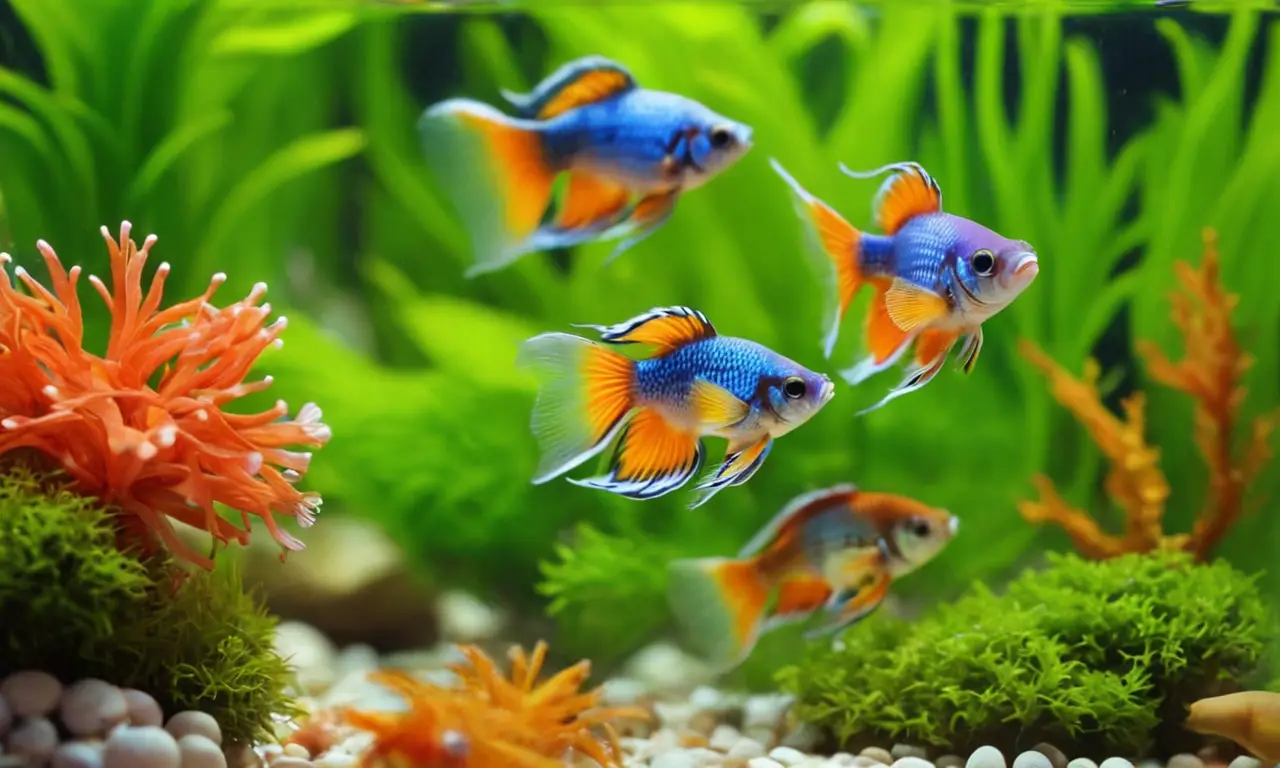
Guppy Tank Mates: The Best Fish Compatible With Guppies
Choosing the right tank mates for your guppies is crucial for creating a harmonious and healthy aquarium environment. Guppies are small, peaceful, and vibrant fish that thrive in community tanks, but not all fish are created equal when it comes to compatibility. This comprehensive guide will delve into the intricacies of selecting fish compatible with guppies, ensuring your aquatic pets can coexist happily and safely. We will explore the ideal characteristics of suitable tank mates, discuss popular and recommended species, highlight fish to avoid, and offer tips for a successful community setup.
𝙲𝚘𝚗𝚝𝚎𝚗𝚝
Understanding Guppy Temperament and Needs
Before we dive into specific species, it's essential to understand what makes guppies such unique aquarium inhabitants. Guppies are known for their peaceful nature. They are schooling fish, meaning they feel more secure and exhibit better behavior when kept in groups. They are also relatively small, with males being more colorful and sporting longer fins than females. This makes them susceptible to bullying from larger or more aggressive fish.
Key characteristics of guppies to consider when choosing tank mates include:
- Peaceful Disposition: Guppies are rarely aggressive and generally get along with most other peaceful fish.
- Small Size: Their diminutive stature makes them vulnerable to predatory or nippy fish.
- Active Swimmers: They enjoy swimming in open water and appreciate a well-decorated tank with plenty of hiding places.
- Omnivorous Diet: Guppies readily accept a varied diet of flakes, pellets, frozen, and live foods.
- Livebearers: Guppies reproduce easily, which can lead to rapid population growth if not managed. This is something to consider when choosing tank mates that might prey on fry.
What Makes a Fish "Compatible with Guppies"?
The ideal tank mate for a guppy shares several crucial traits. When searching for fish compatible with guppies, prioritize these qualities:
- Peacefulness: The most critical factor is temperament. Any fish you introduce should be equally peaceful and not prone to fin-nipping, chasing, or aggression towards guppies.
- Similar Water Parameters: Guppies prefer slightly hard, alkaline water with a temperature range of 72-80°F (22-27°C). Your chosen tank mates should thrive in similar conditions to avoid stressing any of the inhabitants.
- Similar Size: While not an absolute rule, fish of similar size are less likely to pose a threat to guppies or be intimidated by them.
- Dietary Needs: Ensure that the dietary requirements of potential tank mates align with or are easily met by the foods you provide for your guppies. Overly specialized diets can be challenging in a community tank.
- Activity Level: While guppies are active, overly boisterous or territorial fish can stress them out. A balanced activity level is best.
Top Fish Compatible with Guppies
Based on the criteria above, here are some of the most popular and successful tank mates for guppies:
1. Other Guppies
This might seem obvious, but it's worth reiterating. Guppies are best kept with other guppies. If you have a community tank, ensure you have a good male-to-female ratio or opt for a single-sex tank to manage breeding. This guarantees compatibility as they are the same species.
2. Tetras
Many tetra species are excellent choices for a guppy community. They are schooling fish, peaceful, and generally have similar water parameter requirements.
Best Community Aquarium Fish: Your Ultimate Guide- Neon Tetras (Paracheirodon innesi): Famous for their vibrant blue and red stripe, Neon Tetras are small, peaceful, and active swimmers. They prefer slightly softer water than guppies but can adapt well to typical community tank conditions. Keep them in schools of at least six for best results.
- Cardinal Tetras (Paracheirodon axelrodi): Similar to Neons but with a more extensive red stripe. They are also peaceful and beautiful additions.
- Ember Tetras (Hyphessobrycon amandae): These small, bright orange tetras are incredibly peaceful and add a lovely splash of color. They are a bit smaller than Neons, making them a very safe choice.
- Black Skirt Tetras (Gymnocorymbus ternetzi): While generally peaceful, Black Skirt Tetras can sometimes be slightly nippy if kept in insufficient numbers or if they are bored. Introduce them in a school of at least six and monitor their behavior.
- Serpae Tetras (Hyphessobrycon eques): These tetras have a reddish hue and can sometimes be a bit more assertive than other tetras. While often compatible, it's crucial to have a large enough tank and a good-sized school to diffuse any potential aggression.
3. Corydoras Catfish
These bottom-dwelling catfish are incredibly peaceful, entertaining to watch, and excellent scavengers. They help keep the substrate clean and won't bother guppies in the least.
- Pygmy Corydoras (Corydoras pygmaeus): These tiny catfish are perfect for smaller tanks and will happily coexist with guppies. They tend to swim in the mid-water more than other corys.
- Dwarf Corydoras (Corydoras habrosus): Another small and peaceful species that stays close to the substrate.
- Bronze/Albino Corydoras (Corydoras aeneus): A very popular and hardy species. They are a bit larger than pygmy or dwarf varieties but still very peaceful and won't pose a threat to guppies.
4. Rasboras
Rasboras are a diverse group of small, schooling fish known for their peaceful nature and attractive appearances.
- Harlequin Rasboras (Trigonostigma heteromorpha): Easily recognizable by their distinct black wedge-shaped spot, Harlequin Rasboras are hardy and peaceful. They prefer slightly softer water but are adaptable.
- Chili Rasboras (Boraras brigittae): Tiny and vibrantly red, Chili Rasboras are incredibly peaceful and are best suited for smaller tanks or as companions in a larger guppy tank.
- Espei Rasboras (Trigonostigma espei): Similar to Harlequins but with a more coppery hue and a less pronounced wedge. They are equally peaceful.
5. Platies and Swordtails
These are close relatives of guppies and share very similar temperaments and care requirements.
- Platies (Xiphophorus maculatus/variatus): Available in a dazzling array of colors, platies are hardy, peaceful, and livebearers, just like guppies. They are excellent community fish.
- Swordtails (Xiphophorus hellerii): Males have a distinctive "sword" extension on their tail fin. They are generally peaceful but can be slightly more active and larger than platies and guppies. Ensure adequate space and a good sex ratio if introducing swordtails.
6. Mollies
Mollies are another live-bearing species that can be compatible, but with some caveats.
- Common Mollies (Poecilia sp.): Mollies prefer harder, more alkaline water than guppies, and some varieties can grow quite large. They are generally peaceful but can sometimes outcompete guppies for food. It's best to introduce them if your tank setup leans towards harder water conditions.
7. Peaceful Snails
While not fish, snails make excellent tank mates for guppies. They are great algae eaters and scavengers, contributing to a clean tank.
- Mystery Snails (Pomacea bridgesii): These are large, colorful snails that are very peaceful.
- Nerite Snails (Neritina spp.): Excellent algae eaters and come in various attractive patterns. They won't reproduce in freshwater, which is a bonus.
- Ramshorn Snails: Peaceful and reproduce readily.
8. Peaceful Shrimp
Certain small, peaceful shrimp species can also coexist with guppies, though it's important to choose wisely.
- Cherry Shrimp (Neocaridina davidi): These small, colorful shrimp are generally safe with guppies, especially if the guppies are well-fed and there are plenty of hiding places for the shrimp (plants, moss). However, larger guppies might occasionally snack on baby shrimp.
- Amano Shrimp (Caridina multidentata): These larger, more robust shrimp are excellent algae eaters and are unlikely to be bothered by guppies.
Fish to Avoid Introducing to a Guppy Tank
Just as important as knowing which fish are compatible is knowing which ones to steer clear of. Introducing the wrong species can lead to stress, injury, or death for your guppies.
Best Small Aquarium Fish: Your Ultimate Guide1. Aggressive or Semi-Aggressive Fish
- Cichlids (most species): Many cichlids, even smaller ones, are territorial and can be aggressive towards guppies.
- Betta Fish (Siamese Fighting Fish): While beautiful, male bettas can be aggressive towards other fish, especially those with flowing fins similar to their own. Some female bettas can also be problematic. It's best to house bettas individually or in a species-only tank.
- Goldfish: Goldfish produce a lot of waste and have very different water parameter needs. They are also large and can easily stress or eat small fish.
2. Fin-Nippers
- Tiger Barbs (Puntigrus tetrazona): Known for their fin-nipping behavior, they will relentlessly nip at the long fins of male guppies.
- Serpae Tetras (Hyphessobrycon eques): As mentioned before, while sometimes compatible, they can become fin-nippers if stressed or kept in inadequate numbers.
- Dwarf Chain Loaches: Can be nippy towards other fish.
3. Large or Predatory Fish
- Larger Gouramis: Some species of gouramis can become territorial and aggressive as they mature.
- Plecostomus (Common Plecos): Common plecos grow very large and can potentially attach themselves to other fish, though this is rare. Their waste production is also a significant factor.
4. Fish with Very Different Water Needs
- Discus and Angelfish: These fish require very soft, acidic water and higher temperatures that are not ideal for guppies.
- Saltwater Fish: Obvious, but worth stating for absolute beginners.
Setting Up a Guppy Community Tank
Creating a successful community tank with fish compatible with guppies involves careful planning and setup.
1. Tank Size
The general rule of thumb is 1 inch of fish per gallon of water for smaller fish. However, for guppies and their tank mates, it's better to err on the side of caution. A minimum of a 20-gallon tank is recommended for a small group of guppies and a few compatible species. Larger tanks offer more stability and space, reducing stress and aggression.
2. Filtration
A good quality filter is essential. Guppies and their tank mates produce waste, and a robust filtration system will help maintain water quality. Aim for a filter rated for a larger tank size than you have to ensure adequate biological and mechanical filtration.
3. Water Parameters
- Temperature: Maintain a stable temperature between 72-80°F (22-27°C).
- pH: Guppies prefer a pH between 7.0 and 8.0.
- Hardness: Slightly hard water is ideal for guppies.
Regular water changes (25-30% weekly) are crucial for maintaining a healthy environment.
4. Substrate and Decor
- Substrate: A fine gravel or sand substrate is suitable.
- Decor: Provide plenty of hiding places using live or artificial plants, driftwood, and smooth rocks. This will make your fish feel secure and reduce stress. Live plants are particularly beneficial as they help with water quality.
5. Stocking Levels
Do not overstock your tank. Introduce new fish gradually, allowing your aquarium's beneficial bacteria to adjust to the increased bioload. Research the adult size and temperament of each species you intend to add.
6. Feeding
Feed your guppies and their tank mates a varied diet. High-quality flake food, supplemented with frozen or live foods like brine shrimp or bloodworms, will keep them healthy and vibrant. Ensure all fish get enough to eat, especially the more timid species.
Managing Guppy Breeding
Guppies are prolific breeders. If you have a mixed-sex tank, you will likely have fry. Consider the following:
Flea Allergy in Dogs: Symptoms, Causes & Effective Treatment- Fry Survival: If you have predatory tank mates, most fry will be eaten. If you want to raise fry, you'll need a separate breeding tank or a heavily planted community tank where fry can hide.
- Single-Sex Tanks: To avoid breeding altogether, keep only males or only females. Male-only tanks can sometimes result in males harassing each other, so ensure plenty of space and hiding spots.
- Livebearers That Prey on Fry: Some species can control guppy fry population by eating them, which might be desirable for some aquarists. However, this also means these fish could potentially harm adult guppies if they are stressed or if the tank is too small.
In summary
Creating a thriving community aquarium with fish compatible with guppies is a rewarding experience. By understanding the peaceful nature and specific needs of guppies, and by carefully selecting tank mates that share their temperament and water parameter requirements, you can build a beautiful and harmonious aquatic ecosystem. Always remember to research each species thoroughly before purchase, introduce new fish gradually, and maintain excellent water quality. With a little planning and care, your guppy tank can be a dazzling display of aquatic life.
Cat Urinary Crystals: Types, Symptoms & Treatment Guide
Cat Weight: How Do I Know If My Cat Is Fat?

Encephalitis in Dogs: Symptoms, Causes & Treatment
Dog Cavities: Causes, Symptoms, and Treatment Options
Natural Flea Relief: Home Remedies for Fleas in Cats

Newborn Puppy Feeding Guide: From Birth to Weaning
Related posts