
Best Food for Large & Giant Dogs: Nutrition Guide
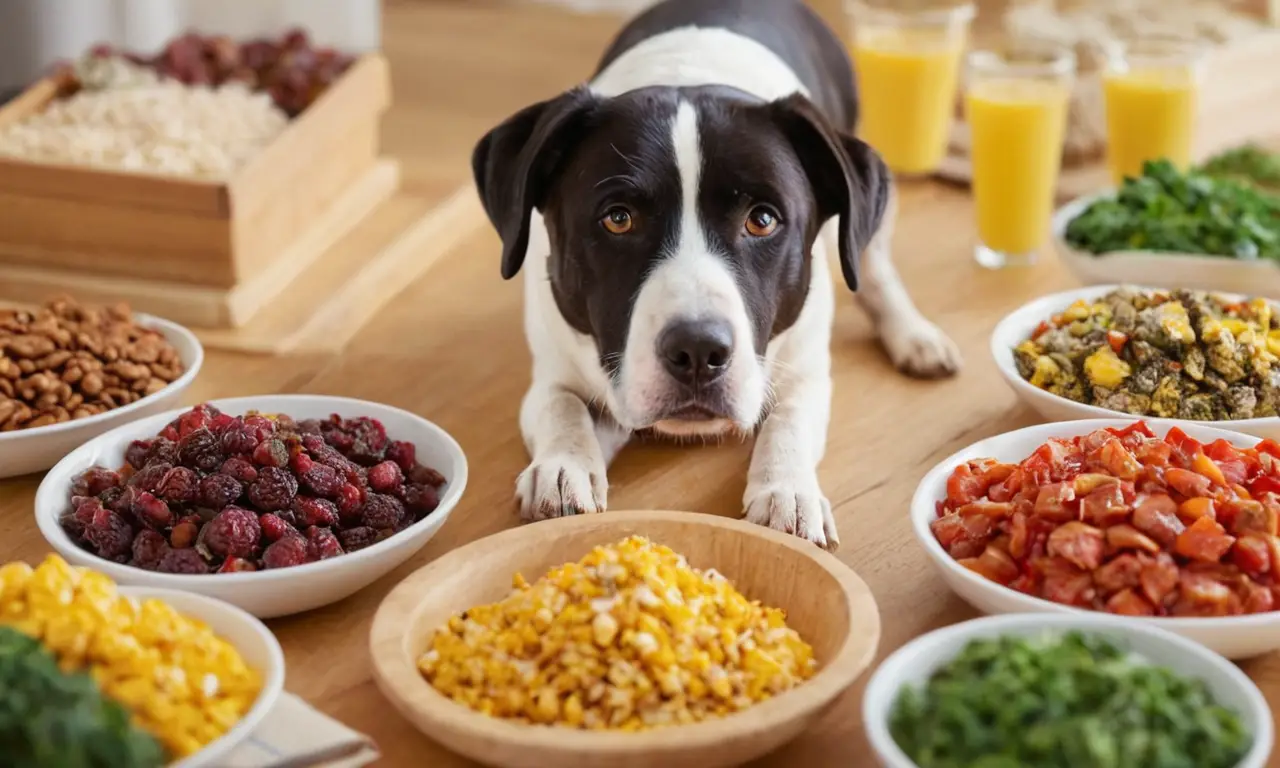
The Ultimate Guide to Food for Large and Giant Dogs
Choosing the right food for large and giant dogs is crucial for their health, development, and overall well-being. These magnificent breeds have unique nutritional needs that differ significantly from their smaller counterparts. From rapid growth phases to joint support and digestive health, understanding these specific requirements will help you provide your canine companion with a long, happy, and healthy life. This comprehensive guide delves into the intricacies of feeding large and giant breeds, exploring the essential nutrients, life stage considerations, and the best practices for selecting a diet that truly supports their extraordinary needs. We will examine the common health concerns associated with these breeds and how the right food for large and giant dogs can play a pivotal role in preventing or managing them. Whether you're a new owner of a Great Dane or a seasoned guardian of a Mastiff, this article aims to equip you with the knowledge to make informed decisions about your dog's diet.
Understanding the Unique Nutritional Needs of Large and Giant Breeds
Large and giant dog breeds, generally defined as those weighing over 50 pounds at maturity, experience a distinct growth trajectory compared to smaller dogs. Their growth is rapid, but it needs to be carefully managed. Overfeeding or providing a diet too rich in calories and calcium during their puppyhood can lead to accelerated bone growth, which can stress developing joints and increase the risk of skeletal abnormalities like hip and elbow dysplasia. Therefore, food for large and giant dogs is formulated with specific nutrient profiles to support controlled, steady growth.
Key nutritional considerations include:
- Controlled Calorie Content: Essential to prevent rapid weight gain and associated health problems.
- Balanced Calcium and Phosphorus Ratio: Crucial for healthy bone development. An imbalance can lead to skeletal issues.
- Adequate Protein Levels: While important for muscle development, excessively high protein can contribute to rapid growth. The focus is on high-quality, easily digestible protein sources.
- Glucosamine and Chondroitin: These joint-supporting supplements are often included in food for large and giant dogs to promote cartilage health and reduce inflammation, especially as they age.
- Omega-3 and Omega-6 Fatty Acids: Important for skin and coat health, as well as reducing inflammation throughout the body, including in the joints.
- Digestible Carbohydrates: For energy and fiber. Highly digestible sources are preferred to minimize digestive upset.
Puppyhood: The Critical Growth Phase
The first 18-24 months of a large or giant breed dog's life are the most critical for their development. During this period, they grow at an astonishing rate, putting immense strain on their developing skeletal system. This is where the formulation of food for large and giant dogs truly shines. Puppy food for these breeds is designed to:
Best *Food for Older Dogs*: Senior Nutrition Guide- Regulate Growth: It provides a carefully balanced energy density to ensure puppies grow at a slower, more controlled pace. This prevents them from becoming overweight and placing undue stress on their joints.
- Support Skeletal Development: The correct calcium and phosphorus ratio is paramount. Look for diets that specifically state they are formulated for large breed puppies and have an optimal Ca:P ratio.
- Provide Essential Nutrients: Vitamins, minerals, and antioxidants are crucial for immune system development and overall health during this vulnerable stage.
It is a common mistake for owners of large breed puppies to assume that "more is better" when it comes to feeding. In reality, overfeeding can be detrimental. Always follow the feeding guidelines on the food for large and giant dogs packaging, but remember these are just guidelines. Your veterinarian can help you adjust portion sizes based on your individual puppy's body condition, activity level, and metabolism.
Adult Stage: Maintaining Health and Vitality
Once your large or giant breed dog reaches adulthood, their nutritional needs shift from rapid growth to maintaining their lean body mass, energy levels, and overall health. The food for large and giant dogs formulated for adults continues to focus on:
- Joint Health: Even in adulthood, large breeds are prone to joint issues. Continued inclusion of glucosamine and chondroitin, along with omega-3 fatty acids, can help maintain joint mobility and reduce discomfort.
- Weight Management: While they have larger frames, obesity can still be a significant problem for large and giant breeds, exacerbating joint pain and increasing the risk of other health issues like diabetes and heart disease. Opt for calorie-controlled diets and monitor their weight regularly.
- Digestive Health: Larger dogs can be prone to bloat (gastric dilatation-volvulus, or GDV), a life-threatening condition. Diets with highly digestible ingredients and potentially fiber sources that promote slower eating can be beneficial. Feeding multiple smaller meals throughout the day instead of one large meal can also reduce the risk of bloat.
- Muscle Maintenance: High-quality protein sources are still essential to maintain muscle tone and function.
Senior Stage: Supporting Longevity and Comfort
As your large or giant breed dog enters their senior years (typically around 7-8 years for large breeds and 5-7 years for giant breeds), their dietary needs change once more. Metabolism slows down, activity levels may decrease, and they become more susceptible to age-related health conditions. Food for large and giant dogs for seniors is designed to:
- Support Joint Health: This becomes even more critical. Ingredients like glucosamine, chondroitin, and omega-3 fatty acids are vital for managing arthritis and maintaining mobility.
- Manage Weight: With a slower metabolism, seniors can easily gain weight, which further stresses their joints. Senior formulas are often lower in calories.
- Support Organ Function: As dogs age, their kidneys and other organs may require specific nutritional support. Formulas for seniors often include antioxidants and other nutrients to support these functions.
- Aid Digestion: Older dogs may have more sensitive digestive systems. Easily digestible ingredients remain important.
- Provide Targeted Nutrients: Some senior formulas may include ingredients to support cognitive function or immune health.
Common Health Concerns and Dietary Solutions
Large and giant breeds are predisposed to certain health issues, and their diet can play a significant role in prevention and management.
Omega 3 for Dogs: Best Foods Your Pup Needs- Hip and Elbow Dysplasia: This is a developmental condition affecting the hip and elbow joints. Proper nutrition during puppyhood with controlled growth and an appropriate calcium-phosphorus ratio is key. In adulthood and senior years, ongoing joint support with glucosamine and chondroitin is crucial.
- Bloat (GDV): As mentioned, this is a serious and potentially fatal condition. While not solely diet-related, feeding smaller, more frequent meals and choosing food for large and giant dogs with highly digestible ingredients can help. Avoid feeding immediately before or after strenuous exercise.
- Heart Conditions: Some giant breeds are prone to specific heart conditions. Diets rich in omega-3 fatty acids may offer some cardiovascular benefits. Taurine and L-carnitine are also important amino acids for heart health, and some specialized diets may include them.
- Osteochondritis Dissecans (OCD): This is a condition affecting cartilage development in young, rapidly growing large breed dogs. Controlled growth through appropriate calorie and nutrient intake is essential.
- Arthritis: A common condition in older large and giant breeds. Diets with anti-inflammatory ingredients like omega-3 fatty acids and joint supplements can greatly improve their quality of life.
Choosing the Right Food for Large and Giant Dogs: Key Ingredients to Look For
When selecting a commercial food for large and giant dogs, scrutinize the ingredient list.
- Named Meat Sources First: The first few ingredients should be named animal proteins like "chicken," "lamb," "beef," or "fish." Avoid generic terms like "meat by-products."
- Whole Grains and Vegetables: Look for sources of complex carbohydrates and fiber like brown rice, barley, sweet potatoes, and peas.
- Glucosamine and Chondroitin Sulfate: These are vital for joint health. They are often listed as separate ingredients or as part of a joint support blend.
- Omega-3 Fatty Acids: Sources like fish oil (salmon oil, anchovy oil) are beneficial for skin, coat, and reducing inflammation.
- Antioxidants: Vitamins E and C, along with other plant-based antioxidants, help support the immune system.
What to Avoid in Food for Large and Giant Dogs
- Excessive Fillers: Ingredients like corn, wheat, and soy can be acceptable in moderation, but they should not be the primary ingredients, especially if they are not well-digested by your dog.
- Artificial Colors, Flavors, and Preservatives: These offer no nutritional value and can sometimes cause sensitivities.
- High Levels of Calcium: Especially for puppies, an overabundance of calcium can be detrimental to bone development.
Transitioning to New Food
When switching your dog to a new food for large and giant dogs, do so gradually over a period of 7-10 days.
- Days 1-3: 25% new food, 75% old food
- Days 4-6: 50% new food, 50% old food
- Days 7-9: 75% new food, 25% old food
- Day 10 onwards: 100% new food
This gradual transition helps prevent digestive upset like vomiting and diarrhea.
The Importance of Veterinary Consultation
Always consult with your veterinarian when making decisions about your dog's diet, especially for large and giant breeds. They can:
Carna4 Dog Food: Top Composition & Health Benefits- Assess your dog's individual needs: Based on breed, age, activity level, and any existing health conditions.
- Recommend specific brands or types of food: That are best suited for your dog.
- Help you monitor your dog's weight and body condition: And adjust feeding accordingly.
- Advise on supplements: If your dog requires additional nutritional support.
Providing the correct food for large and giant dogs is an investment in their long-term health and happiness. By understanding their unique nutritional requirements and making informed choices, you can ensure your gentle giant thrives throughout their life.
Parrot Diet: Best Fruits and Vegetables for Your Bird

Festive Feasts: Top Christmas Recipes for Dogs

Dog Kidney Failure Diet: Homemade Solutions & Care Tips
Choosing the Best Dog Food: A Comprehensive Guide

Cat Hepatitis Diet: Essential Foods for Your Feline Friend
Understanding the Composition of Cat Food for Health
Related posts