
Dwarf Puffer Fish Feeding: Essential Diet & Care Guide
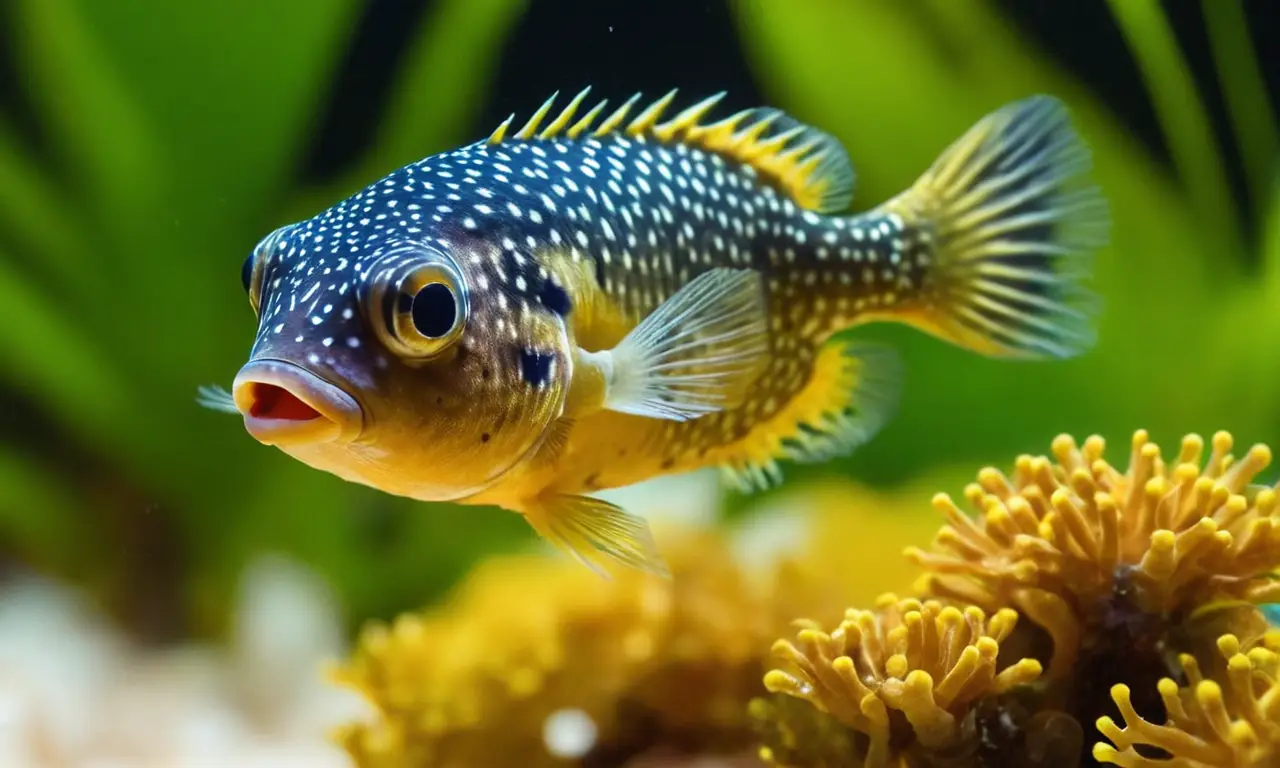
The Art of Feeding Freshwater Dwarf Puffer Fish: A Comprehensive Guide
The freshwater dwarf puffer fish, with its charming personality and intricate care requirements, is a captivating addition to any aquarium. However, one of the most crucial aspects of keeping these intelligent fish thriving is understanding their unique dietary needs. Unlike many common aquarium inhabitants, dwarf puffers are obligate carnivores with specialized feeding habits that require careful attention to ensure their health, vitality, and longevity. This article delves deep into the world of Freshwater Dwarf Puffer Fish Feeding, providing a comprehensive guide for both novice and experienced aquarists to master the art of nourishing these fascinating creatures. We will explore the fundamental principles of their diet, recommended food types, feeding frequency, strategies for picky eaters, and common feeding-related issues to watch out for.
𝙲𝚘𝚗𝚝𝚎𝚗𝚝
- Understanding the Dwarf Puffer's Carnivorous Nature
- The Foundation of a Healthy Dwarf Puffer Diet: What to Feed
- The Importance of Variety in Freshwater Dwarf Puffer Fish Feeding
- Feeding Frequency and Portions: Finding the Right Balance
- Strategies for Picky Eaters and Food Aversions
- Common Feeding-Related Issues and How to Address Them
- Tank Mates and Feeding
- In summary: A Rewarding Endeavor
Understanding the Dwarf Puffer's Carnivorous Nature
Freshwater dwarf puffer fish (primarily Carinotetraodon travancoricus) are not your typical herbivorous or omnivorous aquarium fish. They are, by nature, obligate carnivores, meaning their diet consists almost exclusively of animal matter. In their natural habitat, these small puffers would consume a diet rich in insects, crustaceans, mollusks, and small worms. This evolutionary diet has shaped their digestive system and dental structure, making it imperative to replicate these dietary components in captivity. Their teeth, while not as formidable as those of their marine puffer cousins, are continuously growing and require abrasive foods to keep them trimmed. A diet lacking in these abrasive elements can lead to overgrowth, causing feeding difficulties and potentially starvation.
The Foundation of a Healthy Dwarf Puffer Diet: What to Feed
When it comes to Freshwater Dwarf Puffer Fish Feeding, variety and quality are paramount. A well-rounded diet will not only satisfy their nutritional requirements but also contribute to their overall well-being and the vibrant coloration for which they are known.
Live Foods: The Gold Standard
For most dwarf puffers, live foods are considered the pinnacle of their diet. They stimulate natural hunting instincts, provide essential nutrients that are often lost in processed foods, and offer the necessary abrasive qualities for dental health.
- Snails: Small freshwater snails, such as ramshorn snails or bladder snails, are an excellent staple. Not only are they a nutritious food source, but the act of cracking open the shell provides the perfect workout for their ever-growing teeth. It's crucial to source snails from reputable suppliers or breed your own to avoid introducing parasites or diseases into your aquarium.
- Bloodworms and Blackworms: These nutrient-rich worms are highly palatable and a favorite among many dwarf puffers. They are readily available from most aquarium stores and can be a good way to introduce reluctant eaters to new foods.
- Brine Shrimp (Artemia): While primarily a treat for many fish, brine shrimp can be a good supplement for dwarf puffers, especially when newly hatched and very small. They are a good source of protein but lack the abrasive qualities needed for tooth trimming.
- Daphnia (Water Fleas): These tiny crustaceans are another nutritious option, particularly for smaller or younger puffers. They can also help to clean out the digestive tract.
Frozen Foods: A Convenient Alternative
While live foods are ideal, frozen options offer a convenient and often more readily available alternative. It's crucial to ensure that frozen foods are of high quality and specifically intended for aquarium fish.
- Frozen Brine Shrimp: Similar to live brine shrimp, these can be a good treat and supplement.
- Frozen Bloodworms and Blackworms: These are excellent alternatives to live versions and are widely accepted by dwarf puffers.
- Frozen Mysis Shrimp: Mysis shrimp are a good source of protein and can be a valuable addition to the diet.
When feeding frozen foods, it's essential to thaw them completely in a small amount of tank water before offering them to your puffers. This prevents a sudden drop in water temperature and ensures the food is easily digestible.
Prepared Foods: Use with Caution
While not the primary food source, some high-quality prepared foods can be offered as occasional supplements.
- Pellets specifically designed for carnivorous fish: Some brands offer pellets that are formulated to mimic the dietary needs of carnivores. However, their abrasive quality is often insufficient, and they may not be as readily accepted as live or frozen options. If using pellets, ensure they are small enough for your dwarf puffer to consume easily.
- Shrimp Pellets: Small, sinking shrimp pellets can be offered very sparingly.
It's crucial to monitor your dwarf puffer's response to any prepared foods. If they show no interest or exhibit signs of digestive distress, it's best to revert to live and frozen options.
Safe Fruits and Vegetables for Hamsters: A Healthy DietThe Importance of Variety in Freshwater Dwarf Puffer Fish Feeding
As with most creatures, a varied diet is key to ensuring your dwarf puffer receives a broad spectrum of nutrients. Relying on a single food source, even a seemingly nutritious one, can lead to dietary deficiencies. Rotating between different types of live and frozen foods will provide a more balanced nutritional profile. This variety also keeps their diet interesting, which is particularly important for intelligent fish like puffers, who can become bored with monotonous meals.
Feeding Frequency and Portions: Finding the Right Balance
Determining the correct feeding frequency and portion size is crucial for preventing overfeeding and underfeeding.
How Often to Feed
- Adult Dwarf Puffers: For adult dwarf puffers, feeding once a day is generally sufficient. Some aquarists opt for feeding every other day with larger portions, but daily feeding allows for better control over portion sizes and observation of their eating habits.
- Juvenile Dwarf Puffers: Younger puffers, still in their growth phases, may benefit from being fed twice a day with smaller portions.
How Much to Feed
The key is to feed only what your dwarf puffer can consume within a few minutes. Overfeeding is a common mistake and can lead to several problems:
- Water Quality Degradation: Uneaten food decomposes, releasing ammonia and nitrites into the water, which are toxic to fish.
- Obesity: While less common than in some other species, overfeeding can still contribute to health issues.
- Digestive Problems: An overloaded digestive system can lead to issues like constipation.
A good rule of thumb is to offer small portions, observe how quickly they are eaten, and adjust accordingly. It's better to slightly underfeed and offer another small portion a bit later if they are still hungry, than to overfeed and have excess food left behind.
Strategies for Picky Eaters and Food Aversions
Dwarf puffers can sometimes be notoriously picky eaters, making Freshwater Dwarf Puffer Fish Feeding a potential challenge. If your puffer is refusing food or only eating specific items, here are some strategies:
- Introduce New Foods Gradually: Don't expect your puffer to immediately accept a new food. Try offering it alongside their preferred foods, gradually increasing the proportion of the new food over time.
- Vary Presentation: Sometimes, the way food is presented can make a difference. For live foods, allow them to swim freely in the tank for a short period. For frozen foods, try different thawing methods or even chopping them into smaller pieces.
- The "Fast" Method: If your puffer is completely refusing a certain type of food and you're concerned about their health, a short fasting period (24-48 hours) can sometimes encourage them to try new options when food is reintroduced. However, this should be used cautiously and only with healthy fish.
- Simulate Natural Hunting: For live foods, try using feeding tongs to wiggle the food slightly, mimicking the movement of prey. This can stimulate their predatory instincts.
- Check Water Parameters: Sometimes, a puffer's lack of appetite can be due to poor water quality or stress. Ensure your aquarium's parameters (ammonia, nitrite, nitrate, pH, temperature) are stable and within the appropriate range before assuming it's a feeding issue.
- Introduce New Foods When They Are Young: If possible, introduce a variety of foods from a young age. Younger puffers tend to be more adventurous eaters.
Common Feeding-Related Issues and How to Address Them
Understanding potential problems associated with Freshwater Dwarf Puffer Fish Feeding can help you proactively manage your puffer's health.
Overgrowth of Teeth
As mentioned, dwarf puffers' teeth grow continuously and need to be worn down. If their diet lacks sufficient abrasive foods (like snails), their teeth can overgrow. This can lead to:
- Inability to Eat: Overgrown teeth can make it difficult or impossible for them to grasp and chew food.
- Physical Injury: Sharp, overgrown teeth can injure their mouth or tongue.
Solution: Ensure their diet includes a regular offering of small, hard-shelled snails. If you suspect overgrown teeth, consult with an experienced aquarist or a veterinarian specializing in fish for advice on potential trimming, though this is a delicate procedure.
Fruits & Vegetables Cats Can't Eat: A Safe GuideBloating and Constipation
Overfeeding, especially with easily digestible but less abrasive foods, can lead to bloating and constipation.
Symptoms: A swollen belly, lethargy, and difficulty swimming.
Solution: Reduce feeding amounts and frequency. Ensure their diet includes fibrous foods like daphnia and occasional offerings of shelled snails to aid digestion. In severe cases, a short fasting period followed by a very small meal of daphnia or baby brine shrimp can be beneficial.
Refusal of Food Due to Stress or Poor Water Quality
A stressed or unwell puffer may stop eating. This is not a direct feeding issue but a symptom of an underlying problem.
Solution: Thoroughly test your water parameters and perform a water change if necessary. Ensure the tank environment is suitable, with appropriate hiding places and no aggressive tank mates. Address any other signs of illness immediately.
Malnutrition and Nutritional Deficiencies
This can occur if the diet is too limited or lacks essential nutrients.
Symptoms: Lethargy, poor coloration, emaciation, and a weakened immune system.
Solution: Diversify their diet with a range of live and high-quality frozen foods. If you suspect specific deficiencies, consult with an experienced aquarist for dietary recommendations.
Cat Fungus: Symptoms, Causes, and Effective TreatmentsTank Mates and Feeding
When considering tank mates for your dwarf puffer, it's important to remember their feeding habits. Dwarf puffers are often best kept singly or in species-only tanks, especially if you are struggling with Freshwater Dwarf Puffer Fish Feeding. In a mixed-species tank, other fish may outcompete them for food, or in some cases, nip at the puffer, causing stress and health problems. If you do choose to house them with other fish, select peaceful, non-nipping species that do not require the same type of food, and ensure there is ample opportunity for your puffer to eat undisturbed.
In summary: A Rewarding Endeavor
Mastering Freshwater Dwarf Puffer Fish Feeding is a rewarding aspect of keeping these unique and captivating fish. By understanding their carnivorous nature, providing a varied diet of high-quality live and frozen foods, and being attentive to their feeding habits and any potential issues, you can ensure your dwarf puffer thrives. The effort invested in their diet is directly reflected in their health, activity levels, and the sheer joy they bring to your aquarium. Patience, observation, and a commitment to providing the best possible nutrition are the cornerstones of success in nurturing your freshwater dwarf puffer fish.
Cat Urinary Crystals: Types, Symptoms & Treatment Guide

Cat Weight: How Do I Know If My Cat Is Fat?

Encephalitis in Dogs: Symptoms, Causes & Treatment

Dog Cavities: Causes, Symptoms, and Treatment Options

Natural Flea Relief: Home Remedies for Fleas in Cats

Newborn Puppy Feeding Guide: From Birth to Weaning
Related posts