
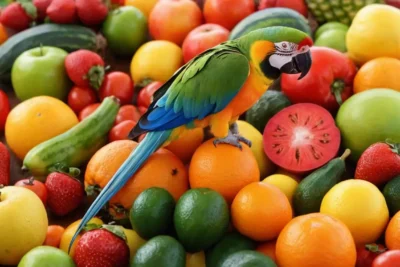
Budgie Diet: Essential Fruit and Vegetables for Birds
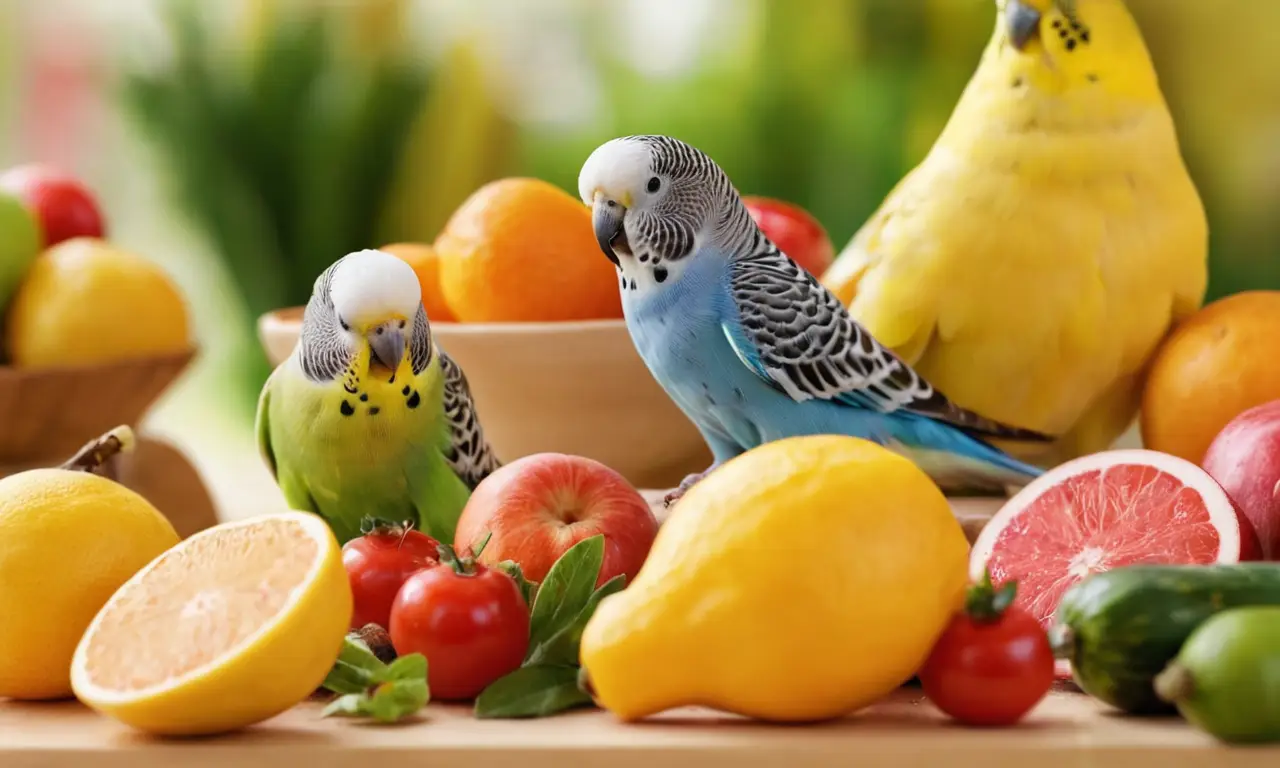
Budgie Diet: Essential Fruit and Vegetables for Birds
Understanding the optimal diet for your budgie is crucial for their long-term health and happiness. While a high-quality seed mix forms the foundation, incorporating a variety of fresh fruits and vegetables is essential to provide them with vital vitamins, minerals, and hydration. This article will delve into the world of fruit and vegetables for budgies, guiding you on safe and beneficial choices, preparation methods, and how to introduce new foods to your feathered friend.
The Importance of Fresh Foods in a Budgie's Diet
Budgies, in their natural habitat, have access to a diverse range of plants, including fruits, vegetables, seeds, and flowers. Their domesticated diet should strive to mimic this natural abundance to ensure they receive a complete spectrum of nutrients. Seed mixes, while convenient, can sometimes be deficient in certain vitamins and minerals if not supplemented. Fresh produce offers:
- Vitamins and Minerals: Essential for immune function, feather health, vision, and overall well-being. For instance, Vitamin A is critical for eyesight and skin health, while Vitamin C supports the immune system.
- Hydration: Many fruits and vegetables have a high water content, which can contribute to your budgie's hydration, especially important in warmer climates or during molting.
- Fiber: Aids in digestion and helps prevent issues like constipation.
- Enzymes and Antioxidants: These beneficial compounds support various bodily functions and combat cellular damage.
- Enrichment and Stimulation: The act of foraging for and eating fresh foods provides mental stimulation, combating boredom and promoting natural behaviors.
Safe and Nutritious Fruits for Budgies
When selecting fruits for your budgie, moderation is key due to their sugar content. Offer small, bite-sized pieces as occasional treats. Always wash fruits thoroughly to remove pesticides.
Parrot Diet: Best Fruits and Vegetables for Your Bird- Apples (Seedless): A good source of fiber and vitamins. Crucially, remove all seeds and the core, as apple seeds contain cyanide.
- Berries: Strawberries, blueberries, raspberries, and cranberries are packed with antioxidants and vitamins. Offer them in moderation due to their natural sugars.
- Melons: Cantaloupe, honeydew, and watermelon are excellent for hydration. Ensure to remove seeds.
- Pears (Seedless): Similar to apples, offer in moderation and remove seeds and core.
- Grapes: Offer in very small quantities and only occasionally due to their high sugar content.
- Papaya: Rich in vitamins A and C, and contains enzymes that can aid digestion.
- Mango: A sweet treat high in vitamins A and C. Offer in small amounts.
- Oranges and Mandarins: A good source of Vitamin C, but offer sparingly due to their acidity. Remove seeds and rind.
- Bananas: High in potassium but also high in sugar, so offer as a very occasional treat in tiny pieces.
Safe and Nutritious Vegetables for Budgies
Vegetables should form a larger part of your budgie's fresh food diet than fruits, as they generally have lower sugar content and are rich in essential nutrients.
- Leafy Greens: These are powerhouses of nutrition.
- Spinach: High in iron and vitamins, but should be offered in moderation due to its oxalic acid content, which can interfere with calcium absorption.
- Kale: Excellent source of vitamins A, C, and K, as well as calcium.
- Romaine Lettuce: Hydrating and provides some vitamins, though less nutrient-dense than other greens.
- Bok Choy: Rich in vitamins A and C.
- Parsley: A good source of vitamins and minerals.
- Cilantro: Contains antioxidants and can aid digestion.
- Dandelion Greens: A highly nutritious and palatable option, rich in vitamins and minerals. Ensure they are sourced from an area free of pesticides.
- Other Vegetables:
- Carrots: High in Vitamin A, essential for good eyesight and feather health. Offer both the root and the leafy tops.
- Broccoli: A fantastic source of vitamins C and K, as well as fiber. Offer both florets and stems.
- Bell Peppers (all colors): Rich in Vitamin C and antioxidants. Remove seeds and membranes.
- Sweet Potatoes: Excellent source of Vitamin A. Cooked and mashed is a good option.
- Peas: A good source of vitamins and protein.
- Green Beans: Provide vitamins and fiber.
- Cucumber: Very hydrating and low in calories.
- Zucchini: Similar to cucumber, hydrating and mild in flavor.
- Corn: Offer in moderation as it's starchy. Cooked kernels are best.
- Asparagus: A good source of vitamins and minerals.
Fruits and Vegetables to Avoid
Just as some foods are beneficial, others can be harmful or even toxic to budgies. It's crucial to be aware of these to ensure your bird's safety.
- Avocado: Highly toxic to birds due to persin.
- Onions and Garlic: Can cause digestive upset and damage red blood cells.
- Mushrooms: Some varieties can be toxic.
- Rhubarb: Contains oxalic acid, which can be harmful.
- Chocolate: Highly toxic due to theobromine.
- Caffeine: Stimulants are dangerous for birds.
- Alcohol: Extremely toxic.
- Salty Foods: Can lead to dehydration and kidney problems.
- Sugary Foods and Drinks: Beyond the natural sugars in fruit, processed sweets are detrimental.
- Fatty Foods: Can lead to obesity and liver issues.
- Seeds from fruits: As mentioned, apple, pear, and other fruit seeds can contain toxic compounds.
Preparation and Serving Tips
How you prepare fruit and vegetables for budgies can significantly impact their willingness to try them.
Pogonas Diet: Best Fruits and Vegetables Guide- Washing: Always wash all produce thoroughly under running water to remove any residual pesticides or contaminants.
- Chopping: Cut fruits and vegetables into small, bite-sized pieces that your budgie can easily manage. For larger items like broccoli florets or apple chunks, ensure they are not too large to be a choking hazard.
- Serving:
- Fresh and Raw: Most fruits and vegetables are best served fresh and raw.
- Cooked (limited): Some vegetables, like sweet potatoes or peas, can be offered cooked (steamed or boiled) and cooled completely. Avoid adding salt or seasonings.
- Presentation: Offer greens by clipping them to the cage bars or placing them in a separate dish. Chop other fruits and vegetables and place them in a clean food dish.
- Variety is Key: Rotate the types of fruits and vegetables you offer to ensure a broad spectrum of nutrients and to keep your budgie interested.
- Introduce Gradually: Budgies can be picky eaters. Don't be discouraged if your budgie doesn't immediately take to a new food. Offer it repeatedly, perhaps in different forms or alongside familiar foods.
- Observation: Always supervise your budgie when they are eating new foods. Remove any uneaten fresh food after a few hours to prevent spoilage.
Introducing New Foods to Your Budgie
- Patience and Persistence: This is the most important factor. Some budgies may take weeks or even months to accept a new food.
- Mimic Natural Foraging: Hang leafy greens from the cage top or skewer small pieces of fruit on a skewer to encourage exploration.
- Mash or Grate: For some vegetables, mashing or grating them can make them more appealing.
- Offer Alongside Favorites: Place a small amount of the new food next to a food your budgie already loves.
- Observe Flock Behavior: If you have multiple budgies, one may be more adventurous and encourage the others to try the new food.
- Avoid Force-Feeding: Never try to force your budgie to eat something. This can create negative associations with food.
- Small Portions: Start with very small amounts to avoid overwhelming your budgie and to minimize waste if they reject it.
How Much is Enough?
The amount of fruit and vegetables for budgies you offer depends on your bird's individual needs, activity level, and the rest of their diet. As a general guideline, fresh produce can make up about 15-20% of their daily intake.
- Daily Offering: Aim to offer a small portion of fresh vegetables daily.
- Occasional Treats: Fruits, due to their sugar content, should be offered as occasional treats a few times a week.
- Listen to Your Budgie: Pay attention to your bird's droppings. If they become too watery, you may be offering too much of a particular fruit or vegetable.
Common Concerns and Troubleshooting
- Refusal to Eat: As mentioned, patience is crucial. Some budgies have strong preferences. Continue to offer a variety of safe options without forcing them.
- Droppings Change: A slight change in droppings is normal when introducing new foods, especially high-water-content items like melons. However, if droppings become persistently watery or abnormal, consult a veterinarian.
- Spoilage: Fresh food should not be left in the cage for more than a few hours, especially in warm weather, to prevent bacterial growth.
- Pesticides: Always assume all produce may have pesticide residue and wash thoroughly. If possible, opt for organic produce.
Beyond Fruits and Vegetables: A Balanced Diet
While fruit and vegetables for budgies are incredibly important, they are just one component of a healthy diet.
- High-Quality Seed Mix: Choose a reputable brand formulated specifically for budgies. Avoid mixes with excessive amounts of sunflower seeds or dried corn, which are high in fat.
- Pellets: Many avian veterinarians recommend supplementing with a high-quality pellet food designed for budgies. Pellets can provide a more balanced nutritional profile than seeds alone.
- Grit: Budgies do not need grit. Their digestive system is not designed to process it, and it can lead to impaction.
- Clean Water: Fresh, clean water should be available at all times.
In summary
Enriching your budgie's diet with a diverse range of safe and nutritious fruit and vegetables for budgies is a cornerstone of responsible pet ownership. By understanding which foods are beneficial, how to prepare them, and the importance of patience during introduction, you can significantly contribute to your budgie's vibrant health, bright plumage, and overall longevity. Remember to always consult with an avian veterinarian if you have any specific concerns about your budgie's diet or health. A well-nourished budgie is a happy and thriving budgie.
Mandarin Diamond Diet: Best Fruits & Vegetables
Parrot Diet: Best Fruits and Vegetables for Your Bird

Festive Feasts: Top Christmas Recipes for Dogs

Dog Kidney Failure Diet: Homemade Solutions & Care Tips

Choosing the Best Dog Food: A Comprehensive Guide

Cat Hepatitis Diet: Essential Foods for Your Feline Friend
Understanding the Composition of Cat Food for Health
Related posts