

Harmful Fruits & Veggies: What Dogs Can't Eat
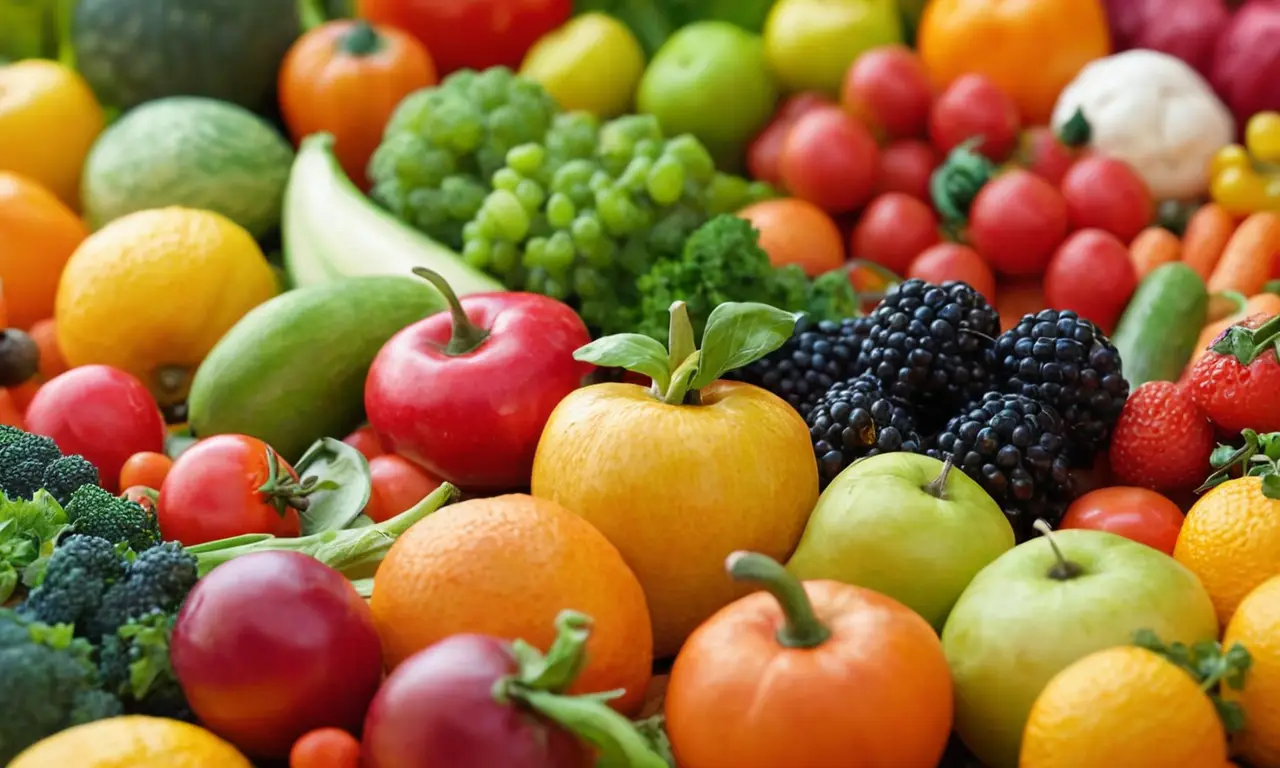
The Hidden Dangers: Fruits and Vegetables Dogs Can't Eat
As loving pet owners, we often want to share the bounty of our kitchens with our canine companions. However, not all human foods are safe for dogs, and some fruits and vegetables that are perfectly healthy for us can be toxic to our furry friends. Understanding what fruits and vegetables prohibited for dogs is crucial for their well-being and to prevent potentially life-threatening poisoning. This comprehensive guide will delve into the common and often surprising produce items that should be kept far away from your dog's reach, explaining why they are dangerous and what symptoms to watch out for. We'll explore the specific toxins involved, the severity of reactions, and provide actionable advice on how to keep your dog safe and healthy, ensuring that your desire to share doesn't inadvertently lead to harm.
𝙲𝚘𝚗𝚝𝚎𝚗𝚝
The Importance of Canine-Specific Nutrition
Before diving into the prohibited list, it's essential to understand why dogs have different dietary needs than humans. Dogs are omnivores, but their digestive systems are more geared towards processing meat. While they can digest some plant matter, their bodies are not equipped to break down certain compounds found in some fruits and vegetables, leading to toxicity. Furthermore, their metabolism and organ functions differ significantly from ours, making them more susceptible to certain toxins. Providing a balanced, commercially prepared dog food that is specifically formulated for their nutritional requirements is the safest and most effective way to ensure your dog receives all the necessary vitamins and minerals. Treats and occasional additions to their diet should be carefully considered and should always be dog-safe.
Common Fruits Prohibited for Dogs
Many fruits, while delicious and healthy for humans, pose significant risks to dogs. These risks range from mild gastrointestinal upset to severe poisoning, depending on the fruit and the quantity consumed.
Grapes and Raisins: A Deadly Combination
This is arguably the most well-known and dangerous fruit for dogs. Even a small amount of grapes or raisins can cause acute kidney failure in dogs. The exact toxic agent is still unknown, but the consequences are devastating. Symptoms can appear within a few hours and include vomiting, diarrhea, lethargy, loss of appetite, and abdominal pain. If your dog ingests grapes or raisins, contact your veterinarian immediately.
Avocados: The Persin Problem
Avocados contain a fungicidal toxin called persin. While the flesh of the avocado has a relatively low concentration of persin, the pit, skin, and leaves contain much higher amounts. Ingestion can cause vomiting and diarrhea in dogs. The pit also poses a significant choking hazard and can lead to intestinal blockage. Symptoms of persin poisoning include vomiting, diarrhea, and congestion. In severe cases, it can lead to heart congestion and even death, particularly in birds and other animals. For dogs, the risk is generally lower, but it's best to avoid feeding them any part of the avocado.
Citrus Fruits (Lemons, Limes, Oranges, Grapefruits): Acidity and Essential Oils
While small amounts of the flesh of some citrus fruits might not be overtly toxic, the high acidity can cause significant gastrointestinal upset, leading to vomiting and diarrhea. The peels and seeds contain essential oils and compounds that can be more problematic. Large quantities can be more dangerous. Symptoms of citrus ingestion can include stomach upset, diarrhea, and lethargy.
Cherries: The Cyanide Risk
The flesh of cherries is generally considered safe for dogs in small quantities, but the pits, stems, and leaves contain cyanide. Cyanide is highly toxic to dogs and can interfere with cellular respiration. If a dog chews and swallows a cherry pit, it can also lead to intestinal obstruction. Symptoms of cyanide poisoning include difficulty breathing, dilated pupils, and bright red gums. Ingestion of large quantities of leaves or pits can be fatal.
Unlock Your Dog's Health: The Power of Good FatsStone Fruits (Peaches, Plums, Apricots): A Choking and Cyanide Hazard
Similar to cherries, the pits of stone fruits like peaches, plums, and apricots contain cyanide. The pits are also a significant choking hazard and can cause dangerous intestinal blockages. If your dog eats the flesh of these fruits, it's generally not a major concern, but it's crucial to remove and discard the pits to avoid toxicity and obstruction.
Berries with Caution: Cranberries and Blueberries
While blueberries are generally considered a healthy and safe treat for dogs in moderation, cranberries can be problematic. The high acidity of cranberries can lead to stomach upset and, in large quantities, can contribute to kidney or bladder stones. Therefore, it's best to offer cranberries with extreme caution and in very small amounts, if at all.
Dangerous Vegetables for Dogs
Just as with fruits, several common vegetables can pose a threat to your dog's health. It's vital to be aware of these to prevent accidental ingestion.
Onions, Garlic, Chives, and Leeks: The Allium Family Dangers
These members of the allium family are highly toxic to dogs. They contain compounds that can damage a dog's red blood cells, leading to hemolytic anemia. This can occur through ingestion of fresh, powdered, or cooked forms of these vegetables. Even small amounts consumed regularly can build up in the system and cause harm. Symptoms include lethargy, weakness, pale gums, rapid breathing, and vomiting. Garlic is considered more potent than onions.
Potatoes (Raw and Green Parts): Solanine Toxicity
Raw potatoes contain solanine, a toxic compound that can cause gastrointestinal upset, lethargy, and neurological symptoms. The green parts of potatoes, including the sprouts and any green discoloration on the skin, are particularly high in solanine. Cooked, plain potatoes without any seasoning are generally safe for dogs in moderation, but it's best to avoid raw potatoes and any green parts.
Tomatoes and Tomato Plants: The Lycopene Concern
While ripe tomato flesh is generally considered safe for dogs in small amounts, the green parts of the tomato plant (leaves, stems, and unripe fruit) contain a substance called tomatine, which is toxic to dogs. Ingesting large quantities of the green parts can lead to gastrointestinal upset, weakness, lethargy, and even cardiac issues. It's best to err on the side of caution and avoid feeding your dog any part of the tomato plant, including unripe fruit.
Mushrooms: Unknown Toxins
Wild mushrooms are a significant risk as many varieties are highly toxic to dogs, and it's difficult for an untrained eye to distinguish between safe and poisonous ones. Even some cultivated mushrooms, if ingested in large quantities, could potentially cause digestive upset. It's best to avoid feeding your dog any type of mushroom unless specifically recommended by your veterinarian or a professional animal nutritionist.
Boost Your Dog's Coat: Best Foods for Healthy HairOther Potential Dangers to Consider
Beyond fruits and vegetables, other common food items can be harmful.
Macadamia Nuts: A Neurological Hazard
Macadamia nuts are extremely toxic to dogs. They can cause weakness, depression, vomiting, tremors, and hyperthermia. Symptoms usually appear within 12 hours of ingestion and can last for up to 24 hours.
Xylitol: The Sweet Killer
Xylitol is an artificial sweetener found in many sugar-free products, including gum, candy, baked goods, and some peanut butters. Even small amounts of xylitol can cause a rapid and dangerous drop in a dog's blood sugar (hypoglycemia) and liver failure. Symptoms include vomiting, weakness, staggering, collapse, and seizures. Always check ingredient labels carefully.
Recognizing Symptoms of Poisoning
The symptoms of poisoning can vary depending on the substance ingested and the amount consumed. However, some common signs to watch out for include:
- Vomiting
- Diarrhea
- Lethargy or extreme tiredness
- Loss of appetite
- Abdominal pain
- Difficulty breathing
- Tremors or seizures
- Pale gums
- Weakness or collapse
- Excessive drooling
What to Do If Your Dog Eats Something Harmful
If you suspect your dog has ingested any of the fruits and vegetables prohibited for dogs or other toxic substances, act immediately:
- Contact your veterinarian or an animal poison control center immediately. Be prepared to provide information about what your dog ate, how much, and when.
- Do not induce vomiting unless instructed to do so by a professional. Some substances can cause more harm if vomited.
- Try to keep your dog calm.
- Follow the advice of the veterinarian or poison control center precisely.
Prevention is Key
The best way to protect your dog from harmful foods is through prevention:
- Educate yourself and your family: Ensure everyone in the household knows which foods are dangerous for dogs.
- Store foods safely: Keep all potentially toxic fruits, vegetables, and other foods out of your dog's reach. This includes countertops, pantry shelves, and trash cans.
- Be mindful of treats: When offering treats or food scraps, always ensure they are dog-safe and given in moderation.
- Supervise your dog: When outdoors, supervise your dog to prevent them from eating unknown plants or fallen fruit.
- Read labels: When purchasing any food items, especially those marketed as "treats" or "chews," carefully read the ingredient list.
- Consult your veterinarian: If you are ever unsure about the safety of a particular food item, consult your veterinarian. They are your best resource for accurate and up-to-date information on canine nutrition and safety.
By understanding the risks associated with fruits and vegetables prohibited for dogs and taking proactive steps to prevent exposure, you can ensure your canine companion enjoys a long, healthy, and happy life, free from the dangers of accidental poisoning. Remember, their health and safety are in your hands.
The Ultimate Guide to Healthy Dog Food Choices
Festive Feasts: Top Christmas Recipes for Dogs

Dog Kidney Failure Diet: Homemade Solutions & Care Tips

Choosing the Best Dog Food: A Comprehensive Guide

Cat Hepatitis Diet: Essential Foods for Your Feline Friend
Understanding the Composition of Cat Food for Health

Obese Dog Diet: Vet-Approved Weight Loss Strategies
Related posts