
Fun Games & Activities for Your Pet Rats
Fun Games & Activities for Your Pet Rats
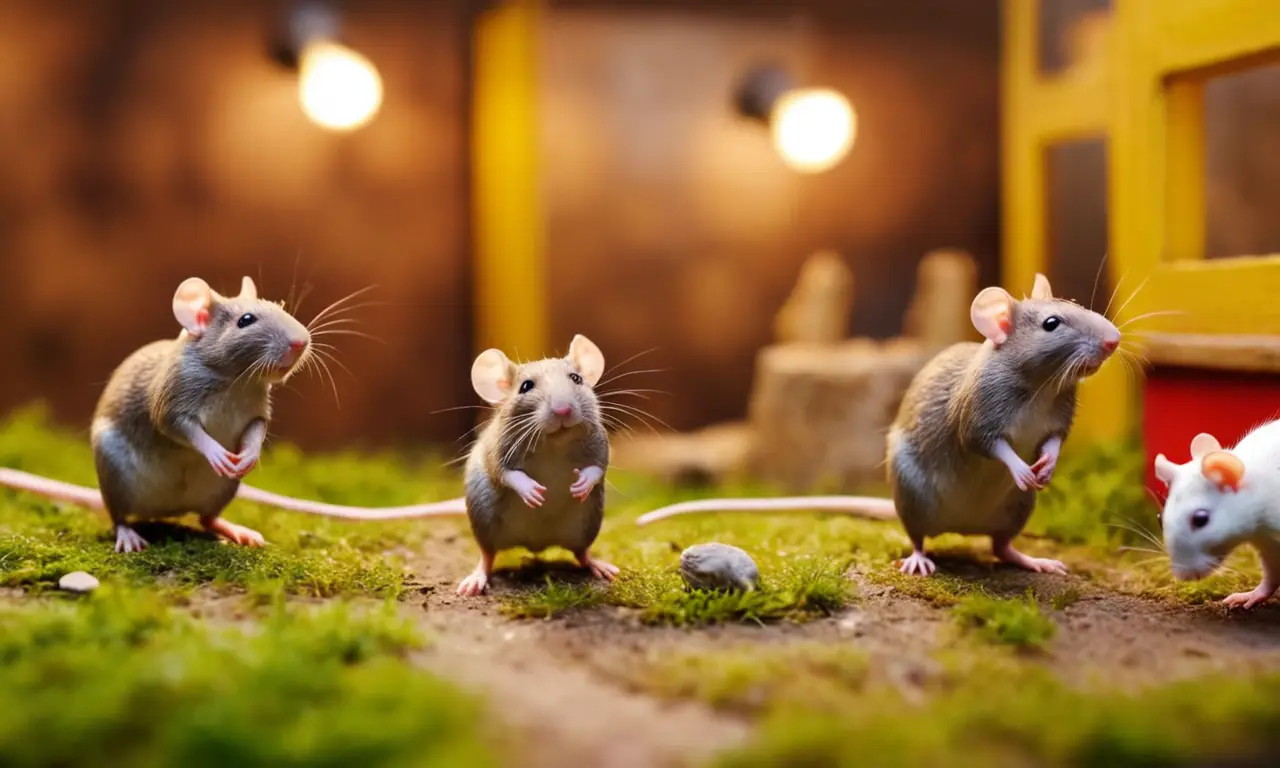
Engaging your pet rats with a variety of games and activities is crucial for their physical and mental well-being, transforming them from simple pets into interactive companions. Beyond providing basic necessities, incorporating stimulating playtime fosters a stronger bond between you and your rats, encourages natural behaviors, and prevents boredom-related issues like stress or destructive tendencies. This article delves into a comprehensive range of Games for domestic rats, exploring everything from simple enrichment ideas to more complex training exercises.
𝙲𝚘𝚗𝚝𝚎𝚗𝚝
Why Playtime is Essential for Rats
Domestic rats are intelligent, curious, and highly social creatures. In their natural environment, they are constantly foraging, exploring, and interacting. When kept as pets, it's our responsibility to replicate these stimulating conditions. Lack of enrichment can lead to a host of problems:
- Boredom and Stereotypic Behaviors: Rats confined to a sterile environment without stimulation may develop repetitive, often detrimental behaviors like over-grooming, excessive chewing on cage bars, or pacing.
- Obesity: Sedentary rats are prone to gaining weight, which can lead to various health complications. Active play burns calories and keeps them physically fit.
- Reduced Social Bonds: Interactive games strengthen the trust and affection between you and your rats, making them more comfortable with handling and interaction.
- Missed Opportunities for Training: Rats are capable of learning a surprising number of commands and tricks. Playtime is the perfect context to introduce and reinforce training.
- Deterioration of Cognitive Abilities: Just like humans, their brains need exercise. Engaging their minds through puzzles and challenges keeps them sharp and alert.
Setting the Stage for Fun: Cage Enrichment
Before diving into active games, ensuring their living space is stimulating is paramount. A well-enriched cage provides a constant source of engagement.
Creating a Multi-Level Haven
Rats love to climb and explore vertical spaces. Consider multi-level cages with platforms, ramps, and hammocks.
- Hammocks: Soft, cozy spots for napping and lounging.
- Tunnels: Cardboard tubes (toilet paper rolls, paper towel rolls), PVC pipes, or commercial fabric tunnels encourage exploration and hiding.
- Platforms: Wooden or plastic shelves at different heights offer vantage points and exercise opportunities.
- Climbing Toys: Ropes, ladders, and sturdy branches provide excellent climbing challenges.
Hideaways and Nesting Materials
Rats are prey animals and feel secure when they have places to hide. Providing ample nesting materials also satisfies their natural instinct to build.
Garlic for Deworming Pets: Safe or Risky?- Nesting Materials: Unscented toilet paper, paper towels, hay, and plain fabric scraps (avoid threads that can cause entanglement).
- Cardboard Boxes: Simple cardboard boxes with holes cut out make excellent impromptu forts.
Chew Toys for Dental Health and Entertainment
Constant chewing is a natural and necessary behavior for rats to keep their ever-growing incisors in check. Provide a variety of safe chew toys.
- Hardwood Chews: Untreated apple, pear, or willow branches (ensure they are safe and pesticide-free).
- Cardboard and Paper: Plain cardboard boxes, egg cartons, and rolled-up paper are cheap and effective.
- Rope Toys: Natural fiber ropes.
- Commercial Chew Toys: Look for those made from safe, natural materials.
Interactive Games: Bonding and Brain Stimulation
These are the activities that involve direct interaction between you and your rats, offering the greatest potential for bonding and mental stimulation.
1. The Treat Hunt / Foraging Games
This is perhaps the simplest yet most effective way to engage your rats, tapping into their natural foraging instincts.
- Scattering Treats: Simply scatter their favorite treats (small pieces of fruit, vegetables, seeds, or commercial rat treats) around their cage or play area. This encourages them to sniff, search, and explore.
- Hidden Treats: Place treats inside cardboard tubes, small boxes, or under safe objects in their play area.
- Foraging Balls/Toys: Purchase or make foraging toys where they have to manipulate the toy to get the treats out. This requires problem-solving skills.
- "Find It" Game: Hold a treat in your closed fist. Let your rat sniff your hand. When they figure out how to get it (e.g., by nudging your hand), open it. Gradually progress to hiding the treat under an overturned cup or small box and encouraging them to lift it.
2. Obstacle Courses and Agility Challenges
Challenge your rats' physical and problem-solving abilities by creating simple obstacle courses.
- Ramps and Tunnels: Arrange ramps and tunnels in a sequence.
- Hurdles: Use small cardboard boxes or toilet paper rolls as low hurdles they can jump over or go through.
- Mazes: Construct simple mazes using cardboard boxes with cut-out entrances and exits. Place a treat at the end to motivate them.
- Balance Beam: A narrow plank of wood or a sturdy ruler can act as a balance beam. Reward them for successfully crossing.
- "Step Up" Training: A fundamental agility skill. Encourage them to step onto your hand or a raised platform.
3. Ball Pit Fun
A ball pit can be incredibly stimulating for rats.
Dog Gas: Symptoms, Causes, and What To Do- DIY Ball Pit: Use a large storage container or a kiddie pool. Fill it with lightweight plastic balls (like those found in children's ball pits).
- Hide Treats: Bury treats within the balls for them to discover.
- Supervision is Key: Always supervise your rats in a ball pit to ensure they don't ingest any plastic and to prevent them from getting overwhelmed.
4. Carrier Bag/Paper Bag Exploration
Rats have a natural curiosity about rustling, crinkly things.
- Paper Bags: Plain brown paper bags (ensure no ink or glue is accessible) can provide hours of entertainment. They can shred them, hide in them, and explore.
- Carrier Bags: Large, sturdy plastic carrier bags can also be a hit, but be extremely cautious to avoid any risk of them getting their heads stuck or ingesting plastic. Always supervise closely and remove immediately if they start chewing aggressively.
5. Tunnel and Maze Exploration
Beyond basic tunnels, you can create more elaborate tunnel systems.
- Cardboard Tube Networks: Connect multiple toilet paper and paper towel rolls to create a complex network.
- Commercial Tunnels: Invest in fabric or plastic tunnels for variety.
- "Escape Room" for Rats: Set up a series of interconnected boxes and tunnels with treats strategically placed.
Training Your Rats: A Rewarding Experience
Rats are highly trainable and can learn a surprising number of commands and tricks. This type of Games for domestic rats is not only fun but also builds an incredible bond and keeps their minds sharp.
Basic Commands
- "Come" / Name Recognition: Consistently say their name or a specific cue word when offering a treat or interaction. They will quickly associate the sound with positive reinforcement.
- "Step Up": As mentioned in agility, this is crucial for handling. Gently guide them onto your hand, offering a treat as a reward.
- "Stay": Start by asking them to stay for a very short period, rewarding them for remaining in place. Gradually increase the duration.
Fun Tricks
- Spinning: Hold a treat slightly above their head and move it in a circle, encouraging them to follow it and spin. Reward them when they complete a full spin.
- Begging: Lure them into a begging position by holding a treat slightly above their head and behind them, so they have to stand on their hind legs to reach it.
- Jumping Through Hoops: Start with a hoop held very low to the ground. Lure them through with a treat. As they get comfortable, gradually raise the hoop.
- Fetching (Limited): Some rats can be trained to retrieve small, lightweight objects. This requires patience and positive reinforcement.
- Target Training: Teach them to touch a specific object (like a target stick or a colored ball) with their nose. This is a foundation for many other tricks.
Training Tips for Success
- Positive Reinforcement: Always use treats, praise, and gentle petting as rewards. Never punish or scold your rats.
- Short Sessions: Rats have short attention spans. Keep training sessions brief (5-10 minutes) and fun.
- Consistency: Use the same cues and rewards consistently.
- Patience: Some rats learn faster than others. Be patient and celebrate small successes.
- End on a High Note: Always end a training session with a successful command and a generous reward.
- Safe Environment: Ensure the training area is safe, free from hazards, and secure.
Socialization and Play with Other Rats
If you have a group of rats, ensure they have opportunities to play and interact with each other.
- Group Playtime: Allow them supervised free-roam time together in a safe, rat-proofed area.
- Shared Toys: Provide a variety of toys that multiple rats can enjoy simultaneously.
- Observe Interactions: While rats generally get along well, it's important to supervise to ensure play doesn't escalate into aggression.
Safety First: Important Considerations
When introducing Games for domestic rats, safety should always be your top priority.
Gastric Torsion in Dogs: Symptoms, Causes, & Treatment- Rat-Proofing: Ensure any area where your rats are playing outside their cage is completely safe and secure. This means covering electrical cords, removing small objects they could ingest, and ensuring there are no escape routes.
- Supervision: Never leave your rats unsupervised during playtime, especially when they are in a new environment or using new toys.
- Toxic Materials: Avoid any materials that could be toxic if ingested, such as certain plastics, treated woods, or plants. Always research the safety of any new item before giving it to your rats.
- Entanglement Hazards: Be wary of loose threads, strings, or small openings where their limbs or heads could get stuck.
- Overheating: Rats can overheat easily. Ensure playtime is in a temperature-controlled environment and provide fresh water.
- Stress Signals: Learn to recognize signs of stress in your rats, such as freezing, excessive grooming, or trying to escape. If they seem overwhelmed, end the activity and return them to their cage.
- Individual Personalities: Every rat is an individual. Some will be more adventurous and enthusiastic about play than others. Tailor activities to their comfort level and preferences.
In summary
Incorporating Games for domestic rats into their daily routine is not just about entertainment; it's an essential component of responsible pet ownership. By providing a stimulating environment, engaging in interactive play, and venturing into training, you can significantly enhance the quality of life for your pet rats. These activities foster their intelligence, maintain their physical health, and deepen the incredible bond you share, leading to happier, healthier, and more well-adjusted companions. Remember that the most important ingredient is your interaction and dedication to understanding and nurturing their unique needs.
Cat Urinary Crystals: Types, Symptoms & Treatment Guide

Cat Weight: How Do I Know If My Cat Is Fat?

Encephalitis in Dogs: Symptoms, Causes & Treatment
Dog Cavities: Causes, Symptoms, and Treatment Options
Natural Flea Relief: Home Remedies for Fleas in Cats
Newborn Puppy Feeding Guide: From Birth to Weaning
Related posts