

Gastric Torsion in Dogs: Symptoms, Causes, & Treatment
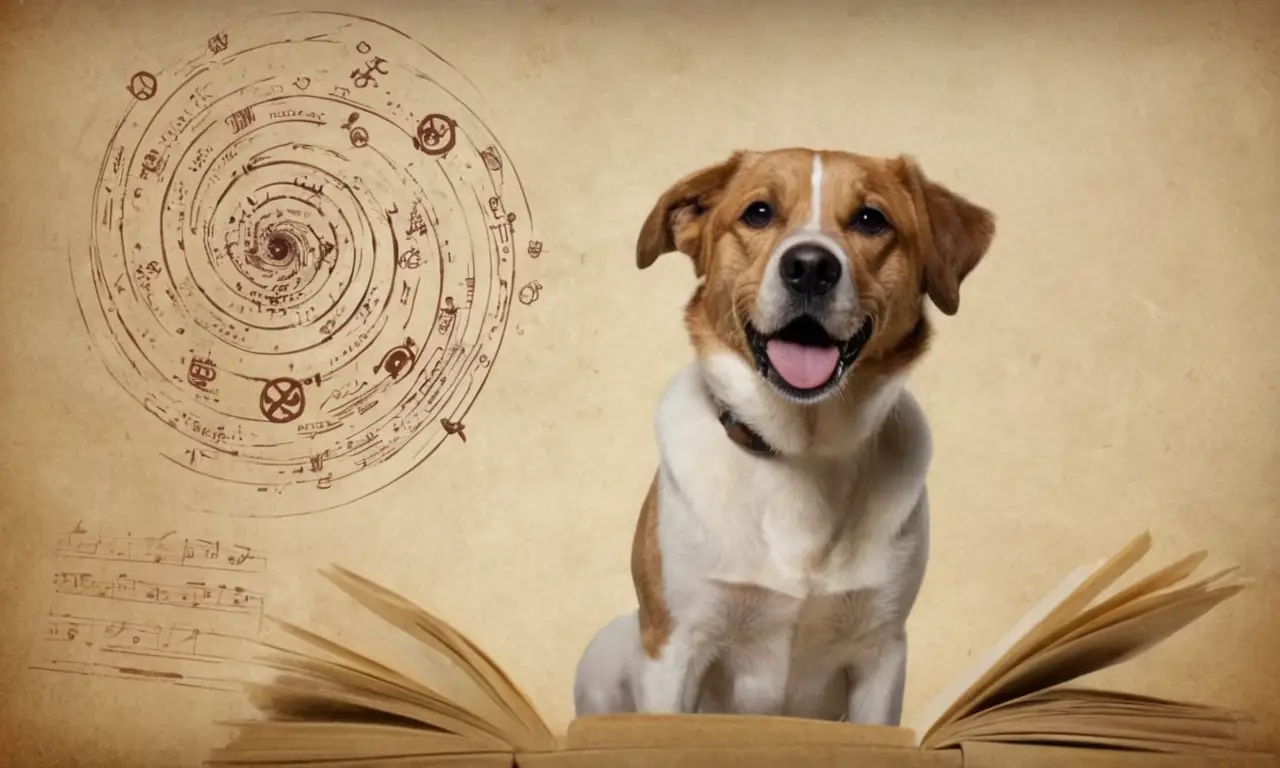
Gastric Torsion in Dogs: Symptoms, Causes, and Treatment Explained
Gastric torsion, also known as bloat or gastric dilatation-volvulus (GDV), is a life-threatening emergency for dogs that requires immediate veterinary attention. This condition involves the stomach filling with gas or fluid and then twisting, cutting off blood supply and preventing the dog from expelling the contents. Understanding the Gastric torsion in dogs - Symptoms, causes and treatment is crucial for pet owners to recognize the signs and act swiftly, potentially saving their beloved companion's life. This comprehensive article will delve into the intricacies of gastric torsion, covering its varied symptoms, underlying causes and risk factors, diagnostic approaches, immediate treatment options, and long-term management strategies.
𝙲𝚘𝚗𝚝𝚎𝚗𝚝
Understanding Gastric Dilatation-Volvulus (GDV)
Gastric dilatation-volvulus (GDV) is a severe gastrointestinal condition that affects dogs. It typically occurs in two phases, though they can happen simultaneously. The first phase is gastric dilatation, where the stomach fills with gas and/or fluid, causing it to distend significantly. This dilatation can be caused by various factors, including rapid eating, excessive air swallowing, or fermentation of food in the stomach. The second, and more dangerous, phase is volvulus, where the distended stomach twists on its axis. This twisting obstructs the esophagus and the small intestine, preventing the passage of food and gas. Crucially, it also cuts off the blood supply to the stomach and spleen, leading to tissue damage, shock, and potentially organ failure. Without prompt and aggressive veterinary intervention, GDV has a very high mortality rate.
Recognizing the Symptoms of Gastric Torsion
The symptoms of gastric torsion can manifest rapidly and escalate quickly. Owners must be hyper-vigilant for any changes in their dog's behavior or physical condition. Early recognition is paramount for a positive outcome.
Early Warning Signs:
- Restlessness and Agitation: The dog may appear uncomfortable, pacing, unable to settle, and exhibiting signs of distress.
- Excessive Drooling: An increased amount of saliva, often thicker than normal, can be a prominent sign.
- Unproductive Retching or Vomiting: The dog may attempt to vomit, but little to no material is expelled. They might heave, gag, and bring up foam or bile.
- Bloated or Distended Abdomen: The belly may appear visibly swollen or feel firm and taut to the touch. This is a direct result of the stomach filling with gas.
Advanced Symptoms Indicating Emergency:
- Pain and Discomfort: The dog may whine, yelp, or show reluctance to be touched, especially around the abdomen. They might stand in a hunched position.
- Rapid Breathing (Dyspnea): The dog will breathe very quickly and shallowly, indicating difficulty in respiration and potentially shock.
- Pale Gums: The gums, normally pink, may turn pale or even bluish, a sign of poor circulation and shock.
- Weakness and Lethargy: The dog may become extremely weak, collapse, and show little to no interest in their surroundings.
- Increased Heart Rate: The heart will beat much faster than usual in an attempt to compensate for shock.
- Collapse: In the most severe stages, the dog may lose consciousness and collapse.
It's important to note that not all dogs will exhibit every symptom, and the severity can vary. However, any combination of these signs, especially unproductive retching and a distended abdomen, should be treated as a critical emergency.
Causes and Risk Factors for Gastric Torsion
While the exact mechanism of GDV can be complex and sometimes idiopathic (unknown cause), several factors are known to increase a dog's risk.
Breed Predisposition:
Certain breeds are genetically more susceptible to developing GDV. These are typically large and giant breeds with deep, narrow chests.
- Great Danes
- Weimaraners
- Standard Poodles
- Saint Bernards
- German Shepherds
- Doberman Pinschers
- Boxers
- Basset Hounds
Age:
Older dogs are generally at a higher risk than younger dogs.
Sex:
Male dogs may have a slightly higher predisposition than female dogs.
Gastric Ulcers in Dogs: Symptoms, Causes & TreatmentDietary Factors:
- Eating Habits: Dogs that eat one large meal per day are at higher risk than those fed multiple smaller meals. Similarly, dogs that eat rapidly tend to swallow more air, increasing stomach distension.
- Type of Food: While controversial and still debated, some studies suggest that diets with a high proportion of oil or fat, or those containing acidic ingredients, might increase risk. Dry kibble diets, especially those that expand significantly when wet, have also been implicated.
- Food Amount: Overfeeding can contribute to stomach distension.
Lifestyle and Activity:
- Post-Meal Exercise: Allowing strenuous exercise, running, or rough play shortly after a meal is a significant risk factor. The stomach, full of food and potentially gas, can be more easily "flopped" or twisted.
- Stress: Stressful situations can lead to increased air swallowing and gastrointestinal upset.
Previous History:
Dogs that have experienced bloat in the past have a significantly increased risk of recurrence.
Genetic Factors:
There may be underlying genetic predispositions within certain bloodlines that increase susceptibility.
Diagnosis of Gastric Torsion
Upon arrival at the veterinary clinic, prompt and accurate diagnosis is critical. A veterinarian will typically perform a thorough physical examination and may recommend several diagnostic tests.
Physical Examination:
The veterinarian will assess the dog's overall condition, checking for signs of shock, pain, and abdominal distension. Palpation of the abdomen will reveal firmness and distension.
Radiographs (X-rays):
This is the most definitive diagnostic tool for GDV. Abdominal radiographs will clearly show the distended stomach and, importantly, whether it has twisted. The characteristic "C" or "J" shape of the stomach on a radiograph is indicative of volvulus.
Bloodwork:
Complete blood count (CBC) and chemistry panel are essential to assess the dog's overall health, identify any organ damage (e.g., kidneys, liver), and check for signs of infection or electrolyte imbalances.
Electrocardiogram (ECG):
GDV can affect heart rhythm, so an ECG may be performed to monitor for arrhythmias, which are common and can complicate treatment.
Abdominal Ultrasound:
In some cases, ultrasound may be used to further evaluate the stomach and surrounding organs, especially if radiographs are inconclusive or to assess for fluid accumulation.
Cat Gastritis: Signs, Causes, & Effective Treatment StrategiesTreatment of Gastric Torsion
Gastric torsion is a surgical emergency. The primary goals of treatment are to decompress the stomach, correct the twist, assess and repair any damaged tissue, and stabilize the dog.
Emergency Stabilization:
- Intravenous Fluids: Aggressive fluid therapy is crucial to combat shock and maintain hydration.
- Pain Management: Analgesics are administered to alleviate the severe pain associated with GDV.
- Oxygen Therapy: Supplemental oxygen may be provided to improve oxygenation.
- Antibiotics: Antibiotics are often administered to prevent infection, especially if tissue damage has occurred.
Decompression of the Stomach:
Before surgery, it's vital to relieve the pressure within the stomach. This can be achieved through:
- Nasogastric Tube: A tube is passed down the esophagus into the stomach to release gas and fluid.
- Orogastric Tube: Similar to a nasogastric tube, but passed through the mouth.
- Trocarization/Gastrocentesis: If other methods are unsuccessful or too slow, a large bore needle is inserted through the abdominal wall into the stomach to rapidly release gas. This is a temporary measure to stabilize the dog for surgery.
Surgical Intervention:
Surgery is the definitive treatment for GDV.
- Exploratory Laparotomy: The abdomen is opened to visualize the stomach, intestines, and other organs.
- Untwisting the Stomach: The surgeon carefully untwists the stomach to restore blood flow.
- Assessing Stomach Viability: The surgeon will examine the stomach wall for signs of necrosis (tissue death) due to lack of blood supply. If sections of the stomach are non-viable, they may need to be surgically removed (gastrectomy).
- Gastropexy: This is a critical surgical procedure performed in conjunction with untwisting the stomach. The stomach is permanently tacked to the abdominal wall. This prevents the stomach from twisting again in the future, significantly reducing the risk of recurrence. There are several methods of gastropexy, including belt-loop gastropexy, incisional gastropexy, and tube gastropexy.
Post-Operative Care:
Post-operative care is intensive and crucial for recovery.
- Hospitalization: Dogs require hospitalization for several days, often in an intensive care unit (ICU).
- Continued Fluid Therapy and Pain Management: These are continued as needed.
- Dietary Management: A carefully controlled diet is introduced gradually, starting with small, bland meals.
- Monitoring for Complications: Close monitoring for complications such as pancreatitis, arrhythmias, infection, and delayed gastric emptying is essential.
- Antibiotics: Continued antibiotic therapy may be necessary.
Prevention and Long-Term Management
While not all cases of GDV can be prevented, certain strategies can help reduce the risk.
Dietary Modifications:
- Multiple Small Meals: Feed your dog 2-3 smaller meals per day rather than one large meal.
- Slow Feeding: Use slow-feeder bowls or puzzle toys to prevent rapid eating and air swallowing.
- Avoid Exercise Before and After Meals: Do not allow strenuous activity for at least one hour before and two hours after eating.
- Consider Food Type: Discuss your dog's diet with your veterinarian. Some owners opt for therapeutic diets or foods with different kibble sizes, though evidence for some of these strategies is not always conclusive.
- Avoid Bloat-Promoting Foods: While research is ongoing, it's prudent to be cautious with foods known to cause excessive gas or fermentation.
Prophylactic Gastropexy:
For breeds with a high predisposition to GDV, particularly giant breeds, a prophylactic gastropexy can be performed. This surgery is often done laparoscopically (minimally invasively) at the time of spaying or neutering. It creates a permanent attachment of the stomach to the abdominal wall, preventing the twisting motion. This is a highly effective preventative measure.
Regular Veterinary Check-ups:
Regular veterinary visits are important for monitoring your dog's overall health and discussing any concerns about their diet or lifestyle that might increase their risk of GDV.
Prognosis for Gastric Torsion
The prognosis for dogs experiencing gastric torsion is highly dependent on several factors:
Gastritis in Dogs: Symptoms, Causes & Effective Treatments- Timeliness of Treatment: The sooner the dog receives veterinary attention and surgery, the better the chance of survival. Delays significantly worsen the prognosis.
- Severity of the GDV: If the stomach has undergone significant tissue damage or if the spleen is affected, the prognosis is poorer.
- Presence of Complications: Arrhythmias, pancreatitis, and organ damage can all negatively impact the outcome.
- Overall Health of the Dog: Younger, healthier dogs tend to recover better.
With prompt diagnosis and aggressive surgical intervention, many dogs can survive GDV. However, it is a serious condition with a significant risk of mortality even with the best care. Dogs that survive often require long-term management, including dietary adjustments and careful monitoring.
In summary
Gastric torsion in dogs - Symptoms, causes and treatment is a critical topic for any dog owner, especially those with large or giant breed dogs. Recognizing the subtle and rapidly progressing symptoms is the first and most crucial step in seeking immediate veterinary care. Understanding the risk factors can help owners implement preventative measures to protect their canine companions. While GDV is a frightening condition, prompt recognition, rapid diagnosis, and aggressive surgical treatment offer the best chance of survival. The inclusion of a gastropexy is essential for preventing recurrence and ensuring a better long-term quality of life for affected dogs. Always err on the side of caution; if you suspect your dog may be suffering from gastric torsion, do not hesitate to contact your veterinarian or an emergency animal hospital immediately. Time is of the essence in this life-threatening emergency.
Cat Urinary Crystals: Types, Symptoms & Treatment Guide
Cat Weight: How Do I Know If My Cat Is Fat?
Encephalitis in Dogs: Symptoms, Causes & Treatment
Dog Cavities: Causes, Symptoms, and Treatment Options
Natural Flea Relief: Home Remedies for Fleas in Cats

Newborn Puppy Feeding Guide: From Birth to Weaning
Related posts