
Giant Schnauzer: The Majestic German Guard Dog & Family Companion
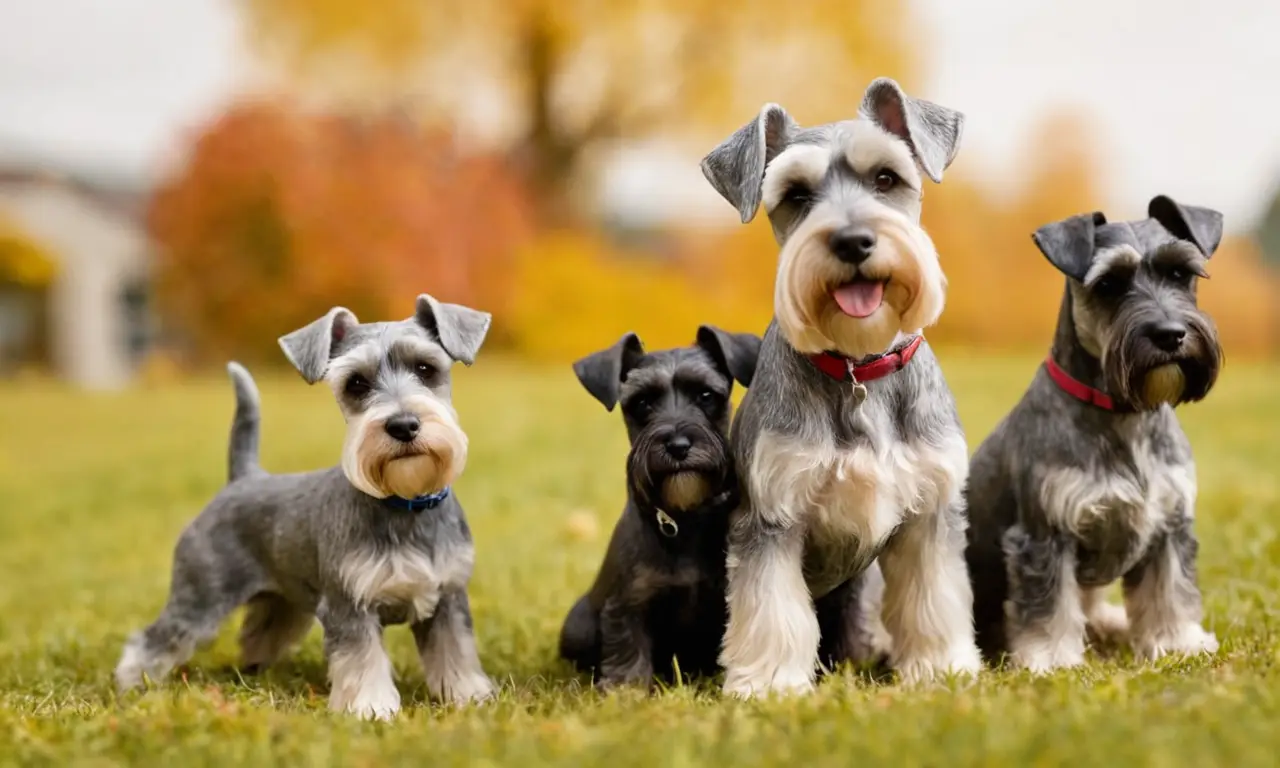
Giant Schnauzer: The Majestic German Guard Dog & Family Companion
The Giant Schnauzer, the German guard dog, is a breed that commands respect and admiration. Renowned for its imposing presence, unwavering loyalty, and intelligence, this magnificent canine is far more than just a formidable protector; it's a devoted family member. This article delves deep into the essence of the Giant Schnauzer, exploring its history, temperament, care needs, training, and why it continues to capture the hearts of dog enthusiasts worldwide.
𝙲𝚘𝚗𝚝𝚎𝚗𝚝
- A Storied Past: Origins and Purpose
- Temperament: A Duality of Power and Devotion
- Physical Characteristics: Imposing and Athletic
- Care and Grooming: A Commitment to Coat Health
- Training and Socialization: Building a Well-Rounded Companion
- Health Considerations: A Robust Breed
- The Giant Schnauzer as a Family Pet
- In summary: A Noble Guardian and Loyal Friend
A Storied Past: Origins and Purpose
The Giant Schnauzer's lineage is deeply rooted in Bavaria, Germany. Developed in the mid-19th century, this breed was not an accidental creation but a deliberate effort to produce a superior working dog. Farmers and butchers needed a robust, agile, and intelligent dog to drive cattle to market, guard property, and protect their owners. They looked to existing Schnauzer types and likely crossbred them with larger, more powerful breeds such as the Great Dane and perhaps even German Shepherds and Bouviers des Flandres. The result was a dog possessing the keen senses and alertness of the standard Schnauzer, coupled with the strength, endurance, and size needed for more demanding tasks.
Initially known as the "Münchener" or "Munich Schnauzer," the breed's distinctive appearance and capabilities quickly garnered attention. Their ability to perform a wide array of duties, from herding to guarding, made them invaluable assets in agricultural and urban settings. As their utility became recognized, they were further refined, leading to the distinct breed we know today. The name "Schnauzer" itself is derived from the German word "Schnauze," meaning "snout" or "muzzle," a nod to the breed's characteristic bearded muzzle. The "Giant" designation clearly signifies its impressive stature compared to its smaller relatives, the Standard and Miniature Schnauzer.
Temperament: A Duality of Power and Devotion
The Giant Schnauzer, the German guard dog, possesses a complex and captivating temperament. At its core lies an inherent protectiveness and a strong desire to safeguard its family and territory. This doesn't manifest as aggressive, indiscriminate barking or an attack-ready stance; rather, it's a calm, watchful alertness. They are natural sentinels, possessing an almost uncanny ability to sense potential threats and alert their owners with a deep, resonant bark.
Beneath this protective exterior lies a highly intelligent and trainable dog. Giant Schnauzers are eager to please and thrive on mental stimulation. They are often described as having a "doggy sense of humor" and can be quite playful and affectionate with their families. However, their intelligence also means they require consistent guidance and clear leadership. They are not a breed for the novice owner who is unwilling to invest time in training and socialization.
Key temperament traits include:
Ginger for Dogs: Dosage & Benefits for Canine Health- Loyalty: Unwavering devotion to their family is a hallmark of the breed. They form strong bonds and often consider themselves integral members of the household pack.
- Courage: Facing challenges head-on is in their nature. They are brave dogs, not easily intimidated.
- Intelligence: This breed is exceptionally smart, capable of learning complex commands and problem-solving. This also means they can become bored or destructive if not mentally stimulated.
- Watchfulness: They are natural guardians, possessing a keen awareness of their surroundings and an instinct to protect.
- Affectionate (with family): While they may appear stern to outsiders, Giant Schnauzers are often deeply loving and demonstrative with their loved ones.
- Dominant tendencies (if not properly managed): Like many intelligent and powerful breeds, they can exhibit dominant behaviors if they perceive a lack of leadership. Early and consistent training is crucial.
- Sociability (with proper socialization): While initially reserved with strangers, with early and ongoing socialization, they can learn to be well-mannered around new people and animals.
Physical Characteristics: Imposing and Athletic
The Giant Schnauzer is a substantial dog, built for power and agility. They are the largest of the three Schnauzer breeds, standing imposslngly tall and possessing a muscular, robust physique.
- Size: Males typically stand 26 to 28 inches at the shoulder, while females are slightly smaller at 24 to 26 inches.
- Weight: Adult males can weigh between 70 to 100 pounds, with females ranging from 60 to 90 pounds.
- Build: They have a square, powerful frame, with a strong back and deep chest. Their movement is free, powerful, and graceful.
- Head: The head is strong and rectangular, with a prominent stop and a powerful muzzle that is covered by a characteristic beard and eyebrows.
- Coat: The Giant Schnauzer sports a dense, wiry, and weather-resistant double coat. The outer coat is harsh and straight, while the undercoat is soft. The coat requires regular grooming to prevent matting and maintain its distinctive appearance. Common colors include solid black and salt and pepper.
- Eyes: Their eyes are dark, almond-shaped, and expressive, conveying intelligence and alertness.
- Ears: Traditionally, ears were cropped to stand erect, but in many countries, this practice is now illegal. Uncropped ears are typically folded forward.
- Tail: The tail is often docked in countries where permitted, carried high and straight. Undocked tails are natural and taper to a point.
Care and Grooming: A Commitment to Coat Health
The distinctive coat of the Giant Schnauzer, the German guard dog, is a defining feature but also requires dedicated care.
- Brushing: Regular brushing, at least 2-3 times a week, is essential to prevent matting and remove loose undercoat. A slicker brush and a metal comb are good tools for this.
- Stripping/Trimming: The wiry coat needs regular grooming. Many owners opt for hand-stripping twice a year to maintain the coat's texture and health. Alternatively, professional grooming or regular clipping is necessary, typically every 6-8 weeks. Clipping will soften the coat texture over time, but it's a more manageable option for many.
- Bathing: Baths should be infrequent, only when necessary, using a quality dog shampoo. Over-bathing can strip the natural oils from their coat.
- Nail Trimming: Regular nail trimming is important to prevent overgrowth and discomfort.
- Ear Cleaning: Check and clean ears regularly to prevent infections, especially if the ears are floppy.
- Dental Care: Regular teeth brushing helps maintain good oral hygiene.
Beyond grooming, Giant Schnauzers have moderate exercise needs. They require daily walks, playtime, and opportunities to run in a securely fenced area. A bored Giant Schnauzer can become a destructive Giant Schnauzer, so mental stimulation through training, puzzle toys, and interactive games is also crucial.
Training and Socialization: Building a Well-Rounded Companion
The intelligence and eagerness to please of the Giant Schnauzer, the German guard dog, make them highly trainable. However, their independent spirit and potential for dominance mean that training must begin early and be consistent.
- Early Socialization: Exposing your Giant Schnauzer puppy to a wide variety of sights, sounds, people, and other well-behaved animals from a young age is paramount. This helps them grow into confident, well-adjusted adults who are less prone to fear or reactivity.
- Obedience Training: Positive reinforcement methods are most effective. Classes with a qualified trainer are highly recommended. Focus on basic commands like "sit," "stay," "come," and "leave it."
- Leash Training: Due to their strength, proper leash manners are essential. They should walk politely on a leash without pulling.
- Bite Inhibition: Teaching puppies to control the force of their bite during play is important.
- Consistency: Owners must be consistent with rules and expectations. Mixed signals can confuse a smart dog.
- Leadership: Establish yourself as the calm, confident leader. This doesn't mean being harsh or aggressive, but rather being firm, fair, and consistent.
Giant Schnauzers excel in various dog sports, such as agility, obedience trials, and protection sports, which provide both physical and mental challenges.
Health Considerations: A Robust Breed
Giant Schnauzers are generally a healthy and robust breed. However, like all breeds, they are predisposed to certain genetic health conditions. Responsible breeders will screen their breeding stock for these issues.
Gingivitis in Cats: Causes, Symptoms, and TreatmentCommon health concerns include:
- Hip Dysplasia: A common condition in large breeds where the hip joint doesn't develop properly.
- Bloat (Gastric Dilatation-Volvulus or GDV): A life-threatening condition where the stomach fills with gas and can twist. Feeding smaller meals, avoiding exercise immediately after eating, and using slow feeders can help mitigate the risk.
- Heart Conditions: Certain heart issues can affect the breed.
- Eye Conditions: Such as Progressive Retinal Atrophy (PRA).
- Hypothyroidism: A condition where the thyroid gland doesn't produce enough hormones.
- Cancer: Various forms of cancer can occur in the breed.
Regular veterinary check-ups, a balanced diet, and appropriate exercise are crucial for maintaining the health and longevity of your Giant Schnauzer.
The Giant Schnauzer as a Family Pet
While their guarding instincts are undeniable, the Giant Schnauzer, the German guard dog, can be an exceptional family pet. They are deeply devoted to their families and can form strong bonds with children, provided they are raised together and the children are taught to respect the dog. Their protective nature means they will watch over their young human companions.
However, due to their size and strength, supervision is always recommended when very young children are interacting with them. Their boisterous play can sometimes be overwhelming for toddlers.
They are not typically suited for apartment living unless their exercise and mental stimulation needs are rigorously met. A home with a securely fenced yard is ideal.
In summary: A Noble Guardian and Loyal Friend
The Giant Schnauzer, the German guard dog, is a breed that embodies strength, intelligence, and loyalty. They are a commitment, requiring dedicated owners who are willing to invest time in training, socialization, and grooming. For the right family, a Giant Schnauzer is not just a pet; it's a steadfast protector, an intelligent companion, and a cherished member of the household. Their imposing presence is matched only by their profound capacity for love and devotion, making them a truly remarkable canine breed.
Gingivitis in Dogs: Causes, Symptoms, and Treatment Guide
Cat Urinary Crystals: Types, Symptoms & Treatment Guide
Cat Weight: How Do I Know If My Cat Is Fat?

Encephalitis in Dogs: Symptoms, Causes & Treatment
Dog Cavities: Causes, Symptoms, and Treatment Options

Natural Flea Relief: Home Remedies for Fleas in Cats
Newborn Puppy Feeding Guide: From Birth to Weaning
Related posts