

Goldfish Aquarium: Your Ultimate Guide to a Thriving Habitat
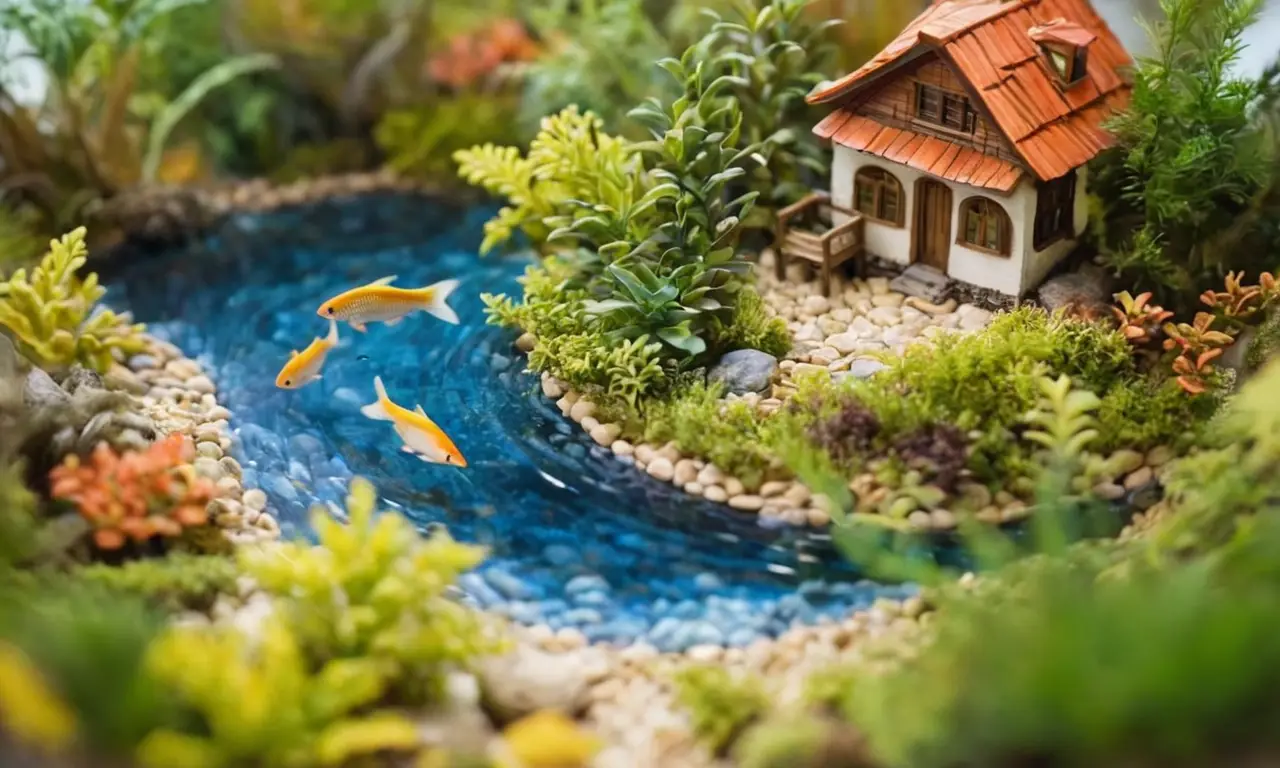
Goldfish Aquarium: Your Ultimate Guide to a Thriving Habitat
Creating a successful and vibrant goldfish aquarium is a rewarding experience that requires understanding the specific needs of these fascinating aquatic pets. Often mistakenly perceived as low-maintenance, goldfish, in reality, thrive best in well-maintained environments that mimic their natural habitats. This comprehensive guide will delve into every crucial aspect of setting up and maintaining an optimal goldfish aquarium, from tank size and filtration to feeding and disease prevention, ensuring your finned friends live long, healthy, and happy lives.
𝙲𝚘𝚗𝚝𝚎𝚗𝚝
- Understanding Goldfish Needs: More Than Just a Bowl
- Tank Setup: The Foundation of a Healthy Aquarium
- Water Parameters: The Invisible Environment
- Feeding Your Goldfish: Nutrition and Prevention
- Goldfish Health: Prevention and Recognition
- Enrichment and Behavior: A Happy Goldfish
- In summary: A Thriving Goldfish Aquarium
Understanding Goldfish Needs: More Than Just a Bowl
The common misconception of goldfish living in small, unfiltered bowls is detrimental to their well-being. Goldfish are not ornamental fish suited for such cramped conditions. They grow surprisingly large, are prolific waste producers, and require ample swimming space and clean water to flourish. Understanding their biological requirements is the first step towards providing them with a suitable home.
- Size and Growth: Common goldfish can grow to over a foot in length, while fancy varieties, though typically smaller, still require significant space. A 20-gallon tank is considered the absolute minimum for a single fancy goldfish, with an additional 10 gallons recommended for each subsequent fish. For common goldfish, a 50-gallon tank is a starting point, and much larger tanks are ideal as they mature.
- Waste Production: Goldfish are notorious for being "messy" eaters and heavy waste producers. Their excrement contains high levels of ammonia, which is toxic to fish. A robust filtration system is paramount for their survival.
- Water Quality: Maintaining pristine water parameters is non-negotiable. Ammonia, nitrite, and nitrate levels must be kept at or near zero. Regular water changes are essential to dilute accumulated nitrates and replenish essential minerals.
- Oxygenation: Goldfish require well-oxygenated water. The surface of the water needs to be agitated to facilitate gas exchange.
Tank Setup: The Foundation of a Healthy Aquarium
The physical environment of your goldfish aquarium plays a pivotal role in their health and happiness. Careful planning and the right equipment are essential.
Choosing the Right Tank
- Size Matters: As emphasized, a larger tank is always better. Avoid small bowls and tanks under 20 gallons for any type of goldfish. Consider the adult size of the specific goldfish breed you intend to keep.
- Shape: While traditional rectangular tanks are most common, consider the benefits of wider tanks for increased surface area for gas exchange.
- Material: Glass and acrylic are the most common materials. Glass is more scratch-resistant, while acrylic is lighter and less prone to shattering.
Filtration: The Heartbeat of Your Aquarium
A powerful and efficient filtration system is arguably the most critical component of a goldfish aquarium. Goldfish produce a significant bioload, meaning a lot of waste that needs to be processed to keep the water safe.
Goldfish Feeding: A Comprehensive Guide for Healthy Pets- Types of Filters:
- Hang-on-Back (HOB) Filters: These are popular for their ease of use and effectiveness for smaller to medium-sized tanks. Ensure the flow rate is sufficient for your tank size.
- Canister Filters: These are the gold standard for larger tanks and goldfish due to their high capacity and multi-stage filtration capabilities. They offer superior mechanical, chemical, and biological filtration.
- Sponge Filters: Often used as a supplementary filter or in smaller setups, they are excellent for biological filtration and provide gentle water flow.
- Filtration Stages:
- Mechanical Filtration: Removes solid waste particles (fish food, poop, debris) using sponges or filter floss. This needs to be cleaned or replaced regularly.
- Chemical Filtration: Utilizes activated carbon or other media to remove dissolved impurities, odors, and discoloration from the water. This media needs periodic replacement.
- Biological Filtration: This is the most crucial stage. It houses beneficial bacteria (Nitrosomonas and Nitrobacter) that convert toxic ammonia into less harmful nitrates. This media should never be rinsed with tap water, as chlorine will kill the beneficial bacteria. Use dechlorinated water or old tank water.
- Over-filtration: It's always better to have a filter rated for a larger tank than the one you have. This ensures optimal water quality.
Substrate: Not Just for Looks
The substrate at the bottom of your goldfish aquarium serves multiple purposes, from aesthetics to providing a home for beneficial bacteria.
- Gravel: A common choice, but larger goldfish can ingest small pebbles, leading to impaction. If using gravel, opt for larger, smooth-edged varieties, or consider a gravel vacuum for regular cleaning.
- Sand: A good option, especially for goldfish that might sift through the substrate. It can also harbor beneficial bacteria.
- Bare Bottom: While not aesthetically pleasing to everyone, a bare-bottom tank makes cleaning incredibly easy and reduces hiding places for debris and parasites.
Décor and Aeration
- Plants: Live plants can be beneficial for water quality and provide enrichment for goldfish, but some goldfish are prone to uprooting or eating them. Choose hardy, fast-growing plants. Artificial plants are a safe alternative.
- Decorations: Ensure any decorations are smooth and free of sharp edges that could injure your goldfish. Avoid anything that could leach harmful chemicals into the water.
- Aeration: An air stone connected to an air pump is highly recommended for increased oxygenation, especially in tanks with strong filtration that might create a lot of surface disturbance.
Water Parameters: The Invisible Environment
Maintaining the correct water parameters is crucial for the health and longevity of your goldfish. Regular testing and immediate correction of any issues are vital.
- Temperature: Goldfish are coldwater fish and prefer cooler temperatures, typically between 65-72°F (18-22°C). Avoid rapid temperature fluctuations. Heaters are generally not needed unless your ambient room temperature consistently drops below this range.
- pH: Goldfish are adaptable to a range of pH levels, but a stable pH between 7.0 and 7.8 is ideal. Fluctuations can stress the fish.
- Ammonia (NH₃): This is highly toxic and should always be at 0 ppm.
- Nitrite (NO₂⁻): Also highly toxic and should always be at 0 ppm.
- Nitrate (NO₃⁻): The end product of the nitrogen cycle. While less toxic than ammonia and nitrite, high levels can be harmful over time. Aim for below 40 ppm, with lower being better.
- Water Testing: Invest in a good quality liquid test kit (like the API Freshwater Master Test Kit) to accurately measure these parameters. Test strips are less accurate.
The Nitrogen Cycle: Essential for a Healthy Aquarium
Before introducing goldfish to your goldfish aquarium, it must be "cycled." This process establishes the beneficial bacteria necessary to break down toxic ammonia and nitrite.
- Ammonia Source: Add an ammonia source (fish food, pure ammonia solution) to the tank.
- Ammonia Spike: Ammonia levels will rise.
- Nitrite Spike: As bacteria colonize, ammonia levels will drop, and nitrite levels will rise.
- Nitrate Rise: As a second type of bacteria establishes, nitrite levels will drop, and nitrate levels will rise.
- Cycle Complete: Once ammonia and nitrite consistently read 0 ppm, and nitrates are present, the tank is cycled. This process can take 4-8 weeks.
Water Changes: Regular Maintenance for Optimal Health
Regular water changes are the cornerstone of good goldfish aquarium maintenance.
Great Dane: The Gentle Giant Dog Breed Explained- Frequency: Aim for weekly water changes.
- Amount: Change 20-30% of the tank water each week. Larger, more frequent changes may be necessary for heavily stocked tanks or if water parameters are consistently high.
- Dechlorination: Always use a high-quality water conditioner to remove chlorine and chloramines from tap water, as these are deadly to fish and beneficial bacteria.
- Temperature Matching: Try to match the temperature of the new water to the tank water to avoid shocking your fish.
Feeding Your Goldfish: Nutrition and Prevention
Proper feeding is vital for the health and appearance of your goldfish. Overfeeding is a common mistake that can lead to health problems and poor water quality.
Diet Composition
- Pellets or Flakes: High-quality goldfish-specific pellets or flakes should form the base of their diet. Look for brands with high protein content and essential vitamins and minerals.
- Vegetables: Goldfish are omnivores and benefit from occasional servings of blanched vegetables like peas (shelled), spinach, or zucchini. These act as natural laxatives and can help prevent constipation.
- Live or Frozen Foods: Brine shrimp, daphnia, or bloodworms can be offered as occasional treats, providing variety and enrichment. Ensure they are from a reputable source.
Feeding Practices
- Frequency: Feed your goldfish once or twice a day.
- Amount: Only feed what they can consume in 2-3 minutes. Remove any uneaten food after this period.
- Soaking Pellets: Fancy goldfish, especially those with telescopic eyes, can ingest air while eating floating foods, leading to buoyancy problems. Soaking pellets in tank water before feeding can help prevent this.
- Variety: Offer a varied diet to ensure they receive all necessary nutrients.
Goldfish Health: Prevention and Recognition
A well-maintained goldfish aquarium is the best defense against disease. However, recognizing the early signs of illness and acting swiftly is crucial.
Common Goldfish Diseases
- Ich (White Spot Disease): Characterized by tiny white spots on the body and fins, resembling salt grains. It's caused by a parasite and is often triggered by stress or poor water quality.
- Fin Rot: A bacterial infection that causes fins to appear frayed, tattered, or even disintegrate. Poor water quality is a primary cause.
- Dropsy: A serious condition characterized by a swollen belly and scales that stick out like a pinecone. It's often a symptom of internal organ failure, usually due to a bacterial infection.
- Swim Bladder Disease: Affects the goldfish's ability to control buoyancy, leading to floating, sinking, or swimming sideways. This can be caused by overfeeding, constipation, or poor diet.
- Fungal Infections: Can appear as cottony patches on the body or fins.
Prevention is Key
- Maintain Excellent Water Quality: This is the most important factor in preventing disease.
- Quarantine New Fish: Always quarantine new fish in a separate tank for at least 4 weeks before introducing them to your main goldfish aquarium to prevent the spread of diseases.
- Avoid Overcrowding: Overcrowding stresses fish and makes them more susceptible to illness.
- Proper Diet: A balanced diet contributes to a strong immune system.
- Observe Your Fish Regularly: Get to know your fish's normal behavior and appearance. Any changes can be an early indicator of a problem.
Treating Illness
If you suspect your goldfish is ill, it's crucial to act quickly.
- Test Water Parameters: Always start by testing your water. Often, poor water quality is the root cause.
- Isolate Sick Fish: If possible, move the sick fish to a quarantine or hospital tank for treatment to prevent the spread of illness to other fish.
- Consult a Veterinarian or Experienced Aquarist: For diagnosis and treatment recommendations, seek advice from a professional.
- Medications: Use fish medications cautiously and follow the instructions precisely. Overuse or incorrect dosage can be harmful.
Enrichment and Behavior: A Happy Goldfish
Beyond basic care, providing enrichment for your goldfish can significantly improve their quality of life in their goldfish aquarium.
Expert Guide: Green Iguana Feeding for Optimal Health- Tank Mates: Goldfish are best kept with other goldfish of similar size and temperament. Avoid mixing them with tropical fish due to differing temperature and water parameter needs. Some individuals may attempt to eat smaller fish.
- Exploration: Provide a varied environment with different textures and levels for them to explore.
- Feeding Time: Make feeding time engaging. Use food dispensers or scatter food to encourage natural foraging behavior.
- Observation: Simply observing your goldfish's natural behaviors can be a source of great enjoyment and provide insights into their well-being.
In summary: A Thriving Goldfish Aquarium
Establishing and maintaining a thriving goldfish aquarium is a commitment that goes far beyond the superficial. By understanding their complex needs for space, pristine water, and a balanced diet, you can create an environment where your goldfish can truly flourish. Dedication to regular maintenance, keen observation, and a willingness to learn will reward you with the sight of these beautiful and intelligent creatures living long, healthy, and vibrant lives. Remember, a happy goldfish is a testament to a well-managed aquarium.
Cat Urinary Crystals: Types, Symptoms & Treatment Guide

Cat Weight: How Do I Know If My Cat Is Fat?

Encephalitis in Dogs: Symptoms, Causes & Treatment

Dog Cavities: Causes, Symptoms, and Treatment Options

Natural Flea Relief: Home Remedies for Fleas in Cats

Newborn Puppy Feeding Guide: From Birth to Weaning
Related posts