

Goldfish Feeding: A Comprehensive Guide for Healthy Pets
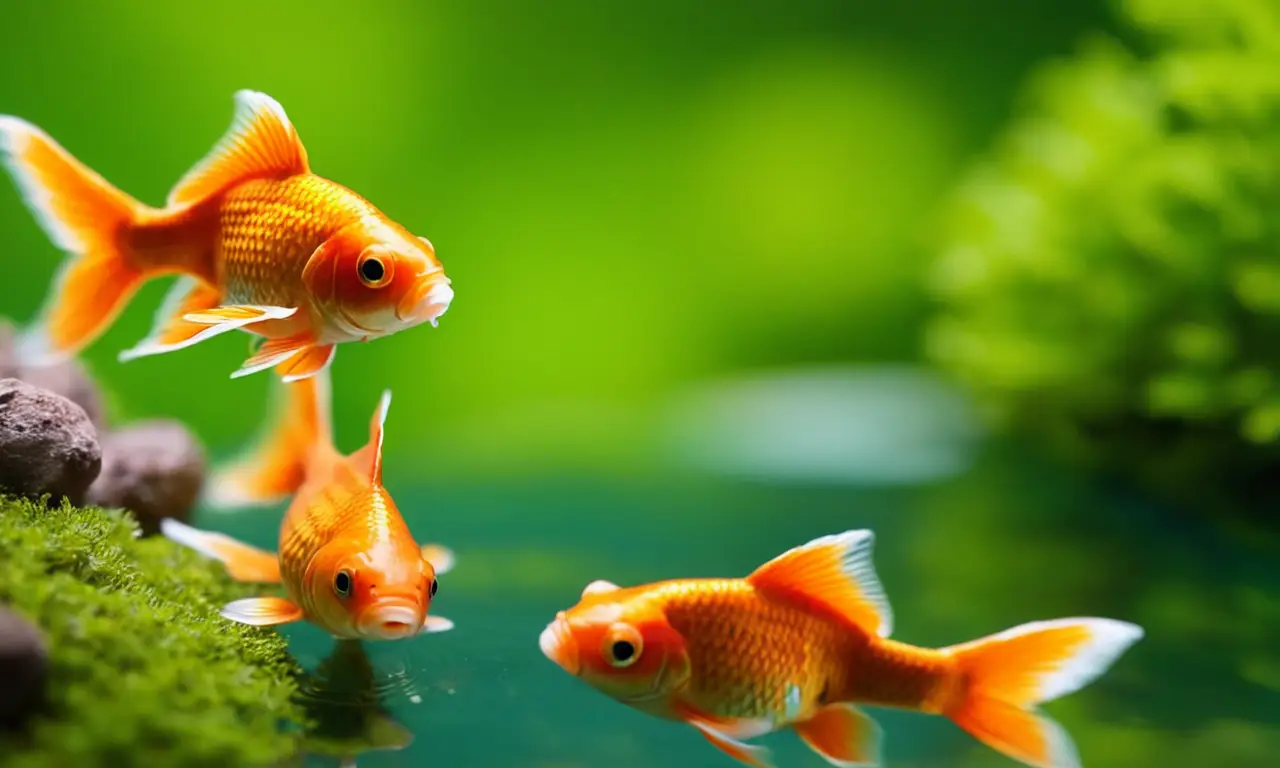
Goldfish Feeding: A Comprehensive Guide for Healthy Pets
Proper goldfish feeding is the cornerstone of a healthy and vibrant aquarium. Beyond simply tossing food into the tank, understanding your goldfish's dietary needs, the types of food available, and the frequency of meals is crucial for their long-term well-being. This guide will delve into the intricacies of goldfish feeding, from selecting the best food to establishing a consistent and appropriate feeding schedule, ensuring your aquatic companions thrive.
𝙲𝚘𝚗𝚝𝚎𝚗𝚝
- Understanding Your Goldfish's Dietary Needs
- Types of Goldfish Food
- The Art of Goldfish Feeding: How Much and How Often?
- Common Goldfish Feeding Mistakes to Avoid
- The Impact of Goldfish Feeding on Water Quality
- Signs of Proper Goldfish Feeding
- Signs of Improper Goldfish Feeding
- In summary: The Foundation of a Thriving Goldfish Aquarium
Understanding Your Goldfish's Dietary Needs
Goldfish are omnivores, meaning their diet should consist of both plant-based and animal-based foods. In their natural habitat, they are opportunistic feeders, consuming algae, small invertebrates, and plant matter. In a home aquarium, replicating this diverse diet is key to preventing nutritional deficiencies and promoting optimal health.
- Carbohydrates: Goldfish primarily derive energy from carbohydrates. Their digestive systems are not designed for a high protein intake, and an excess of protein can lead to swim bladder issues and other health problems.
- Proteins: While essential, protein should be provided in moderation. Look for foods with protein content between 25-35%.
- Fats: Fats are important for energy and nutrient absorption. Aim for foods with a moderate fat content.
- Vitamins and Minerals: These are vital for immune function, growth, and overall health. A balanced diet will provide these, but a good quality flake or pellet should be supplemented with occasional treats.
- Fiber: Fiber aids in digestion and helps prevent constipation, a common issue in goldfish.
Types of Goldfish Food
The market offers a wide variety of food options for goldfish, each with its own advantages. Choosing the right type of food is a significant aspect of goldfish feeding.
Goldfish Flakes
Flakes are a popular choice for many aquarists due to their ease of use and widespread availability.
* Pros:
* Easy to dispense.
* Readily available in most pet stores.
* Can be a good source of basic nutrition.
* Cons:
* Can disintegrate quickly in water, leading to water pollution.
* May not provide as complete a nutritional profile as other options.
* Goldfish may gulp air while eating flakes, contributing to buoyancy problems.
Goldfish Pellets
Pellets are a more nutrient-dense option and are generally considered superior to flakes for goldfish.
* Pros:
* More balanced nutrition.
* Sink to the bottom, reducing air gulping.
* Less prone to dissolving quickly, keeping water cleaner.
* Available in various sizes to suit different goldfish.
* Cons:
* Can be harder for very small goldfish to consume.
* Some low-quality pellets can still cause digestive issues.
Goldfish Granules
Similar to pellets, granules are another good option. They are typically larger than pellets and may be a better choice for larger goldfish.
* Pros:
* Nutrient-rich.
* Sinks, reducing air intake.
* Maintains water quality well.
* Cons:
* May be too large for smaller goldfish.
Gel Foods
Gel foods are a relatively newer option that offers excellent nutrition and can be customized.
* Pros:
* Highly palatable and nutritious.
* Customizable with added vitamins and supplements.
* Slows down feeding, allowing for better digestion.
* Cons:
* Requires preparation.
* Can be more expensive.
Live and Frozen Foods
These can be excellent supplements to a goldfish's diet, providing essential nutrients and mimicking their natural foraging behavior.
* Live Foods: Brine shrimp, daphnia, bloodworms.
* Pros: Highly nutritious, stimulates natural hunting behavior.
* Cons: Risk of introducing parasites or diseases if not sourced carefully.
* Frozen Foods: Brine shrimp, daphnia, bloodworms, mysis shrimp.
* Pros: Convenient, readily available, less risk of disease than live foods.
* Cons: Must be thawed completely before feeding.
Vegetables and Fruits
Goldfish can benefit from a variety of blanched or finely chopped vegetables.
* Good Options: Peas (shelled and blanched), spinach, zucchini, cucumber, romaine lettuce.
* Preparation: Blanching softens the vegetables and makes them easier to digest. Chop them into small, manageable pieces.
* Frequency: Offer as an occasional treat, not as a staple.
The Art of Goldfish Feeding: How Much and How Often?
This is perhaps the most critical aspect of goldfish feeding and where many aquarists make mistakes. Overfeeding is a common problem that can lead to a host of health issues, while underfeeding can stunt growth and weaken the immune system.
The "How Much" Rule: The Two-Minute Rule
A widely accepted guideline for goldfish feeding is the "two-minute rule." This means you should only feed your goldfish an amount of food that they can completely consume within two minutes.
- Observe your goldfish: Watch them eat. If there is still food floating in the tank after two minutes, you have likely overfed them.
- Adjust accordingly: If they finish the food very quickly, you might be able to slightly increase the amount in subsequent feedings, but always err on the side of caution.
The "How Often" Rule: Frequency of Feeding
The frequency of goldfish feeding depends on several factors, including the age and type of your goldfish.
Expert Guide: Green Iguana Feeding for Optimal Health- Young/Growing Goldfish: Fry and young goldfish that are rapidly growing require more frequent meals. They can benefit from being fed 2-3 times a day, in small quantities.
- Adult Goldfish: Once your goldfish reach maturity (typically around 6-12 months old, depending on the breed), feeding once a day is usually sufficient. Some aquarists even opt for feeding every other day for larger, well-established goldfish.
- Consider their activity level: A more active goldfish might require slightly more food than a sedentary one.
The Importance of Fasting Days
Incorporating a "fasting day" once a week is highly beneficial for goldfish. This allows their digestive system to rest and can help prevent constipation and swim bladder problems.
- Simply skip a feeding day: For one day a week, do not feed your goldfish at all. This is especially important if you are prone to overfeeding.
Common Goldfish Feeding Mistakes to Avoid
Understanding what not to do is just as important as knowing what to do when it comes to goldfish feeding.
- Overfeeding: This is the most common and detrimental mistake. It leads to poor water quality, constipation, swim bladder issues, and overall poor health.
- Feeding Inappropriate Foods: Do not feed goldfish regular tropical fish food, mammalian food, or anything not specifically formulated for them. Their digestive systems are unique.
- Feeding Too Much at Once: Even if you feed the correct food, feeding a large amount in one go can overwhelm their digestive system.
- Not Soaking Flakes/Pellets: Some dry foods can expand in a goldfish's stomach, leading to buoyancy problems. Soaking them in a small amount of tank water for a few minutes before feeding can help.
- Inconsistent Feeding Schedule: Goldfish thrive on routine. Erratic feeding can disrupt their digestion and overall health.
- Not Considering Tank Mates: If you have other fish in the tank, ensure the goldfish feeding doesn't inadvertently lead to overfeeding of the other species or the goldfish outcompeting others for food.
- Feeding Low-Quality Food: Cheap, generic foods often lack the necessary nutrients and can contain fillers that are detrimental to goldfish health.
The Impact of Goldfish Feeding on Water Quality
The way you approach goldfish feeding has a direct and significant impact on the quality of your aquarium water.
- Uneaten food: Any food that is not consumed will decompose, releasing ammonia and nitrates into the water. These are toxic to fish and can lead to the dreaded "new tank syndrome" even in established aquariums.
- Waste production: Goldfish are notoriously messy fish, and their waste also contributes to the bioload of the aquarium. Overfeeding exacerbates this problem.
- Filtration system: A robust filtration system is essential for any goldfish aquarium, but it can be overwhelmed if excessive waste is introduced due to overfeeding.
- Algae blooms: Excess nutrients from uneaten food and waste can fuel algae growth, making your tank unsightly and potentially harmful to your fish.
Signs of Proper Goldfish Feeding
Observing your goldfish's behavior and physical condition can tell you if your goldfish feeding routine is on the right track.
- Active and alert: Healthy goldfish are energetic and show curiosity about their surroundings.
- Good appetite: They eagerly approach food when offered.
- Normal buoyancy: They swim upright without struggling to stay afloat or sinking.
- Clear eyes and fins: Their eyes should be clear, and their fins should be fully extended and undamaged.
- Solid, well-formed feces: Their droppings should be firm and dark, not mushy or stringy.
- Good growth rate: Young goldfish should show consistent and healthy growth.
Signs of Improper Goldfish Feeding
Conversely, several signs can indicate that your goldfish feeding practices are problematic.
- Lethargy and lack of interest in food: This can be a sign of illness, often linked to poor diet or overfeeding.
- Swim bladder issues: Fish floating upside down, struggling to swim, or sinking are common symptoms of swim bladder problems, often caused by overfeeding or gulping air.
- Bloating or distended belly: This is a classic sign of constipation and overfeeding.
- Fuzzy or stringy feces: This indicates digestive distress.
- Cloudy eyes or clamped fins: These can be symptoms of stress or illness, which can be exacerbated by a poor diet.
- Poor growth or stunted development: Underfeeding or a lack of essential nutrients will lead to a lack of growth.
In summary: The Foundation of a Thriving Goldfish Aquarium
Mastering goldfish feeding is a continuous learning process. By understanding their dietary needs, choosing appropriate foods, adhering to a sensible feeding schedule, and being observant of your fish's behavior, you can ensure your goldfish live long, healthy, and fulfilling lives. Remember that moderation is key, and a clean aquarium, achieved through responsible feeding practices, is the foundation for a thriving aquatic environment. Invest the time to learn and adapt your goldfish feeding strategies, and you'll be rewarded with beautiful, robust, and happy fish.
Guinea Pig Diseases: A Comprehensive Guide for Owners
Cat Urinary Crystals: Types, Symptoms & Treatment Guide

Cat Weight: How Do I Know If My Cat Is Fat?

Encephalitis in Dogs: Symptoms, Causes & Treatment

Dog Cavities: Causes, Symptoms, and Treatment Options

Natural Flea Relief: Home Remedies for Fleas in Cats

Newborn Puppy Feeding Guide: From Birth to Weaning
Related posts