
Expert Guide: Green Iguana Feeding for Optimal Health
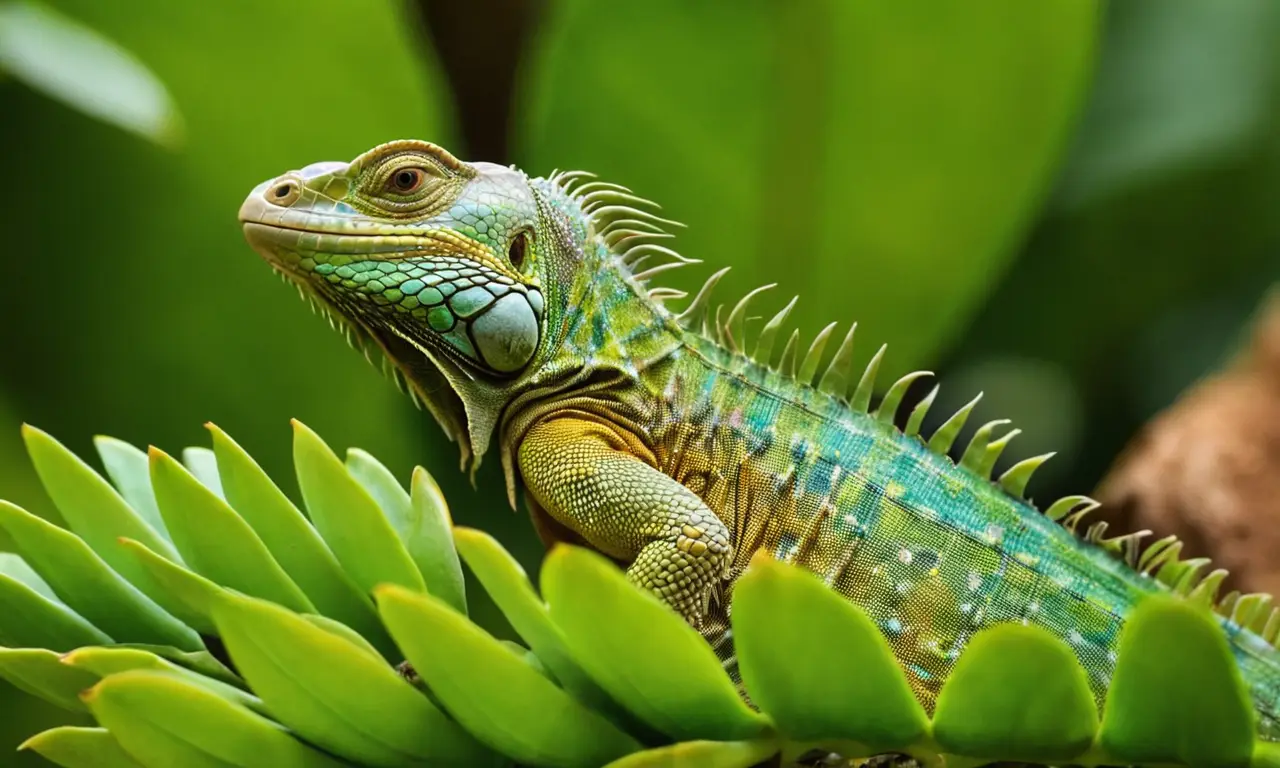
The Ultimate Guide to Green Iguana Feeding
Providing your green iguana with the correct diet is paramount to its health, vitality, and longevity. As herbivores with specific nutritional requirements, their dietary needs differ significantly from many other popular reptile pets. This comprehensive guide delves deep into the intricacies of Green iguana feeding, covering everything from the ideal food components to common pitfalls to avoid. Understanding and implementing these feeding strategies will ensure your scaly companion thrives.
𝙲𝚘𝚗𝚝𝚎𝚗𝚝
- Understanding the Green Iguana's Natural Diet
- The Foundation: Essential Leafy Greens
- The Role of Fruits and Vegetables
- Supplementation: The Crucial Balancing Act
- Preparing Iguana Food: The Salad Approach
- Feeding Frequency and Quantity
- Water: Essential for Hydration
- Common Feeding Mistakes to Avoid
- Special Considerations: Breeding and Illness
- In summary: A Commitment to Optimal Nutrition
Understanding the Green Iguana's Natural Diet
In their native habitats across Central and South America, green iguanas are primarily herbivorous, with their diet consisting mainly of leaves, flowers, and fruits. They are selective eaters, often preferring tender, nutrient-rich foliage. Their digestive system is specifically adapted to process plant matter, requiring a high fiber content and specific nutrient ratios. It's crucial to replicate this natural dietary pattern as closely as possible in captivity to prevent a host of health issues, including metabolic bone disease, kidney problems, and digestive disorders. The vast majority of their diet should be composed of leafy greens, with fruits and other vegetables offered in moderation as supplementary treats.
The Foundation: Essential Leafy Greens
The cornerstone of any healthy Green iguana feeding plan is a diverse array of leafy greens. These provide the essential vitamins, minerals, and fiber necessary for their well-being. Aim for variety to ensure a broad spectrum of nutrients.
Top Leafy Greens for Green Iguanas:
- Collard Greens: An excellent source of calcium and vitamin A.
- Dandelion Greens: Rich in vitamins A, C, and K, as well as calcium. Ensure they are pesticide-free.
- Mustard Greens: Provide vitamins A, C, and K, along with calcium and iron.
- Turnip Greens: Another good source of calcium, vitamin A, and vitamin C.
- Kale: While popular, kale should be fed in moderation due to its high oxalic acid content, which can bind to calcium. It's still a valuable source of vitamins and minerals when offered judiciously.
- Romaine Lettuce: A good base for hydration and provides some vitamins, but lacks the density of nutrients found in darker greens.
- Watercress: A nutritious option, offering vitamins A and C.
- Grape Leaves: A palatable and nutritious choice, providing fiber and essential vitamins.
- Hibiscus Leaves and Flowers: Highly palatable and nutritious, making them a favorite among iguanas. Ensure they are from a pesticide-free source.
- Alfalfa Sprouts: Offer a good source of protein and vitamins, but should be part of a varied diet.
Greens to Limit or Avoid:
- Spinach: High in oxalates, which can interfere with calcium absorption. Offer very sparingly, if at all.
- Iceberg Lettuce: Primarily water with very little nutritional value.
- Avocado: Highly toxic to reptiles due to persin. Never feed avocado to your iguana.
- Onions and Garlic: Can be harmful to iguanas due to their sulfur compounds.
The Role of Fruits and Vegetables
While leafy greens form the bulk of their diet, certain fruits and vegetables can be offered as supplements. These provide additional vitamins, minerals, and hydration, but should be given in smaller quantities due to their higher sugar content.
Guinea Pig Diseases: A Comprehensive Guide for OwnersRecommended Fruits:
- Berries: Strawberries, blueberries, raspberries, and blackberries are good sources of antioxidants and vitamins.
- Melons: Cantaloupe, honeydew, and watermelon (seedless) offer hydration and vitamins.
- Papaya: A good source of vitamin A and digestive enzymes.
- Mango: Rich in vitamins A and C.
- Figs: Offer fiber and some essential minerals.
- Peaches and Nectarines: (Pitted) Provide vitamins A and C.
- Apple: (Cored and seeded) A source of fiber and vitamins.
Recommended Vegetables (in moderation):
- Squash: Acorn, butternut, and spaghetti squash are good choices, providing vitamins A and C.
- Bell Peppers: All colors are acceptable, offering vitamin C.
- Carrots: A good source of vitamin A, but should be offered sparingly due to sugar content.
- Green Beans: Provide fiber and some vitamins.
- Sweet Potatoes: (Cooked and plain) A good source of vitamin A.
Fruits and Vegetables to Avoid:
- Citrus Fruits: High acidity can be problematic for their digestive system.
- Rhubarb: Contains oxalic acid, which can be harmful.
- Mushrooms: Generally not recommended.
- Dried Fruits: The concentrated sugar content can be detrimental.
Supplementation: The Crucial Balancing Act
Proper supplementation is absolutely vital for a captive green iguana's health, especially concerning calcium and vitamin D3. Iguanas require a specific calcium-to-phosphorus ratio in their diet. If the ratio is off, or if calcium is insufficient, they can develop Metabolic Bone Disease (MBD), a serious and potentially fatal condition.
Calcium and Vitamin D3 Supplementation:
- Calcium Powder: A high-quality, phosphorus-free calcium supplement should be dusted on the iguana's food several times a week. The exact frequency will depend on the iguana's age and specific dietary composition.
- Vitamin D3: This is essential for calcium absorption. Green iguanas in captivity rely on UVB lighting to synthesize vitamin D3. Ensure your enclosure is equipped with appropriate UVB lighting that is replaced regularly (typically every 6-12 months) as its effectiveness diminishes over time. While some supplements contain D3, the primary source should be UVB exposure.
- Multivitamins: A reptile-specific multivitamin containing vitamins A, C, E, and other essential micronutrients can be used sparingly (e.g., once a week or every two weeks) in conjunction with calcium supplementation. Over-supplementation can be just as harmful as under-supplementation.
Preparing Iguana Food: The Salad Approach
The best way to offer food to your green iguana is in the form of a "salad." This involves finely chopping or dicing a variety of approved leafy greens, a small amount of fruits and vegetables, and then dusting it with the necessary supplements.
Creating the Perfect Iguana Salad:
- Base: Start with a generous portion of dark, leafy greens. Aim for at least 70-80% of the salad to be leafy greens.
- Variety: Add a mix of other approved greens, fruits, and vegetables. The key is to offer a diverse range of colors and textures.
- Chopping: Finely chop all ingredients into small, manageable pieces that your iguana can easily consume. This is especially important for younger iguanas.
- Supplementation: Lightly dust the salad with calcium powder. If using a multivitamin, alternate its use with calcium.
- Presentation: Offer the salad in a clean, shallow dish. Some keepers prefer to chop the food and then toss it together to ensure even distribution of supplements.
Feeding Frequency and Quantity
The amount of food a green iguana needs varies based on its age, size, and activity level.
- Young Iguanas (Hatchlings and Juveniles): These rapidly growing iguanas require more frequent feedings, often daily. Offer as much as they will readily eat within a reasonable timeframe (e.g., 15-20 minutes).
- Adult Iguanas: Adult iguanas can be fed every other day or even a few times a week, depending on their metabolism. The quantity will be larger per feeding.
It's important to observe your iguana's eating habits and adjust the frequency and quantity accordingly. Avoid overfeeding, which can lead to obesity and associated health problems.
Guinea Pig Feeding by Age: Essential GuideWater: Essential for Hydration
Fresh, clean water must be available to your green iguana at all times. They drink by lapping water, and a shallow, easily accessible water dish is crucial. Misting their enclosure regularly can also contribute to hydration, as they may lick water droplets off surfaces. Some iguanas enjoy bathing, which also aids in hydration and shedding.
Common Feeding Mistakes to Avoid
Several common errors can negatively impact a green iguana's health when it comes to feeding. Being aware of these pitfalls can help you prevent them.
Top Feeding Mistakes:
- Over-reliance on a single food item: This leads to nutritional deficiencies or imbalances. Variety is key.
- Feeding too much fruit: High sugar content can lead to obesity, dental problems, and digestive upset.
- Insufficient calcium and/or improper UVB lighting: The leading cause of Metabolic Bone Disease.
- Feeding toxic plants or foods: Always research before introducing new food items.
- Not chopping food finely enough: Can lead to choking hazards, especially for young iguanas.
- Ignoring the phosphorus content of food: High phosphorus relative to calcium can hinder calcium absorption.
- Not cleaning food and water dishes regularly: This can lead to bacterial contamination and illness.
Special Considerations: Breeding and Illness
Feeding During Breeding Season:
During the breeding season, female iguanas may have increased nutritional demands. They may eat more and require slightly richer supplementation, especially a few weeks before egg-laying.
Feeding Sick or Recovering Iguanas:
If your iguana is unwell, its appetite will likely decrease. Consult with a reptile veterinarian for specific dietary recommendations. Forcing food is generally not recommended unless advised by a vet. Maintaining hydration is paramount for sick reptiles.
Guinea Pigs: Breeds and Colors - A Comprehensive GuideIn summary: A Commitment to Optimal Nutrition
Green iguana feeding is a complex but incredibly rewarding aspect of responsible pet ownership. By understanding their natural diet, providing a varied and balanced salad, ensuring proper supplementation, and avoiding common mistakes, you are laying the foundation for a long, healthy, and vibrant life for your green iguana. Continuous learning and observation of your individual iguana's needs are crucial to providing the best possible care. Remember, a well-fed iguana is a happy and healthy iguana.
Cat Urinary Crystals: Types, Symptoms & Treatment Guide

Cat Weight: How Do I Know If My Cat Is Fat?

Encephalitis in Dogs: Symptoms, Causes & Treatment

Dog Cavities: Causes, Symptoms, and Treatment Options
Natural Flea Relief: Home Remedies for Fleas in Cats

Newborn Puppy Feeding Guide: From Birth to Weaning
Related posts