
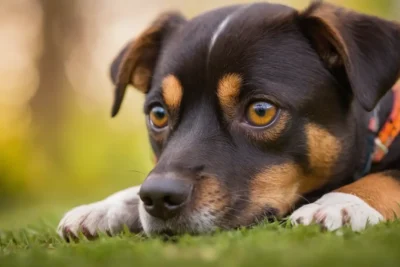
Greyfriars Bobby: The Dog Who Voted in Scotland
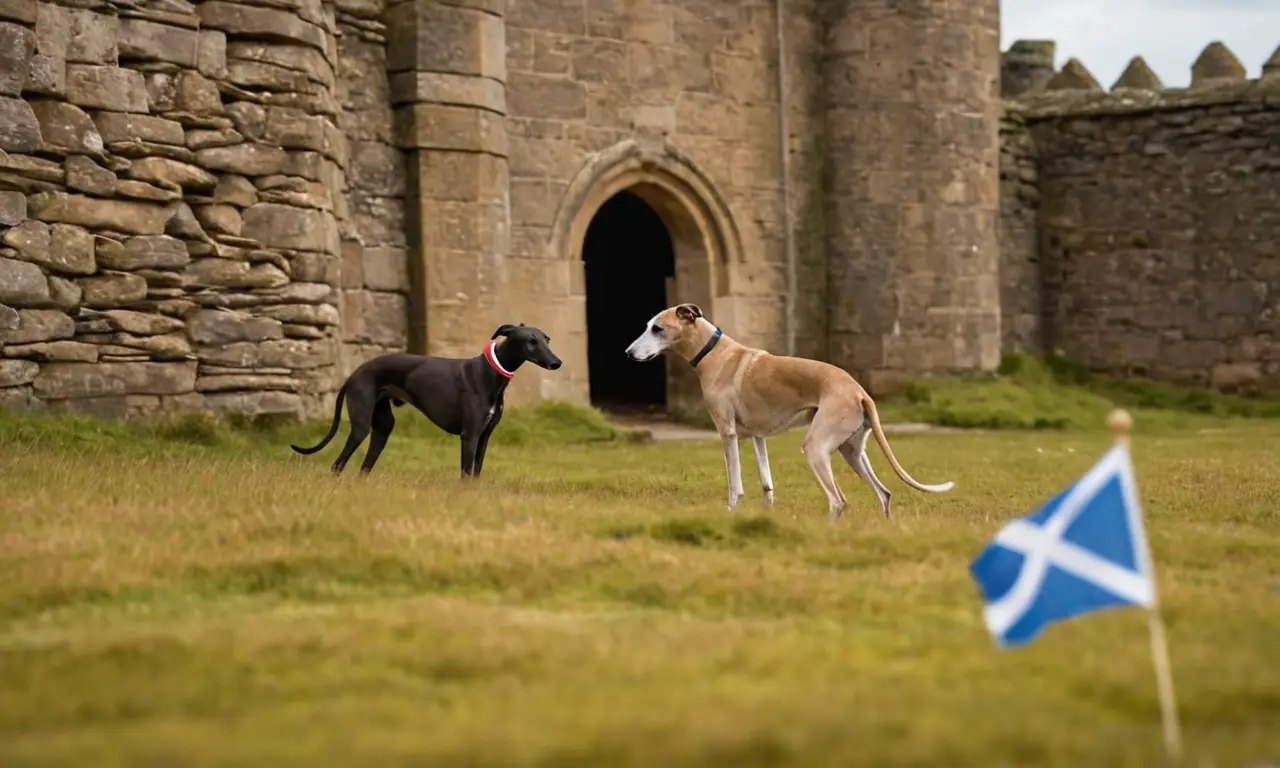
Greyfriars Bobby: The Scottish Dog Who Had the Right to Vote
In the heart of Edinburgh, Scotland, lies a tale so enduring and heartwarming that it has transcended generations. It’s the story of Greyfriars Bobby, a Skye Terrier whose unwavering loyalty to his master, the Edinburgh police constable John Gray, led him to spend 14 years faithfully guarding his grave. But Bobby’s legend doesn't stop at canine devotion; it extends to a remarkable and somewhat whimsical claim: Greyfriars Bobby, the Scottish dog who had the right to vote. This article delves into the captivating narrative of this extraordinary dog, exploring the historical context, the enduring legacy, and the unique circumstances that led to the notion of a dog casting a ballot.
The tale of Greyfriars Bobby is deeply intertwined with the fabric of Edinburgh's history and its people. In the mid-19th century, John Gray was a night watchman, a member of the city's police force. His constant companion was Bobby, a spirited Skye Terrier who shadowed him everywhere. Their bond was palpable; Bobby was more than a pet; he was John's shadow, his confidant, and his most loyal friend. When John Gray passed away in 1858, he was laid to rest in the Greyfriars Kirkyard, a historic cemetery in the Old Town of Edinburgh.
It was here that Bobby’s devotion truly took center stage. Refusing to leave his master’s side, Bobby took up vigil at John Gray’s grave. For years, the little dog would spend his days and nights by the gravestone, a silent sentinel. His loyalty did not go unnoticed by the locals. The coffee vendor near the kirkyard, Mr. William Scott, would often bring Bobby food, as did many other compassionate citizens who were touched by his unwavering fidelity. Bobby became a beloved figure in the community, a symbol of a love that death could not diminish.
The story gained wider recognition, and the then-Lord Provost of Edinburgh, Sir William Chambers, was so moved by Bobby’s story that he commissioned a drinking fountain with a statue of the dog, which was erected in 1873 near the entrance to Greyfriars Kirkyard. This iconic statue stands today as a testament to Bobby’s enduring fame and the affection the city held for him. Tourists and locals alike flock to see the statue, often placing sticks or flowers at its base, continuing the tradition of showing their respect and admiration.
Now, let's address the extraordinary claim: Greyfriars Bobby, the Scottish dog who had the right to vote. This assertion, while factually inaccurate in the modern sense of suffrage, speaks to the immense respect and almost human-like status Bobby attained within Edinburgh society. The idea of Bobby having the "right to vote" likely stems from a few interconnected elements:
Guanche Dog Names: Explore Ancient Canary Island Origins-
Symbolic Representation: In an era before widespread animal welfare laws and before animals were widely recognized as sentient beings in the way they are today, Bobby's story resonated deeply. His unwavering loyalty and consistent presence at the grave made him a symbol of steadfastness and devotion. In a way, the community felt he represented a certain kind of "vote" for loyalty and remembrance.
-
Popular Affection and Recognition: The sheer popularity of Bobby meant he was a recognized figure. People knew him, cared for him, and celebrated him. This widespread public recognition, though not legal, granted him a form of status within the community that might have been metaphorically equated with having a say or a recognized presence.
-
Historical Anecdotes and Exaggeration: Folklore and legend often embellish historical events. It's plausible that as Bobby's story spread, stories about his unique standing in the community became exaggerated, leading to the charming, albeit fictional, notion of him having the right to vote. This kind of affectionate exaggeration is common in tales of beloved local figures.
-
The Era's Legal Landscape: While voting rights were historically limited to a select group of men, the concept of animal rights as we understand them now was virtually non-existent. In this context, a story about a dog holding a peculiar "right" might have been more easily accepted or propagated as a charming local legend. It highlights how deeply embedded Bobby was in the hearts of Edinburgh's citizens.
It is crucial to understand that Greyfriars Bobby, the Scottish dog who had the right to vote is not a statement of his actual legal entitlement. Dogs, of course, do not possess the capacity to understand or exercise the right to vote. However, the persistence of this legend speaks volumes about how the people of Edinburgh viewed Bobby. They saw him as more than just an animal; he was a member of their community, a figure of immense moral significance whose presence and actions commanded respect and admiration.
Hachiko: The Loyal Dog Who Waited For YearsThe story of Greyfriars Bobby also touches upon broader themes of companionship, loss, and the enduring power of love. Bobby's vigil is a profound illustration of the deep emotional bonds that can form between humans and animals. His story reminds us that loyalty and devotion are not exclusive to our own species and that the capacity for love and grief can be found in the most unexpected places.
The impact of Bobby's story extends beyond a simple anecdote. It has inspired books, films, and countless retellings, solidifying his place as one of Scotland's most beloved animal legends. The film "Greyfriars Bobby" (1961) further cemented his international fame, introducing his tale to audiences worldwide.
Consider the societal context of the time. Animal welfare was not a prominent concern, and the rights and treatment of animals were vastly different from today. In such a landscape, a story like Bobby’s, where an animal is shown such profound respect and affection, was remarkable. It pushed the boundaries of how animals were perceived, even if it didn't lead to immediate legal changes.
The idea of Greyfriars Bobby, the Scottish dog who had the right to vote can be seen as a poetic exaggeration, a way for the community to express the extraordinary standing he held. It’s a testament to his impact on the city's collective consciousness. He was, in a sense, a voting member of the community in terms of the affection and recognition he received. His daily presence, his unwavering loyalty, his very existence became a topic of conversation and concern for the people of Edinburgh.
Furthermore, the tale offers a window into the social dynamics of 19th-century Edinburgh. The fact that ordinary citizens, a coffee vendor, and even the Lord Provost took notice and acted to honor Bobby suggests a community that was capable of empathy and compassion towards animals, even if their understanding of animal sentience was less developed than ours today.
Halloween Costumes for Horses: Spooky & Fun Ideas!The legend of Bobby also highlights the power of storytelling. How a simple act of loyalty can be amplified and preserved through narrative, becoming a part of a city's identity. The statue and the fountain serve as physical anchors for this story, ensuring that future generations will continue to hear about the loyal Skye Terrier.
In conclusion, while the claim that Greyfriars Bobby, the Scottish dog who had the right to vote is not a literal truth in terms of electoral participation, it perfectly encapsulates the profound affection, respect, and recognition that this remarkable dog commanded within Edinburgh. His story remains a powerful reminder of the enduring strength of loyalty and love, and the indelible mark that even the humblest of creatures can leave on the human heart and the collective memory of a city. The legend of Bobby is more than just a tale of a dog; it is a celebration of a unique bond that continues to inspire and touch hearts to this day.
Dog Color Vision: How Do Dogs Recognize & Distinguish Colors?
Fila Brasileiro: The Majestic Mastiff of Brazil Explored
Basenji: The Enigmatic Barkless Dog – Congo Terrier Facts
Dog Language & Calm Signals: The Complete Guide
The Enduring Bond: Dogs & Humans, 14,000 Years
Dalmatian Dog: History, Traits & Fun Facts
Related posts