
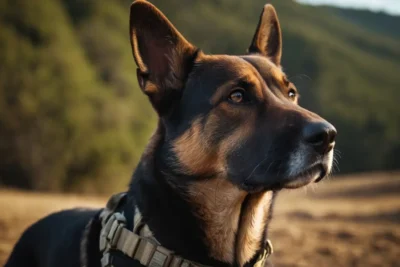
Guide Dogs: Breeds, Traits & Adoption Guide
Guide Dogs: Breeds, Characteristics, and Adoption Guide
Guide dogs are invaluable partners for individuals with visual impairments, offering independence, mobility, and a profound sense of companionship. These highly trained canine professionals undergo rigorous selection and extensive training to master the complex skills required to navigate the world safely alongside their handlers. This comprehensive guide delves into the world of guide dogs, exploring the breeds most commonly suited for this demanding role, their distinguishing characteristics, and the intricate process of adoption. Understanding these facets is crucial for anyone considering becoming a guide dog user or for those interested in the remarkable work these animals perform.
The Rigorous Selection Process: More Than Just a Pretty Face
The journey of a guide dog begins long before it dons its harness. A meticulous selection process ensures that only the most suitable canine candidates embark on this path. This process isn't solely about breed; it's about temperament, trainability, health, and an innate desire to work.
- Temperament is Paramount: Guide dog organizations look for dogs that are naturally calm, confident, and eager to please. They need to be adaptable to various environments, unfazed by loud noises or sudden movements, and possess a strong work ethic without being overly anxious or easily distracted.
- Health and Physicality: Excellent physical health is non-negotiable. This includes sound hips and elbows, good eyesight (ironically), and a robust immune system. Their physical build should be sturdy enough for the demands of the job but not so large as to be unwieldy.
- Trainability and Intelligence: While all dogs are intelligent, guide dog candidates exhibit a particular aptitude for learning complex commands and problem-solving. They must be able to understand and respond to subtle cues from their handlers.
- Genetics Play a Role: Organizations often work with reputable breeders who understand the genetic predispositions for temperament and health that are crucial for guide dog work.
Popular Breeds for Guide Dog Work: A Look at the Top Contenders
While many breeds possess the potential to become guide dogs, certain breeds consistently excel due to their inherent traits and historical success in this role. The choice of breed often comes down to a balance of energy levels, size, and trainability.
Labrador Retrievers: The All-Rounder Champion
Labrador Retrievers are arguably the most popular and successful breed for guide dog work, and for good reason. Their enduring appeal stems from a combination of desirable traits:
- Exceptional Temperament: Labs are renowned for their friendly, outgoing, and gentle nature. They are typically eager to please, highly trainable, and possess a remarkable level of patience.
- Adaptability: They thrive in various environments, from bustling city streets to quiet suburban neighborhoods. Their calm demeanor helps them cope with diverse stimuli.
- Intelligence and Trainability: Labs are highly intelligent and respond exceptionally well to positive reinforcement training methods. They possess a strong desire to work and a natural inclination to be helpful.
- Sturdy Build: Their medium-to-large size provides stability and presence, making them ideal for guiding. Their coats are also relatively low-maintenance.
- Enthusiasm for Life: Labs have an infectious zest for life, which can be a wonderful asset for their handlers, fostering a positive and active lifestyle.
Golden Retrievers: The Gentle and Dedicated Companion
Golden Retrievers share many of the excellent qualities that make Labrador Retrievers ideal guide dogs, often bringing an added layer of sensitivity to the partnership.
Guide Dogs: Support for Diabetes, Autism, Epilepsy- Affectionate and Loyal: Goldens are known for their deep devotion to their families and their handlers. They form strong bonds and are incredibly attuned to their owner's emotions.
- Intelligent and Eager to Learn: Like Labs, Goldens are highly intelligent and excel in learning complex tasks. Their desire to please drives their dedication to training.
- Calm and Gentle: Their naturally calm and gentle disposition makes them well-suited for environments where precision and a steady presence are required.
- Adaptable and Sociable: Goldens generally get along well with other animals and people, making them comfortable in diverse social settings.
- Considerations: Their longer coats require more grooming than those of Labs, and some may have slightly higher energy levels that need to be managed.
German Shepherds: The Intelligent and Protective Partner
German Shepherds bring a different set of strengths to the guide dog role, often favored for their intelligence, alertness, and inherent protective instincts.
- Exceptional Intelligence and Trainability: German Shepherds are among the most intelligent dog breeds, making them highly capable of mastering intricate commands and problem-solving.
- Alertness and Focus: Their keen senses and natural alertness make them highly aware of their surroundings, a crucial trait for navigating safely.
- Loyalty and Devotion: German Shepherds form deep bonds with their handlers and are intensely loyal.
- Confidence and Courage: They possess a natural confidence that allows them to approach new situations without hesitation.
- Considerations: German Shepherds can be more protective by nature, which requires careful socialization and training to ensure they remain focused on their guiding duties and not overly territorial. They also have a higher energy output that needs consistent outlets.
Poodles (Standard Poodles): The Intelligent and Hypoallergenic Choice
Standard Poodles are increasingly recognized for their suitability as guide dogs, offering a unique set of advantages, particularly for individuals with allergies.
- Exceptional Intelligence: Poodles are consistently ranked among the most intelligent dog breeds, demonstrating remarkable learning capabilities and problem-solving skills.
- Hypoallergenic Coat: Their non-shedding coat is a significant advantage for individuals with allergies, minimizing potential reactions. However, it requires regular professional grooming.
- Trainability and Adaptability: Poodles are highly trainable and can adapt to various environments and routines.
- Energetic and Playful: They have a good energy level that, when channeled appropriately, contributes to their focus and enthusiasm for work.
- Considerations: Their grooming needs are more intensive than other breeds, and they can sometimes be prone to anxiety if not adequately stimulated.
Key Characteristics of a Successful Guide Dog
Beyond breed, certain characteristics are universal to all successful guide dogs, regardless of their lineage. These qualities are carefully nurtured throughout their training.
- Focus and Concentration: A guide dog must be able to maintain intense focus on its handler and the task at hand, filtering out distractions.
- Responsibility: They are trained to take responsibility for their handler's safety, making independent decisions when necessary.
- Desire to Please: An innate desire to work and make their handler happy is a driving force behind their dedication.
- Confidence: They need to be confident in their abilities and unafraid to navigate different environments and obstacles.
- Calmness Under Pressure: In stressful or unexpected situations, a guide dog must remain calm and composed, continuing to guide effectively.
- Honesty and Integrity: This refers to their commitment to their role and their unwillingness to compromise safety for personal desires (e.g., chasing a squirrel).
- Problem-Solving Skills: They are taught to assess situations and find solutions to challenges that might impede their handler's progress.
The Journey of Training: From Puppy Raiser to Professional
The training of a guide dog is a long and multifaceted process, typically spanning two years or more. It begins with dedicated individuals who provide a crucial foundation.
- Puppy Raising: Young puppies are placed with volunteer "puppy raisers" for approximately 12-18 months. During this period, the puppies are socialized extensively in various environments, exposed to different sights, sounds, and people. They learn basic obedience, house manners, and begin to develop their confidence and temperament.
- Formal Guide Dog Training: Once they complete their puppy-raising period, the dogs return to a specialized training facility. Here, they undergo intensive, professional training with experienced instructors. This phase focuses on:
- Intelligent Disobedience: This crucial skill teaches the dog to disobey a command if it believes it would put the handler in danger (e.g., refusing to cross a street if a car is approaching).
- Obstacle Avoidance: Learning to navigate around objects, over curbs, and through doorways safely.
- Traffic Awareness: Understanding and responding to traffic signals and the flow of vehicles.
- Finding Destinations: Learning to locate specific points of interest like doors, chairs, or crosswalks.
- Forward Focus: Maintaining concentration and always moving forward with the handler.
- Team Training: The final stage involves matching the trained dog with a suitable client. This is a critical process where the dog and handler spend intensive time together, learning to work as a cohesive team. Instructors ensure a strong bond forms and that the handler can effectively communicate with and trust their new partner.
Adopting a Guide Dog: The Path to Partnership
For individuals with visual impairments, the process of obtaining a guide dog is a structured and supportive journey.
Guide Dogs for Victims of Sexist Violence: A New Hope- Application and Assessment: Prospective guide dog users must apply to accredited guide dog organizations. This application typically involves a thorough assessment of their visual impairment, lifestyle, home environment, and ability to care for and work with a dog.
- Matching Process: Organizations meticulously match clients with dogs based on a variety of factors, including the dog's temperament, energy level, size, and the client's individual needs and preferences.
- Team Training: As mentioned, this is a vital phase where the client and dog learn to work together under the guidance of professional trainers. This typically involves several weeks of intensive, in-residence training.
- Ongoing Support: Guide dog organizations provide lifelong support to their teams. This includes follow-up training, veterinary care referrals, and assistance with any challenges that may arise.
- The Commitment: Adopting a guide dog is a significant commitment. It requires a willingness to learn, to trust, and to provide a loving and stimulating environment for the dog. It's a partnership built on mutual respect and understanding.
Beyond the Harness: The Emotional Bond
While the practical assistance provided by guide dogs is undeniably life-changing, the emotional bond that develops between a guide dog and its handler is equally profound. These animals offer unwavering companionship, reduce feelings of isolation, and promote a greater sense of independence and confidence. They become more than just tools; they become cherished family members, integral to the fabric of their handler's life.
The dedication of the organizations, the commitment of the puppy raisers and trainers, and the remarkable abilities of the dogs themselves combine to create a truly extraordinary service. For those who are eligible and prepared for the commitment, a Guide dogs - Breeds, characteristics and adoption can unlock a world of possibilities and forge a partnership that lasts a lifetime.
Frequently Asked Questions About Guide Dogs
Q1: Can any dog be a guide dog?
While many breeds can be trained to be excellent companions, guide dog organizations have specific criteria regarding breed, temperament, health, and trainability to ensure success in the demanding role of a guide dog.
Q2: How long does it take to train a guide dog?
The entire process, from puppyhood through formal training and team training, can take up to two years or more.
Q3: Is there a cost to obtain a guide dog?
Accredited guide dog organizations typically provide their services free of charge to eligible individuals. However, adopters are responsible for the ongoing costs of care, such as food, grooming, and routine veterinary check-ups.
Q4: What happens when a guide dog retires?
When a guide dog retires, often due to age or health reasons, they may be adopted by their handler or a family member, or placed in a loving retirement home with experienced caregivers.
Q5: What are the different types of assistance dogs?
Guide dogs are specifically trained for individuals with visual impairments. Other types of assistance dogs include hearing dogs, mobility assistance dogs, and medical alert dogs, each trained for specific tasks.
Mastering Dog Training: Defense & Attack Techniques
Dog Behavior Expert: When Your Pet Needs Guidance
Stop Garden Holes: Effective Ways to Prevent Dog Digging
Overcoming Canine Insecurity & Fear: A Comprehensive Guide
Stop Male Dog Fights: Expert Tips for Harmony
Teach Your Dog to Give Paw: A Simple Guide
Related posts