
Guinea Pig Feeding by Age: Essential Guide
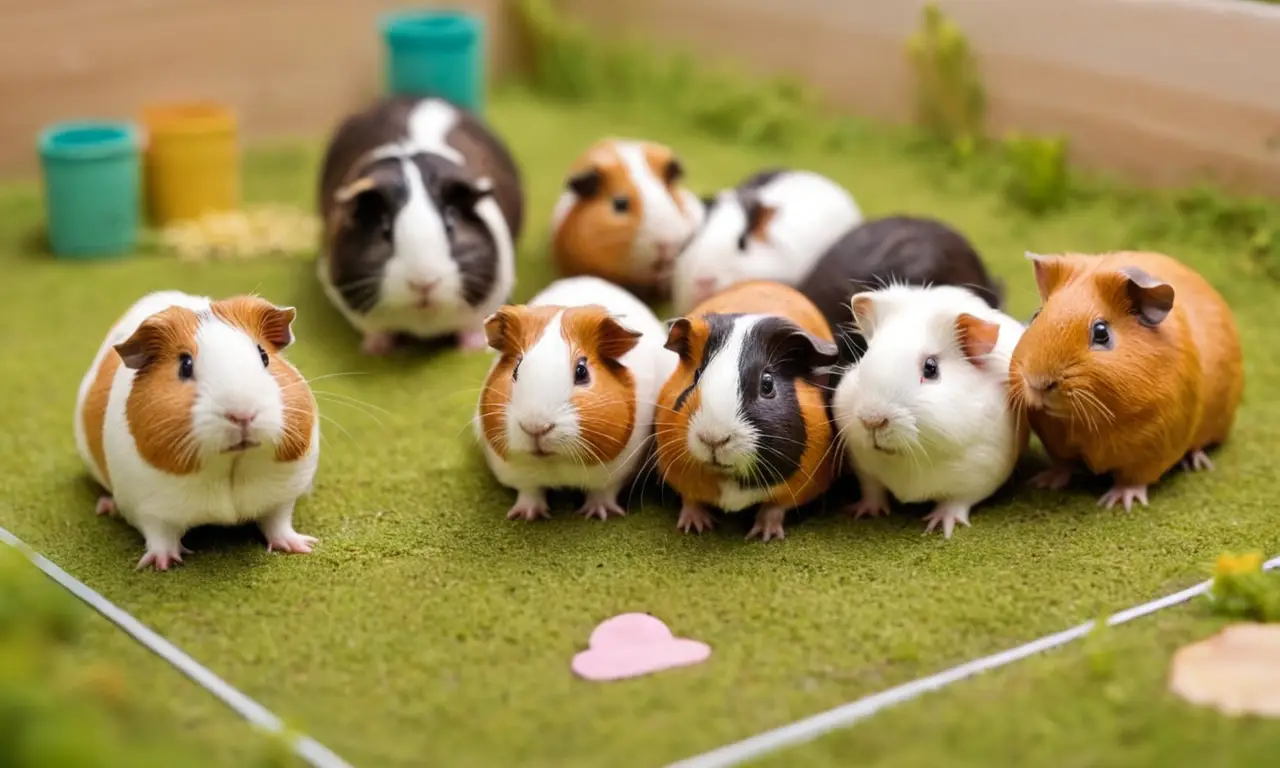
Guinea Pig Feeding by Age: A Comprehensive Guide for Optimal Health
Understanding the specific dietary needs of guinea pigs based on their age is paramount to ensuring their lifelong health and well-being. Just like human infants, growing adolescents, adults, and senior guinea pigs have distinct nutritional requirements that evolve over time. This comprehensive guide will delve into the intricacies of Guinea pig feeding according to its age, covering everything from the essential components of their diet to age-specific considerations, common pitfalls to avoid, and tips for promoting a healthy and happy guinea pig. By adhering to these age-appropriate feeding guidelines, you can significantly contribute to your furry friend's vitality and longevity.
The Cornerstones of a Guinea Pig Diet
Before we dive into age-specific recommendations, it's crucial to understand the foundational elements of any healthy guinea pig diet. These herbivores have a unique digestive system that requires a specific balance of nutrients.
Guinea Pigs: Breeds and Colors - A Comprehensive Guide- Hay (80% of the diet): This is the single most important component of a guinea pig's diet. Timothy hay, orchard grass, or oat hay are excellent choices. Hay provides essential fiber for proper digestion, helps wear down their constantly growing teeth, and is a crucial source of roughage. It should be available 24/7.
- Fresh Vegetables (15% of the diet): A variety of fresh, leafy green vegetables should be offered daily. These provide essential vitamins, minerals, and moisture. Good choices include romaine lettuce, bell peppers (especially red and yellow for vitamin C), kale (in moderation due to calcium content), parsley, cilantro, and dandelion greens. Avoid iceberg lettuce as it has little nutritional value and can cause diarrhea.
- Pellets (5% of the diet): High-quality, plain, timothy-hay-based guinea pig pellets are a necessary supplement. Look for pellets specifically formulated for guinea pigs, containing stabilized vitamin C. Avoid pellets with added seeds, nuts, or colorful pieces, as these are unhealthy and can lead to selective feeding.
- Vitamin C (Crucial!): Guinea pigs, unlike many other animals, cannot synthesize their own Vitamin C. This makes it absolutely essential for them to get it from their diet. Deficiency can lead to scurvy, a serious and potentially fatal condition. Hay and pellets provide some Vitamin C, but the primary source should be fresh vegetables rich in this nutrient, such as bell peppers and leafy greens. Supplemental Vitamin C can also be given via water additives or oral syringes, but fresh sources are always preferred.
- Water: Fresh, clean water must be available at all times. This can be provided in a sipper bottle or a heavy, ceramic dish that cannot be easily tipped over. Water bottles should be cleaned regularly to prevent bacterial growth.
Guinea Pig Feeding According to Its Age: From Birth to Seniority
The nutritional needs of a guinea pig change dramatically throughout its lifespan.
Baby Guinea Pigs (0-4 Weeks)
This is a critical developmental stage where nutrition is paramount for proper growth and organ development.
GUSOCs in Dogs: Eye & Heartworm Prevention & Treatment- Mother's Milk: For the first 2-3 weeks, baby guinea pigs (pups) rely entirely on their mother's milk for nourishment. This milk is rich in antibodies, fats, and proteins essential for their survival and growth. If a pup is orphaned, a specialized guinea pig milk replacer may be necessary, but this is a complex situation requiring veterinary guidance.
- Introduction to Solids (Around 2-3 Weeks): As they approach weaning, pups will start to nibble on hay and their mother's food. You can begin offering small amounts of high-quality alfalfa hay (richer in calcium and protein than timothy hay, suitable for growing young) and a small quantity of a good quality alfalfa-based guinea pig pellet.
- First Greens (Around 2-3 Weeks): Introduce a variety of finely chopped, non-acidic leafy greens like romaine lettuce and parsley in very small quantities. Observe for any signs of digestive upset (diarrhea, bloating) and adjust accordingly.
- Vitamin C: Ensure the mother is receiving ample Vitamin C, as this will be passed to the pups through her milk. Once they start eating solids, ensure their diet also includes Vitamin C-rich options.
Adolescent Guinea Pigs (4 Weeks to 6 Months)
This is a period of rapid growth and development, requiring a nutrient-dense diet to support their expanding bodies.
- Alfalfa Hay: Continue to offer alfalfa hay as it provides the extra calcium and protein needed for strong bone and muscle development. However, gradually transition to Timothy hay as they approach adulthood.
- Pellets: Continue with a high-quality alfalfa-based pellet formulated for young guinea pigs. Ensure they have unlimited access.
- Fresh Vegetables: Increase the variety and quantity of fresh vegetables offered. Bell peppers, dark leafy greens, and other vitamin-rich options are essential. Ensure a good daily intake of Vitamin C.
- Calcium and Phosphorus Balance: While growth is rapid, it's important to maintain a good calcium-to-phosphorus ratio. Alfalfa hay and pellets can be high in calcium, so monitor their intake of other calcium-rich foods to avoid imbalances.
- Introduction of Timothy Hay: Around 4-6 months of age, you can begin to gradually introduce Timothy hay into their diet, slowly increasing the proportion until it becomes their primary hay source. This helps transition their digestive system to the lower calcium content of timothy hay as they mature.
Adult Guinea Pigs (6 Months to 5 Years)
Once guinea pigs reach adulthood, their dietary needs stabilize, focusing on maintenance and long-term health.
Dog Hair Loss: Unraveling Causes & Effective Treatments- Timothy Hay (Primary Source): This should now be the staple of their diet, available 24/7. Its high fiber content is crucial for digestive health and dental wear.
- Pellets: Switch to a plain, timothy-hay-based guinea pig pellet. Offer in limited quantities (about 1/8 cup per guinea pig per day) to prevent obesity and ensure they are not filling up on pellets instead of hay.
- Fresh Vegetables: Continue to offer a variety of fresh vegetables daily. Aim for at least one cup per guinea pig per day. Prioritize Vitamin C-rich options. Rotate vegetables to ensure a broad spectrum of nutrients.
- Moderation with High-Calcium Foods: While calcium is still necessary, overconsumption of high-calcium foods like kale and broccoli can contribute to bladder stones. Offer these in moderation.
- Fruit (Treats Only): Fruit should be offered only as an occasional treat due to its high sugar content. Small pieces of apple, banana, or berries are acceptable once or twice a week.
Senior Guinea Pigs (5 Years and Older)
Senior guinea pigs have slightly different nutritional requirements as their bodies age and their metabolism may slow down.
- Timothy Hay: Remains the primary source of fiber and should always be available.
- Pellets: Continue with a timothy-hay-based pellet. Some senior guinea pigs may benefit from a pellet with added antioxidants or joint support ingredients, but consult your veterinarian. Quantities may need to be adjusted if the guinea pig is losing weight or becoming sedentary.
- Easily Digestible Greens: Continue offering a good variety of fresh vegetables. Some senior guinea pigs may have slightly more sensitive digestive systems, so introducing new vegetables gradually is still important.
- Increased Vitamin C: As their immune systems may not be as robust, ensuring consistent and adequate Vitamin C intake is even more crucial.
- Hydration: Monitor their water intake closely. Older guinea pigs can be more prone to dehydration.
- Weight Monitoring: Keep a close eye on their weight. Weight loss in senior guinea pigs can be a sign of underlying health issues and warrants veterinary attention. Conversely, obesity can also be a problem, so adjust pellet intake as needed.
- Supplements (Veterinarian's Advice): In some cases, a veterinarian may recommend supplements for older guinea pigs, such as Vitamin E for its antioxidant properties or calcium supplements if they are showing signs of bone density loss. Always consult your vet before administering any supplements.
Important Considerations for Guinea Pig Feeding
- Introducing New Foods: Always introduce new foods gradually, one at a time, and in small quantities. Monitor for any digestive upset.
- Avoidance List: Never feed your guinea pig the following:
- Dairy products
- Meat or fish
- Chocolate
- Onions, garlic, leeks, or chives (toxic)
- Avocado (toxic)
- Potatoes (especially the green parts, toxic)
- Seeds, nuts, or corn (choking hazards and unhealthy)
- Iceberg lettuce (poor nutritional value, can cause diarrhea)
- Certain houseplants (many are toxic)
- Sugary or processed human foods
- The Dangers of Selective Feeding: If your guinea pig is offered food with too many different components (like mixed seed treats or muesli-style pellets), they may pick out their favorites and leave the nutritious parts behind. This leads to an unbalanced diet.
- Dental Health: A hay-based diet is crucial for wearing down their continuously growing teeth. If teeth are not worn down properly, it can lead to painful dental problems, difficulty eating, and other health issues.
- Obesity: Overfeeding pellets and giving too many treats can lead to obesity, which can cause a range of health problems including heart disease and reduced mobility.
- Bloat: Sudden changes in diet or feeding high-moisture foods without enough fiber can lead to bloat, a life-threatening condition. Ensure a constant supply of hay.
- Veterinary Consultation: This guide provides general recommendations. It is essential to consult with a veterinarian who specializes in exotic animals or guinea pigs for personalized advice based on your individual pet's health, breed, and any specific medical conditions.
In summary
Guinea pig feeding according to its age is a dynamic process that requires attentiveness and a commitment to providing the best possible nutrition at every stage of life. By understanding the unique dietary needs of baby, adolescent, adult, and senior guinea pigs, and by adhering to the principles of a hay-dominant, vegetable-rich diet supplemented with appropriate pellets and constant access to fresh water, you can lay the foundation for a long, healthy, and happy life for your beloved cavy companion. Regular observation of their eating habits, weight, and overall well-being, coupled with regular veterinary check-ups, will ensure that your guinea pig thrives for years to come.
Cat Urinary Crystals: Types, Symptoms & Treatment Guide

Cat Weight: How Do I Know If My Cat Is Fat?

Encephalitis in Dogs: Symptoms, Causes & Treatment

Dog Cavities: Causes, Symptoms, and Treatment Options
Natural Flea Relief: Home Remedies for Fleas in Cats

Newborn Puppy Feeding Guide: From Birth to Weaning
Related posts