
Guinea Pigs: Breeds and Colors - A Comprehensive Guide
Guinea Pigs: Breeds and Colors - A Comprehensive Guide
Guinea pigs, also known as cavies, are beloved small pets renowned for their gentle nature, charming personalities, and distinctive vocalizations. As potential owners delve into the world of these delightful creatures, understanding the vast array of Guinea pigs: breeds and colors available becomes paramount. This comprehensive guide will explore the diverse breeds and the captivating spectrum of colors that make each guinea pig a unique individual, offering insights into their characteristics, care requirements, and what makes them such wonderful companions. Whether you are a first-time owner or an experienced enthusiast, this article aims to provide a thorough understanding of the fascinating world of guinea pig varieties.
The journey into choosing a guinea pig often begins with appreciating their visual appeal. The world of guinea pig breeds is not as rigidly defined as that of dogs or cats, with the primary differentiators often being coat type and origin. However, certain recognized breeds possess distinct characteristics that are worth noting. Beyond breed, the sheer variety of colors and patterns is astounding, adding another layer of complexity and charm to these furry friends. From solid, uniform hues to intricate combinations, the palette of guinea pig coloration is truly a marvel of nature. This guide will navigate through the most common and notable breeds, followed by an extensive exploration of their diverse coat colors and patterns.
𝙲𝚘𝚗𝚝𝚎𝚗𝚝
Understanding Guinea Pig Breeds
While the term "breed" in guinea pigs can sometimes overlap with coat type, there are generally accepted categories that distinguish them. These classifications are often based on the texture, length, and growth pattern of their fur.
American Guinea Pigs
The American guinea pig is perhaps the most recognized and common breed. They are known for their short, smooth, and straight coat that lies flat against their body. This low-maintenance coat requires minimal grooming, making them an excellent choice for new owners. Their temperament is typically friendly and docile, making them a popular family pet.
Abyssinian Guinea Pigs
Abyssinian guinea pigs are instantly identifiable by their unique coat, which features a series of rosettes or whorls of fur that stand on end. These rosettes give them a rather "spiky" or "shaggy" appearance. They usually have around 8-10 rosettes distributed evenly across their body. Grooming for Abyssinians is slightly more involved than for Americans, as these rosettes can tangle and require regular brushing to prevent matting. Their personality is often described as curious and active.
GUSOCs in Dogs: Eye & Heartworm Prevention & TreatmentPeruvian Guinea Pigs
Peruvian guinea pigs boast a long, silky, and straight coat that grows forward over their face. This luxurious coat requires significant grooming to prevent mats and tangles. Regular brushing is essential, and some owners opt to trim their guinea pig's hair to keep it manageable. Despite the grooming commitment, their flowing locks give them a majestic appearance. They are generally known for being gentle and sweet-natured.
Silkie (or Sheltie) Guinea Pigs
Silkie guinea pigs, also known as Shelties, are characterized by their long, flowing hair that grows backward from their head and covers their entire body. Unlike the Peruvian, their hair does not fall forward over their face. Their coat is typically silky and soft. Similar to the Peruvian, Silkies require dedicated grooming to maintain the health and appearance of their long fur. They are often described as calm and somewhat reserved.
Teddy Guinea Pigs
Teddy guinea pigs have a distinctive dense, wiry, and crimped coat that stands on end, giving them a plush, toy-like appearance. Their fur feels somewhat coarse to the touch but is surprisingly soft. This coat type requires regular brushing to prevent tangles and keep it looking its best. Their personality is usually outgoing and playful.
Rex Guinea Pigs
Rex guinea pigs share a similar coat texture to Teddy guinea pigs, being dense, wiry, and crimped. However, the Rex's fur is typically shorter and grows in all directions, creating a "standing up" effect. They are known for their robust build and often have a confident demeanor. Grooming involves regular brushing to manage their unique coat.
Texel Guinea Pigs
The Texel guinea pig is a breed that stands out for its striking curly or wavy coat. Their entire body is covered in long, ringlet-like curls, which can be quite voluminous. This breed requires the most intensive grooming due to the potential for matting in their elaborate curls. Frequent brushing, detangling, and sometimes even gentle washing are necessary to keep their coat in good condition. Texels are often described as being docile and affectionate.
Dog Hair Loss: Unraveling Causes & Effective TreatmentsOther Less Common Breeds
Beyond these commonly recognized breeds, there are other variations and crosses that enthusiasts may encounter. These can include breeds like the Cornet (similar to a Silkie but with rosettes on the rump), the Merino (a Silkie with rosettes), and the Alpaca (a Peruvian with rosettes). These variations often combine characteristics of the more established breeds, leading to unique coat textures and growth patterns.
The Stunning Spectrum of Guinea Pig Colors
The visual appeal of guinea pigs is significantly enhanced by the incredible diversity of their coat colors and patterns. These can range from solid, uniform shades to intricate and captivating markings. Understanding these variations can help in appreciating the genetic tapestry that contributes to the unique beauty of each guinea pig.
Solid Colors
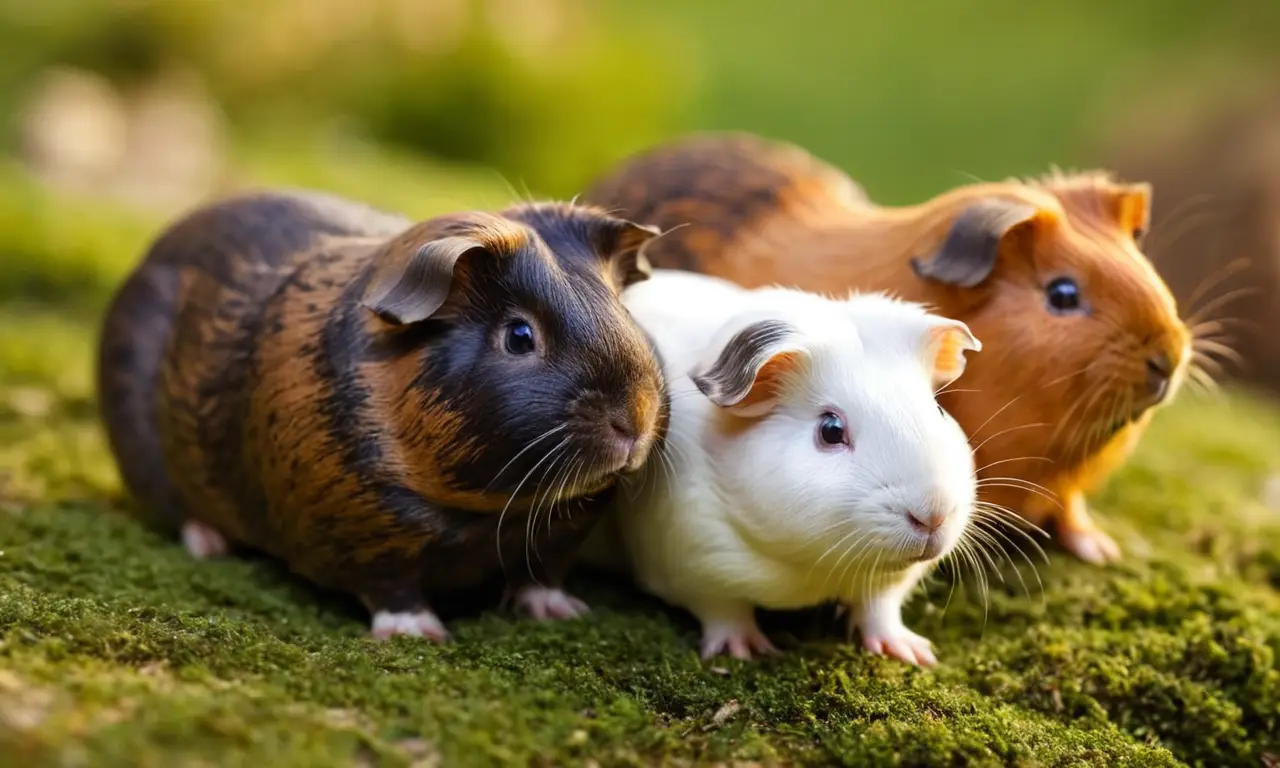
Solid colored guinea pigs have a single, uniform color covering their entire body. These are among the simplest yet most elegant variations. Common solid colors include:
- Black: A deep, rich black that is uniform across the coat.
- White: A pure, snow-white coat, often associated with albino guinea pigs (though not always).
- Chocolate: A deep, dark brown, resembling the color of dark chocolate.
- Cinnamon: A reddish-brown hue, similar to the spice cinnamon.
- Cream: A pale, yellowish-white color.
- Fawn: A light yellowish-brown color.
- Red: A vibrant, rusty red color.
- Golden: A bright, rich yellow color.
- Lilac: A pale grey-blue or lavender color.
- Buff: A yellowish-brown or creamy color.
Dilute Colors
Dilute colors are essentially lighter versions of solid colors, often due to the presence of specific genes that reduce pigment intensity.
- Agouti: This is a very common and distinctive pattern. Agouti guinea pigs have hairs that are banded with different colors. Typically, the base of the hair is dark, followed by a lighter band, and then a darker tip. This creates a ticked or flecked appearance. There are two main types of agouti:
- Standard Agouti: Black base with a reddish-brown or golden band.
- Chocolate Agouti: Chocolate base with a cinnamon or golden band.
- Roan: Roan guinea pigs have white hairs interspersed randomly throughout their coat. This can create a speckled or mottled appearance. The color of the base coat can vary, with black roan, chocolate roan, and red roan being common. It's important to distinguish true roan from the lethal dominant red gene (sometimes called "lethal roan" or "red factor"), which can cause severe health issues and is usually expressed as patches of red rather than uniform speckling.
Bi-Color and Tri-Color Patterns
Many guinea pigs display a combination of two or three distinct colors, often in well-defined patches or markings.
Rabbit Hairballs: Causes, Prevention, and Treatment- Black and White: A classic combination with distinct patches of black and white.
- Chocolate and White: Similar to black and white, but with chocolate brown patches.
- Brindle: Brindle guinea pigs have intermingled hairs of two different colors, giving a striped or mottled appearance. This is different from roan, where individual hairs are banded. Common brindle combinations include black and red, or chocolate and red.
- Dalmatian: These guinea pigs have a white base coat with solid colored spots, resembling a Dalmatian dog. The spots are typically black or chocolate.
- Tortoiseshell (or "Tort"): Tortoiseshell guinea pigs have distinct patches of black and red (or sometimes chocolate and red) that are not mixed or brindled. These patches are clearly defined.
- Calico: Calico guinea pigs have three colors: white, black, and red. The colors appear in distinct patches.
- Himalayan: Himalayan guinea pigs have a white body with colored points (ears, nose, and feet). The color of the points typically matches their eyes (often pink or red) and can be black, chocolate, or lilac. Their color develops gradually as they grow.
Other Notable Color Variations and Markings
- Irish: This marking refers to a white patch on the chest or a white belly, which can occur in conjunction with other color patterns.
- Dutch: The Dutch pattern is characterized by a white blaze on the face and white on the chest and hindquarters, with the rest of the body being colored.
- Markings: Beyond established patterns, individual guinea pigs can have unique markings, such as a white "sock" on a foot, a star on their forehead, or a distinct saddle marking.
Choosing the Right Guinea Pig
When selecting a guinea pig, breed and color are important considerations, but personality and health are paramount.
- Health Check: Always ensure the guinea pig is alert, active, and has clear eyes and nose. Their fur should be clean and free of parasites. Check for any signs of illness, such as lethargy, hunched posture, or discharge.
- Temperament: While breeds often have general personality traits, individual temperaments can vary. Spend time interacting with potential pets to gauge their sociability and how they react to handling.
- Grooming Needs: Consider the grooming commitment required by different breeds. Long-haired breeds will require significantly more time and effort than short-haired varieties.
- Companionship: Guinea pigs are social animals and thrive in pairs or small groups, provided they are introduced properly. Consider adopting a bonded pair or introducing new guinea pigs to each other with care.
Guinea pigs: breeds and colors and their specific care needs:
- Short-haired breeds (American, Rex, Teddy): Generally require less grooming, but regular brushing is still beneficial for coat health and bonding.
- Long-haired breeds (Peruvian, Silkie, Texel): Require daily brushing to prevent mats and tangles. Their hair may need to be trimmed for hygiene and comfort, especially around the hindquarters.
- Abyssinians: Their rosettes need regular checking for matting and potential skin issues.
In summary
The world of Guinea pigs: breeds and colors is as diverse and captivating as the personalities of the guinea pigs themselves. From the sleek coat of an American to the elaborate curls of a Texel, and from the solid richness of black to the playful speckles of a roan, there is a guinea pig to suit every preference. Understanding the nuances of breeds and colors not only enhances the appreciation for these charming creatures but also aids in making informed decisions about their care. By considering breed characteristics, color patterns, and, most importantly, the individual health and temperament of each guinea pig, prospective owners can find a truly special companion to bring joy and enrichment to their lives. The dedication to understanding their diverse origins and visual attributes is a rewarding step in providing a happy and healthy life for these delightful small animals.
Cat Urinary Crystals: Types, Symptoms & Treatment Guide
Cat Weight: How Do I Know If My Cat Is Fat?

Encephalitis in Dogs: Symptoms, Causes & Treatment
Dog Cavities: Causes, Symptoms, and Treatment Options

Natural Flea Relief: Home Remedies for Fleas in Cats

Newborn Puppy Feeding Guide: From Birth to Weaning
Related posts