
Dog Hair Loss: Unraveling Causes & Effective Treatments
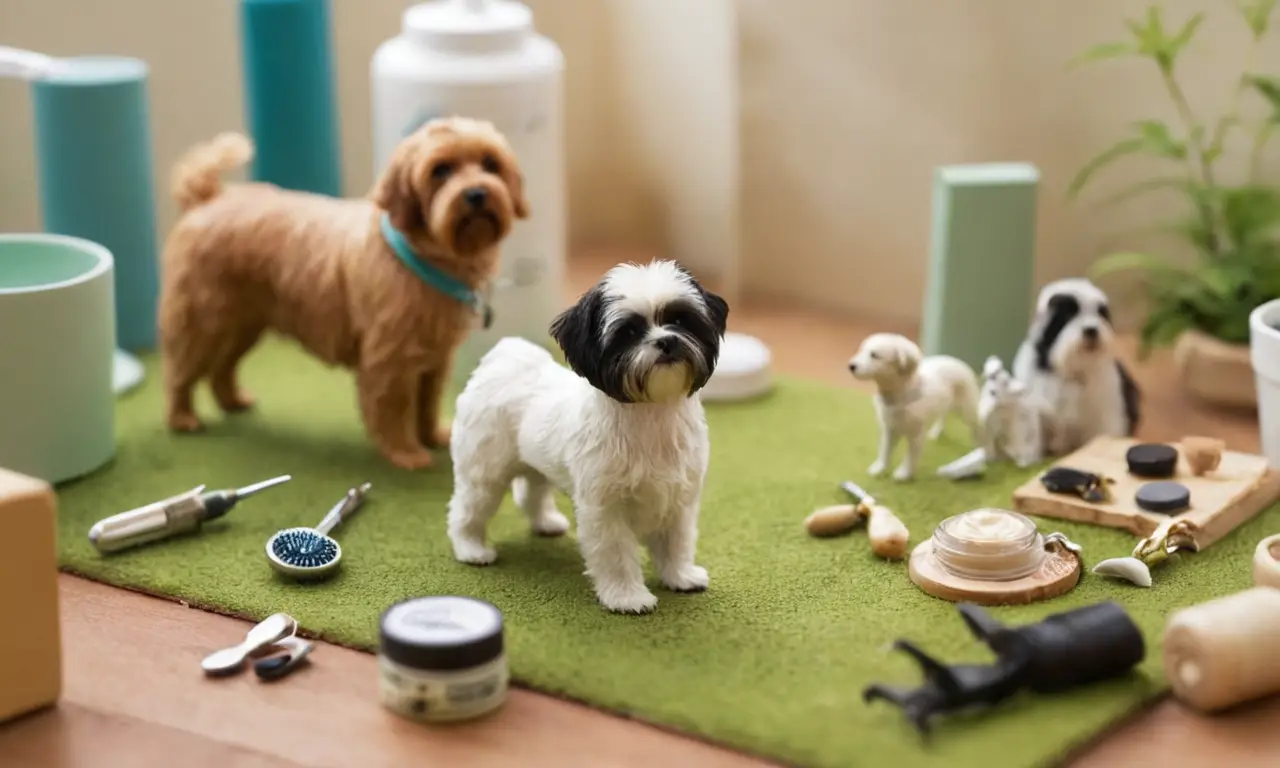
Understanding Hair Loss in Dogs: Causes and Effective Treatments
Hair loss in dogs, also known medically as alopecia, is a common concern for pet owners. While some shedding is normal, excessive or patchy hair loss can be a sign of an underlying health issue that requires attention. This comprehensive guide will delve into the various hair loss in dogs - causes and treatment options, empowering you to identify potential problems and seek the best course of action for your beloved canine companion.
𝙲𝚘𝚗𝚝𝚎𝚗𝚝
The Natural Shedding Cycle: A Baseline
Before diving into abnormalities, it's crucial to understand the natural hair growth cycle in dogs. Dogs, like humans, experience continuous shedding and regrowth of their fur. This cycle involves three main phases: anagen (growth), catagen (transitional), and telogen (resting).
- Anagen Phase: This is the active growth phase where hair follicles produce new hair shafts. The duration of this phase varies depending on the breed, coat type, and individual dog.
- Catagen Phase: A short transitional phase where hair growth stops, and the follicle begins to shrink.
- Telogen Phase: The resting phase, where the old hair remains in the follicle until it's eventually pushed out by a new growing hair, initiating the next anagen phase.
Breeds with double coats, such as Huskies, German Shepherds, and Golden Retrievers, tend to shed more seasonally, typically in spring and fall, to adapt to changing temperatures. Understanding your dog's normal shedding pattern is the first step in recognizing when something is amiss.
Common Causes of Hair Loss in Dogs
When hair loss goes beyond normal shedding, it's often a symptom of a more significant issue. These causes can range from environmental factors to serious medical conditions.
1. Parasitic Infestations
External parasites are among the most frequent culprits behind excessive shedding and localized hair loss. The intense itching and discomfort caused by these pests lead dogs to scratch, lick, and chew at their skin, damaging hair follicles and resulting in hair loss.
- Fleas: Flea bites are highly irritating. Even a few fleas can trigger a significant allergic reaction in some dogs, leading to flea allergy dermatitis, characterized by intense itching, red bumps, and hair loss, particularly around the base of the tail and hindquarters.
- Mites: Various types of mites can infest a dog's skin.
- Sarcoptic Mange (Scabies): Caused by the Sarcoptes scabiei mite, this is highly contagious and causes intense itching, leading to severe skin irritation, crusting, and hair loss, often starting on the ear tips, elbows, and hocks.
- Demodectic Mange (Demodex): Caused by Demodex mites, which are normally present in small numbers on dog skin. However, if a dog's immune system is compromised, these mites can overpopulate, leading to patchy, non-itchy hair loss, particularly around the face and legs. In severe cases, it can become generalized and itchy.
- Cheyletiella Mites (Walking Dandruff): These mites cause scaling and flaking of the skin, often accompanied by itching and hair loss.
- Ticks: While ticks are primarily known for transmitting diseases, heavy tick infestations can also cause localized irritation and hair loss at the bite sites.
2. Fungal Infections
Fungal infections, most notably ringworm, are a common cause of hair loss in dogs. Ringworm is a misnomer, as it's not caused by a worm but by a dermatophyte fungus.
Rabbit Hairballs: Causes, Prevention, and Treatment- Ringworm (Dermatophytosis): This highly contagious infection typically presents as circular, crusty patches of hair loss. The skin within these patches may be red and scaly. It can appear anywhere on the body but is often seen on the head, ears, and paws. It's zoonotic, meaning it can be transmitted to humans.
3. Bacterial Infections
Bacterial skin infections, known as pyoderma, can arise secondarily to other causes of skin irritation, such as allergies or parasites, or they can be primary issues.
- Superficial Pyoderma: This affects the upper layers of the skin and can lead to red, inflamed patches, pustules (pimples), and hair loss.
- Deep Pyoderma: This involves deeper skin layers and can be more severe, leading to abscesses, draining wounds, and significant hair loss.
4. Allergies
Allergies are a leading cause of chronic itching and subsequent hair loss in dogs. The constant scratching and licking damage the skin and hair follicles.
- Flea Allergy Dermatitis (FAD): As mentioned earlier, this is a common and severe allergic reaction to flea saliva.
- Environmental Allergies (Atopy): Dogs can develop allergies to environmental allergens like pollen, dust mites, molds, and dander. Symptoms often include itching, redness, and hair loss, particularly on the paws, ears, face, and belly.
- Food Allergies: Certain ingredients in a dog's diet can trigger allergic reactions. Symptoms can include gastrointestinal issues and skin problems like itching, redness, and hair loss.
5. Hormonal Imbalances and Endocrine Disorders
Several hormonal conditions can disrupt the hair growth cycle, leading to thinning hair or complete hair loss.
- Cushing's Disease (Hyperadrenocorticism): This condition involves the overproduction of cortisol by the adrenal glands. Symptoms include thinning fur, especially on the flanks and abdomen, increased thirst and urination, and a pot-bellied appearance. The skin may also become thin and prone to infection.
- Hypothyroidism: This is a deficiency in thyroid hormone production, which regulates metabolism. Symptoms can include lethargy, weight gain, a dull coat, and symmetrical hair loss, often on the trunk and tail (dubbing tail). The skin may also become thickened and dark.
- Sex Hormone Imbalances: Imbalances in estrogen, testosterone, or other sex hormones can lead to hair loss, particularly around the genital areas, abdomen, and flanks. This is more common in unspayed females or intact males.
6. Nutritional Deficiencies
A balanced diet is crucial for healthy skin and a lustrous coat. Deficiencies in essential nutrients can manifest as dullness, dryness, and hair loss.
- Protein: Hair is primarily made of protein. Insufficient protein intake can lead to poor coat quality and shedding.
- Fatty Acids (Omega-3 and Omega-6): These are vital for skin health and reducing inflammation. A lack of these can result in a dry, flaky coat and hair loss.
- Vitamins and Minerals: Deficiencies in vitamins A, E, biotin, zinc, and copper can all contribute to hair loss and skin problems.
7. Stress and Anxiety
Just like in humans, stress and anxiety can manifest physically in dogs. Extreme stress or sudden trauma can lead to a condition called "telogen effluvium," where a large number of hairs prematurely enter the resting phase and shed simultaneously a few months later. This can result in a noticeable thinning of the coat.
8. Genetic Predisposition
Some breeds are genetically predisposed to certain types of hair loss.
Discover Amazing Hairless Dog Breeds: A Comprehensive Guide- Alopecia X (Black Skin Disease): This is a condition primarily seen in Nordic breeds (like Pomeranians, Huskies, and Samoyeds) and is characterized by progressive symmetrical hair loss, often leaving the skin black and thickened. The exact cause is unknown but is believed to involve hormonal or genetic factors.
- Color Dilution Alopecia: Seen in breeds with dilute coat colors (e.g., blue or fawn Dobermans), this condition causes hair thinning and loss, particularly in the diluted areas, and can be associated with dry, flaky skin.
9. Autoimmune Diseases
In rare cases, a dog's immune system can mistakenly attack its own hair follicles, leading to autoimmune-related hair loss.
- Sebaceous Adenitis: An inflammatory condition that damages sebaceous glands in the skin, leading to scaling, crusting, and hair loss.
- Lupus: Various forms of lupus can affect the skin and cause hair loss, often in characteristic patterns.
10. Medical Treatments and Side Effects
Certain medications, such as chemotherapy drugs or some long-term steroid treatments, can have hair loss as a side effect. Radiation therapy can also cause localized hair loss.
Diagnosing the Cause of Hair Loss
Accurate diagnosis is paramount for effective treatment. Your veterinarian will conduct a thorough examination and may recommend several diagnostic tests:
- Physical Examination: The vet will assess the pattern and extent of hair loss, examine the skin for redness, scaling, crusting, or pustules, and check for the presence of parasites.
- Skin Scrapings: Used to identify the presence of mites like Sarcoptes or Demodex.
- Fungal Culture: To diagnose ringworm.
- Bacterial Culture and Sensitivity: To identify the specific bacteria causing an infection and determine the most effective antibiotics.
- Blood Tests:
- Complete Blood Count (CBC) and Chemistry Panel: To assess overall health and identify potential systemic issues.
- Hormone Level Testing: To diagnose endocrine disorders like hypothyroidism or Cushing's disease.
- Allergy Testing: Blood or skin tests can help identify environmental allergens. Elimination diet trials are used for food allergies.
- Biopsy: In some cases, a small skin sample may be taken and sent to a pathologist for microscopic examination, especially for suspected autoimmune conditions or unusual skin lesions.
Treatment Options for Hair Loss in Dogs
The treatment plan for hair loss in dogs - causes and treatment will entirely depend on the underlying cause.
1. Parasite Control
- Topical or Oral Medications: Veterinarians prescribe effective flea, tick, and mite treatments. Consistent application according to the veterinarian's instructions is crucial.
- Environmental Treatment: For severe flea infestations, treating the home environment (carpets, bedding) may be necessary.
2. Fungal and Bacterial Infections
- Antifungal Medications: Topical creams, shampoos, or oral medications are used to treat ringworm.
- Antibiotics: Oral or topical antibiotics are prescribed for bacterial infections. Medicated shampoos can also be beneficial.
3. Allergy Management
- Flea Control: Strict flea prevention is essential for dogs with FAD.
- Dietary Management: For food allergies, an elimination diet trial with a novel protein or hydrolyzed protein diet is the gold standard for diagnosis and management.
- Immunotherapy (Allergy Shots): For environmental allergies, immunotherapy can help desensitize the dog to specific allergens over time.
- Medications: Antihistamines, corticosteroids, or other anti-itch medications may be prescribed to manage symptoms, but they are usually temporary solutions. Newer medications like Apoquel and Cytopoint are highly effective in managing chronic itching without the side effects of steroids.
4. Hormonal Imbalances
- Thyroid Hormone Supplementation: For hypothyroidism, daily oral thyroid hormone replacement therapy is highly effective.
- Medications for Cushing's Disease: Medications that inhibit cortisol production are used to manage Cushing's.
- Hormone Therapy: For sex hormone imbalances, spaying or neutering is often recommended, or specific hormone therapies may be used.
5. Nutritional Support
- Dietary Supplements: Adding omega-3 and omega-6 fatty acid supplements to the diet can improve skin and coat health.
- Balanced Diet: Ensuring your dog is fed a high-quality, balanced dog food appropriate for their life stage and breed is fundamental.
6. Stress Reduction
- Environmental Enrichment: Providing adequate exercise, mental stimulation, and a secure environment can reduce stress.
- Behavioral Modification: For severe anxiety, consulting with a veterinary behaviorist may be necessary.
7. Other Treatments
- Topical Treatments: Medicated shampoos, conditioners, and sprays can help soothe irritated skin, promote healing, and aid in hair regrowth.
- Grooming: Regular brushing helps distribute natural oils, stimulates circulation, and allows for early detection of skin issues.
- Surgery: In rare cases, if a skin growth or tumor is causing localized hair loss, surgical removal may be required.
Preventing Hair Loss in Dogs
While not all hair loss in dogs - causes and treatment can be prevented, some proactive measures can significantly reduce the risk:
- Regular Veterinary Check-ups: Early detection of health issues is key.
- Parasite Prevention: Administer monthly flea and tick preventatives year-round.
- Balanced Diet: Feed a high-quality, species-appropriate diet.
- Good Grooming Practices: Regular brushing and bathing with appropriate products.
- Stress Management: Create a stable and enriching environment for your dog.
- Prompt Attention to Skin Issues: Don't ignore signs of itching, redness, or unusual patches on your dog's skin.
Hair loss in dogs can be a distressing symptom, but with prompt veterinary attention and appropriate treatment, most dogs can regain a healthy coat and overall well-being. Understanding the potential causes and working closely with your veterinarian is the most effective way to address this common canine concern.
Adorable Halloween Costumes for Cats: Spooktacular Styles
Cat Urinary Crystals: Types, Symptoms & Treatment Guide
Cat Weight: How Do I Know If My Cat Is Fat?
Encephalitis in Dogs: Symptoms, Causes & Treatment
Dog Cavities: Causes, Symptoms, and Treatment Options
Natural Flea Relief: Home Remedies for Fleas in Cats

Newborn Puppy Feeding Guide: From Birth to Weaning
Related posts