
Best Hay for Guinea Pigs: Types & Choosing Guide
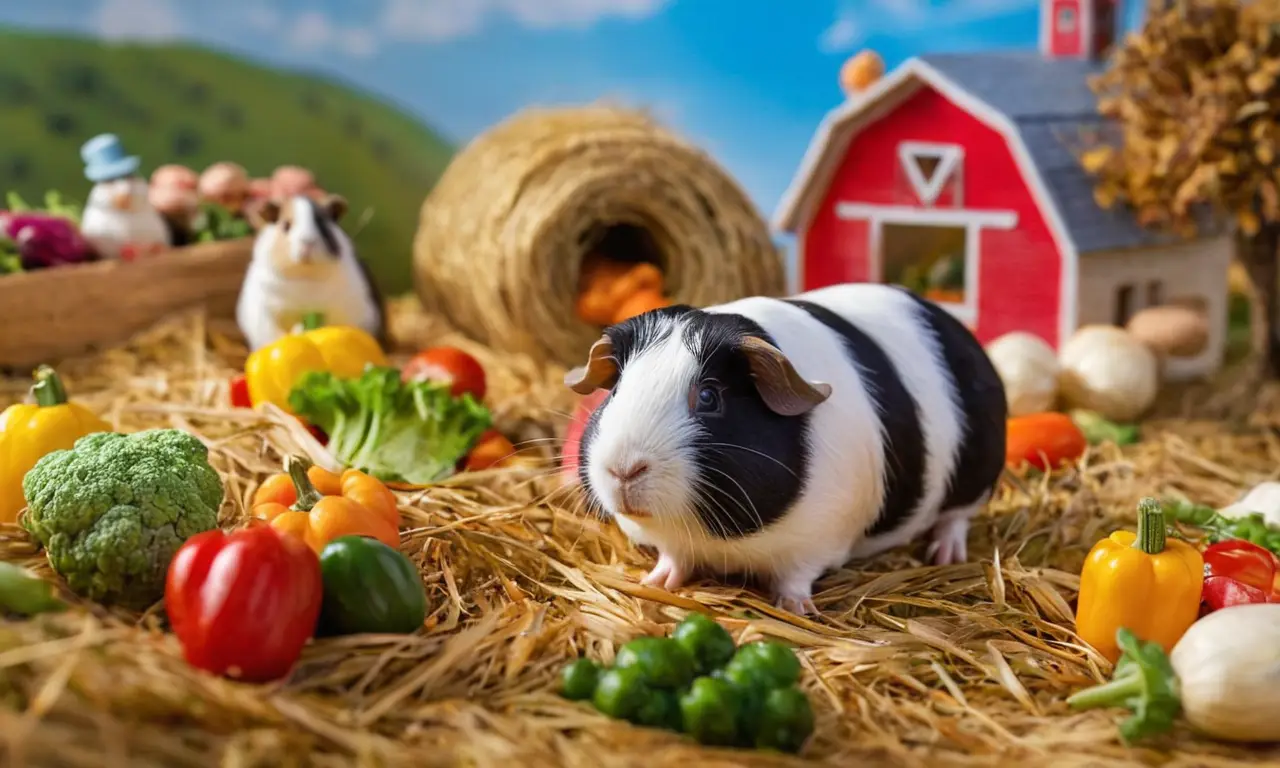
Hay for Guinea Pigs - Types and How to Choose the Best
Guinea pigs, those adorable, chattering little companions, have a very specific and vital dietary need: hay. It's not just a treat or an occasional addition; hay forms the cornerstone of a healthy guinea pig diet, crucial for their digestion, dental health, and overall well-being. Without adequate hay, guinea pigs can suffer from serious health issues, including gut stasis, dental malocclusions, and weight loss. Understanding the different types of hay available and how to select the best one for your furry friend is paramount for any responsible guinea pig owner. This comprehensive guide will delve deep into the world of guinea pig hay, exploring the various types, their nutritional benefits, and the key factors to consider when making your selection.
𝙲𝚘𝚗𝚝𝚎𝚗𝚝
The Indispensable Role of Hay in a Guinea Pig's Diet
Before we dive into the specifics of hay types, it's essential to understand why hay is so critical for guinea pigs. Unlike many other pets, guinea pigs are herbivores with a hindgut fermentation system. This means their digestive system relies on a constant influx of fiber to function correctly.
- Digestive Health: Hay provides the essential fiber that keeps their digestive system moving smoothly. The indigestible fiber in hay stimulates peristalsis, the muscular contractions that move food through the intestines. Without enough fiber, food can slow down, leading to a dangerous condition called gut stasis, where the digestive system essentially grinds to a halt. This is a life-threatening emergency for guinea pigs.
- Dental Health: Guinea pigs' teeth grow continuously throughout their lives. Chewing on fibrous hay is the natural way they wear down their teeth. If their teeth aren't worn down sufficiently, they can develop painful spurs and malocclusions (misaligned teeth), making it difficult and painful for them to eat. This can lead to nutritional deficiencies and further health complications.
- Enrichment and Behavioral Needs: Beyond the physiological benefits, hay also provides essential mental stimulation and encourages natural foraging behaviors. Guinea pigs love to burrow, chew, and play in their hay. Providing a generous amount of hay allows them to express these natural instincts, reducing stress and boredom.
Common Types of Hay for Guinea Pigs
There are several popular types of hay available for guinea pigs, each with its own unique characteristics and nutritional profile. The most common and recommended types are grass hays.
Timothy Hay
Timothy hay is often considered the gold standard for guinea pig hay, and for good reason. It's widely recommended by veterinarians and experienced guinea pig owners.
- Nutritional Profile: Timothy hay is a mature grass hay that is lower in protein and calcium compared to legume hays, making it ideal for adult guinea pigs. It's rich in fiber, which is crucial for digestion and dental wear.
- Fiber Content: Its high fiber content is excellent for maintaining a healthy digestive tract and preventing constipation.
- Palatability: Most guinea pigs find Timothy hay very palatable, meaning they enjoy eating it. This encourages them to consume sufficient amounts.
- Availability: Timothy hay is readily available in most pet stores and online retailers.
- When to Choose: It's the best all-around choice for adult guinea pigs as their primary source of hay. It can also be fed to younger guinea pigs, but they may benefit from a mix with more nutrient-dense hays.
Orchard Grass Hay
Orchard grass hay is another excellent grass hay option that is gaining popularity among guinea pig owners.
Cat Paw Wound Care: Expert Tips & Healing Secrets- Nutritional Profile: Similar to Timothy hay, Orchard grass is low in protein and calcium, making it a safe and healthy choice for adult guinea pigs. It's also high in fiber.
- Texture and Palatability: It has a softer texture than Timothy hay, which some guinea pigs, especially younger or older ones, might find more appealing. Its taste is also generally well-liked by guinea pigs.
- Versatility: Orchard grass hay is a good standalone hay option or can be mixed with other hays for variety.
- When to Choose: A great alternative or complement to Timothy hay. Its softer texture can be beneficial for guinea pigs with sensitive teeth or those who are picky eaters.
Meadow Hay
Meadow hay is a blend of various dried grasses and sometimes wildflowers, creating a diverse and appealing forage for guinea pigs.
- Nutritional Profile: The nutritional content of meadow hay can vary depending on the specific grasses and plants included. Generally, it's a good source of fiber, with moderate levels of protein and calcium.
- Variety: The mix of different grasses provides a varied diet and can offer a wider range of nutrients. Some meadow hays may contain edible wildflowers, which can be a healthy and interesting addition for guinea pigs.
- Palatability: Many guinea pigs find meadow hay very enjoyable due to its diverse aroma and texture.
- Caution: It's important to ensure the meadow hay is free from harmful weeds, pesticides, or artificial fertilizers. Look for reputable brands that specify their ingredients or sourcing.
- When to Choose: A good choice for providing variety and enrichment. Always ensure the source is safe and free from contaminants.
Oat Hay
Oat hay is made from the stalks and leaves of the oat plant before the grain has fully matured.
- Nutritional Profile: Oat hay is lower in protein and calcium than Timothy hay but is still a good source of fiber. It has a coarser texture.
- Texture: Its slightly coarser texture can be beneficial for dental wear.
- Palatability: Some guinea pigs enjoy oat hay, while others may find it a bit too coarse.
- When to Choose: Can be a good supplement or an occasional treat for dental wear. It's not typically recommended as the sole source of hay for extended periods due to its lower nutrient density compared to Timothy.
Alfalfa Hay (Legume Hay)
Alfalfa hay is a legume hay and is distinctly different from grass hays. It's much richer in protein, calcium, and calories.
- Nutritional Profile: High in protein, calcium, and calories.
- When to Choose: Due to its high nutritional content, alfalfa hay is not recommended as the primary hay source for adult guinea pigs. Excessive protein and calcium can lead to health problems like bladder stones and kidney issues.
- Appropriate Use: Alfalfa hay is primarily suitable for very young, growing guinea pigs (under 6 months old), pregnant or nursing sows, or guinea pigs who are underweight and need to gain weight. It should be fed in moderation and under veterinary guidance.
How to Choose the Best Hay for Your Guinea Pig
Selecting the right hay involves considering several factors to ensure your guinea pig receives optimal nutrition and enjoyment.
1. Age of Your Guinea Pig
This is perhaps the most crucial factor.
Cat Heart Failure: Causes, Symptoms, Diagnosis & Treatment- Young Guinea Pigs (Under 6 months): Growing guinea pigs have higher nutritional needs. They can benefit from a diet that includes alfalfa hay mixed with a good quality grass hay like Timothy or Orchard grass. This provides the extra protein and calcium for healthy growth.
- Adult Guinea Pigs (Over 6 months): Adult guinea pigs have mature digestive systems and lower nutritional requirements. Their primary hay source should be a high-fiber, moderate-protein grass hay. Timothy, Orchard grass, or a good quality Meadow hay are ideal. Alfalfa should be avoided or given only as a very occasional treat.
- Senior Guinea Pigs: Senior guinea pigs might benefit from a slightly softer hay or a mix that is palatable and easy to digest. Orchard grass or a finely chopped Timothy hay can be good options.
2. Hay Quality and Appearance
The visual and olfactory cues of hay are important indicators of its quality.
- Color: Good quality hay should be a greenish-brown color. Bright green hay might indicate it was dried too quickly and lost nutrients, or it could be moldy. Brown or very pale hay is often old and less nutritious.
- Texture: The hay should feel dry but not brittle. It should have a good amount of leaf and stem. Avoid hay that feels dusty or has fine, powdery bits, as this can be irritating to a guinea pig's respiratory system.
- Smell: Fresh hay should have a sweet, pleasant, grassy aroma. If it smells musty, damp, or moldy, it should be discarded immediately.
- Absence of Mold: Mold is extremely dangerous for guinea pigs and can cause severe respiratory infections. Visually inspect the hay for any signs of mold, which can appear as white, gray, or black fuzzy patches.
3. Source and Storage
Where you get your hay and how you store it matters.
- Reputable Brands: Purchase hay from reputable pet food brands or suppliers known for their quality control. Local farms that specialize in animal hay can also be a good source, but ensure they do not use pesticides or herbicides.
- Storage: Hay should be stored in a cool, dry, and well-ventilated area. Avoid plastic bags, which can trap moisture and lead to spoilage. Paper bags, breathable fabric bags, or hay racks designed for storage are preferable. Keep it away from direct sunlight and moisture.
4. Palatability and Your Guinea Pig's Preferences
While nutrition is paramount, your guinea pig's willingness to eat the hay is also important.
- Observe Your Guinea Pig: Some guinea pigs are pickier than others. If your guinea pig is refusing to eat a particular type of hay, try a different brand or a different type of grass hay.
- Variety: Offering a variety of grass hays can keep things interesting and ensure a broader spectrum of nutrients. You can create a mix of Timothy and Orchard grass, or offer Meadow hay alongside Timothy.
How to Provide Hay to Your Guinea Pigs
- Unlimited Access: Guinea pigs should have unlimited access to fresh hay at all times. It should be the bulk of their diet.
- Hay Racks and Containers: Hay racks are popular as they help keep the hay clean and off the cage floor. However, ensure the rack is designed so that your guinea pig can easily access and pull out the hay without getting stuck. Some owners prefer using hay boxes or simply placing a generous amount in a designated corner of the cage.
- Daily Replenishment: Remove any old, soiled hay daily and replenish with fresh hay.
Transitioning to New Hay
If you are changing the type of hay you offer your guinea pig, it's important to do so gradually to avoid digestive upset.
- Introduce Gradually: Start by mixing a small amount of the new hay with their current hay.
- Increase Gradually: Over a week or two, slowly increase the proportion of the new hay while decreasing the old hay.
- Monitor: Observe your guinea pig for any changes in appetite, droppings, or behavior. If you notice any adverse effects, slow down the transition or consult with a veterinarian.
In summary
In summary, Hay for guinea pigs - Types and how to choose the best is a fundamental aspect of responsible guinea pig ownership. Hay isn't just food; it's a dietary necessity that underpins their entire physiological well-being. By understanding the differences between various hay types, their nutritional values, and considering your guinea pig's age and preferences, you can make informed choices that contribute significantly to their long, healthy, and happy life. Always prioritize fresh, high-quality grass hays like Timothy, Orchard, or Meadow hay for adult guinea pigs, and reserve alfalfa hay for specific developmental or health needs. Providing a constant supply of good hay, along with a balanced diet of fresh vegetables and a small amount of pellets, will ensure your guinea pigs thrive. Remember to always consult with a veterinarian if you have any concerns about your guinea pig's diet or health.
Heart Failure in Dogs: Symptoms, Causes & Treatment Options
Cat Urinary Crystals: Types, Symptoms & Treatment Guide
Cat Weight: How Do I Know If My Cat Is Fat?

Encephalitis in Dogs: Symptoms, Causes & Treatment

Dog Cavities: Causes, Symptoms, and Treatment Options
Natural Flea Relief: Home Remedies for Fleas in Cats

Newborn Puppy Feeding Guide: From Birth to Weaning
Related posts