
Homemade Cat Cakes: Healthy & Delicious Recipes for Felines
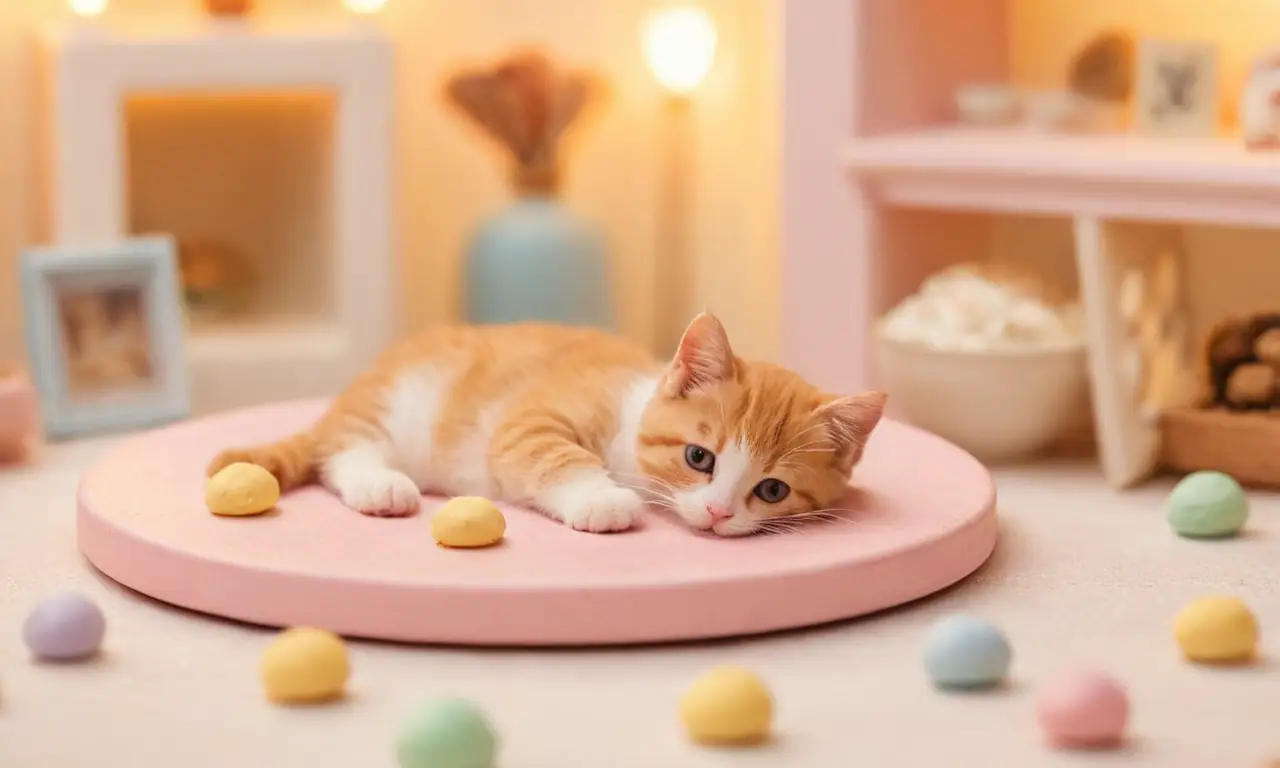
Homemade Cat Cakes: Healthy & Delicious Recipes for Felines
Creating special treats for our feline companions can be a rewarding experience, offering a way to show them extra love and care. While the commercial pet food market is vast, many owners are seeking healthier, more natural alternatives. This desire often extends to treats, leading to the exploration of homemade cat cakes. These specially crafted delights not only cater to your cat's taste buds but also allow you to control the ingredients, ensuring they are free from artificial additives, preservatives, and potentially harmful substances. This article will delve into the world of homemade cat cakes, exploring the benefits, essential considerations, and providing a variety of recipes to inspire your culinary adventures with your furry friend.
𝙲𝚘𝚗𝚝𝚎𝚗𝚝
Why Opt for Homemade Cat Cakes?
The allure of homemade cat cakes goes beyond mere novelty. There are several compelling reasons why cat owners are choosing to bake their own feline-friendly treats.
- Ingredient Control and Transparency: This is arguably the biggest advantage. When you make homemade cat cakes, you know exactly what goes into them. You can select high-quality, human-grade ingredients, avoiding fillers, artificial colors, flavors, and preservatives that are often found in commercial products. This is particularly important for cats with sensitivities, allergies, or specific dietary needs.
- Healthier Alternatives: Many commercially available cat treats are high in carbohydrates, sugars, and unhealthy fats. Homemade cat cakes, on the other hand, can be formulated to be nutritionally balanced and aligned with a cat's carnivorous diet. You can incorporate lean proteins, healthy fats, and essential nutrients.
- Customization for Dietary Needs: Does your cat have a sensitive stomach? Are they prone to allergies? Homemade cat cakes allow you to tailor recipes to address these issues. You can exclude common allergens like grains, dairy, or certain proteins and substitute them with vet-approved alternatives.
- Cost-Effectiveness: While the initial investment in ingredients might seem comparable, making treats in bulk at home can often be more economical than purchasing premium commercial options, especially for a discerning feline palate.
- Bonding Experience: The process of creating something special for your cat can be a fun and bonding activity. It's a tangible way to express your affection.
- Enrichment: Introducing new textures and flavors through homemade cat cakes can provide mental stimulation and enrichment for your cat, preventing boredom and encouraging healthy eating habits.
Essential Considerations Before Baking Homemade Cat Cakes
Before you don your chef's hat and apron, it's crucial to understand some fundamental principles for baking safe and healthy homemade cat cakes. Cats have unique dietary requirements, and what's safe for humans is not always safe for them.
1. Understand Your Cat's Nutritional Needs
Cats are obligate carnivores, meaning their diet should primarily consist of animal-based protein. Their bodies are not well-equipped to digest large amounts of carbohydrates. Key nutrients for cats include:
- Protein: Essential for muscle development, tissue repair, and energy.
- Fats: Provide energy and are crucial for nutrient absorption. Omega-3 and omega-6 fatty acids are particularly beneficial.
- Vitamins and Minerals: A balanced intake is vital for various bodily functions.
- Water: Crucial for hydration and all metabolic processes.
When creating homemade cat cakes, focus on recipes that are rich in protein and moderate in healthy fats, with minimal carbohydrates.
2. Safe and Unsafe Ingredients
This is paramount. Always consult with your veterinarian before introducing new foods to your cat's diet, especially if they have any underlying health conditions.
Safe Ingredients for Homemade Cat Cakes:
Homemade Cat Food: Delicious Fish Recipe for Your Feline- Lean Meats: Cooked chicken, turkey, beef, lamb, and fish (in moderation, and deboned). Ensure they are plain and unseasoned.
- Organ Meats: Liver and heart (in small quantities) can be a good source of nutrients.
- Eggs: A good source of protein and nutrients. Cooked thoroughly.
- Certain Vegetables: Small amounts of cooked, pureed pumpkin, sweet potato, carrots, or peas can be added for fiber and vitamins. Ensure they are plain and cooked soft.
- Cat-Safe Broth: Unsalted chicken or beef broth can add moisture and flavor.
- Oats: In moderation, can be used as a binder or source of fiber.
- Flaxseed or Chia Seeds: Small amounts can add omega-3 fatty acids.
- Nutritional Yeast: Can add a cheesy flavor that many cats enjoy, and provides B vitamins.
- Catnip: A safe and often beloved ingredient for a special treat.
Ingredients to Absolutely Avoid:
- Onions, Garlic, Chives, and Leeks: These are toxic to cats and can cause severe digestive upset and damage red blood cells.
- Chocolate: Contains theobromine, which is highly toxic to cats.
- Grapes and Raisins: Can cause kidney failure.
- Alcohol: Highly toxic.
- Dairy Products (Milk, Cheese, Yogurt): Most adult cats are lactose intolerant and cannot digest lactose, leading to digestive issues.
- Raw Dough (especially with yeast): Can expand in the stomach and produce alcohol.
- Xylitol: An artificial sweetener found in some human foods, which is extremely toxic to cats.
- Excessive Salt and Sugar: Detrimental to their health.
- Spices and Seasonings: Cats have sensitive digestive systems, and many spices can cause irritation.
- Bones: Cooked bones can splinter and cause internal damage.
3. Portion Control and Frequency
Even homemade cat cakes, made with the best ingredients, should be given in moderation. Treats should not constitute a significant portion of your cat's daily caloric intake. Overfeeding can lead to obesity and other health problems. A good rule of thumb is that treats should make up no more than 10% of your cat's daily food intake.
4. Baking Techniques and Storage
- Baking Temperature and Time: Use lower temperatures than you would for human cakes and bake until thoroughly cooked through. Overbaking can dry them out, while underbaking poses a food safety risk.
- Size Matters: Make treats small and easy for your cat to consume in one or two bites.
- Cooling: Always allow homemade cat cakes to cool completely before serving them to your cat to prevent burns.
- Storage: Store homemade cat cakes in an airtight container. Depending on the ingredients, they can be kept in the refrigerator for a few days or frozen for longer storage. If you notice any signs of spoilage (mold, off-odor), discard them immediately.
Delicious Homemade Cat Cake Recipes
Here are a few starting points for creating delightful homemade cat cakes for your feline friend. Remember to adjust ingredients based on your cat's individual needs and preferences, always with veterinary consultation.
Recipe 1: Simple Tuna & Sweet Potato Cakes
This recipe is packed with protein and provides fiber from the sweet potato.
Yields: Approximately 15-20 small cakes
Prep time: 15 minutes
Cook time: 20-25 minutes
Ingredients:
- 1/2 cup cooked, mashed sweet potato (plain, no seasoning)
- 1 (5 oz) can tuna in water, drained very well (ensure it's plain tuna, not seasoned or in oil)
- 1 tablespoon unsalted chicken broth or water
- 1/4 cup cooked, shredded chicken breast (plain, unseasoned)
- 1 tablespoon nutritional yeast (optional, for flavor)
- 1 tablespoon finely ground oat flour or whole wheat flour (optional, for binding)
Instructions:
Dog Kidney Failure Diet: Homemade Solutions & Care Tips- Preheat your oven to 325°F (160°C). Line a baking sheet with parchment paper.
- In a medium bowl, combine the mashed sweet potato, drained tuna, chicken broth, shredded chicken, and nutritional yeast (if using).
- Mix thoroughly until well combined. The mixture should hold together. If it seems too wet, add the oat flour or whole wheat flour a teaspoon at a time until it reaches a workable consistency.
- Roll small portions of the mixture into tiny balls or press them into mini muffin tins or small cake molds. Aim for bite-sized portions.
- Bake for 20-25 minutes, or until firm to the touch and lightly golden.
- Let the homemade cat cakes cool completely on the baking sheet before serving.
- Store any leftovers in an airtight container in the refrigerator for up to 3-4 days.
Recipe 2: Salmon & Spinach Bites
A flavorful and nutrient-rich option for your discerning cat.
Yields: Approximately 15-20 small bites
Prep time: 15 minutes
Cook time: 18-22 minutes
Ingredients:
- 1/2 cup cooked salmon, flaked and deboned (plain, boiled or baked)
- 1/4 cup cooked, pureed spinach (ensure it's cooked and bland)
- 1 tablespoon unsalted chicken or fish broth
- 1 tablespoon finely ground almond flour or coconut flour (for binding)
- 1 teaspoon dried catnip (optional, for an extra special treat)
Instructions:
- Preheat your oven to 325°F (160°C). Line a baking sheet with parchment paper.
- In a bowl, combine the flaked salmon, pureed spinach, broth, and almond or coconut flour.
- Add the catnip if you're using it. Mix everything together until a cohesive dough forms.
- Shape small portions into tiny patties or balls.
- Place the homemade cat cakes on the prepared baking sheet.
- Bake for 18-22 minutes, until they are firm.
- Allow to cool completely before serving.
- Refrigerate leftovers for up to 3 days.
Recipe 3: Chicken Liver & Pumpkin Delights
A more potent, nutrient-dense treat for cats who love savory flavors.
Yields: Approximately 12-15 small delights
Prep time: 20 minutes
Cook time: 25-30 minutes
Ingredients:
Easy Homemade Dog Biscuits: 5 Delicious & Healthy Recipes- 1/4 cup cooked chicken liver, finely minced or pureed
- 1/4 cup plain pumpkin puree (100% pumpkin, not pie filling)
- 1 tablespoon cooked, shredded chicken breast
- 1 tablespoon finely ground oat flour
- 1-2 tablespoons unsalted chicken broth, as needed
Instructions:
- Preheat your oven to 325°F (160°C). Line a baking sheet with parchment paper.
- In a bowl, combine the minced chicken liver, pumpkin puree, and shredded chicken.
- Add the oat flour and mix well.
- Gradually add chicken broth, one tablespoon at a time, until the mixture is firm enough to shape but not sticky.
- Form small, bite-sized portions and place them on the baking sheet.
- Bake for 25-30 minutes, until firm and cooked through.
- Cool completely before offering to your cat.
- Store in an airtight container in the refrigerator for up to 3 days.
Tips for Success with Homemade Cat Cakes
- Start Small: Introduce any new homemade cat cakes gradually. Offer a tiny piece first and monitor your cat for any digestive upset.
- Observe Your Cat: Pay attention to which flavors and textures your cat prefers. Some cats are pickier than others!
- Consult Your Vet: This cannot be stressed enough. If your cat has any health issues, dietary restrictions, or you are unsure about an ingredient, always get the green light from your veterinarian.
- Experiment with Shapes: Use small cookie cutters (cat-themed, of course!) or mini muffin tins to create fun shapes for your homemade cat cakes.
- Batch Baking and Freezing: If you find a recipe your cat loves, consider making a larger batch and freezing portions for later. This saves time and ensures you always have healthy treats on hand.
In summary
The world of homemade cat cakes offers a delightful and healthy way to pamper your feline friend. By taking control of the ingredients, you can ensure your cat enjoys treats that are not only delicious but also contribute to their overall well-being. Remember to prioritize safety, consult with your veterinarian, and have fun creating these special culinary delights for your beloved companion. With a little creativity and a lot of love, you can bake a batch of homemade cat cakes that will have your cat purring with delight!
Parrot Diet: Best Fruits and Vegetables for Your Bird

Festive Feasts: Top Christmas Recipes for Dogs
Dog Kidney Failure Diet: Homemade Solutions & Care Tips

Choosing the Best Dog Food: A Comprehensive Guide
Cat Hepatitis Diet: Essential Foods for Your Feline Friend
Understanding the Composition of Cat Food for Health
Related posts