
Homemade Recipes for Baby Cats: Nourishing Your Kitten Safely
Homemade Recipes for Baby Cats: Nourishing Your Kitten Safely
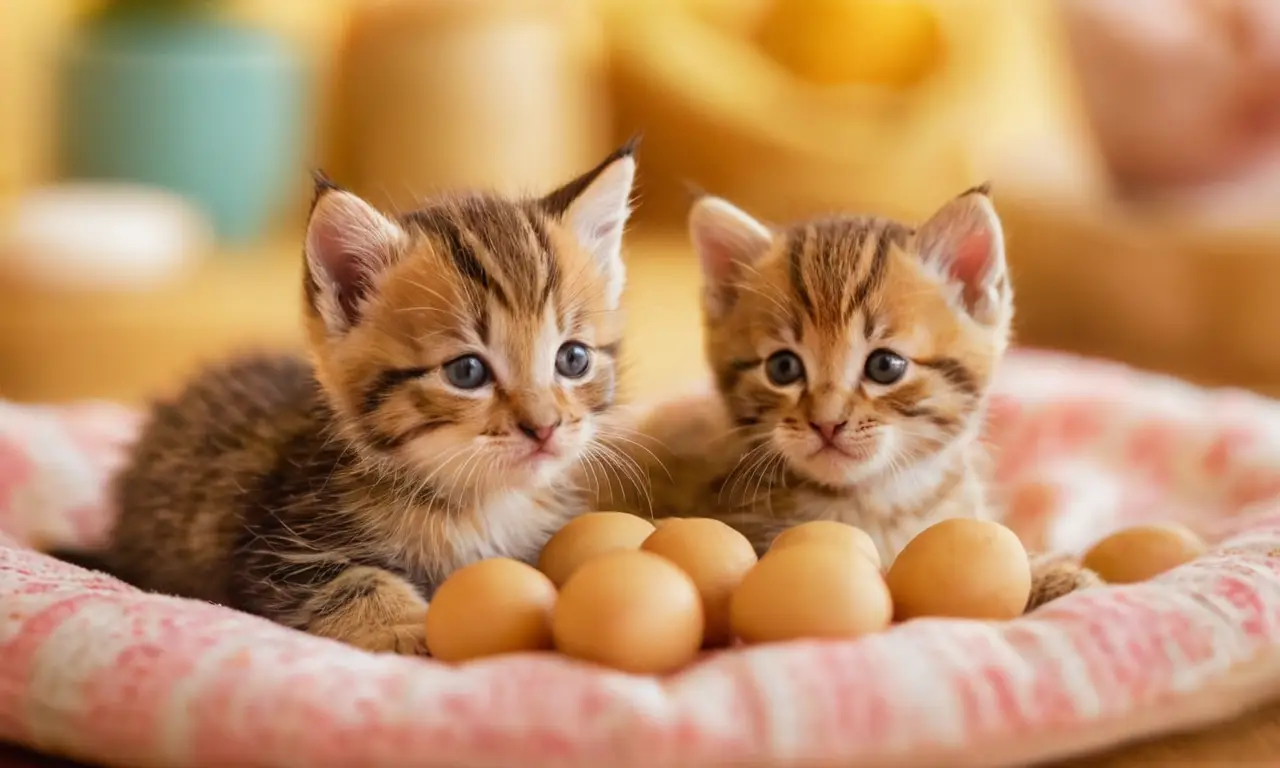
Welcoming a new kitten into your home is an incredibly joyous experience. As they grow, ensuring they receive optimal nutrition is paramount for their healthy development. While commercially produced kitten food is readily available and formulated to meet their specific needs, some pet owners are interested in exploring homemade recipes for baby cats. This approach can offer peace of mind regarding ingredient quality and allow for customization based on individual kitten sensitivities. However, preparing homemade meals for young felines requires a deep understanding of their nutritional requirements, potential pitfalls, and the importance of veterinary guidance. This article delves into the world of homemade recipes for baby cats, providing insights into the essential nutrients, safe ingredients, and the crucial steps to ensure your kitten thrives on a homemade diet.
𝙲𝚘𝚗𝚝𝚎𝚗𝚝
- Understanding Kitten Nutritional Needs
- Key Considerations Before Opting for Homemade Recipes for Baby Cats
- Safe and Suitable Ingredients for Homemade Recipes for Baby Cats
- Sample Homemade Recipes for Baby Cats (with a Disclaimer)
- Preparing and Storing Homemade Kitten Food
- Transitioning to a Homemade Diet
- Signs Your Kitten is Thriving on Their Diet
- When to Revert to Commercial Food
- In summary
Understanding Kitten Nutritional Needs
Kittens have distinct nutritional demands compared to adult cats. Their rapid growth and development necessitate a diet rich in protein, fats, vitamins, and minerals. Commercial kitten foods are meticulously balanced to provide these nutrients, and replicating this precise balance at home can be challenging.
Protein Powerhouse
Protein is the building block for muscle, tissue, and organ development. Kittens require a significantly higher protein percentage in their diet than adult cats. This protein should be of high biological value, meaning it contains all the essential amino acids that a cat's body cannot synthesize on its own. Animal-based proteins are crucial because they are complete and easily digestible.
Essential Fatty Acids
Fats are a concentrated source of energy and play a vital role in the absorption of fat-soluble vitamins (A, D, E, and K). Essential fatty acids, such as omega-3 and omega-6, are critical for brain development, immune function, and maintaining healthy skin and coat.
Vitamins and Minerals for Growth
Vitamins and minerals are essential for a myriad of bodily functions, from bone health to immune defense. Calcium and phosphorus are particularly important for skeletal development. Other crucial micronutrients include taurine, an amino acid essential for heart health and vision, which cats cannot produce sufficiently on their own. Iron is vital for red blood cell production, and various B vitamins support metabolism and nervous system function.
Key Considerations Before Opting for Homemade Recipes for Baby Cats
Embarking on a journey with homemade recipes for baby cats is a significant commitment and requires careful planning and ongoing vigilance. It is imperative to consult with a veterinarian or a veterinary nutritionist before making any drastic changes to your kitten's diet.
The Risk of Nutritional Imbalances
The most significant risk associated with homemade diets for kittens is the potential for nutritional deficiencies or excesses. Even slight imbalances can have profound long-term health consequences, including:
Homemade Wet Cat Food: Healthier & Tastier for Felines- Growth Retardation: Insufficient calories or essential nutrients can stunt a kitten's growth.
- Skeletal Abnormalities: Imbalances in calcium and phosphorus can lead to weak bones, rickets, or other orthopedic issues.
- Immune System Compromise: Deficiencies in vitamins and minerals can weaken the immune system, making kittens more susceptible to infections.
- Organ Damage: Lack of taurine, for example, can lead to serious heart conditions.
- Digestive Upset: Incorrectly prepared ingredients or a diet lacking sufficient fiber can cause vomiting and diarrhea.
The Importance of Veterinary Guidance
A veterinarian can assess your kitten's individual health status, age, breed, and any pre-existing conditions to advise on the suitability of a homemade diet. They can also help formulate a balanced recipe or recommend specific supplements to ensure all nutritional requirements are met. A veterinary nutritionist is an invaluable resource for creating precise, species-appropriate homemade recipes for baby cats.
Safe and Suitable Ingredients for Homemade Recipes for Baby Cats
When preparing homemade meals, selecting the right ingredients is paramount. Focus on fresh, high-quality, and easily digestible components.
Lean Protein Sources
- Cooked Chicken Breast: Boiled or baked chicken breast, finely minced or ground, is an excellent source of lean protein. Ensure it is cooked thoroughly and free of bones and skin.
- Cooked Turkey Breast: Similar to chicken, cooked turkey breast is a good lean protein option.
- Cooked Lean Beef: Small amounts of cooked, lean beef (like sirloin or tenderloin) can be offered, ensuring it's well-cooked and fat is trimmed.
- Cooked Fish (in moderation): Certain cooked fish, like salmon or sardines (canned in water, no salt added), can be a good source of omega-3 fatty acids. However, fish should be fed sparingly due to potential thiamine deficiency if it's the sole protein source and the risk of mercury contamination in some types. Always cook fish thoroughly.
Healthy Fats
- Fish Oil Supplements: Often, a specific fish oil supplement recommended by your vet is a safer and more controlled way to provide essential omega-3 fatty acids than relying solely on fatty fish.
- Small amounts of cooked chicken or turkey fat: While fat is essential, it's best to rely on lean protein sources and supplement with specific fats or oils as recommended.
Carbohydrates (Use Sparingly)
Kittens are obligate carnivores, meaning their primary diet should consist of animal products. While some carbohydrates can be included in small amounts for energy and fiber, they are not essential and should not form a significant portion of the diet.
- Cooked Rice: Plain, white rice, thoroughly cooked, can be easily digestible and added in small quantities to provide some carbohydrates and fiber.
- Cooked Sweet Potato: A small amount of plain, cooked sweet potato, mashed, can offer some vitamins and fiber.
Essential Supplements (Crucial for Homemade Diets)
This is where the complexity of homemade recipes for baby cats truly emerges. Commercial kitten foods are fortified with essential vitamins and minerals. When preparing homemade meals, you must supplement to avoid deficiencies.
- Taurine Supplement: This is non-negotiable. Taurine deficiency is a serious and potentially fatal condition for cats. Your vet will advise on the correct dosage.
- Calcium Supplement: A calcium supplement, often in the form of calcium carbonate or calcium citrate, is crucial for bone development. The calcium-to-phosphorus ratio is critical and must be balanced.
- Multivitamin/Mineral Supplement for Cats: A high-quality, species-specific multivitamin and mineral supplement designed for kittens can help bridge any nutritional gaps.
- Vitamin E: May be recommended to balance out the increased omega-3 fatty acids from fish oil.
Sample Homemade Recipes for Baby Cats (with a Disclaimer)
The following are examples and should never be implemented without consulting a veterinary nutritionist. The ratios and exact ingredients will need to be tailored to your specific kitten.
Example Recipe 1: Chicken and Rice Delight
Ingredients:
- 1 cup cooked, boneless, skinless chicken breast, finely ground
- 1/2 cup cooked white rice
- 1 tablespoon chicken liver, cooked and finely ground (provides vitamin A and other nutrients)
- 1/4 teaspoon taurine supplement
- Calcium supplement (as recommended by vet, e.g., calcium carbonate)
- A high-quality kitten multivitamin/mineral supplement
Instructions:
Hypoallergenic Dog Food: Signs of a Good Choice- Cook the chicken breast thoroughly and mince or grind it finely.
- Cook the white rice until very soft.
- Cook the chicken liver thoroughly and mince or grind it finely.
- In a bowl, combine the ground chicken, cooked rice, and ground liver.
- Thoroughly mix in the taurine supplement, calcium supplement, and multivitamin/mineral supplement. Ensure the supplements are evenly distributed.
- Allow the mixture to cool completely before serving.
- Store any unused portions in an airtight container in the refrigerator for no more than 2-3 days.
Example Recipe 2: Turkey and Sweet Potato Mash
Ingredients:
- 1 cup cooked, boneless, skinless turkey breast, finely ground
- 1/4 cup cooked sweet potato, mashed (ensure no added sugar or spices)
- 1 teaspoon cooked egg yolk (provides healthy fats and some vitamins)
- 1/4 teaspoon taurine supplement
- Calcium supplement (as recommended by vet)
- A high-quality kitten multivitamin/mineral supplement
Instructions:
- Cook the turkey breast thoroughly and mince or grind it finely.
- Steam or boil the sweet potato until very tender, then mash it thoroughly.
- Cook the egg yolk until firm and mash it finely.
- In a bowl, combine the ground turkey, mashed sweet potato, and mashed egg yolk.
- Thoroughly mix in the taurine supplement, calcium supplement, and multivitamin/mineral supplement.
- Let the mixture cool before serving.
- Refrigerate leftovers in an airtight container for up to 2-3 days.
Preparing and Storing Homemade Kitten Food
Once you have a veterinarian-approved recipe, proper preparation and storage are vital for safety and quality.
- Cook Thoroughly: All meats and animal products must be cooked thoroughly to kill harmful bacteria like Salmonella and E. coli. Avoid raw meat diets for kittens due to the high risk of foodborne illness.
- Avoid Bones: Never feed cooked bones to kittens, as they can splinter and cause severe internal damage. Raw bones are also risky for young animals.
- No Seasonings or Additives: Do not add salt, sugar, spices, onions, garlic, or any other human seasonings to your kitten's food. Many of these are toxic to cats.
- Precise Measurement: Accurately measure all ingredients, especially supplements. This is where a kitchen scale can be invaluable.
- Cooling: Always allow homemade food to cool to room temperature before serving to prevent mouth burns.
- Refrigeration and Freezing: Store prepared meals in airtight containers in the refrigerator for no more than 2-3 days. For longer storage, portion the food into individual servings and freeze them. Thaw frozen portions in the refrigerator before serving.
Transitioning to a Homemade Diet
If you are transitioning your kitten from commercial food to a homemade diet, do so gradually to avoid digestive upset.
- Introduce Slowly: Start by mixing a small amount of the homemade food with their current food.
- Increase Gradually: Over a week or two, slowly increase the proportion of homemade food while decreasing the commercial food.
- Monitor Closely: Watch for any signs of digestive distress, such as vomiting, diarrhea, or changes in appetite. If you observe any issues, slow down the transition or consult your vet.
Signs Your Kitten is Thriving on Their Diet
Regardless of whether your kitten is on a commercial or homemade diet, regular observation is key. Signs of a healthy, well-nourished kitten include:
- Bright Eyes and Shiny Coat: A healthy diet contributes to clear eyes and a lustrous, healthy-looking coat.
- Good Energy Levels: Kittens should be playful and active. Lethargy can be a sign of illness or poor nutrition.
- Healthy Stool: Stools should be firm and well-formed.
- Steady Weight Gain: Kittens should gain weight steadily as they grow.
- Normal Appetite: A healthy kitten will have a good appetite.
When to Revert to Commercial Food
While the idea of homemade recipes for baby cats can be appealing, it's crucial to acknowledge when it might not be the best path. If:
- Your kitten experiences persistent digestive issues.
- Your kitten fails to thrive or shows signs of poor health despite your best efforts.
- You find it too challenging or time-consuming to prepare balanced meals consistently.
- Your veterinarian advises against a homemade diet due to specific health concerns.
In such cases, reverting to a high-quality, veterinarian-recommended commercial kitten food is the wisest choice for your kitten's well-being. Commercial foods offer a guarantee of complete and balanced nutrition, formulated by animal nutrition experts.
Dog Diet & Health: Unlocking Canine Wellness with NutritionIn summary
The allure of homemade recipes for baby cats stems from a desire to provide the purest and most wholesome nutrition for a beloved pet. While this can be a rewarding endeavor, it is fraught with potential challenges if not approached with extreme caution and expert guidance. The nutritional requirements of growing kittens are highly specific and complex. Imbalances, even minor ones, can have severe and lasting health repercussions. Therefore, before embarking on the journey of preparing homemade meals, a thorough consultation with your veterinarian or a veterinary nutritionist is not just recommended, but absolutely essential. They can help you navigate the intricacies of feline nutrition, formulate safe and balanced recipes, and guide you on appropriate supplementation. Remember, the ultimate goal is a healthy, happy, and thriving kitten, and sometimes, the most reliable path to achieving that is through scientifically formulated commercial diets. However, for those dedicated to exploring homemade options, diligent research, unwavering commitment to veterinary advice, and meticulous preparation are the cornerstones of success.
Parrot Diet: Best Fruits and Vegetables for Your Bird

Festive Feasts: Top Christmas Recipes for Dogs
Dog Kidney Failure Diet: Homemade Solutions & Care Tips
Choosing the Best Dog Food: A Comprehensive Guide
Cat Hepatitis Diet: Essential Foods for Your Feline Friend
Understanding the Composition of Cat Food for Health
Related posts