

Homemade Serum for Dehydrated Dogs: Essential Hydration Guide
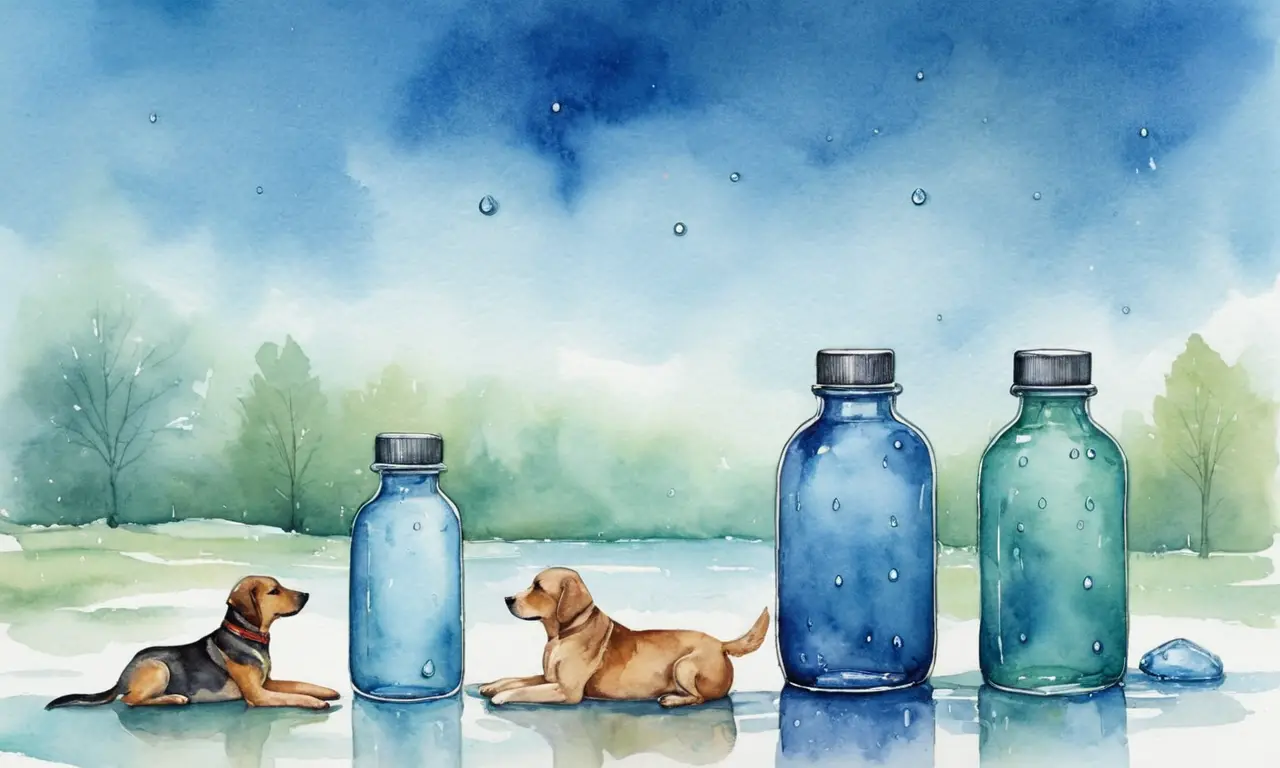
Homemade Serum for Dehydrated Dogs: Essential Hydration Guide
Dehydration in dogs is a serious concern that can arise from various factors, including illness, excessive heat, strenuous activity, or insufficient water intake. While commercial rehydration solutions are available, many pet owners are seeking natural and accessible alternatives. This comprehensive guide explores the benefits and creation of a homemade serum for dehydrated dogs, offering a safe and effective way to replenish vital fluids and electrolytes. We will delve into the causes of dehydration, recognize the signs, understand the importance of proper hydration, and detail how to prepare and administer a DIY serum, along with crucial considerations for your canine companion's well-being.
𝙲𝚘𝚗𝚝𝚎𝚗𝚝
Understanding Dehydration in Dogs
Dehydration occurs when a dog loses more fluids than they consume. This imbalance affects the proper functioning of their bodily systems, from temperature regulation to nutrient transport. Several factors can contribute to a dog becoming dehydrated:
- Illness and Vomiting/Diarrhea: Gastrointestinal issues are common culprits, leading to significant fluid and electrolyte loss.
- Heatstroke and Excessive Exercise: Dogs pant to cool down, but in hot weather or during intense activity, they can lose substantial fluids through respiration.
- Fever and Infections: A higher body temperature increases metabolic rate and fluid loss.
- Kidney Disease and Diabetes: These chronic conditions can impair the body's ability to retain water.
- Inadequate Water Access: Simply not having enough fresh, clean water available is a direct cause.
- Medications: Certain medications can increase urination and lead to fluid loss.
Recognizing the Signs of Dehydration
Early detection is critical for effective treatment. Familiarize yourself with these common symptoms of dehydration in dogs:
- Lethargy and Weakness: A noticeable decrease in energy and responsiveness.
- Dry Gums and Nose: The mucous membranes will feel sticky and dry to the touch, rather than moist and slick.
- Sunken Eyes: The eyes may appear to be recessed in their sockets.
- Loss of Skin Elasticity (Skin Turgor Test): Gently pinch the skin on your dog's back or shoulder. In a well-hydrated dog, it will snap back quickly. In a dehydrated dog, it will return slowly or remain tented.
- Thick, Sticky Saliva: The mouth may feel unusually dry and the saliva can be stringy.
- Panting (excessive): Even when not hot or exercising.
- Reduced Urination: Infrequent or absent urination.
- Elevated Heart Rate: The heart may beat faster to compensate for reduced blood volume.
- Shakiness or Trembling: In more severe cases.
It's important to note: These signs can also indicate other serious health issues. If you suspect your dog is dehydrated, especially if they are showing multiple symptoms or severe signs, consult your veterinarian immediately.
The Importance of Proper Hydration
Water is fundamental to life. For dogs, it plays a crucial role in:
Homeopathy for Animals: Natural Healing for Pets- Temperature Regulation: Water in the blood helps dissipate heat through panting.
- Nutrient Transport: It carries vital nutrients, oxygen, and hormones to cells.
- Waste Removal: It aids in flushing toxins and waste products from the body through urine and feces.
- Joint Lubrication: Water is a component of synovial fluid, lubricating joints.
- Organ Function: All bodily organs require water to function correctly.
- Digestion: It helps break down food and move it through the digestive tract.
When a dog becomes dehydrated, these essential functions are compromised, leading to a cascade of health problems.
Creating a Homemade Serum for Dehydrated Dogs
A homemade serum for dehydrated dogs aims to replenish lost fluids and electrolytes like sodium, potassium, and glucose. These electrolytes are crucial for nerve and muscle function, as well as maintaining fluid balance within the body. While a veterinarian's guidance is always recommended, a simple homemade solution can be a valuable tool in mild to moderate cases or as a bridge to veterinary care.
Basic Ingredients for Your Homemade Serum:
- Water: The foundation of any rehydration solution. Use clean, filtered, or boiled and cooled water.
- Salt (Sodium Chloride): Essential for maintaining fluid balance and nerve function. Use plain table salt without iodine or anti-caking agents.
- Sugar (Glucose/Dextrose): Provides energy and aids in the absorption of water and electrolytes by the intestinal cells. Plain white granulated sugar or dextrose powder is ideal.
- Optional: Potassium Chloride (Salt Substitute): If you have access to a salt substitute that is pure potassium chloride (no other additives), a tiny pinch can be beneficial for replenishing potassium. However, be extremely cautious with this ingredient and consult your vet before using it.
The Recipe:
A commonly recommended ratio for a homemade serum for dehydrated dogs is based on the World Health Organization's (WHO) Oral Rehydration Solution (ORS) formula, adapted for canine needs.
Ingredients:
- 1 liter (approximately 4 cups) of clean, lukewarm water
- 1 teaspoon of salt (about 5-6 grams)
- 2 tablespoons of sugar (about 30 grams)
- Optional: A tiny pinch (less than 1/8 teaspoon) of pure potassium chloride (if advised by your vet)
Instructions:
Homeopathy for Cats: Natural Healing for Feline Health- Warm the Water: Gently warm the water to a lukewarm temperature. This makes it more palatable for your dog and helps the salt and sugar dissolve more easily.
- Dissolve Salt: Add the salt to the warm water and stir until completely dissolved.
- Dissolve Sugar: Add the sugar to the water and stir until it is fully dissolved.
- Add Potassium Chloride (if using): If you are adding potassium chloride, stir it in thoroughly. Again, ensure it's pure potassium chloride and consult your vet.
- Cool to Room Temperature: Allow the solution to cool down to room temperature before offering it to your dog. It should not be too cold or too warm.
Why These Ingredients?
- Water: Replenishes lost body fluids.
- Salt (Sodium): Crucial for maintaining the balance of fluids in and around cells and is vital for nerve impulses and muscle contractions.
- Sugar (Glucose): The presence of glucose in the gut helps facilitate the absorption of sodium and water from the intestines into the bloodstream. This is a principle known as the sodium-glucose cotransporter mechanism.
- Potassium (if used): Another key electrolyte that plays a role in muscle and nerve function, as well as regulating fluid balance.
How to Administer the Homemade Serum
Administering the serum correctly is as important as preparing it.
For Mild Dehydration or Prevention:
- Offer Freely: If your dog is mildly dehydrated, recovering from mild illness, or you want to proactively boost hydration during hot weather or strenuous activity, offer the serum freely in their regular water bowl. You can also flavor it slightly by adding a tiny amount of unsalted chicken or beef broth to the water.
- Gradual Introduction: Some dogs might be hesitant to drink a new solution. Start by offering a small amount and gradually increase the quantity as they get accustomed to it.
For Moderate Dehydration (with veterinary guidance):
If your dog is moderately dehydrated and your veterinarian has advised home care, they may suggest syringe feeding.
- Syringe Feeding: Use a clean, plastic syringe (without a needle). Fill the syringe with small amounts of the serum (e.g., 5-10 ml at a time).
- Placement: Gently insert the tip of the syringe into the side of your dog's mouth, between their cheek and molars. Never force fluid down their throat, as this can lead to aspiration into the lungs.
- Slow and Steady: Allow your dog to lick and swallow the fluid from the syringe at their own pace. Administer small amounts frequently (e.g., every 15-30 minutes) rather than large amounts infrequently.
- Monitor Closely: Observe your dog for any signs of distress, refusal to swallow, or vomiting. If these occur, stop and contact your veterinarian.
When to Seek Veterinary Attention
While a homemade serum for dehydrated dogs can be beneficial, it is not a substitute for professional veterinary care, especially in more severe cases. You MUST consult your veterinarian immediately if:
- Your dog is showing severe signs of dehydration (e.g., extreme lethargy, collapse, rapid breathing, very dry gums, no urination for over 24 hours).
- Dehydration is accompanied by vomiting or diarrhea that is persistent or severe.
- Your dog has underlying health conditions (e.g., kidney disease, heart disease, diabetes).
- Your dog is very young (puppy) or very old, as they are more vulnerable to dehydration.
- Your dog is refusing to drink or eat.
- You are unsure about the cause or severity of the dehydration.
- Your dog does not show signs of improvement within a few hours of offering the serum.
Veterinarians have diagnostic tools to determine the exact cause of dehydration and can administer intravenous (IV) fluids, which are the most effective way to rehydrate a severely dehydrated dog.
Additional Hydration Tips for Dogs
Beyond using a homemade serum, maintaining good hydration is an ongoing effort:
Homeopathy for Dogs with Allergies: A Gentle Approach- Always Provide Fresh Water: Ensure your dog has constant access to clean, fresh water.
- Multiple Water Bowls: Place water bowls in various locations throughout your home, especially if you have a large house or multiple pets.
- Clean Water Bowls Regularly: Wash water bowls daily to prevent bacterial growth.
- Hydrating Foods: Incorporate wet dog food into your dog's diet, or add a small amount of water to their dry kibble.
- Water-Rich Treats: Offer fruits and vegetables with high water content, such as watermelon (seeds and rind removed), cucumber, and carrots, as occasional treats.
- Monitor Water Intake: Pay attention to how much your dog is drinking. A sudden increase or decrease in intake can signal a health issue.
- Cooling Measures in Heat: Provide shade, limit strenuous activity during the hottest parts of the day, and consider cooling mats or a kiddie pool.
Considerations and Warnings
- Dosage: The provided recipe is a general guideline. The amount your dog needs will depend on their size, activity level, and the severity of dehydration. Over-hydration is generally not an issue with oral intake unless the dog is forced to consume excessive amounts rapidly.
- Hygiene: Always prepare the serum in a clean environment with clean utensils.
- Storage: Prepare small batches and discard any leftover serum after 24 hours, or sooner if it appears cloudy or has an off odor. Refrigeration can extend its freshness slightly, but it's best to make it fresh.
- Taste Testing: If you can stomach it, taste the solution yourself. It should taste slightly salty and sweet, not unpalatable.
- Avoid Certain Ingredients: Do not add artificial sweeteners, flavors, or electrolytes like sports drinks designed for humans, as these can be harmful to dogs due to their different physiological needs and potential for containing toxic ingredients like xylitol.
- Individual Sensitivity: Some dogs may have sensitivities to salt or sugar. If your dog experiences digestive upset after consuming the serum, discontinue use and consult your vet.
In summary
Dehydration in dogs is a critical issue that requires prompt attention. While commercial solutions are an option, a homemade serum for dehydrated dogs offers a practical and accessible alternative for mild to moderate cases, providing essential fluids and electrolytes. By understanding the causes and signs of dehydration, and by carefully preparing and administering a balanced homemade solution, you can play a vital role in your dog's recovery and well-being. Remember, this homemade serum is a supportive measure, and always prioritize professional veterinary advice for any health concerns.
Cat Weight: How Do I Know If My Cat Is Fat?

Encephalitis in Dogs: Symptoms, Causes & Treatment
Dog Cavities: Causes, Symptoms, and Treatment Options
Natural Flea Relief: Home Remedies for Fleas in Cats

Newborn Puppy Feeding Guide: From Birth to Weaning

FIP in Cats: Symptoms, Causes, and Treatment Options
Related posts