
Homemade Wet Cat Food: Healthier & Tastier for Felines
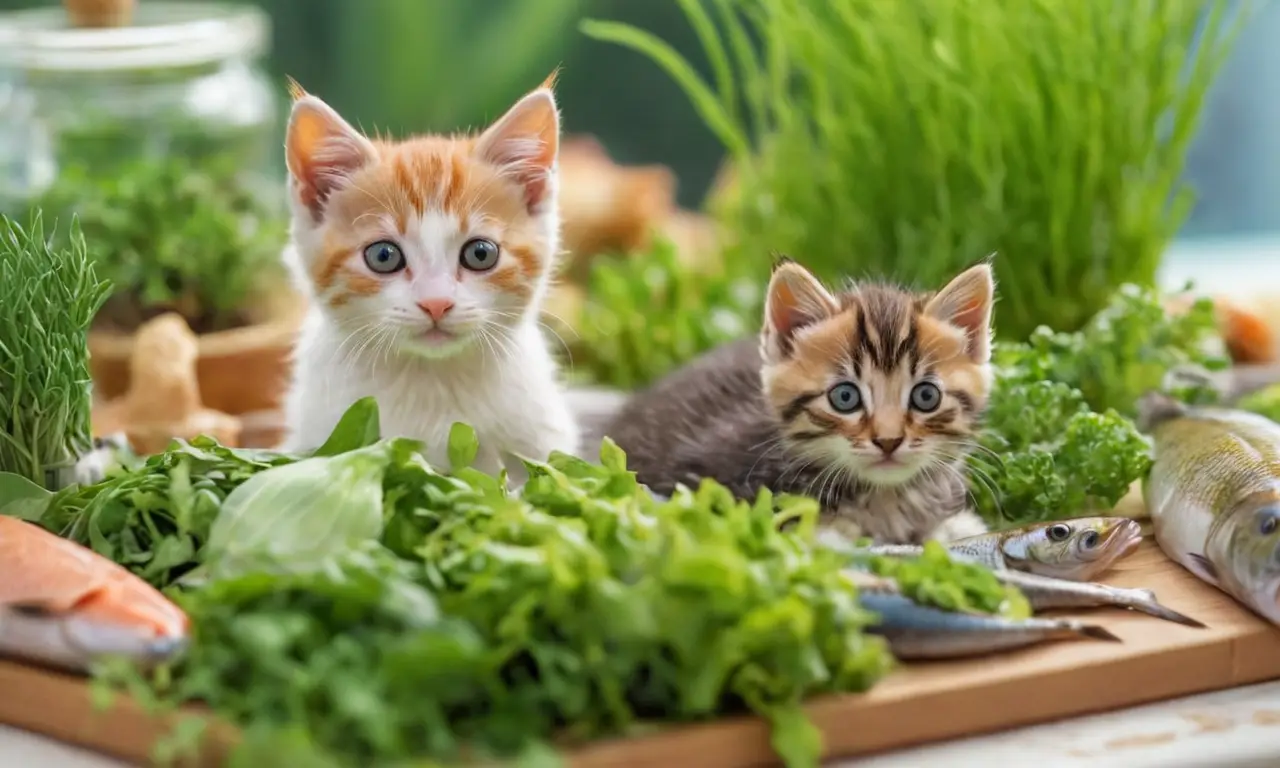
Homemade Wet Cat Food: A Guide to Healthier, Tastier Feline Diets
Creating homemade wet cat food offers a unique opportunity to provide your feline companion with a diet that is both nutritionally superior and incredibly palatable. This approach allows for complete control over ingredients, ensuring freshness, avoiding unnecessary fillers and artificial additives often found in commercial options, and catering to specific dietary needs or preferences. Transitioning to a homemade diet can lead to significant improvements in your cat's overall health, from a shinier coat and healthier skin to better digestion and increased energy levels. This comprehensive guide will delve into the benefits, essential considerations, safe ingredient choices, preparation methods, and crucial safety precautions involved in making homemade wet cat food.
𝙲𝚘𝚗𝚝𝚎𝚗𝚝
- Why Choose Homemade Wet Cat Food?
- Essential Nutritional Considerations for Homemade Wet Cat Food
- Safe and Beneficial Ingredients for Homemade Wet Cat Food
- Creating Balanced Recipes for Homemade Wet Cat Food
- Safe Preparation and Handling Practices
- Transitioning Your Cat to Homemade Wet Cat Food
- When to Consult a Veterinary Nutritionist
- The Rewards of Homemade Wet Cat Food
Why Choose Homemade Wet Cat Food?
The decision to prepare your cat's meals at home stems from a desire to offer the absolute best in feline nutrition. Commercial cat foods, while convenient, can sometimes compromise on quality. Here's why homemade wet cat food stands out:
- Superior Ingredient Quality: You have the power to select high-quality, fresh meats, organs, and vegetables, free from artificial colors, flavors, and preservatives.
- Nutritional Control: You can ensure your cat receives a balanced diet tailored to their specific life stage (kitten, adult, senior), activity level, and any health conditions they may have. This includes controlling protein, fat, and carbohydrate levels precisely.
- Allergen and Sensitivity Management: For cats with allergies or sensitivities, homemade wet cat food is invaluable. You can easily identify and exclude ingredients that cause adverse reactions, a task that can be challenging with commercially prepared foods.
- Increased Palatability: Cats are naturally drawn to the scent and taste of fresh meat. Homemade meals are often more appealing to picky eaters, encouraging better food intake and reducing waste.
- Enhanced Hydration: Wet food, by its nature, contains a high moisture content, which is crucial for feline health. Cats are desert animals with a low thirst drive, so obtaining moisture from their food is vital for kidney and urinary tract health.
- Reduced Risk of Contaminants: By preparing food at home, you mitigate the risk of your cat ingesting contaminants or harmful bacteria that can sometimes be found in mass-produced pet foods.
Essential Nutritional Considerations for Homemade Wet Cat Food
Cats are obligate carnivores, meaning their diet must primarily consist of animal-based proteins. Understanding their specific nutritional requirements is paramount when preparing homemade wet cat food.
Protein is King
- Animal-Based Proteins: The foundation of your cat's diet should be high-quality animal protein. This includes muscle meats (chicken, turkey, beef, lamb, rabbit) and organ meats (liver, heart, kidney).
- Amino Acids: Cats require specific amino acids found in animal tissues, such as taurine, which is essential for heart health, vision, and digestion. Taurine deficiency can lead to serious health problems.
Fat for Energy and Health
- Animal Fats: Fats are a concentrated source of energy and are vital for absorbing fat-soluble vitamins. Animal fats from the meats you choose are ideal.
- Essential Fatty Acids: Omega-3 and Omega-6 fatty acids are crucial for skin and coat health, immune function, and reducing inflammation. These can be supplemented through fish oils or specific plant-based oils if needed, but animal sources are generally preferred.
Carbohydrates: Use Sparingly
- Low Carbohydrate Requirement: Cats have a very limited need for carbohydrates. Excessive carbohydrates can lead to weight gain, diabetes, and other health issues.
- Safe Sources: If you choose to include carbohydrates, opt for small amounts of easily digestible sources like pumpkin, sweet potato, or certain cooked vegetables, prepared in moderation.
Vitamins and Minerals
- Balanced Supplementation: While whole meats and organs provide many essential vitamins and minerals, a balanced diet of homemade wet cat food often requires supplementation to meet the precise daily requirements. This is where careful formulation is crucial.
- Calcium and Phosphorus Ratio: The calcium to phosphorus ratio is critical for bone health. This is particularly important when using boneless meats. Bone meal or calcium carbonate are common supplements used to achieve the correct ratio.
- Taurine Supplementation: Even with organ meats like heart and liver, it's often recommended to supplement with taurine, especially if using lean muscle meats.
Moisture Content
- Hydration is Key: As mentioned, wet food is significantly beneficial for hydration. Aim for a moisture content similar to commercial wet food, typically around 70-80%. This can be achieved by adding water, broth (low sodium, no onion/garlic), or moisture from cooked ingredients.
Safe and Beneficial Ingredients for Homemade Wet Cat Food
When embarking on the journey of making homemade wet cat food, selecting the right ingredients is crucial for both safety and nutrition.
Hypoallergenic Dog Food: Signs of a Good ChoiceProtein Sources:
- Chicken: A common, well-tolerated, and versatile protein source.
- Turkey: Similar to chicken, offering a lean protein option.
- Beef: Rich in iron and other nutrients.
- Lamb: Good for cats with sensitivities to poultry.
- Rabbit: An excellent lean protein, often used for hypoallergenic diets.
- Fish (in moderation): Small amounts of cooked fish like salmon or sardines can be a good source of omega-3s. However, avoid raw fish and be mindful of mercury content and potential thiaminase activity in some raw fish.
- Organ Meats:
- Liver: Essential source of Vitamin A, iron, and B vitamins. Feed in moderation (around 5-10% of the diet) to avoid Vitamin A toxicity.
- Heart: Rich in taurine, a vital amino acid.
- Kidney: Good source of protein and essential minerals.
Fats:
- Animal Fats: Derived from the muscle meats and organs you use.
- Fish Oil (high quality): A supplement for Omega-3 fatty acids, essential for anti-inflammatory benefits and skin/coat health. Ensure it's specifically formulated for pets and free of impurities.
Carbohydrate Sources (in very small amounts):
- Pumpkin: Cooked and pureed, excellent for digestion.
- Sweet Potato: Cooked and mashed, provides some fiber and vitamins.
- Carrots: Cooked and pureed, a source of beta-carotene.
- Zucchini: Cooked and pureed, adds moisture and fiber.
Supplements:
- Taurine Powder: Essential for cats, especially if not feeding enough organ meats.
- Calcium Carbonate or Bone Meal: For the correct calcium-to-phosphorus ratio.
- Multivitamin specifically formulated for cats: To ensure all micronutrient needs are met. Consult with a veterinary nutritionist for recommendations.
Ingredients to AVOID:
- Onions and Garlic: Highly toxic to cats.
- Grapes and Raisins: Can cause kidney failure.
- Chocolate: Contains theobromine, toxic to cats.
- Xylitol: An artificial sweetener found in some human foods, extremely toxic.
- Alcohol and Caffeine: Toxic.
- Raw Eggs: Risk of Salmonella and biotin deficiency.
- Raw Fish (in excess): Can contain thiaminase, which destroys thiamine (Vitamin B1).
- Bones (cooked): Cooked bones can splinter and cause internal damage. Raw, ground bones can be safely incorporated if done correctly and with expert guidance.
- Dairy Products: Most adult cats are lactose intolerant.
- Processed Meats: Often contain high levels of sodium, preservatives, and spices.
Creating Balanced Recipes for Homemade Wet Cat Food
Formulating balanced recipes for homemade wet cat food is the most critical aspect. A simple mix of meat and vegetables is not nutritionally complete and can lead to deficiencies. It's highly recommended to consult with a veterinary nutritionist or use reputable online resources and software that can help calculate macronutrient and micronutrient ratios.
General Recipe Guidelines:
A common starting point for a balanced recipe is:
- 80-85% Animal Protein: Muscle meat and organ meats (e.g., 70-75% muscle meat, 10-15% organ meats like heart and liver).
- 5-10% Fat: Often naturally occurring in the meats, or added via fish oil.
- 5-10% Carbohydrates/Fiber: Cooked vegetables like pumpkin or sweet potato.
- Appropriate Supplementation: Calcium, taurine, and a cat-specific multivitamin are usually necessary.
Example Recipe Structure (illustrative, always calculate for specific needs):
Ingredients:
- 1 lb Boneless, Skinless Chicken Thighs (provides fat)
- 4 oz Chicken Liver
- 4 oz Chicken Heart
- 4 oz Cooked Pumpkin Puree (unsweetened)
- 1 tsp Fish Oil (high quality)
- 1/4 tsp Taurine Powder
- 1/4 tsp Calcium Carbonate (or bone meal, adjust based on bone content of meat)
- 1/2 tsp Cat-Specific Multivitamin (follow dosage instructions)
- Water or Low-Sodium Chicken Broth (as needed for consistency)
Preparation:
Dog Diet & Health: Unlocking Canine Wellness with Nutrition- Cook Meats: Lightly cook chicken thighs, liver, and heart. Avoid overcooking to preserve nutrients. You can boil, steam, or lightly pan-fry.
- Grind/Process: Once cooled, grind or process all the cooked meats and pumpkin puree to your cat's preferred texture. A food processor or meat grinder works well.
- Add Supplements: Mix in the fish oil, taurine powder, calcium carbonate, and multivitamin. Ensure they are evenly distributed.
- Adjust Consistency: Add water or broth gradually until the desired wet food consistency is achieved.
- Portion and Store: Divide into single-serving portions and store in airtight containers in the refrigerator for up to 3 days or freeze for longer storage.
Safe Preparation and Handling Practices
Hygiene and safety are paramount when preparing homemade wet cat food to prevent foodborne illnesses for both you and your cat.
- Wash Your Hands: Always wash your hands thoroughly with soap and water before and after handling raw or cooked meats.
- Sanitize Surfaces and Utensils: Clean all cutting boards, knives, bowls, and food processors thoroughly after each use with hot, soapy water or a sanitizing solution.
- Prevent Cross-Contamination: Keep raw meats separate from other foods. Use designated cutting boards and utensils for raw meats.
- Cook Meats Thoroughly (if applicable): While some recipes may use lightly cooked or even raw components, understanding the risks associated with raw meat (e.g., Salmonella, E. coli) is crucial. If you opt for raw, source high-quality, human-grade ingredients from reputable suppliers and practice extreme caution. Lightly cooking meats can reduce the risk of bacterial contamination.
- Cool Foods Properly: Cool cooked meats quickly before processing and refrigerating.
- Refrigerate Promptly: Refrigerate prepared food within two hours of preparation.
- Storage: Store homemade wet cat food in airtight containers. Refrigerated portions should be used within 3 days. For longer storage, freeze in individual portions. Thaw frozen food in the refrigerator overnight.
- Discard Spoiled Food: If any food appears or smells off, discard it immediately.
Transitioning Your Cat to Homemade Wet Cat Food
Switching your cat's diet too abruptly can lead to digestive upset. A gradual transition is key to success.
- Introduce Slowly: Start by mixing a very small amount of the homemade wet cat food with your cat's current food.
- Gradually Increase: Over 7-10 days, slowly increase the proportion of homemade food while decreasing the commercial food.
- Monitor for Reactions: Watch for any signs of digestive upset such as vomiting, diarrhea, or changes in appetite. If these occur, slow down the transition process.
- Offer Variety (Carefully): Once your cat is accustomed to the homemade diet, you can introduce different protein sources, but do so one at a time to monitor for any new sensitivities.
When to Consult a Veterinary Nutritionist
While the desire to provide the best for your cat is commendable, creating a perfectly balanced homemade wet cat food diet is complex. It's highly recommended to work with a board-certified veterinary nutritionist. They can:
- Assess your cat's individual health status, age, and activity level.
- Develop a customized recipe tailored to your cat's specific needs.
- Recommend appropriate supplements and their correct dosages.
- Help you understand the long-term nutritional implications of homemade diets.
- Provide guidance on safe sourcing of ingredients and preparation methods.
The Rewards of Homemade Wet Cat Food
The effort involved in preparing homemade wet cat food can be significant, but the rewards are immense. Observing your cat thrive with a diet you've lovingly prepared, enjoying improved health, vitality, and a shinier coat, is incredibly fulfilling. It's a commitment to their well-being, offering a tangible way to enhance their quality of life through superior nutrition. By prioritizing fresh, high-quality ingredients and ensuring a nutritionally complete and balanced diet, you can provide your feline companion with a culinary experience that is both delicious and incredibly beneficial for their long-term health.
How Long Does a Bag of Dog Food Last? A Full Guide
Parrot Diet: Best Fruits and Vegetables for Your Bird

Festive Feasts: Top Christmas Recipes for Dogs

Dog Kidney Failure Diet: Homemade Solutions & Care Tips

Choosing the Best Dog Food: A Comprehensive Guide
Cat Hepatitis Diet: Essential Foods for Your Feline Friend
Understanding the Composition of Cat Food for Health
Related posts